What Should Engineers Consider When Selecting Bakelite Sheet?
2026-08-28 17:29:11
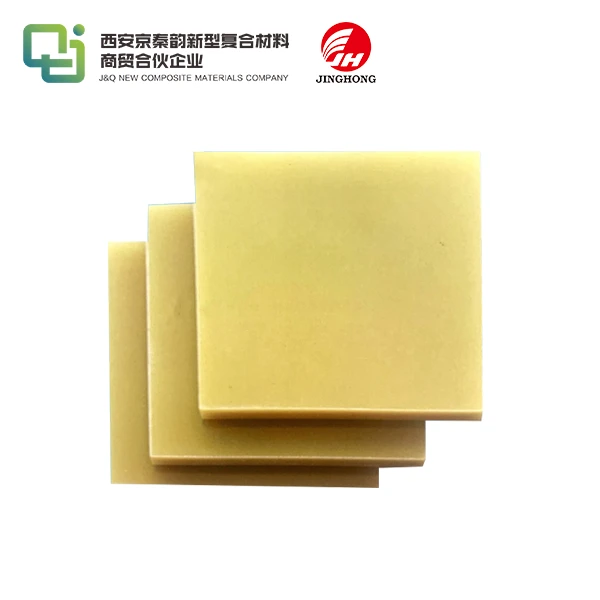
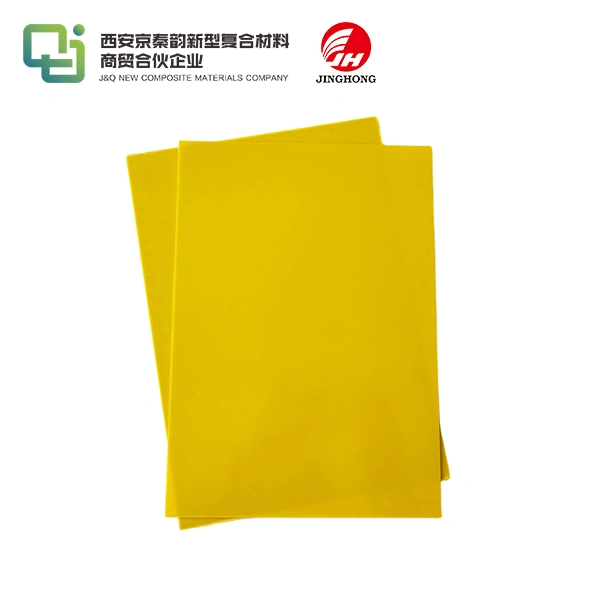
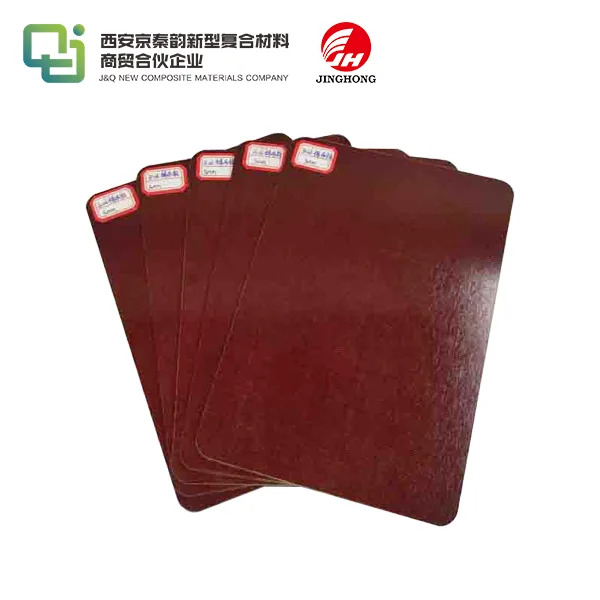
When selecting phenolic laminate materials for critical applications, engineers must evaluate electrical insulation performance, mechanical strength requirements, environmental resistance, dimensional accuracy, supplier certifications, and long-term cost efficiency. Bakelite Sheet, as a thermosetting phenolic resin composite, offers proven reliability in high-voltage environments, thermal stability up to 150°C, and dimensional consistency during CNC machining. Understanding the interplay between material grades, application-specific demands, and supplier capabilities ensures procurement decisions align with both technical specifications and budget constraints, preventing costly redesigns or field failures.
Understanding Bakelite Sheet: Properties and Applications
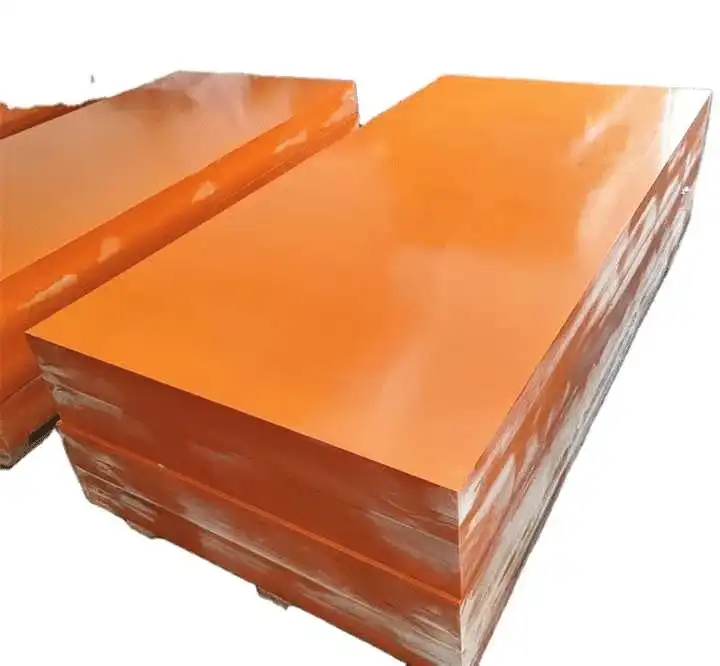
Phenolic paper laminated sheets are an important link between expensive scientific ceramics and market plastics that aren't strong enough. In a controlled polymerization process, layers of cellulose paper are saturated with phenolic resin, which is made when phenol and formaldehyde react together under pressure. In hydraulic presses with carefully controlled heat and pressure, the resin hardens into a stiff, non-melting material that is very good at insulating electricity and being strong.
Composition and Manufacturing Excellence
There are two separate steps in the production process that determine the final properties of the material. In the process of making resin, phenol and formaldehyde combine in reactors. Catalysts and fillers change the molecular network to improve certain properties. During the lamination process, temperatures above 140°C and pressures between 7 and 14 MPa are used to join several layers of paper together into one sheet. This thermosetting change makes a three-dimensional network of polymers that can't be melted down again. This is what makes phenolic laminates different from thermoplastic alternatives that melt when heated.
Performance Characteristics That Matter
Electrical engineers like phenolic laminates because they have a dielectric strength of more than 15 kV/mm and a volume resistance of more than 10^12 ohm-cm. This means that they keep switchgear and circuit board bases from leaking current. The low rate of moisture absorption—usually less than 2% after 24 hours of immersion—keeps the insulation's shape and structure in damp places. The material has a compressive strength of 200–300 MPa and a flexural strength of up to 140 MPa, which makes it useful for load-bearing parts like gears, spacers, and structural insulation.
Industry Applications Across Sectors
As an arc shield and coil insulation in transformers, phenolic sheets keep power distribution systems safe from catastrophic failures by being flame resistant and thermally stable. These materials are used as thermal barriers between high-temperature cells and structural housings in automotive battery pack systems. They stop thermal runaway spreading. Builders of industrial machinery use phenolic cotton laminates to make precision spacers and wear-resistant bushings that stay within standards even when they are put under a lot of mechanical stress over and over again. Manufacturers of home appliances use these sheets to make motor brackets and insulation frames because they are cost-effective and meet regulatory requirements.
Comparing Bakelite Sheet to Other Insulation Materials: Making the Optimal Choice
To get the best performance and lifecycle costs, material selection for Bakelite Sheet needs to be based on careful comparisons with other options. When engineers look at insulation solutions, they have to think about more than just how much the initial purchase will cost.
Electrical Performance Benchmarking
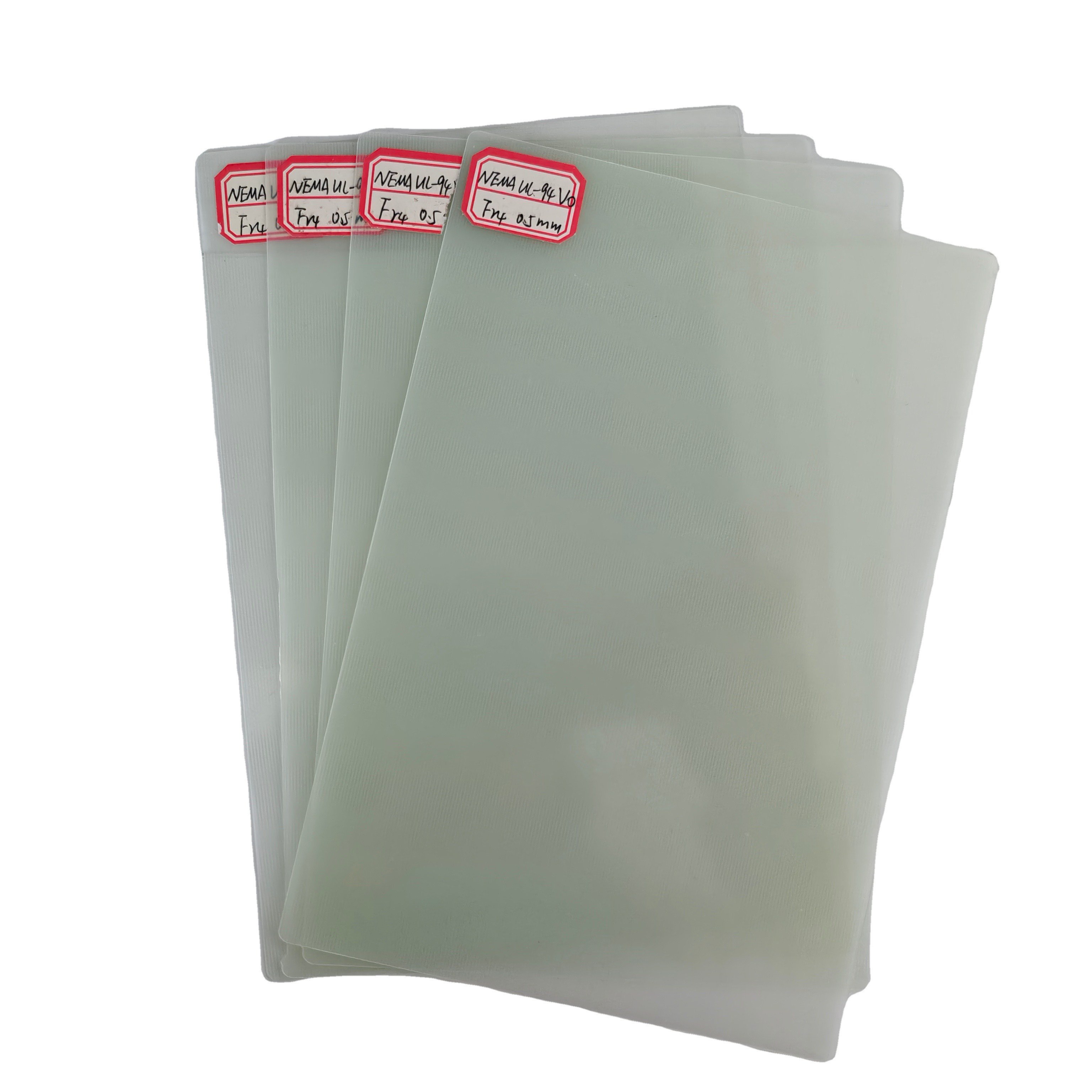
When temperatures change, phenolic laminates keep their dielectric performance the same, while regular plastics don't. Compared to mica sheets, which can withstand temperatures up to 600°C better, phenolic materials can handle temperatures up to 150°C well and cost a lot less. Epoxy glass laminates, like FR4, are better for multilayer PCB applications because they are stronger mechanically and keep their shape better when heated and cooled. However, phenolic grades offer similar electrical qualities for single-layer boards and structural insulation at a lower cost, which is especially helpful for making appliances that need to be cheap.
Mechanical Strength and Chemical Durability
When it comes to flexural modulus and impact strength, glass-reinforced epoxy composites are better than phenolic materials. This is important for car structure parts that are loaded with stress and shock. When making complex geometries, phenolic cotton laminates counter are easier to machine with standard carbide tools, which lowers the cost of production. When exposed to petroleum-based oils, alcohols, and weak acids that are common in industrial gear settings, phenolic materials are more likely to be resistant to chemical damage. Strong oxidizing acids and concentrated alkalis break down phenolic matrices, so chemical processing equipment needs to be made of other materials, like fluoropolymers.
Cost Analysis for Procurement Planning
Volume pricing structures have a big effect on how much the whole project costs. When making a lot of appliances, phenolic sheets can save a lot of money because they weigh 30 to 50 percent less per kilogram than epoxy glass laminates of the same thickness. Because phenolic materials are less dense than ceramic options, they are better for transportation logistics. This is because they lower freight costs for foreign exports. Maintenance costs are low because phenolic parts don't wear out or break down in the environment, so they don't need to be replaced as often as standard plastics do, which bend under long-term loads.
Key Selection Criteria for Engineers When Choosing Bakelite Sheets
To make sure reliable performance and regulatory compliance, purchasing decisions must match material specifications with parameters that are important for the application.
Electrical Insulation Requirements
When engineers are making high-voltage switchgear, they have to make sure that the dielectric strength of the material is higher than the working voltages by a safety margin that is usually two to three times the maximum predicted voltage. Surface resistivity is very important in dusty or damp places where contamination paths can lead to leakage currents. Because they contain more resin, Grade XXX phenolic sheets are better at resisting moisture, which is important for outdoor enclosures and marine uses. UL-certified arc resistance rates show that a material is safe to use in places where electrical problems could happen, keeping the arc from starting and spreading.
Mechanical Strength and Dimensional Stability
For load-bearing uses, it's important to look closely at data on compression and bending strengths across a range of temperatures. It is necessary to use bigger designs or different materials for high-temperature machinery parts because phenolic materials lose some of their mechanical properties above 120°C. Tolerances for thickness have a direct effect on how precisely an assembly fits together. Standard phenolic sheets have a thickness variation of ±0.2mm, which is fine for most mechanical applications but might not be enough for precision optical or semiconductor equipment that needs tighter specifications.
Environmental Exposure Considerations
Chemical compatibility testing for Bakelite Sheet keeps parts from breaking down too soon when they come into contact with cleaning agents or process fluids. Strong alkalis for a long time can soften the surface of phenolic matrices and change their shape, so these materials can't be used in chemical processing settings. UV light breaks down unprotected phenolic surfaces through photo-oxidation, which changes color and weakens the top layer. This limitation can be overcome by using the product indoors or protecting it from UV light, which increases its useful life in automotive interior parts and enclosed electrical assemblies.
Supplier Quality Systems and Certifications
Certified quality management systems, such as those that follow ISO 9001, make sure that the properties of materials are the same from batch to batch, which is important for automated assembly processes. When products need to get regulatory approval for the North American or European market, UL recognition and RoHS compliance verification keep them from having to be redesigned, which can be very expensive. Transparency from suppliers about resin formulations and paper substrate specifications makes it possible to track materials, which is important for aerospace and medical device applications that need strict documentation. Negotiating the minimum order number and lead time affects the costs of keeping supplies and the schedule for production. This is especially important for small-batch custom machinery projects.
Practical Tips for Handling and Working with Bakelite Sheets
When you machine and install something correctly, you get the most out of the material and keep it from breaking down early or becoming dangerous during the process.
Machining Best Practices
Phenolic laminates make sharp dust that quickly dulls high-speed steel tools. To make production more cost-effective, carbide or diamond-tipped cutting tools are needed. When feed rates are slow and spindle speeds are between 3000 and 6000 RPM, edge chipping is less likely to happen on routed curves and made holes. When profiling complex shapes, climb milling makes the edges cleaner than regular milling. Active dust extraction systems keep workers' lungs from getting irritated by phenolic particulate, which has formaldehyde leftovers that need good air. Using coolant is usually not recommended because absorbing water can lead to temporary changes in dimensions that can make tight-tolerance machining operations harder to do.
Installation and Assembly Techniques
Solvent cleaning the surface gets rid of cutting leftovers and other contaminants that can make it harder for adhesives to stick or create paths for electricity to leak. Using mechanical fastening with clearance holes that are too big takes into account the different rates of thermal expansion between metal housings and phenolic parts. This keeps stress from building up and cracks from starting. Thread inserts are strong attachment points for repetitive assembly tasks where tapping directly into phenolic material would wear away after many assembly cycles. The right torque specifications keep things from crushing and make sure there is enough clamping force to keep the electrical contact solid.
Maintenance and Longevity Practices
Regular inspections find surface markings, cracks, or changes in color that show exposure to high temperatures or chemical attack. When you clean with light soaps and soft brushes, the surface resistivity stays the same and no abrasive damage is done, which creates places where contaminants can stick. Keeping things in climate-controlled spaces stops them from absorbing water, which briefly weakens their electrical insulation properties. By keeping records of how the product works and what can go wrong, designers can make better decisions about which materials to use in later versions of the product, which makes it more reliable over time.
Conclusion
When choosing the right phenolic laminate materials like Bakelite Sheet, you have to weigh the supplier's skills and quality certifications against the material's electrical performance, mechanical needs, environmental factors, and cost limits. When engineers compare phenolic sheets to other insulation materials, they have to look at things like voltage levels, temperature exposure, chemical compatibility, and dimensional limits that are specific to the application. The right way to machine with carbide tools and collect the dust, along with the right way to install them and keep them in good shape, guarantees long-lasting performance in electrical, industrial, and automotive settings where material failure can have serious safety and financial effects.
FAQ
What thickness of phenolic sheet is optimal for electrical insulation applications?
The choice of thickness is based on the voltage levels and the need for mechanical support. Sheets between 1 and 3 mm thick are usually used for applications below 1000V because they have enough dielectric strength with little weight loss. High-voltage switchgear that works above 5kV usually needs to be 6–10 mm thick to keep the dielectric from breaking down and to make the structure stiff. When load-bearing ability is more important than electrical properties, 12–20 mm sheets can be used for mechanical support systems.
How does phenolic material performance compare to modern composite alternatives?
Modern epoxy glass composites are stronger for their weight and work better at high temperatures, which is why they are used in aerospace and high-tech automotive applications. When cost is a factor, phenolic laminates can still be used in places where temperatures stay below 120°C and mechanical loads are moderate. The chemical resistance and ease of machining of phenolic materials continue to be benefits in the manufacturing of industrial machinery and appliances.
Can manufacturers supply custom-sized sheets for specialized industrial needs?
Most well-known providers offer custom cutting services from standard sheet stock, and they can meet specific size needs without charging extra for small orders. CNC machines can cut complicated profiles, drill patterns, and counterbore, and the final parts can be sent to the customer. Because of the costs of setting up the press and the economics of the production run, custom thickness manufacturing usually needs a minimum order quantity of 500 kg.
Partner with J&Q for Your Phenolic Laminate Requirements
J&Q is a reliable source for Bakelite Sheet. They have been making products for over 20 years and have been trading internationally for ten years, helping customers in the electrical, industrial, and car sectors across North America. Our certified quality systems make sure that the material always has the same properties that meet UL and RoHS standards. We also have in-house logistics that make sure that delivery times are always in line with your production needs. To speed up the procurement process, engineering support teams help you choose materials, write down specifications for custom machining, and create technical documents. Email our experts at info@jhd-material.com to talk about the details of your project, get material approvals, or get prices for your next production run in bulk. You can look at all of our phenolic laminates, epoxy boards, and specialized insulation options at jhd-material.com.
References
1. Harper, C.A. (2004). Handbook of Plastics Technologies: The Complete Guide to Properties and Performance. McGraw-Hill Professional Publishing.
2. Richardson, T. (2003). Industrial Plastics: Theory and Applications. Delmar Cengage Learning.
3. Goosey, M.T. (1999). Plastics for Electronics. Springer Science & Business Media.
4. Ohring, M. (1998). Engineering Materials Science. Academic Press.
5. Peters, S.T. (1998). Handbook of Composites (2nd Edition). Chapman & Hall.
6. Society of Plastics Engineers. (2006). Plastics Engineering Handbook of the Society of the Plastics Industry. Springer Publishing.