
How Does FR4 Epoxy Sheet Improve PCB and Industrial Component Reliability?
2026-08-28 17:29:14
FR4 Epoxy Sheet improves PCB and industrial component reliability through its exceptional combination of thermal stability, electrical insulation, and mechanical strength. This flame-retardant glass-epoxy laminate maintains dimensional integrity during thermal cycling, prevents electrical failures through consistent dielectric properties, and withstands environmental stressors like moisture and chemicals. Its UL94 V-0 compliance ensures safety in high-voltage applications, while the woven glass-fiber structure provides long-term durability under mechanical stress. These characteristics make FR4 the material of choice for engineering managers and procurement teams seeking predictable performance in mission-critical applications across electronics, power systems, automotive, and industrial machinery sectors.
Understanding FR4 Glass Epoxy Sheet: Composition and Key Properties
What Defines FR4 as a High-Performance Laminate Material?
The grade number "FR-4" in NEMA shows that FR4 Glass Epoxy Sheet is a good thermoset plastic laminate. It is made up of layers of continuous knitted fiberglass cloth that are glued together with an epoxy resin glue. The heat and pressure are then carefully controlled to keep the layers together. "FR" stands for "Flame Retardant," which means that the mixture meets UL94 V-0 standards for being flammable when made with brominated epoxy. The industry has some big problems that this material fixes. It provides better electrical isolation in damp areas where cheaper materials like phenolic paper fail. It also stops mechanical deformation during solder reflow processing and keeps its shape so that complex insulation parts can be precisely CNC machined.
Core Physical and Thermal Characteristics
The technical features of this composite made of glass fibers show why it's so common in electronics and other fields. The mass of the substance is between 1.85 and 2.10 g/cm³, which means it is very strong for how light it is. As per ASTM D570, the amount of water absorbed is still very low, at less than 0.2%. In humid warm areas and the ocean, this keeps the dielectric qualities safe. It has a bending strength of more than 340 MPa along its length, which means it can handle being loaded without breaking.
The way quality types work with heat makes them stand out. Normal FR4's Glass Transition Temperature stays between 130°C and 140°C. This means it can be used all the time in Class B at 130°C. It is possible to use the high-Tg versions in lead-free soldering processes when they reach 170°C or higher, as the Z-axis will not expand or separate. Because the boards are thermally stable, they don't bend when they are heated over and over again in automatic production lines. In this way, the tight tolerances needed for multilayer PCB registration are kept.
Electrical Properties That Ensure Signal Integrity
Because it lets electricity flow through it, this substance is important for power transfer and electrical systems. If you look at it from the side, the breakdown voltage is more than 40kV, and the arc resistance lasts for more than 60 seconds. It normally has a dielectric strength of 500 V/mil and works even when it's wet outside. At high frequencies, the stable dielectric constant protects the signal by stopping changes in impedance that would mess up the signal otherwise. FR4 is used in switches, transformers, and precision circuit boards where electrical breakdowns can be very bad because its electrical performance stays the same in a variety of situations.
Manufacturing Process and Quality Control Standards
Ingredients are put through a lot of steps to get exact effects. It is possible to make fil filaments by melting glass in furnaces. It is then possible to weave these filaments together to make fiberglass cloth. Something like organosilane is put on the cloth to help the organic resin and artificial glass stick together better. Some things that are added to petroleum resin to make it better are flame retardants, fillers, and cure agents. Glass cloth and epoxy glue are used to make prepreg. Several prepregs are heated together to make laminates. As a copper-clad laminate, which can be used to make PCBs, copper foil is put on top of the laminate.
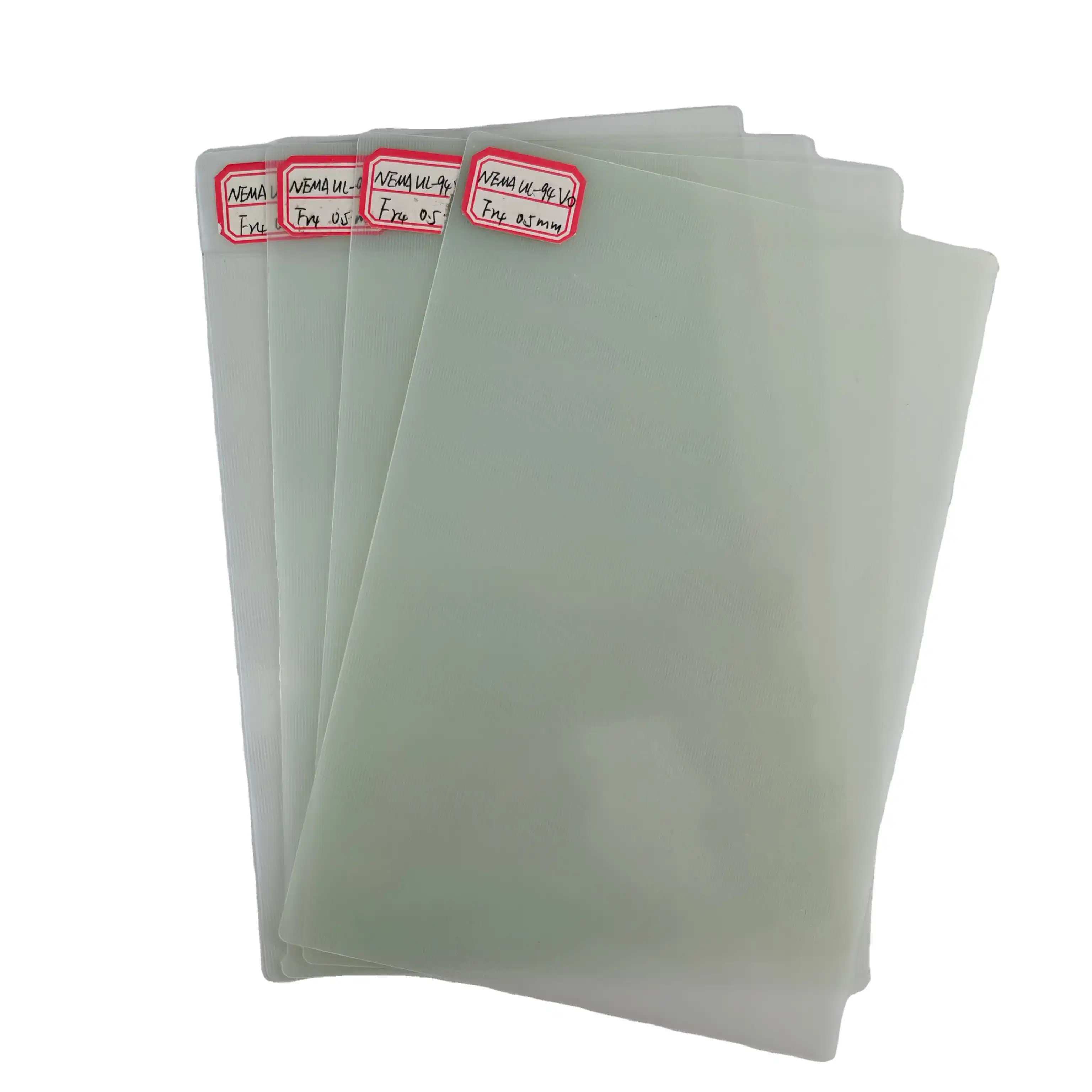
A check of quality during production makes sure that the rules set by NEMA LI 1-1998, IEC 60893, and MIL-I-24768/27 are followed for FR4 Epoxy Sheet. The thickness is kept within very small ranges, which is necessary for accurate cutting and packing of many boards. It is normally green or yellowish-green, but dyes can be added to make it black or any other color without changing how it conducts electricity. Standardizing things gives procurement teams the peace of mind to pick material grades that will work the same way from one production batch to the next.
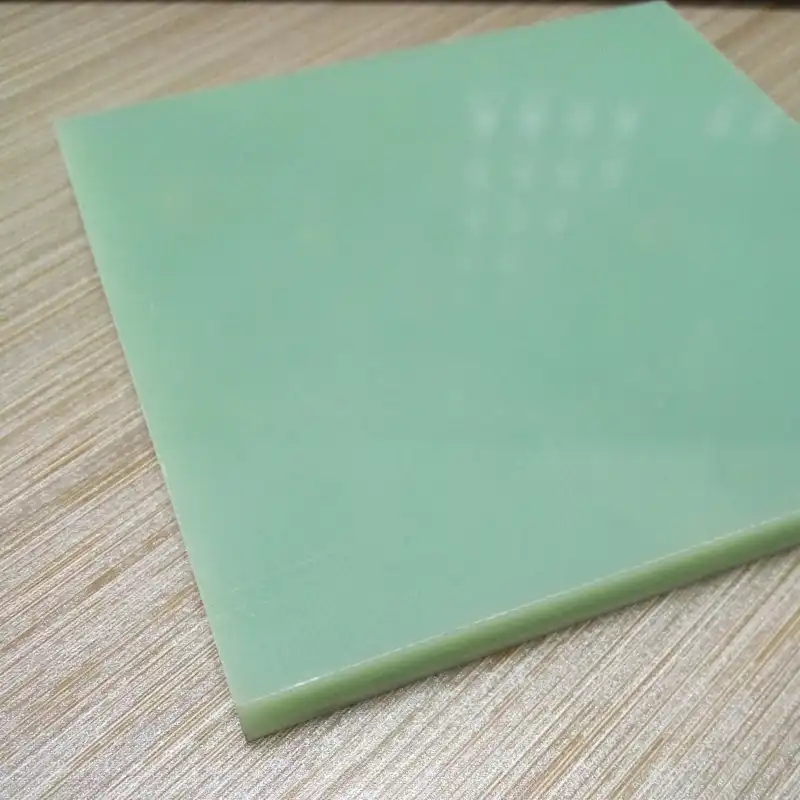
How FR4 Epoxy Sheet Enhances Reliability in PCBs and Industrial Components?
Thermal Management and Dimensional Stability Under Stress
Thermal cycling is one of the main reasons why technology and industrial tools don't work as well as they should. FR4 glass epoxy laminates can solve this problem because they are naturally thermally stable, which means they keep their shape even when the temperature changes. People use wave soldering and reflow ovens to quickly heat PCBs to more than 250°C and then cool them down. Materials that don't have enough thermal resistance will warp, which can cause circuits to open or parts to be out of place.
The temperature at which a substance turns into glass tells us how it will react to heat. Below Tg, the epoxy matrix stays stiff and in the same shape. In the same way, lead-free soldering profiles can be used with high-Tg formulations, even though they need higher peak temperatures than traditional tin-lead processes. The Z-axis expansion that separates the layers in multilayer boards is stopped by this thermal resistance. This means that the electricity stays connected for the life of the product.
Parts of industrial machines are also subject to similar thermal pressures. Motor housings, transformer barriers, and switchgear insulators need to be able to stay strong at high temperatures for a long time. Because epoxy-glass laminates don't let heat pass through them easily, they keep heat-sensitive parts in solder bins and assembly jigs from breaking when they are heated and cooled many times during automated manufacturing.
Electrical Insulation Performance in Harsh Environments
Electrical insulation that works well is necessary for power systems and electronics to work and keep people safe. Even when the temperature changes, FR4 still has a high insulating strength. This stops tracking, which is when conductive carbon paths appear under high voltage and cause huge problems. It is used for high-voltage switchgear arc chutes, phase barriers, and busbar supports because it doesn't conduct electricity.
How much wetness is taken has a direct effect on how well insulation works. The very low water absorption rate (below 0.25%) keeps the dielectric qualities fixed in harsh conditions. Most of the time, the tools that move power around work outside or in places where the weather is uncertain. The breakdown voltage and dielectric loss of materials drop when they take in water. This makes them fail faster. Because the cured epoxy resin is hydrophobic and the inorganic glass reinforcement is hydrophobic, they work together to make a barrier against water entry that keeps the electrical performance high for decades.
Chemical and Environmental Resistance for Extended Lifespan
In factories where parts are made, chemicals, oils, acids, and dangerous atmospheres are widespread. Phenic materials break down when they come in contact with alkaline cleaners or hydrocarbon solvents, which are popular in plants. It is very hard for chemicals to damage FR4 epoxy laminates. They keep their mechanical and electrical properties even when they are exposed to air pollutants, cleaning fluids, and industrial fluids.
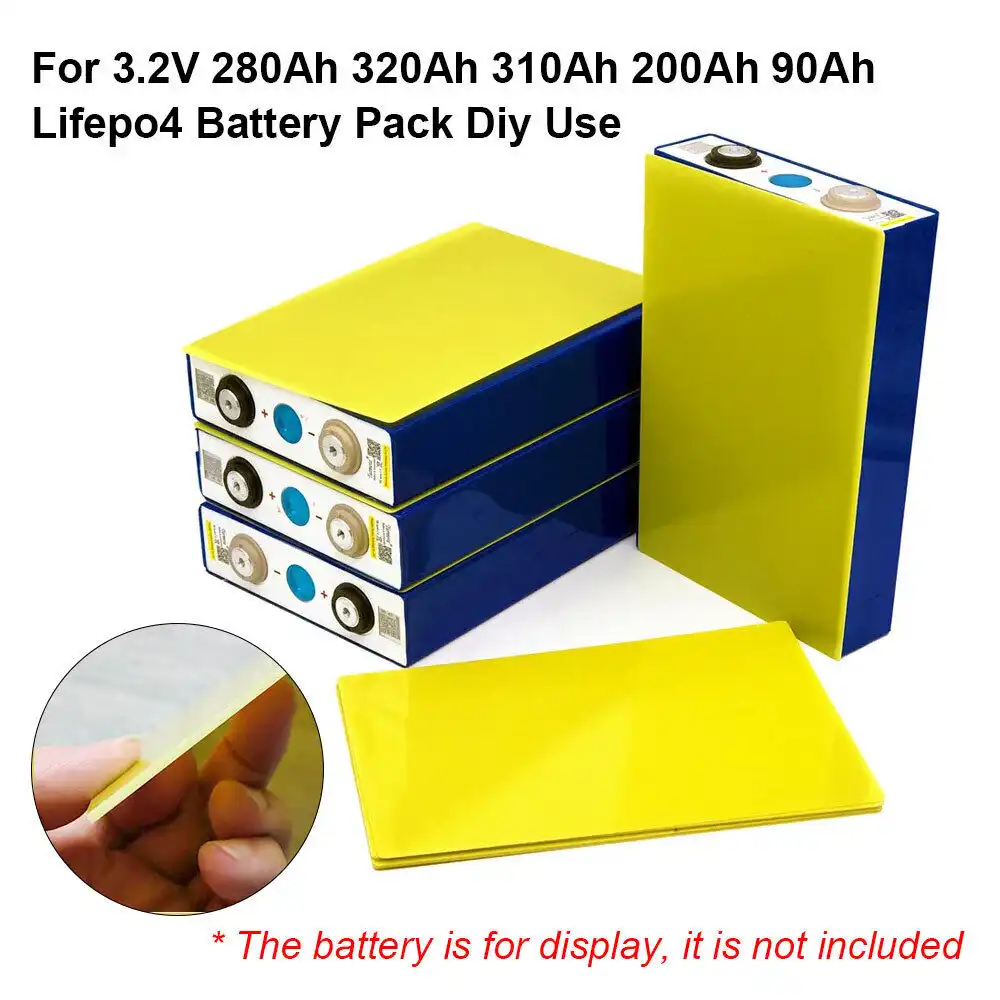
When used in cars, this chemical stability makes parts last longer. The battery pack covers and protection pads in electric cars need to be able to handle shocks, electrolyte exposure, and hot and cold stress from filling cycles. You can use safety-critical insulation for as long as the car lasts because the material doesn't break down quickly. When home appliances are in use, cleaners, water, and changes in temperature can damage insulation frames and motor clamps, but they still work. This is good for the companies that make the appliances.
When you put two or more different metals together, galvanic corrosion can happen, but FR4 Epoxy Sheet can stop it. Electricity can't flow through glass-epoxy laminates, so they stop chemical processes that break down metal. This is very important for electronics that are used outside or on boats, since salt spray makes corrosion happen faster.
Comparing FR4 Epoxy Sheet to Alternative Materials
FR4 Versus G10: Understanding the Flame Retardancy Difference
Both FR4 and G10 are glass-epoxy laminates that have the same electrical and mechanical features. But they are not the same in one important way. While G10 doesn't have any chemicals that stop flames, FR4 does because it has bromine compounds that meet the UL94 V-0 grade for being flammable. The fact that FR4 can go out on its own means that it meets safety standards for business and industry gadgets. What's burning stops burning as soon as the spark is taken away. This keeps fires from spreading inside equipment enclosures.
People who buy things for controlled companies choose FR4 because it meets the safety standards needed to get products approved. In terms of responsibility and certification, there isn't much of a difference between G10 and FR4 in terms of marginal cost. Because of this, FR4 has mostly taken the place of G10 in electrical applications. G10 can still be used in mechanical tasks that don't need to be flameproof, though.
Performance Trade-offs With Phenolic and CEM Materials
It costs less to make phenolic cotton laminates, but they don't work as well. When these paper-based products get wet, they lose some of their ability to protect against electricity. The material starts to break down at temperatures that FR4 can handle all the time, so its thermal protection is limited. Mechanical strength is fine for low-stress jobs, but not for accurate machining or parts that have to hold a lot of weight.
Composite epoxy materials (CEM grades) are made with paper and glass reinforcements to make materials that work about average. The CEM-1 and CEM-3 grades are better than phenolic materials and cost less than full glass-epoxy laminates. These other options are good for low-cost consumer gadgets that need to be kept in certain conditions in order to work. Engineering managers look at how much something costs and how reliable it needs to be. They know that phenolic materials may need thicker sections or extra safety measures to work well enough.
Material Selection Criteria for Specific Applications
Substrates made of aluminum work well with LED lights and power electronics that need to get rid of heat. Metal-core PCBs move heat to outside heatsinks quickly and effectively, which is something that glass-epoxy laminates can't do on their own. Aluminum plates, on the other hand, need more electrical shielding and cost a lot more than FR4. This means they can only be used in places where the extra cost is worth it for the better thermal performance.
Stronger options, like polyimide laminates and FR5 materials, can be used continuously at temperatures above 200°C and have better dynamic strength. These high-quality materials can be used in harsh environments, on planes, and in electronics for drilling deep underground. It can cost a lot more, and the materials often cost twice as much as they do for regular FR4. Ad buyers do cost-benefit studies to see if high-end materials are really needed for the job or if High-Tg FR4 models offer good enough performance at a lower cost.
Procurement Insights: Sourcing Quality FR4 Epoxy Sheets for B2B Buyers
Evaluating Supplier Capabilities and Certifications
The supply chain runs easily and the quality of FR4 Epoxy Sheet stays stable when you choose suppliers who have a past of being helpful. To get ISO 9001 certification, a company must have quality management systems in place. To get ISO 14001 certification, a company must be environmentally friendly, which is something that buying teams that care about sustainability value. There are rules called RoHS that say electronics sent to Europe can't have dangerous materials like lead, mercury, and some brominated flame retardants it can have. They can meet government standards and pass customer quality audits if they give buyers full material certifications and test reports.
Strategic partners are different from commodity providers because they can offer technical support. Helpful suppliers help engineering teams choose materials, give advice on how to cut, and offer knowledge about specific uses are those suppliers. Long-term relationships happen when providers know what their customers want and take the effort to deal with problems in the supply chain, with quality, or with ways to make the product better.
Cost Considerations and Volume Pricing Strategies
The price per unit changes based on the width, the type of copper coating, and the range of units bought. Standard thicknesses that are already in stock are cheaper than custom widths that need to be made in small batches. People who buy a lot can get discounts for ordering in bulk, but they need to think about how much it costs to keep the goods in stock. Before you start making something, you need to make sure you have enough time to handle the lead times for custom sizes or grades.
When you buy something from another country, the cost of shipping can add to the total cost of the item. The price of freight changes based on how much is being moved, how much fuel costs, and how many haulers there are. Sellers in the same country may charge more per unit for the same amount of goods, but they can get them to you faster and for less money than sellers in other countries. When procurement teams compare suppliers, they look at the total cost of ownership, which includes the costs of keeping inventory, the risk of quality problems, the payment terms, and the support that is given after the sale.
Addressing Machining and Fabrication Requirements
FR4 can be made, but the glass dust it makes is bad for your health and hurts cutting tools. Tool shops that do CNC work use tools with carbide or diamond tips to keep standards and make the tools last longer. HEPA dust extraction systems and wet cutting keep workers from breathing in dangerous air pollutants while they work on machines. People who want to buy pre-machined parts need to make sure that the people who make them follow safety rules and keep the machines in good shape so that the sizes are correct.
Thickness tolerances have an effect on both the mechanical and electrical performance of a system. Normal industrial grades don't have tight enough tolerances for precise tasks, so you need better materials or more work to be done on them. To avoid costly repairs or assembly problems during production, it's better to be clear about tolerance standards when buying the parts.
Real-World Applications and Case Studies Demonstrating Improved Reliability
Telecommunications Infrastructure and Signal Integrity
Telecommunications equipment is always being used in a lot of different places, from data centers with climate control to outdoor boxes that get hot, and FR4 Epoxy Sheet is used in base station PCBs. Base station PCBs made on FR4 surfaces can handle changes in temperature, humidity, and mechanical vibration and still keep the signal strong over many years of use. Changes in impedance can cause signals to bounce and data errors in high-frequency circuits that work at gigahertz frequencies. The fixed dielectric constant stops these changes.
There are case studies from phone companies that show picking the right materials can change how dependable a network is and how much it costs to keep up. Repairing broken equipment costs a lot of money and is bad for customer service. The material stays stable even when the weather changes with the seasons when High-Tg FR4 is used for outdoor gear. This makes it less likely that something will go wrong and keeps the equipment working longer than its planned useful life.
Automotive Electronics and Electric Vehicle Battery Systems
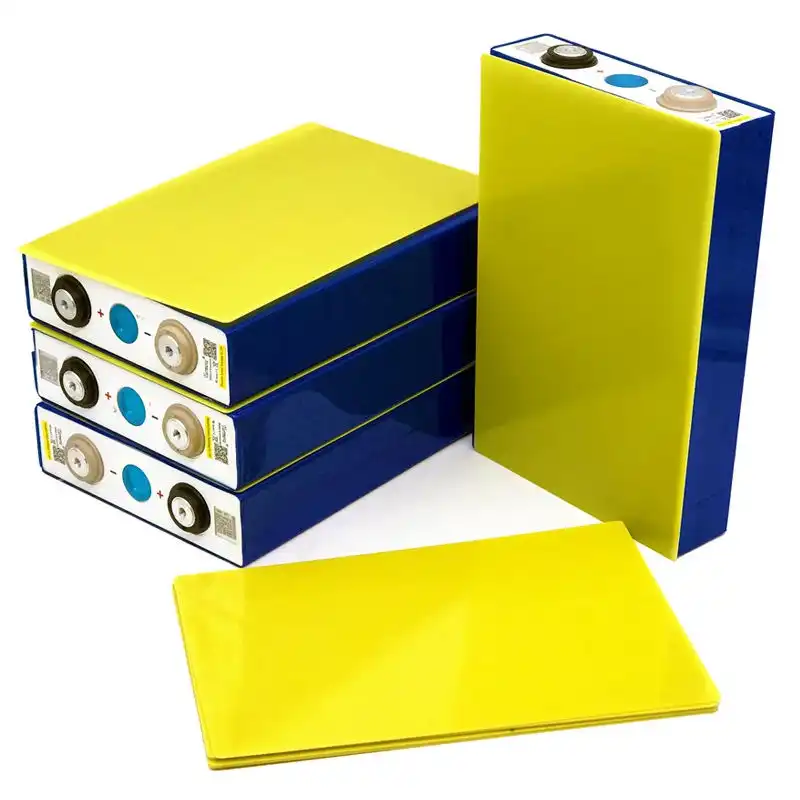
It is very important for companies that sell auto parts to meet strict reliability standards. This is because of safety rules and warranty risks. In electric cars, battery pack walls must keep high-voltage cells electrically separated for the whole life of the car. This is necessary because the cells may get hot and cold during charging, be stressed by road movements, and come into contact with electrolytes. For these important safety uses, FR4 insulation pads have the right amount of mechanical strength, electrical separation, and heat resistance.
Tier-1 companies that make battery management systems now use FR4 solutions more often than they used to. This means that their products are more reliable and there are fewer warranty claims. With precision machining, you can make complicated shapes that make the best use of space for packaging while still leaving enough room for wires to pass through. Stable batch quality makes sure that performance stays the same even when millions of units are made each year. This meets the needs of the car industry for zero-defect manufacturing.
Industrial Machinery and Power Distribution Equipment
Insulation materials are picked by power companies based on how long they are expected to last. The tough FR4 laminates have been used for more than 30 years to make insulation for generator coils and arc shields that have never given away. The slow failures that put people in danger need to be stopped right away because the material doesn't track under high voltage.
In the long run, electrical experts know that high-quality insulating materials only add a small amount to the cost of a transformer, but they are very important for making sure that it works well. FR4 is the standard for utility-grade tools because it is resistant to flames, has good structural stability, and works well with electricity. When this kind of equipment breaks down without warning, it can put people in danger and cost a lot of money.
Conclusion
Because it is stable at room temperature, good at insulating electricity, strong mechanically, and resistant to the environment, FR4 Epoxy Sheet is more reliable when making PCBs and other industrial parts. Four main types of failure can make a product less reliable: thermal degradation during processing, electrical breakdown under high voltage, dimensional instability that causes mechanical misalignment, and chemical degradation in harsh environments. This glass-reinforced epoxy laminate stands up to all of them. Engineers and procurement experts choose FR4 because it meets all international safety standards and works reliably for a long time, as shown by decades of field data. The stuff can be used for many things, from building the internet to making car batteries. This shows that it works well for designs that need to be steady and can't have their performance lowered.
FAQ
Can FR4 Glass Epoxy Sheet withstand lead-free soldering temperatures?
FR4 with a Tg of 130°C, which is close to its glass transition temperature, is under a lot of stress when it is soldered without lead. Around 250°C is where this stress is at its highest. High-Tg FR4 types with a Tg of 170°C or higher are made to be worked on without lead. They keep their shape and keep the Z-axis from getting bigger when they are heated for a long time, which is what SAC alloy solder profiles need. If you ask for High-Tg material, you won't have to worry about problems with stability that come up during assembly because of temperature stress.
Does material color indicate quality differences in FR4 sheets?
It is now normal for electrical-grade sheets to be a yellowish-green color because that's how epoxy glue tends to look. Pigments are used to make colors like black, yellow, and others. The quality isn't always different when the pigments are added. Electrical and mechanical properties are not changed by color. Instead, they are changed by the resin type, the glass fabric type, and the way the object was made. People should not judge the quality of something by how it looks. Instead, they should ask for certifications and test reports.
How does thickness selection impact performance and cost?
It costs more and takes longer to make, but thicker laminates are stiffer and have a higher breaking voltage. Thicker materials are less expensive and lighter, but they may need more mechanical support and are easier to break. It is easier for heat to move when the cross-sections are smaller, which is good for high-power uses. For each application, the best thickness is chosen by taking into account the mechanical needs, electrical clearances, thermal management needs, and cost limits.
Partner With J&Q for Reliable FR4 Epoxy Sheet Solutions
J&Q has been making good goods for more than 20 years and doing business with other countries for more than 10 years. All over the United States, they have OEM clients who make electrical equipment, build industrial machinery, and make electrical equipment. Because we know a lot about epoxy glass laminates and what our customers want, we can give them materials that meet strict standards for dielectric strength, temperature stability, and accuracy of size. As a well-known company that has sold FR4 Epoxy Sheet to many different types of businesses for a long time, we keep a close eye on quality to make sure it meets UL, RoHS, and other international standards that buyers trust. Because we offer combined transportation services, you can pick out the goods you need and have them brought all in one place. This makes the whole supply chain easier. Our expert team can be reached at info@jhd-material.com to talk about your unique needs and find out how our tried-and-true materials and quick service can help you reach your goals for reliability.
References
1. National Electrical Manufacturers Association. NEMA Standards Publication LI 1-1998: Industrial Laminated Thermosetting Products. Rosslyn, VA: NEMA, 1998.
2. International Electrotechnical Commission. IEC 60893-3-2: Specifications for Industrial Rigid Laminated Sheets Based on Thermosetting Resins for Electrical Purposes - Part 3-2: Specifications for Individual Materials - Requirements for Rigid Laminated Sheets Based on Epoxy Resins. Geneva: IEC, 2003.
3. Underwriters Laboratories. UL 94: Standard for Safety of Flammability of Plastic Materials for Parts in Devices and Appliances. Northbrook, IL: UL, 2013.
4. Coombs, Clyde F. Printed Circuits Handbook, 7th Edition. New York: McGraw-Hill Education, 2016.
5. Harper, Charles A. Electronic Materials and Processes Handbook, 4th Edition. New York: McGraw-Hill Professional, 2019.
6. Institute of Printed Circuits. Design Guidelines for High Reliability PCBs Using FR-4 Laminates in Telecommunications and Industrial Applications. Technical Report Series, 2020.

_1754967691873.webp)
