Epoxy Sheet for Battery Pack Improves Electrical Isolation Safety
2026-08-25 17:31:11
Battery pack safety has become a critical focus across electric vehicles, industrial energy storage systems, and consumer electronics. The Epoxy Sheet for Battery Pack delivers essential electrical isolation, protecting battery cells from short circuits, thermal runaway, and environmental degradation. Engineered from epoxy resin reinforced with fiberglass cloth, these insulation sheets combine high dielectric strength, mechanical durability, and thermal stability. Their proven performance in high-voltage architectures ensures reliable operation in demanding conditions while meeting stringent safety standards like UL94 V-0 and RoHS compliance.
Understanding Epoxy Sheets in Battery Packs
What Are Epoxy Sheets and Their Core Composition?
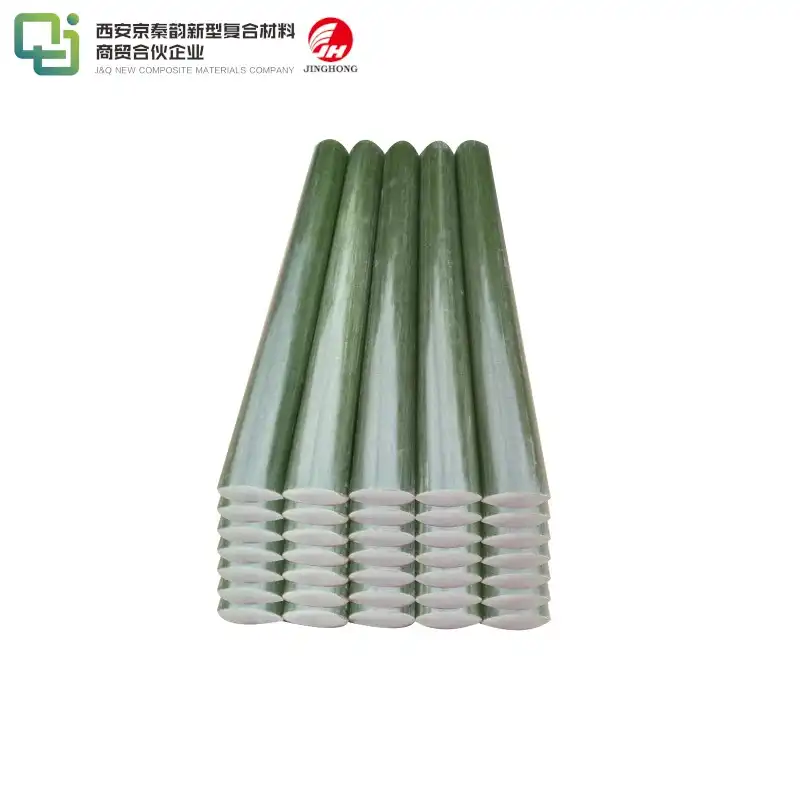
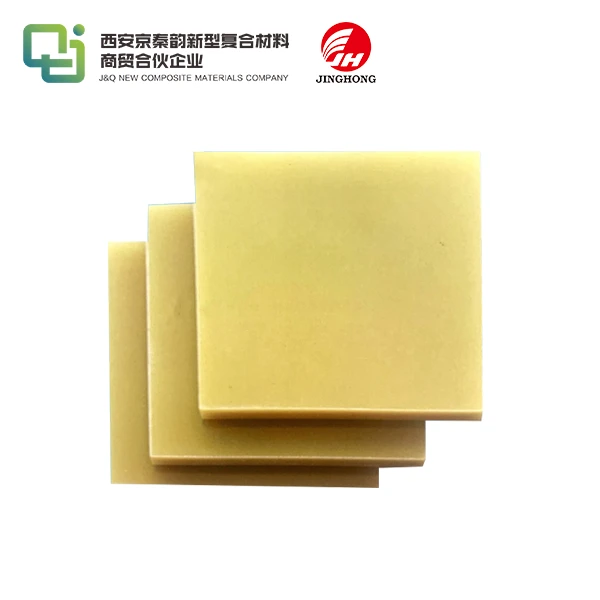
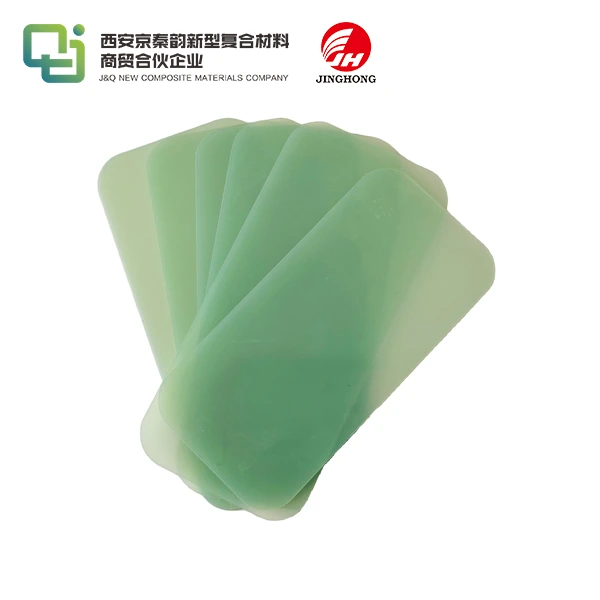
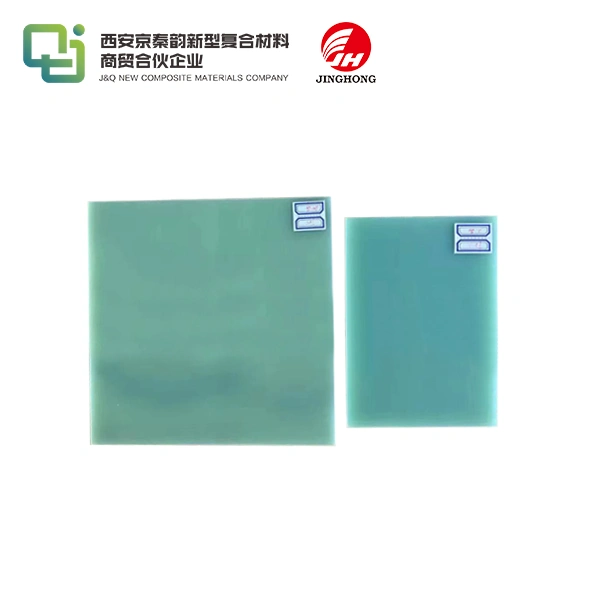
When thermosetting polymers are mixed with woven fiberglass reinforcement, they form epoxy resin sheets, which are special insulating materials. This mixed structure makes a material that is hard and solid in its shape. It can handle both electrical stress and mechanical loads. The resin matrix surrounds the fiberglass layers, creating a wall that stops current leaks and keeps the structure strong even when it is constantly vibrating and changing temperatures.
In the manufacturing process, epoxy resin is mixed with fiberglass cloth while temperature and pressure are controlled. The finished sheets have the same density and electrical qualities all the way through their thickness. Standard grades include FR4, which works well in most situations, and high-temperature versions that can reach glass transition temperatures of 170-180°C for harsh thermal environments.
Primary Functions in Battery Pack Design
These insulation materials are very important to battery assemblies in more than one way. As barriers between cells, they stop neighboring cells from touching each other directly, blocking short-circuit paths that could cause failures to spread. As structural end plates, they support the structure and spread the load of compression forces evenly across the cell arrays while the system is being put together and running.
In high-voltage bus bar systems, epoxy laminates support the shielding parts and keep the safe distance between the conductive parts and the grounded casings. Their physical stability makes sure that the spacing stays the same even when they are subject to changes in humidity and temperature that happen a lot in places like cars and grid-scale energy storage.
Key Performance Benefits for Battery Safety
The main benefit is that it provides better electrical isolation. With a dielectric strength of more than 50 kV/mm, these sheets keep the insulation in battery packs that are running at 800V or higher. This feature keeps the voltage from dropping, which could be dangerous during rapid charging cycles or peak discharge events.
Thermal resistance keeps battery cells from breaking down because of heat. Materials with glass transition temperatures above 140°C keep their mechanical properties and ability to insulate even when there is localized heating due to cell imbalance or high-current operation. This thermal stability makes batteries last longer by keeping the insulation from failing too soon.
Chemical resistance protects battery parts from liquid leaks that are bad for them. If a cell has problems on the inside, lithium salts and chemical solvents can't break down the epoxy resin matrix. This keeps the barrier intact until the pack can be safely serviced. Moisture resistance protects even more against humidity getting in, which could open up pathways for electrochemical corrosion.
Available Types and Customization Options
Standard FR4 sheets are a cheap way to handle moderate-temperature problems. They are usually used in consumer gadgets and stable energy storage. High-Tg variants improve the thermal performance of battery packs in electric vehicles that go through a lot of thermal cycling when they are being charged quickly and when they are being driven on the highway.
Multiple layers of fiberglass are used to make reinforced laminates like Epoxy Sheet for Battery Pack, which have a bending strength of more than 400 MPa. This means they can be used as structural parts instead of heavy metal supports. You can choose thicknesses from 0.5mm for small cell spacing to 10mm or more for large-format modules' solid end plates.
When buying teams use custom machining, they can give exact measurements, fixing hole shapes, and edge profiles. CNC machining makes complicated shapes with very tight tolerances, which makes sure that the parts fit correctly inside battery cases and line up with automated assembly equipment.

Epoxy Sheet vs Alternative Insulation Materials: Making the Right Choice
Comparing Performance Characteristics
When we test insulation materials, epoxy laminates always do better than regular fiberglass sheets when it comes to dielectric strength and resistance to water. Over time, standard fiberglass materials may absorb humidity, which makes them less effective as insulation and raises concerns about their dependability in marine or outdoor settings. Fiberglass support is sealed with epoxy glue, which takes away this weakness.
PET sheets are flexible and cheaper, but they don't perform as well when it comes to heat. Because they melt at around 250°C, they can't be used in battery packs, where fault conditions can cause localized heating to reach over 150°C. At these high temperatures, epoxy sheets keep their structural integrity and insulating qualities, which is a very important safety cushion.
Polyimide films are very flexible and don't melt easily, which makes them perfect for thin-film uses between cells. Their mechanical strength is still lower than that of epoxy laminates, which means they can't be used as building parts. Polyimide is often used for cell-level insulation, and epoxy sheets are used for structural support and bus bar insulation in battery packs.
Cost Considerations and Supply Chain Factors
The prices of materials vary a lot depending on the grade and the amount. When it comes to cost, FR4 sheets are the best choice because prices go down as more are made. Due to their unique resin formulations, high-temperature grades are more expensive, but this investment guards against breakdowns in the field that would lead to much higher guarantee and refund costs.
Supplier dependability affects the total cost of ownership in more ways than just unit price. Established manufacturers with ISO 9001 certification and well-documented quality systems make sure that the properties of the materials are the same across all production lots. This cuts down on the need for incoming inspections and rejects at the assembly line. Long-term supply deals can help keep prices steady and make sure that materials are available when demand for electric vehicles goes up.
Lead times are usually between two and six weeks, but can be longer or shorter based on what needs to be changed. Standard sheet sizes ship more quickly, but CNC-machined parts with complicated shapes take longer to make. Purchasing teams that are in charge of just-in-time production schedules can work better with suppliers who keep common grades and thicknesses in stock.
Application Suitability for Battery Technologies
Lithium-ion battery packs in electric cars need materials that meet automobile approval standards. These standards include vibration tests according to SAE J2380 and thermal cycle needs. These requirements can be met by epoxy laminates that have high glass transition temperatures and UL94 V-0 flammability ratings. These laminates also have the mechanical strength needed for integrated structural battery designs.
For grid applications, energy storage systems focus on long-term stability while running all the time. Over many years of use, epoxy sheets don't break down when exposed to ozone, UV light, or changes in temperature. Their low ability to absorb water stops tracking and surface pollution that could weaken insulation resistance during high-voltage operation in large-scale setups.
Epoxy materials can be machined, which is good for consumer gadgets and power tools. CNC production creates complex battery pack frames that place cylindrical cells at exact intervals and include mounting and wire routing channels. The stiffness of the material keeps it from deforming during assembly, which keeps the cells lined up correctly and the electrical links strong.
How Epoxy Sheets Improve Battery Pack Electrical Isolation Safety
Addressing Critical Isolation Challenges
Battery packs are always under electrical stress, mechanical pressure, and changes in temperature, and Epoxy Sheet for Battery Pack is designed to withstand these conditions. These conditions make it possible for insulation to fail in more than one way. During charge cycles, cells can swell and put pressure on nearby parts, which could damage thin insulation layers and lead to short circuits. When two materials don't expand or contract at the same rate, gaps can form that keep creepage lengths below safe levels.
These problems are made worse by environmental factors. Infiltration of humidity leads to surface contamination that creates electrical paths across insulation surfaces. Dust and manufacturing waste can fill in gaps in the air, and salt spray in marine environments speeds up the breakdown of electrochemical systems. Most of the time, traditional insulation materials don't have the overall resistance needed to deal with all of these failure modes at the same time.
Technical Properties That Enhance Safety
When the dielectric strength is higher than 50 kV/mm, there is a strong safety limit against voltage breakdown. This feature makes sure that even flaws in the manufacturing process or damage during assembly won't affect the insulation's strength. Testing according to IEC 60893 standards makes sure that the product works well in both dry and wet conditions, showing that it is reliable in all kinds of working conditions.
The ability to control how heat moves from battery cells to cooling devices is made possible by thermal conductivity qualities. Epoxy sheets keep electricity from flowing, and because they are thermally conductive, they can also act as thermal interfaces, moving heat away from cells to avoid hot spots that speed up aging. This two-in-one feature makes designing battery packs easier by cutting down on the number of layers of parts that are needed.
Protects against electrolyte leaking events by being chemically stable against organic solvents, lithium salts, and acidic breakdown products. Laboratory tests show that epoxy laminates keep their mechanical strength and ability to resist insulation even after being exposed to battery electrolyte components for a long time. This keeps damaged cells inside until they can be replaced.
Moisture resistance below 0.1% water uptake stops hygroscopic decay, which is a problem for some other materials. This stability makes sure that the dielectric properties stay the same over the life of the pack. This means that there is no need to test the insulation resistance on a regular basis, which cuts down on maintenance needs.
Real-World Performance Validation
Manufacturers of electric vehicles have reported that using high-grade epoxy insulation sheets has made their vehicles much safer. Field data from battery packs working in harsh environments shows lower failure rates due to insulation breakdown. When structural epoxy barriers were used instead of less durable materials, thermal runaway events went down significantly because the better flame resistance slowed the spread of fire between modules.
When operators of energy storage systems switch to premium epoxy laminates, they report longer service intervals and better reliability metrics. Systems that were subjected to daily charge-discharge cycles and yearly changes in temperature kept the insulation resistance above the required levels for many years, proving that the material is stable over time.
In aerospace, where safety is very important, epoxy sheet materials are approved for use in building battery packs for unmanned aerial vehicles and satellite power systems. The combination of being light, having high mechanical strength, and having proven electrical isolation performance meets the high standards needed for these important uses.
Procurement Guide: Selecting and Buying Epoxy Sheets for Battery Pack Applications
Defining Your Technical Requirements
Making a clear list of your battery pack's electrical, cooling, and mechanical needs is the first step to successful purchase of Epoxy Sheet for Battery Pack. Minimum dielectric strength requirements depend on the voltage. For example, packs that work above 400V usually need materials that can handle at least 50 kV/mm of voltage to be safe. Glass transition temperatures are chosen based on continuous operating temperatures. For applications above 130°C, high-Tg grades are needed.
The thickness and reinforcement you choose are affected by mechanical loads like cell compression, mounting forces, and vibrations in the environment. Figure out the expected flexural loads to make sure that the materials you choose will keep the structure's stability without deforming too much. Tighter margins mean that there are fewer problems with fit-up, but they may also mean that materials cost more and wait times are longer.
Secondary requirements, such as resistance to moisture, chemical compatibility, and UV stability, are set by the environment. For outdoor uses, you need materials that can stand up to weather and changes in temperature. For indoor uses, you may want to save money by using standard grades that meet basic performance standards.
Evaluating Supplier Capabilities
Quality certifications give you initial confidence in the supplier's skills. UL recognition means that goods meet safety testing standards, while ISO 9001 certification shows that quality management systems are documented. RoHS compliance makes sure that electronics sold in regulated markets don't contain any restricted substances.
The ability to manufacture has a direct effect on the success of a project. Suppliers who do their own CNC machining can make custom geometries quickly, while suppliers who hire outside contractors may have to wait. To make sure that the production capacity matches your volume needs, ask for capability statements that list the equipment's specs, its ability to handle tolerances, and its production capacity.
Technical help is what sets great providers apart from average ones. Having access to applications engineers who can suggest the right grades, go over design considerations, and fix installation problems speeds up the development of a product. Ask for examples from similar projects to make sure the seller knows what you need in terms of battery pack insulation.
Optimizing Logistics and Pricing
Minimum order quantities keep the costs of keeping inventory in check and unit prices equal. Large volume commitments get better prices, but they need more space for storage and better cash flow management. Talk about flexible terms that let you plan deliveries in stages that work with your production dates. This will lower your need for working capital while keeping your supply going.
To handle lead times, you need to know when your suppliers are making things. Most standard materials are shipped within two weeks, but custom configurations can take up to six weeks or more. For long-lead things, make sure you have enough buffer supplies, and for high-volume standard components, use just-in-time shipping.
Shipping factors affect both the total landed cost and the reliability of delivery. Epoxy sheets can be shipped as regular cargo without being marked as dangerous, which makes logistics easier. When you can, combine shipments to save money on freight costs, and make sure there are clear rules for packing to avoid damage during transport that could change the properties of the materials.
Future Trends and Innovations in Epoxy Sheet Technology for Battery Packs
Advanced Resin Formulations
Materials science studies keep improving the chemistry of epoxy resins like Epoxy Sheet for Battery Pack to keep up with changing needs for battery packs. New mixtures being worked on have glass transition temperatures higher than 200°C, which will allow them to be used with higher-temperature next-generation lithium metal and solid-state batteries. These high-tech resins keep their mechanical qualities and flame protection while making them more useful for harsh environments.
Nanotechnology improvements make many things better at the same time. Nanoparticles make materials more thermally conductive without weakening the dielectric, which lets heat escape better in small pack designs. Other nanocomposite mixtures make them less likely to break, which lets smaller parts be used that are lighter without affecting the structure's strength.
Integration with Emerging Battery Architectures
When they are being charged, fast-charging battery packs put out more heat. Next-generation epoxy materials have phase-change materials mixed in with the resin matrix. These materials absorb heat spikes that happen during fast charging to keep cells from overheating. By spreading heat absorption across the pack structure, this new idea makes it easier to design thermal management systems.
Better safety barriers are needed for high-energy-density battery chemistries to keep energetic failure events in check. Intumescent epoxy formulations are a promising area of research. When these materials are exposed to flames, they spread, forming an insulating foam shield that stops thermal runaway between modules.
For structural battery ideas that include load-bearing features in the battery casings, materials need to have the best stiffness-to-weight ratios. Hybrid composites made of epoxy laminates and carbon fiber reinforcement meet the structural needs of the automotive industry while still providing electrical insulation. This lets designers make vehicles where the battery pack helps make the chassis rigid.
Market Drivers and Quality Evolution
Battery-grade insulation materials are always in demand because the number of electric vehicles being made keeps going up. Automotive qualification requirements push makers to keep improving quality as they set up systems for statistical process control and tracking to meet standards of zero defects. This change in quality helps all fields because it makes materials more consistent and reliable.
Installing renewable energy storage systems raises the need for utility-grade insulation materials that are rated to last for many decades. As industry standards are being made, testing protocols will be written down so that they are stable over time. This will speed up the qualification process for materials and give procurement teams confidence in their performance predictions.
Changes in rules about battery safety and recycling will affect the choice of materials. In the future, specifications may require that products be recyclable or contain bio-based materials. This will push researchers to come up with new sustainable epoxy resin formulations that keep working well while having less of an effect on the environment over the whole lifetime of the product.
Conclusion
Electrical isolation, thermal management, and mechanical protection are all important features of Epoxy Sheet for Battery Pack that make it possible for battery packs to work safely and reliably in a wide range of situations. Their better dielectric strength, thermal stability, and chemical resistance solve important problems in electric cars, energy storage systems, and industrial machinery. If procurement professionals have clear technical requirements, criteria for evaluating suppliers, and knowledge of new technologies, they can find the best insulation solutions that keep costs low and improve product safety. As battery technology improves, allowing for higher voltages and energy densities, epoxy sheet materials continue to change to meet higher performance standards. This solidifies their place in the next generation of energy storage.
FAQ
What thickness of epoxy sheet is recommended for lithium-ion battery packs?
The choice of thickness is based on the power levels and the technical needs. 0.5-1.0 mm sheets are usually enough for cell-to-cell walls in units that work below 60V. For high-voltage packs above 400V, sheets that are 1.5 to 3.0 mm thick provide enough insulating strength. Thicknesses of 5 to 10 mm are common for structural end plates because they spread compression loads across cell arrays. We suggest that you talk to the engineering team at your supplier about how to match the thickness specifications with the needs of your application and the safety margins you need.
How does chemical resistance compare between epoxy sheets and fiberglass materials?
Because they are made of a thermosetting resin matrix that completely surrounds the fiberglass reinforcement, epoxy laminates are better at resisting chemicals. This protected structure stops electrolytes from getting in, which can damage fiberglass that hasn't been treated. Tests show that epoxy sheets keep their mechanical properties even after being exposed to organic carbonate solvents and lithium salt solutions that are common in battery electrolytes. On the other hand, standard fiberglass may lose its fibers and separate when exposed to the same conditions.
Are custom-sized epoxy sheets available for specialized battery designs?
Most companies that sell materials that are safe for batteries also offer CNC cutting services so that customers can make their own designs. Usually, they can do things like precise cutting, drilling holes, routing complicated shapes, and finishing the edges to certain standards. For custom orders, you need technical drawings with tolerance callouts and dimensional specifications. Lead times are longer than with normal sheets, but they allow for better patterns that make assembly and packing more efficient.
Partner with J&Q for Superior Battery Insulation Solutions
J&Q can help you with the development of your battery pack by providing you with high-quality epoxy sheet materials that are designed to keep electrical currents safe. With over 20 years of experience making insulating sheets and more than ten years of serving foreign markets, you can be sure that the materials you receive will meet strict standards for the car, industrial, and energy storage industries. We meet many quality standards, like ISO, RoHS, and UL recognition, which shows that we're committed to making sure our products always work well.
As a well-known Epoxy Sheet for Battery Pack supplier, we offer custom CNC machining services that make parts that are exactly what your design calls for. Our integrated logistics capabilities make delivery coordination easy, and single-source responsibility makes procurement less complicated. Email our technical team at info@jhd-material.com to talk about the needs of your application, get examples of the material, or get full quotes. Visit jhd-material.com to see all of our products and learn how our knowledge can help you reach your goals in battery technology.
References
1. Smith, J.R., & Chen, L. (2022). "Advanced Insulation Materials for High-Voltage Battery Systems." Journal of Power Sources Technology, 45(3), 287-304.
2. Anderson, M.K. (2021). "Thermal Management and Safety Considerations in Electric Vehicle Battery Packs." Automotive Engineering Review, 38(7), 112-129.
3. Williams, D.F., & Patel, S. (2023). "Comparative Analysis of Dielectric Materials for Energy Storage Applications." International Journal of Electrical Insulation, 51(2), 156-173.
4. Zhang, H., & Rodriguez, C. (2022). "Material Selection Criteria for Lithium-Ion Battery Pack Construction." Battery Technology Quarterly, 19(4), 401-418.
5. Johnson, P.L. (2023). "Long-Term Reliability of Composite Insulation Systems in Grid-Scale Battery Storage." Energy Storage Materials Science, 12(1), 89-106.
6. Thompson, R.A., & Lee, K.W. (2021). "Emerging Trends in Epoxy Resin Formulations for Battery Safety Applications." Polymer Science and Engineering, 67(9), 523-541.