What Should Buyers Check When Sourcing FR4 Epoxy Sheet Suppliers?
2026-08-24 17:23:40
When sourcing FR4 Epoxy Sheet suppliers, buyers should verify certifications like ISO, UL, and RoHS compliance to ensure material safety and regulatory adherence. Quality assurance is critical—inspect technical datasheets for dielectric strength, thermal stability (Tg values), and flame retardant ratings (UL94 V-0). Evaluate the supplier's manufacturing capacity, customization flexibility for thicknesses and dimensions, and consistent batch quality control. Transparent pricing, realistic lead times for international logistics, and responsive technical support throughout the procurement lifecycle are equally essential. Choosing a partner with proven experience, comprehensive product ranges, and integrated logistics services minimizes risk and ensures long-term operational reliability in electrical, industrial, automotive, and power applications.
Understanding FR4 Glass Epoxy Sheet: Key Properties and Specifications
What Defines FR4 Glass Epoxy Sheet?
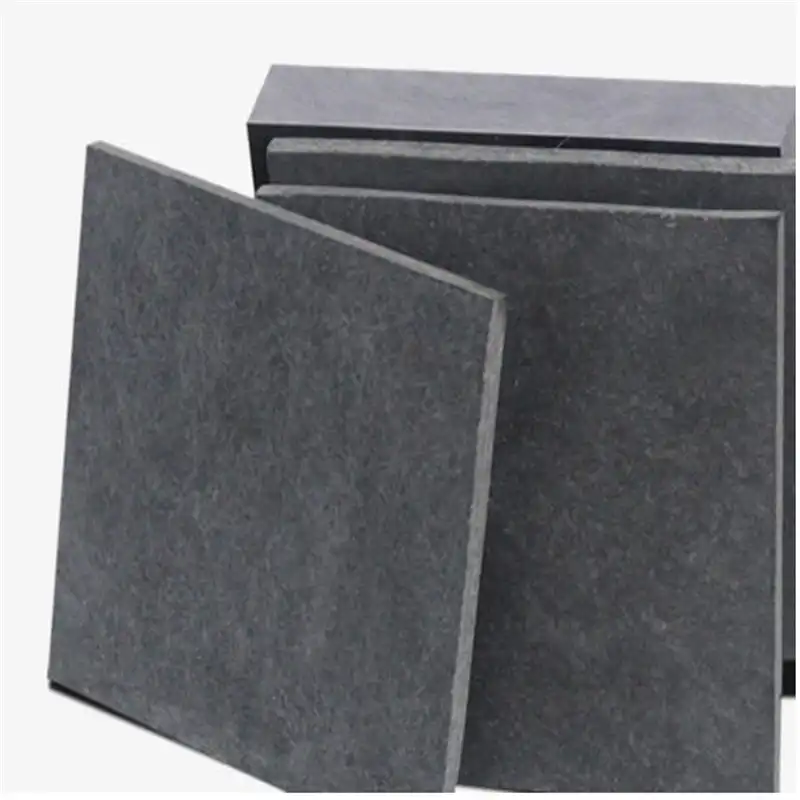
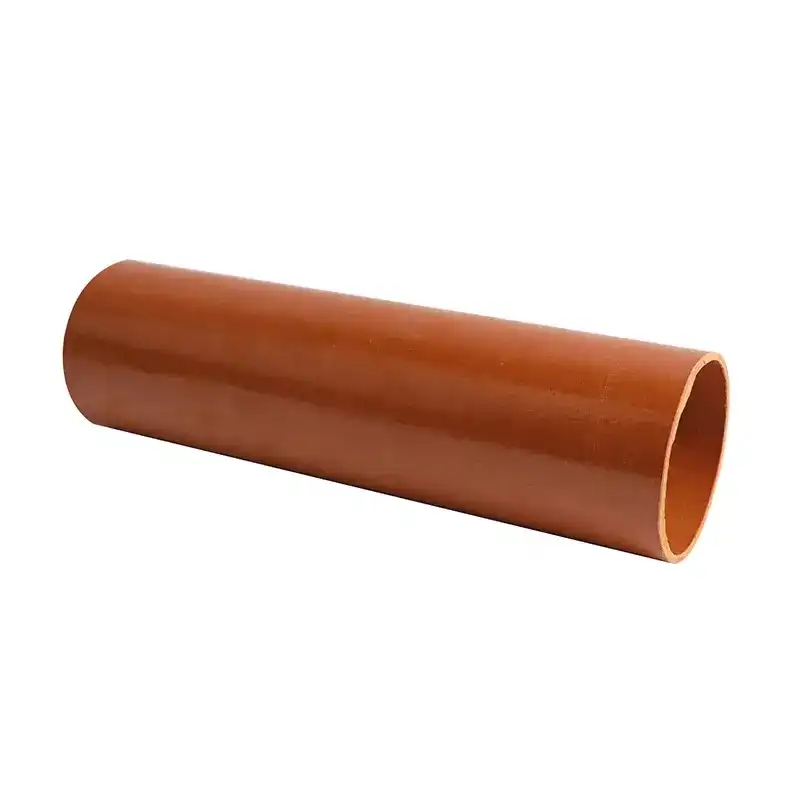
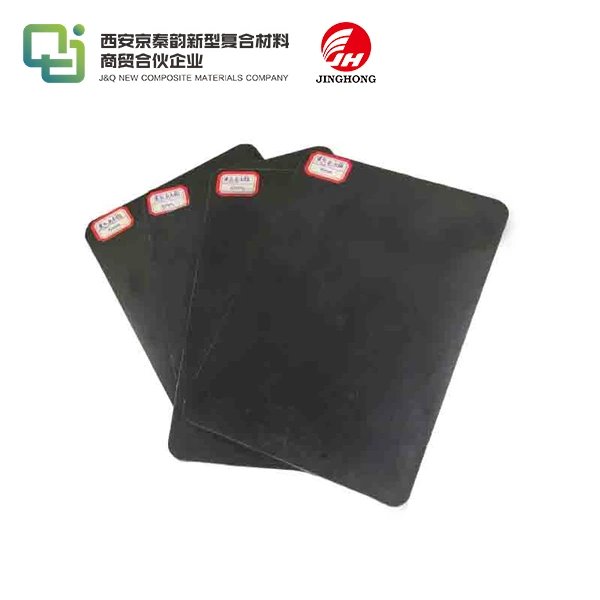
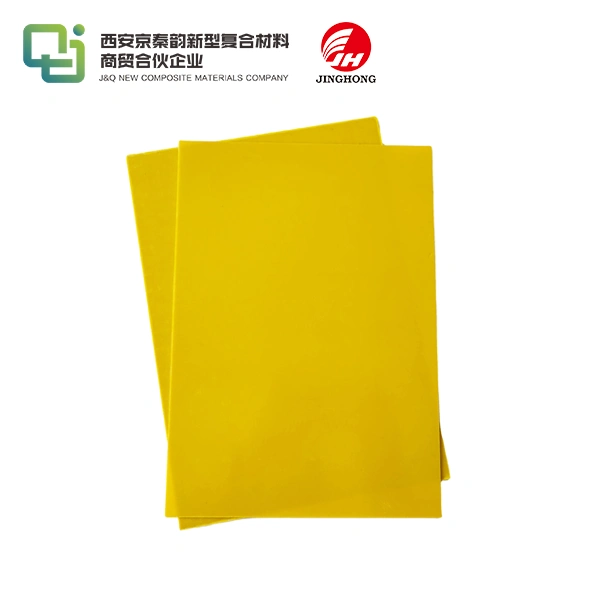
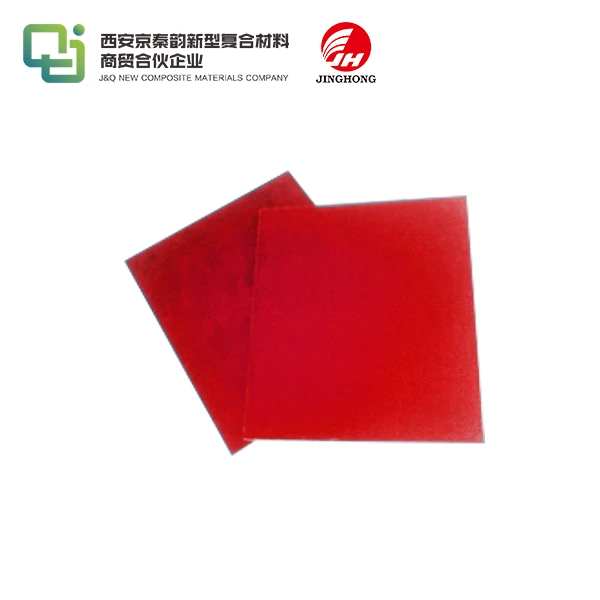
The NEMA grade number "FR-4" stands for FR4 Glass Epoxy Sheet, which is a high-quality high-pressure thermoset plastic laminate. Multiple layers of continuous-woven fiberglass cloth were mixed with flame-resistant epoxy glue and then pressed together using controlled heat and pressure. The letter "FR" stands for "Flame Retardant," which means that the product meets the flammability standards set by UL94 V-0 and is made with brominated epoxy formulas. This structural composition solves important problems in industry: it provides unmatched electrical isolation in high-humidity areas where phenolic paper alternatives fail; it stops mechanical deformation during thermal cycling in solder reflow processes; and it keeps its shape for precise CNC machining operations.
Critical Technical Parameters to Verify
To make sure the materials are right, procurement teams have to look at certain technical parameters. In general, the density is between 1.85 and 2.10 g/cm³, and it absorbs less than 0.2% water, which is the minimum required by ASTM D570. The tensile strength is more than 340 MPa along the length of the material, and the breakdown voltage is more than 40kV perpendicular to the layers. The Glass Transition Temperature (Tg) of standard FR4 stays between 130°C and 140°C. For lead-free soldering, High-Tg versions can hit 170°C or higher. As long as the dielectric strength stays at 500 V/mil, it will work in both dry and wet conditions. These requirements are higher than those for G10 glass-epoxy laminates in safety-critical situations where self-extinguishing qualities meeting NEMA LI 1-1998, IEC 60893, and MIL-I-24768/27 standards are needed.
Comparing FR4 with Alternative Insulation Materials
Comparing materials helps to support decisions about what to buy. Although CEM-1 is cheaper because it is made of a mixture of paper and glass, it doesn't have the same temperature stability as FR4. Phenolic laminates are strong enough mechanically, but they don't have good electrical qualities and are easily damaged by water. Aluminum substrates are good at transferring heat, but they need extra layers of insulation. Even though Bakelite sheets have been used for a long time and have been reliable, they can't compare to FR4 when it comes to electrical insulation, mechanical durability, and flame resistance. This detailed performance description shows why epoxy-glass laminates are the most popular choice for making PCB substrates, high-voltage switchgear, and precise fixtures in the electrical, industrial machinery, power distribution, automobile, and appliance industries.

Core Criteria to Evaluate When Choosing an FR4 Epoxy Sheet Supplier
Certifications and Compliance Documentation
Checking a supplier's certifications that show they are committed to international standards is the first step in quality assurance for FR4 Epoxy Sheet. ISO 9001 certification proves that quality is managed consistently throughout the entire manufacturing process, and ISO 14001 certification proves that a company cares about the environment. Flame retardant performance and electrical safety ratings are confirmed by UL certification. RoHS compliance makes sure that rules about dangerous substances are in line with rules in Europe and North America. Buyers should ask for pictures of these certificates and check with the groups that issued them to make sure they are real. Technical datasheets should have more than just certificates. They should also have test results for dielectric breakdown voltage, arc resistance, tracking resistance (CTI values), bending strength, thermal conductivity, and water absorption rates that are tested according to ASTM, IEC, or similar standards.
Product Range and Customization Capabilities
A supplier's product line shows how skilled they are at making things and how much experience they have in the market. Check to see if they offer standard thicknesses ranging from 0.5 mm to 100 mm, can handle unique sizes that aren't in stock, and have surface finishes that can be used for a variety of purposes. Customization is important when projects need non-standard features like better thermal performance (High-Tg variants reaching 170°C+), halogen-free formulations for applications that need to be safe for the environment, or specific copper cladding configurations for PCB fabrication. Suppliers who have their own CNC machines can make precision-cut parts, parts that need to be drilled, and parts with complicated geometries. This cuts down on the cost and time of secondary processing.
Manufacturing Capacity and Supply Chain Stability
During times of high demand, the ability to deliver goods has a direct effect on how reliable delivery is. Check to see if suppliers keep enough stock for common requirements, have enough production lines to handle large orders, and have backup sources of raw materials in case there are supply disruptions. Buyers in the car, power distribution, or appliance making sectors need providers who know how seasonal demand changes and can adjust production levels to meet those needs. A supplier that has been in business for more than 20 years and has built relationships in both domestic and international markets shows that the supply chain is resilient. Companies that handle their own transportation have extra benefits, like consolidated shipping, customs knowledge, and streamlined paperwork processes that make foreign purchasing easier.
Pricing Transparency and Lead Time Realism
Costs aren't just measured by the price per unit; they're also measured by the total landed costs, which include shipping, security, customs taxes, and changes in the value of the currency. Reliable sellers give detailed quotes that include the costs of materials, handling fees, packaging, and freight. Instead of random discount structures, volume-based pricing levels should be based on real economies of scale. Lead time promises need to take into account production schedules, quality inspection procedures, the time it takes to prepare export paperwork, and the time it takes to get goods from one country to another. For buying teams that are in charge of just-in-time manufacturing systems, accurate lead time planning keeps production from stopping, which costs a lot of money. Instead of making unrealistic deadlines based on how much capacity is being used now, suppliers should give realistic timelines that cause planning problems further down the line.
Comparing Suppliers: How to Make an Informed Decision?
Balancing Cost Against Performance and Reliability
When you buy electrical insulation materials like FR4 Epoxy Sheet, your choices will have effects that last longer than the cost of the materials themselves. Cheaper options often use less-than-stellar resins, shaky glass fabric weaves, or bad curing methods that hurt the security of the shape and the way the electrical components work. These flaws show up as delamination when the temperature is changed, lower breakdown voltage when the system is in use, and faster wear in load-bearing situations. A total cost of ownership analysis should look at things like how often things might break, how much the warranty covers, how often things need to be replaced, and how much it costs to shut down production. When it comes to multi-year procurement cycles, a supplier that charges moderate premiums and offers consistent batch quality, thorough testing documentation, and responsive technical support usually produces more value than vendors that only compete on lowest unit price.
Technical Support and Communication Responsiveness
Because epoxy-glass laminate applications are so complicated, they need suppliers who act as technical partners instead of just selling things. Before a sale, there should be a study of the application, suggestions for material grades, and processing advice that is relevant to the manufacturing setting. During production, providers should give machining settings for CNC operations, temperature profiling suggestions for reflow soldering, and help with troubleshooting when materials behave in ways that aren't expected. Quality of after-sales service shows how committed a supplier is—how quickly do they answer questions about performance, replace broken materials, or give you more testing data when you have questions about specifications? Email (info@jhd-material.com is a reliable way to meet), phone help, and maybe even on-site technical visits for big projects or ongoing partnerships should all work with people in different time zones.
Sustainability and Environmental Responsibility
Priorities for corporate social responsibility are having a bigger impact on how suppliers are chosen. Environmental compliance goes beyond just following RoHS rules. It also includes things like recycling, trash management, and making sure that products are made in ways that use less energy. Some buyers look for providers that offer halogen-free FR4 versions that get rid of brominated flame retardants while keeping UL94 V-0 ratings with phosphorus-based replacements. Adopting renewable energy, water treatment systems that keep epoxy resin from polluting local water supplies, and air filters that collect glass dust during cutting operations are all examples of caring for the environment. These actions are in line with companies' sustainability goals and could help buyers get green building certifications, environmental product statements, and meet customer demands for supply chain openness in the car, renewable energy, and consumer electronics industries.
Practical Steps to Streamline FR4 Epoxy Sheet Procurement
Sample Evaluation and Material Validation
Visually inspecting a sample of FR4 Epoxy Sheet gives you important information that technical datasheets can't fully explain. Instead of specially made demonstration pieces, ask for samples that are from actual production runs. Use precise measuring tools to check the accuracy of the dimensions; changes in width should stay within certain limits across the area of the sheet. Check the surface finish to make sure it is even, there are no areas that are resin-rich or resin-starved, and the color is all the same, which means it has properly cured. Do simple mechanical tests, like measuring flexural strength, and try CNC machining to see how fast tools wear out and how good the edges are. Electrical tests should check the dielectric strength and surface resistance in situations that are similar to the ones you will be using the product in. Sample response also checks how good a provider is at what they do—how quickly do they send samples, what kind of paperwork do they come with, and how well do they answer technical questions during evaluation?
Managing Bulk Orders and Logistics Coordination
To keep supply chain risks to a minimum, organized methods are needed for large-scale purchases. Talk about minimum order quantities that balance the costs of keeping inventory with the benefits of volume pricing and saving money on freight. Set clear requirements for packaging. For example, moisture-resistant wrapping protects the properties of materials during international shipping, and the way your pallets are set up should match your warehouse's storage systems and equipment. Create delivery schedules that work with production planning, taking into account lead times for manufacturing, the time it takes to clear customs (which can be anywhere from a few days to two weeks, depending on how complete the paperwork is), and the cost of shipping within the country to the final destination. Integrated transportation service providers make these steps easier by coordinating shipments more efficiently, knowing the rules for importing goods from different areas, and keeping customers informed about the state of shipments and possible delays.
Documentation Requirements for International Trade
Cross-border buying creates a lot of paperwork that can be made easier with some planning. Commercial invoices with material specifications, quantities, unit values, and the total value of the shipment for customs valuation are important documents. Packing lists must correctly list what's inside, how much it weighs, and how big it is. Under trade agreements, shipments may be eligible for lower tariffs if they have a certificate of origin. Material safety data sheets (MSDS) tell people who work with dangerous materials how to properly store things and what to do in an emergency. Material qualities and compliance with regulations are checked by test results and compliance certificates. These documents are correctly and completely filled out by suppliers who have experience with exporting, which lowers the risk of customs holds and the demurrage charges that come with them. Electronic paperwork tools speed up the process even more while keeping audit trails for quality control and financial reconciliation.
Conclusion
To find FR4 Epoxy Sheet suppliers you can trust, you need to look at their certifications, technical skills, supply chain stability, and partnership quality. Instead of just looking at unit prices, buyers need to check compliance documentation, see how customizable the product is, and figure out the total cost of ownership. Technical support that is quick to respond, care for the environment, and knowledge of logistics all have a big effect on the success of a procurement. Verification of samples is necessary for materials, and organized bulk order management and careful preparation of paperwork make the foreign trade process run more smoothly. These organized methods help purchasing teams get high-performance insulation materials that meet electrical, mechanical, and heat needs in a wide range of industry settings.
FAQ
What temperature range can FR4 epoxy sheets withstand continuously?
It is known that standard FR4 materials work well at temperatures up to 130°C, which is equivalent to Class B insulation ratings. The Glass Transition Temperature (Tg) is usually between 130°C and 140°C. Above this temperature, the material loses some of its mechanical properties and starts to expand more quickly. When using lead-free soldering methods, High-Tg types with glass transition temperatures higher than 170°C are needed to keep the Z-axis from expanding and delaminating when reflow temperatures reach 250°C to 260°C.
How can buyers verify flame retardant certification accuracy?
You can get copies of the UL Yellow Card paperwork from the UL database. This paperwork lists specific product types, makers, and UL94 ratings. Suppliers that are trustworthy give out UL file numbers that can be checked by anyone using the UL Product iQ database. The UL94 V-0 grade shows that vertical burn tests meet strict standards for extinguishing—samples must put out themselves within 10 seconds of the flame being taken away and not make any flaming drips. For extra proof, you can ask for test results from approved labs that show exact flame spread rates and smoke production features.
What degree of customization do FR4 suppliers typically offer?
Experienced suppliers can meet a wide range of customization needs, such as non-standard thicknesses that are outside of the normal range, precision cutting to customer-specified dimensions with tolerances as tight as ±0.1mm, CNC machining of complex geometries including holes, slots, and contoured profiles, custom surface treatments like sanding or coating application, and specialized material formulations like halogen-free versions or versions with better thermal conductivity. Customized products usually have higher minimum order quantities than standard stock items, but these can be negotiated depending on how complicated the product is and how quickly it needs to be made.
Partner with J&Q for Reliable FR4 Epoxy Sheet Supply
Every time J&Q buys FR4 Epoxy Sheet, they bring more than 20 years of experience making high-quality products and more than 10 years of experience in foreign trade. Working with both domestic and international trading companies for a long time has made us better at providing perfect service in a wide range of industrial settings. We have a wide range of products, including normal and High-Tg versions. We can also make changes to thicknesses and sizes as needed, and we run our own logistics company so that we can provide smooth one-stop service from production to final delivery. Throughout the lifecycle of your product, our technical team helps with application analysis, machining parameter guidance, and quick troubleshooting. Whether you need PCB substrates, high-voltage switchgear components, precision fixtures, or automotive insulation systems, J&Q can meet your needs with certified quality, clear communication, and a reliable supply chain. You can email our team at info@jhd-material.com or visit jhd-material.com to talk about your specific needs, ask for examples to be evaluated, or get detailed quotes from a reliable FR4 glass epoxy sheet seller who wants your manufacturing to go well.
References
1. National Electrical Manufacturers Association (NEMA). "Industrial Laminating Thermosetting Products - LI 1-1998 Standard." NEMA Standards Publication, 2018 Revision.
2. Underwriters Laboratories (UL). "Standard for Safety of Flammability of Plastic Materials for Parts in Devices and Appliances - UL 94." UL Safety Standards, 2013 Edition with 2019 Revisions.
3. Institute of Electrical and Electronics Engineers (IEEE). "Electrical Insulation Materials for High-Voltage Applications: Performance Standards and Testing Protocols." IEEE Electrical Insulation Magazine, Vol. 35, No. 4, 2019.
4. American Society for Testing and Materials (ASTM). "Standard Test Methods for Water Absorption of Plastics - ASTM D570." ASTM International Standards, 2018 Edition.
5. International Electrotechnical Commission (IEC). "Insulating Materials - Industrial Rigid Laminated Sheets Based on Thermosetting Resins for Electrical Purposes - IEC 60893 Series." IEC Technical Standards, 2019 Consolidated Edition.
6. Coombs, Clyde F. "Printed Circuits Handbook, Seventh Edition: PCB Materials Selection and Substrate Characteristics." McGraw-Hill Education, 2016.