
What Defines a High-Quality FR4 Epoxy Laminate Supplier?
2026-08-24 17:23:38
Identifying a high-quality supplier involves examining their adherence to international standards, consistent material performance, verifiable certifications like UL94 V-0 and RoHS compliance, transparent technical documentation, and proven expertise in delivering precision-machined FR4 Epoxy Laminate sheets that meet demanding thermal, dielectric, and mechanical specifications for critical industrial applications.
Understanding FR4 Epoxy Laminate and Its Properties
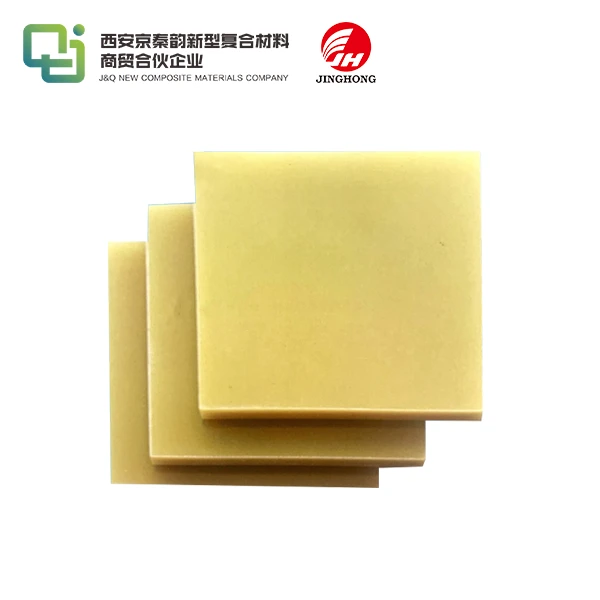
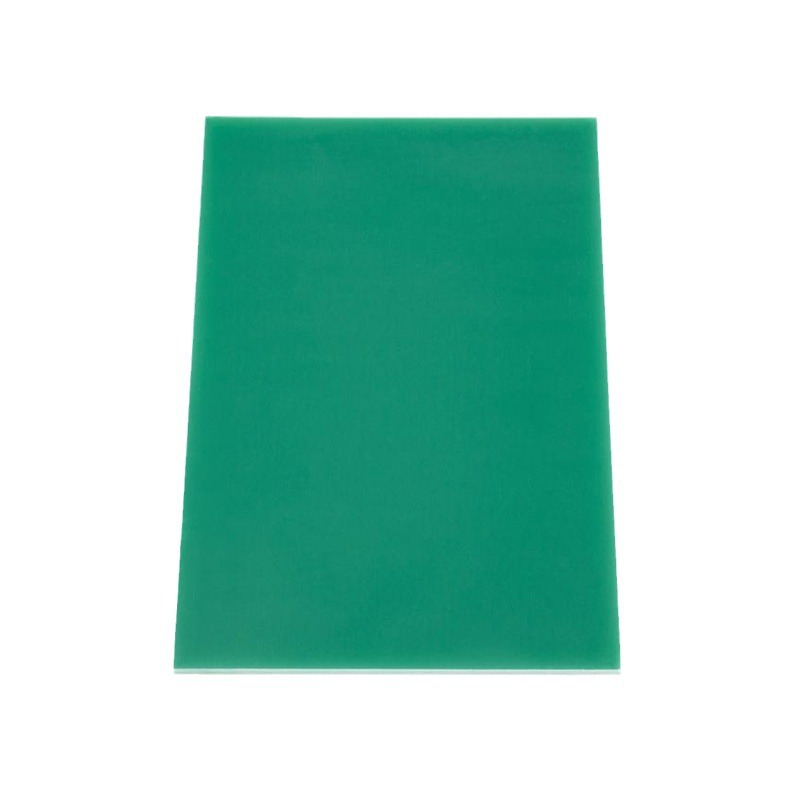
It is important for engineering managers and procurement specialists to know what glass-reinforced epoxy laminates are made of when they are looking at materials for making circuit boards or high-voltage switchgear. The material is made up of woven fiberglass cloth that is saturated with flame-retardant epoxy resin. This makes a composite substrate that is good at both electrical insulation and mechanical durability. This mix solves an ongoing problem in the electronics manufacturing industry: keeping the dimensions stable during high-temperature soldering processes while stopping electrical leakage in damp places.
Composition and Manufacturing Process
During the manufacturing process, controlled heat and pressure are used to bond several layers of E-glass fabric together with thermosetting epoxy resin. The "FR" label means that the flame-retardant properties come from brominated chemicals being mixed into the resin matrix. As the material cures, it becomes rigid and resistant to heat. The glass threads give it strength that isn't distributed evenly along the X and Y directions. To make sure that the dielectric properties are the same from batch to batch, suppliers must keep exact resin-to-glass ratios.
Core Material Properties
Before committing to big orders, procurement teams need to make sure that the features of the materials have been checked. How the substrate reacts to heat stress is based on the glass transition temperature, which can be anywhere from 130°C to 180°C depending on the grade. Standard grades are used for normal assembly processes, while High-Tg versions meet the needs of lead-free soldering up to 260°C during reflow.
Power distribution tools and transformer insulation walls must have a dielectric strength of at least 45 kV to work reliably. The material doesn't have any conductivity problems when it's humid, because it absorbs less than 0.10% of water. Mechanical spacers and load-bearing insulation parts in industrial machinery need flexural strengths above 400 MPa to keep their structure strong.
Comparing Material Variants
For different uses, different laminate formulations are needed. Standard grades are fine for consumer electronics, but battery barriers for cars need to be more thermally stable. Aluminum layers are added to metal core laminates to help them dissipate heat better in LED uses. FR5 is better at withstanding high temperatures, but it costs more. Choosing the right material means finding a mix between performance needs and budget limits. Alternatives made of paper-phenolic, such as FR2, are cheaper for low-frequency uses but don't fight moisture well enough for outdoor or harsh-environment installs.
Knowing these differences helps mechanical engineers and OEM sourcing managers match material requirements with operational needs. This keeps parts from breaking down too soon or needing to be redesigned, which can be expensive.

Key Criteria for Evaluating FR4 Epoxy Laminate Suppliers
Comparing prices is only one part of evaluating a supplier for FR4 Epoxy Laminate. Quality systems, clear paperwork, and operating dependability are also important. Electrical engineers who are in charge of transformer insulation and switchgear parts need to know that every sheet exactly matches the published specifications.
Certification and Compliance Standards
Suppliers with a good reputation keep their certifications up to date, which shows that they follow the IPC-4101 standards for laminate quality. UL certification makes sure that flame retardancy meets safety standards for motor parts and electrical enclosures. RoHS compliance gets rid of dangerous chemicals, which is especially important for device makers who want to sell their products in other countries. European chemical safety rules are important for global supply chains, and REACH registration covers them.
Test results that confirm the dielectric breakdown voltage, thermal conductivity readings, and flammability ratings should be part of the documentation. Traceability is needed for car tier-1 providers who have to follow strict quality rules, and sellers who provide batch-specific certificates of conformance make this possible.
Product Range and Customization Capabilities
Being able to get different thicknesses from the same supplier makes the buying process easier. Standard ranges usually cover 0.4mm to 3.0mm, which is enough for most PCB and insulation uses. Custom machining services, such as CNC turning, water jet cutting, and precise grinding, add value by sending parts that are already put together instead of raw sheets that need to be processed in-house.
Experienced sellers are different from commodity distributors because they offer technical help during the material selection process. When suppliers suggest specific grades based on application factors instead of just finishing orders, it's better for engineering teams. Mismatches between specifications that show up during production testing can be avoided with this consultative approach.
Supply Chain Reliability
Production schedules depend on knowing when materials will be available. Lower minimum order quantities (MOQs) make inventory management strategies more flexible for prototype runs and one-of-a-kind projects. When planning assembly line plans, lead time stability is important. This is especially true for device makers that use just-in-time inventory systems.
When compared to companies that only do business abroad, suppliers with local distribution places cut down on shipping times and freight costs. This geographical advantage comes in handy when you need to quickly replace material because of unexpected increases in production or changes to the design that require quick material replacement.
Market Comparison and Supplier Differentiators
There are both large, multinational companies that make laminate materials and specialized distributors that sell them. Each has its own benefits. Knowing about these differences helps procurement professionals get the most out of their portfolios of suppliers.
Performance and Technical Documentation
Well-known brands of materials have spent decades perfecting formulas that work best in certain situations. Their technical datasheets have a lot of information about their properties, like dielectric constants that change with temperature, moisture absorption curves, and how they age over time. With this much data, failure mode analysis and quality testing can be done in great detail.
Smaller providers of FR4 Epoxy Laminate usually get their materials from main producers. They add value by offering services like precision cutting, lamination, or having local inventory available. In their technical paperwork, they may list the original manufacturer's specs, but the main focus is on their processing and shipping options.
Reputation and Industry Standing
When safety-critical parts are used, or the working environment is tough, industry knowledge is important. Suppliers that work with aerospace manufacturers and power distribution companies usually have stricter quality management systems than suppliers that only work with consumer electronics. Testimonials and case studies from customers show how sellers deal with technology problems, rush orders, and quality issues that are bound to happen in any long-term business relationship.
Pricing Structures and Volume Considerations
The price of materials changes depending on the grade, thickness, and type of copper cladding chosen. Even though prices change based on the markets for raw materials, knowing how discounts work helps you plan your budget. Most of the time, volume agreements lead to better prices, but this has to be weighed against the costs of keeping goods and the risk of going out of style.
Strategies for negotiating should include payment terms, plans for consignment goods, and ways to change prices based on the cost of resin feedstock. Talking about prices in a clear way builds trust and keeps disagreements from happening when market conditions change. Teams that buy things a lot of the time know that the cheapest suppliers don't always provide the best quality materials or the fastest service. This can lead to production delays or more quality control requirements, which cost more than the initial price.
How to Choose the Right FR4 Epoxy Laminate Supplier for Your Business?
By matching the capabilities of the supplier to the needs of the application, compatibility problems can be avoided, and long-term supply stability is ensured. The technical and procurement teams can use this decision framework to help them make the right choice.
Assessing Application Requirements
People who make circuit boards need different kinds of materials than people who make transformers or car parts. Low-loss dielectric formulas are good for high-frequency telecommunications equipment, while heat resistance and mechanical strength are the most important factors for motor insulation components. By clearly stating these needs, such as the working temperature ranges, voltage stress levels, and environmental exposure, objective factors can be used to evaluate suppliers.
Screening Process and Verification
Asking for certificates and test reports on materials gives you the first screening information. Concerns about material traceability and quality confidence are raised when suppliers are unwilling to share full documentation. Samples let you test the material physically in real-world situations, which shows qualities that aren't fully shown in datasheets, like how it cuts, how well it bonds, and how stable its shape is after being heated and cooled many times.
When possible, audit trips to supplier sites show how well they can make things and how strict their quality control is. By watching how materials are inspected when they come in, how they are stored, and how they are handled, you can get a sense of how mature the operation is. These findings go along with reviewing paperwork and checking samples.
Building Strategic Partnerships
Having relationships with several qualified suppliers makes the supply chain more stable and keeps prices and service under pressure from competitors. A major seller takes care of regular orders, and backup sources are ready in case the main supplier's capacity overflows or runs out of material. During recent supply chain problems that affected the technology and industrial sectors, this approach came in very handy.
Long-term contracts with yearly commitments to volume, regular price reviews, and joint efforts to make things better are good for both sides. Buyers get priority allocation when the market is tight, and suppliers get predictable revenue that lets them plan investments in production. Regular reviews of the business find chances to improve specifications, lower costs, and provide better service.
Conclusion
Comparing datasheets and asking for quotes are only parts of choosing a provider for FR4 Epoxy Laminate. The best partnership has high-quality materials that can be checked, quick technical support, honest business practices, and reliable operations. Professionals in procurement have to look at certifications, production capabilities, and the stability of the supply chain while keeping cost expectations realistic. When suppliers show steady performance, thorough documents, and a real desire to solve application problems, they provide value that goes beyond transactional price considerations. This strategic way of choosing suppliers makes manufacturing operations stronger, lowers risk, and helps businesses grow in the automotive, electrical, and appliance industries.
FAQ
What thickness options are standard for glass-reinforced epoxy laminates?
The most common thicknesses are 0.4 mm for thin circuit boards and 3.0 mm for structural insulation parts. Thicknesses between these two extremes are also common, with 0.8 mm, 1.0 mm, 1.6 mm, and 2.0 mm being useful for different tasks. Custom widths can be made to fit specific needs, but wait times and minimum amounts may go up for non-standard requirements.
How does this material compare to FR5 alternatives?
FR5 has higher glass transition temperatures than standard grades, usually above 170°C. This means it can be used in places with very high or very low temperatures. Cost-benefit analysis is necessary because the performance improvement commands a higher price. Standard formulations provide good enough performance at lower costs for uses within normal temperature ranges.
Which certifications indicate reliable material quality?
The certification is based on the UL94 V-0 grade for flammability, compliance with the IPC-4101 standard, compliance with RoHS restrictions, and paperwork showing the material's manufacturer. If your suppliers give you batch-specific test reports and certificates of conformance, you can check the quality of your products throughout the whole production process. This helps with audit requirements and answering customer questions.
Partner with J&Q for Your Epoxy Laminate Material Needs
J&Q has been making and selling insulation materials for more than twenty years and has also been involved in foreign trade for ten years, helping companies in the electrical, industrial, and car sectors around the world. Our wide range of products includes precisely machined epoxy glass sheets that meet UL and RoHS standards. These sheets come in standard and custom thicknesses that are good for making PCBs, insulating high-voltage areas, and making mechanical parts. As a well-known company that supplies FR4 Epoxy Laminate, we keep strict quality control in line with IPC standards. We also offer low prices for large orders and quick response times for prototypes. Our integrated logistics network makes sure that deliveries happen on time, so you can meet your production deadlines. You can talk to our technical team at info@jhd-material.com about your specific material needs, ask for examples, or learn more about how our one-stop service model can speed up your buying process while still giving your projects the material consistency they need.
References
1. National Electrical Manufacturers Association. (2021). NEMA Standards Publication LI 1-1998: Industrial Laminating Thermosetting Products. NEMA, Rosslyn, Virginia.
2. Institute for Printed Circuits. (2019). IPC-4101E: Specification for Base Materials for Rigid and Multilayer Printed Boards. IPC International, Bannockburn, Illinois.
3. Underwriters Laboratories. (2020). UL 94: Standard for Safety of Flammability of Plastic Materials for Parts in Devices and Appliances. UL LLC, Northbrook, Illinois.
4. Coombs, Clyde F. (2018). Printed Circuits Handbook, Seventh Edition. McGraw-Hill Education, New York, pp. 156-189.
5. Harper, Charles A. (2017). Electronic Materials and Processes Handbook, Fourth Edition. McGraw-Hill Professional, New York, pp. 3.1-3.48.
6. Jawitz, Michael W. (2016). Materials for Rigid and Flexible Printed Wiring Boards. CRC Press, Boca Raton, Florida, pp. 67-112.

_1754967691873.webp)
_1764655473125.jpg)
