Why Do Manufacturers Use Phenolic Cotton Sheet for Insulated Parts?
2026-08-24 17:23:35
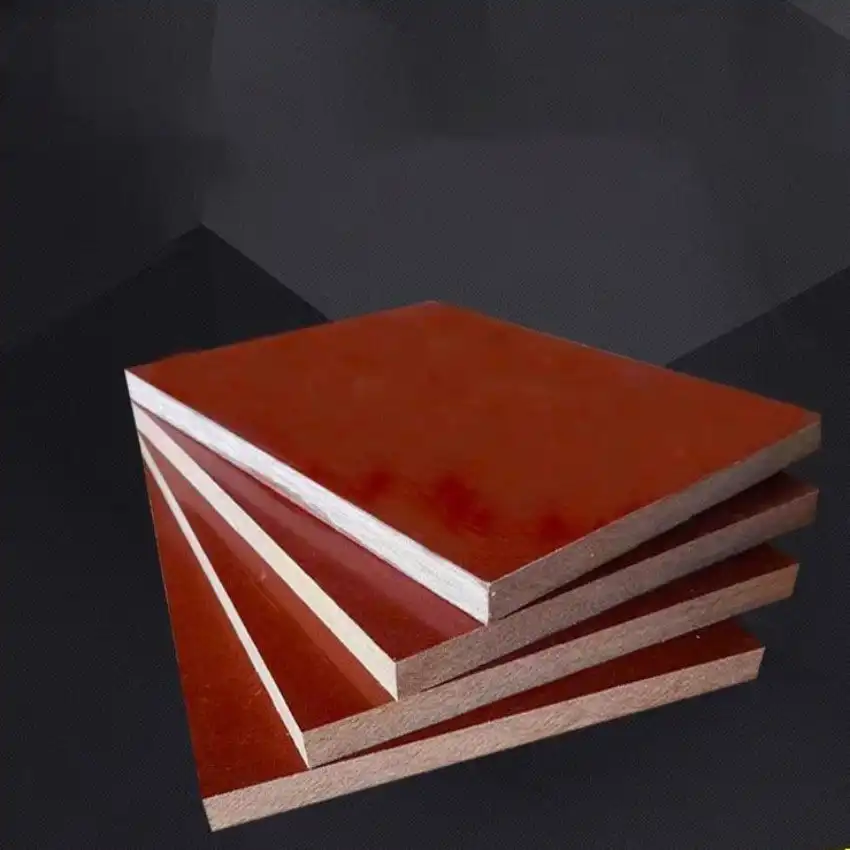
Manufacturers across electrical, industrial machinery, power, automotive, and appliance sectors consistently choose phenolic cotton sheets for insulated parts due to their exceptional combination of electrical insulation, mechanical strength, and thermal stability. This composite material—created by impregnating cotton fabric with phenolic resin and curing under controlled heat and pressure—delivers reliable performance in demanding environments where both electrical safety and structural integrity matter. The material's proven track record in reducing equipment failure, extending component lifespan, and meeting stringent safety certifications makes it a strategic choice for engineering managers and procurement teams seeking dependable insulation solutions.
Understanding Phenolic Cotton Sheet and Its Core Properties
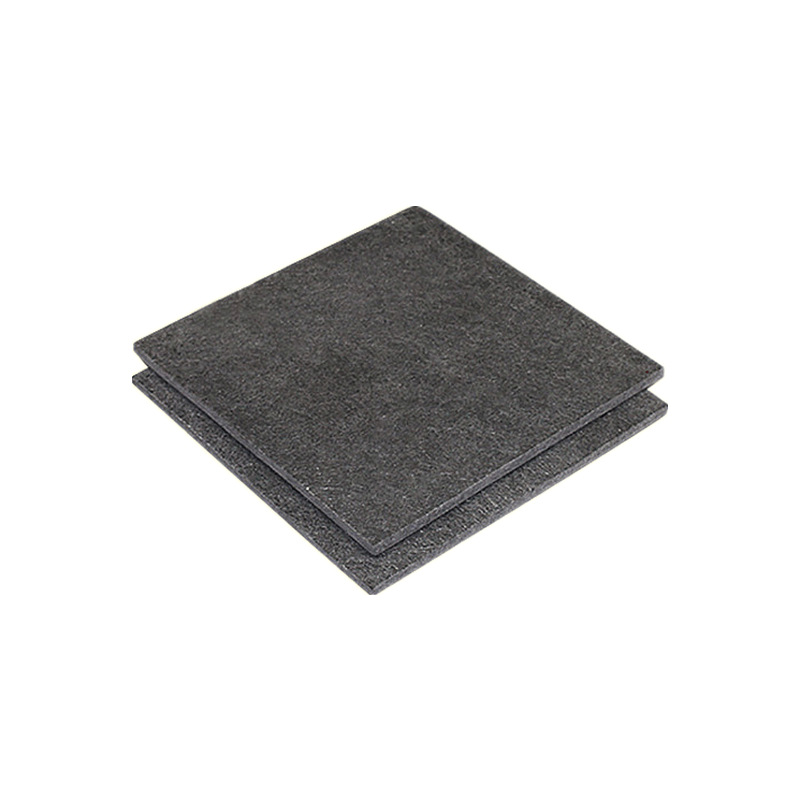
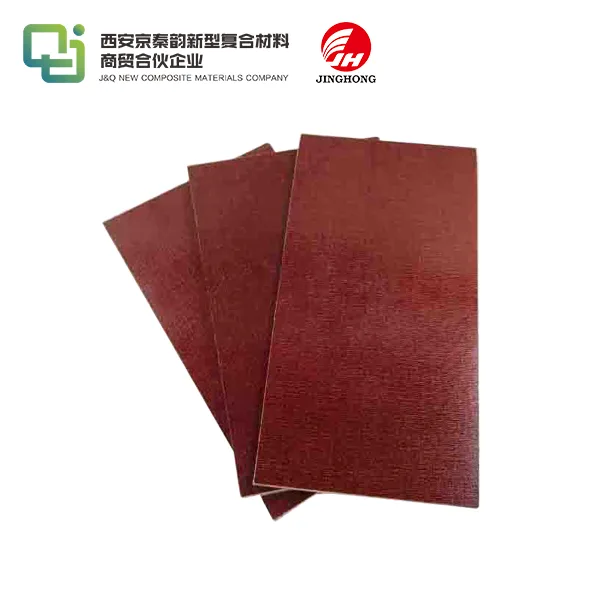
Phenolic Cotton Sheets are made using an exact method to make engineered composites. The layers of cotton cloth are filled with phenolic resin, and then they are cured at temperatures above 150°C and high pressure. With this method of production, sheets are made that have controlled densities, predictable mechanical properties, and consistent electrical properties.
Manufacturing Process and Material Composition
Choosing high-quality cotton cloth as the support layer is the first step in the production process. The binding matrix is phenolic resin, which is made from petrochemical raw materials. Before going into hot press tools, several layers of cotton are fully saturated with glue. The hardening process turns the liquid resin into a solid thermoset structure. This makes a strong laminate that doesn't bend and stays the same size even when the temperature changes.
Key Physical and Chemical Properties
When it's done, the material has a number of useful performance traits for industrial uses. The sheets are strong enough to support structures and keep the electricity from flowing through them. Moisture resistance stops water from entering, which could damage the electrical properties or cause changes in size. Chemical stability makes sure that the material can handle oils, acids, and other industrial products that are common in factories. Heat resistance lets things work in areas with high temperatures without losing a lot of their properties.
Comparison with Alternative Materials
When compared to pure phenolic paper laminates, fiberglass laminates, plywood, and plastic sheets, cotton-based phenolic sheets stand out. When compared to phenolic paper sheets, the cotton version is more resistant to mechanical impact, so it doesn't break easily when suddenly loaded. When compared to fiberglass composites, cotton laminates are easier to work with and cost less. Phenolic Cotton Sheets, on the other hand, provide consistent electrical insulation and resistance to moisture. This balanced performance profile explains why they are used so widely in many industry areas.

Why Phenolic Cotton Sheet Excels in Electrical Insulation Applications?
When making electrical equipment, it's always hard to find the right balance between safety standards and operating efficiency. Electrical problems must not happen in insulation materials, which must also be able to withstand mechanical stress and exposure to the environment. Polyphenolic laminates made from cotton can help with these problems in a number of ways.
Superior Dielectric Strength and Electrical Safety
The Phenolic Cotton Sheet has great dielectric strength, which means it doesn't break down electrically when high voltage gradients hit it. This feature is very important for building transformers, switchgear systems, and circuit breaker parts, where insulation failure could cause huge problems or safety risks. The cotton fabric support spreads the electrical stress out evenly, which stops weak spots from forming that could cause an arc to follow or a hole to form in the insulator.
Mechanical Stability in Heavy-Duty Applications
During normal operation, electrical parts often go through vibration, temperature cycling, and mechanical loading. Under these circumstances, Phenolic Cotton Sheets keep their structural integrity, allowing for the safe fitting of coil bundles, terminal blocks, and bus bars. The material's dimensional stability keeps screws from coming loose or important parts from being out of place. This makes power distribution systems and industrial control screens more reliable over time.
Precision Machining Capabilities
For custom electrical parts to be made, the materials must be easy to machine and not delaminate or fray along the edges. Standard tools can be used to cut, drill, and mill these laminates, which lets you make complex forms with tight limits. Because these parts can be machined, they can be made into specific insulating barriers, washers of different sizes, and spacers for different uses that meet exact engineering requirements. Making custom parts cuts down on assembly time and increases the design flexibility of equipment as a whole.
Fire Retardant Properties and Safety Compliance
Compared to many thermoplastic alternatives, phenolic resin naturally doesn't catch fire as easily, so it burns more slowly and makes less smoke. This natural fire resistance meets safety standards in electrical installations, especially in business and industrial buildings where fire rules require certain material performance. Following UL and ROHS rules gives engineering managers proof that the materials they choose meet established safety standards. This makes the approval process easier and lowers the risk of harm.
Procurement Considerations for Phenolic Cotton Sheets in Manufacturing
Finding industrial materials means finding a balance between cost, quality, and the dependability of the supply chain. When procurement managers look at phenolic laminates, it helps to know about the important business factors that affect the total cost of ownership and the ability to keep operations running.
Pricing Structures and Order Quantities
Because of economies of scale in manufacturing, material prices usually go down as more is made. Suppliers usually set minimum order amounts that are based on the smallest production batches that work best. Knowing these limits helps procurement teams make the best buying choices by combining the costs of keeping inventory with the benefits of lower prices per unit. Lead times depend on whether standard sheet sizes are enough or if custom sizes need special production runs. Planning procurement cycles around these time constraints keeps production from being held up.
Evaluating Supplier Capabilities
Picking the right vendors for Phenolic Cotton Sheet requires more than just looking at prices. How well a supplier can make things decides whether they can consistently offer high quality across multiple orders. Quality control systems, especially those that are certified to ISO standards, show that there are set ways to test materials and make sure they meet specifications. If a provider is willing to do custom machining or provide sheets with non-standard measurements, that shows they are flexible, which is useful for unique uses. When you deal directly with the manufacturer, you can usually get better prices and technical support than when you go through a distributor. However, distributors may be better for small orders or faster delivery for standard sizes.
Supplier Reputation and Performance Verification
Reliability of suppliers is important for long-term procurement success. Client testimonials and the company's reputation in the industry can tell you a lot about how well they deliver, how quickly they fix quality problems, and how easy it is to get technical support. Checking the manufacturer's experience, especially how long they've been serving a certain industry, helps find suppliers who know a lot about the application. Established suppliers who have been making goods for decades usually keep quality more stable and have troubleshooting skills that come in handy when dealing with unusual application problems.
Practical Advantages of Phenolic Cotton Sheet in Industrial Applications
In the end, material fit is determined by how well it works in the real world under tough circumstances. Phenolic cotton laminates have real-world benefits that improve the efficiency of manufacturing and the dependability of equipment in a wide range of industries.
Performance Under Harsh Operating Conditions
Materials in industrial settings are worn down by machines, exposed to chemicals, and exposed to extreme temperatures and moisture. The hydraulic fluids, rubbing oils, and cleaning solvents that are often used in machinery don't damage these composite sheets. Stability at room temperature keeps mechanical qualities stable over the normal working range for motor systems and power equipment. Because the material doesn't absorb much water, its dimensions don't change and its properties don't get worse in humid places. This means it will still work reliably in outdoor sites or places with a lot of dampness.
Extended Equipment Lifespan and Reduced Maintenance
The total cost of ownership is directly affected by how durable something is because it means less replacements and less upkeep. Parts made from phenolic cotton laminates last longer than parts made from materials that wear out quickly or break down when exposed to environmental stress. This makes the parts last longer, which cuts down on unplanned downtime, the cost of keeping spare parts on hand, and the labor costs that come with replacing parts. Manufacturers of machinery that use these soundproofing materials give their customers more effective equipment that needs less service.
Real-World Application Examples
Manufacturers of auto parts use these sheets to make walls for battery packs that keep heat and electricity from getting in or out. These properties are important for safety and performance. Heavy machinery builders use phenolic gears and bushings, which reduce vibrations and avoid the catastrophic failures that can happen with metal parts. Electronics companies use the material to make circuit boards and switch housings, which need to be precise in size and insulated from electricity at the same time. These uses show how flexible the material is across a wide range of industries with very different performance needs.
Manufacturing Efficiency Benefits
Making Phenolic Cotton Sheet easier to machine and put together speeds up the production process. Setting up fabrication takes less time and costs less money when you don't need special tools for clean cutting. Standard ways of fastening work well and don't need any special fitting skills. These traits shorten production cycles, which is helpful in high-volume manufacturing where process efficiency has a direct effect on profits. Because the material is easy to work with, prototypes can be made and designs can be changed without having to wait too long for tools or spend a lot of money on them.
Making the Right Choice: How to Select Phenolic Cotton Sheet for Your Insulated Parts?
To choose the best material, you need to match the product's properties to the needs of the purpose. Systematic review methods that take both technology needs and business factors into account are helpful for both engineering teams and procurement managers.
Matching Properties to Application Requirements
In different situations, different material properties are more important than others. The people who make transformers put a lot of emphasis on dielectric strength and thermal stability. Mechanical strength and wear resistance are important to people who build machines. Manufacturers of appliances have to balance performance needs with limited budgets and the need to make a lot of products. To choose the right material grade and thickness, you need to know what the most important performance parameters are for each application. The required thermal resistance tells us what temperatures can be used continuously. The flexural strength and impact resistance that are needed are set by the mechanical loading conditions. The minimum dielectric strength and surface resistivity for electrical insulation are set by the government.
Balancing Cost and Performance
When choosing materials, you have to weigh the costs and abilities of each one. Premium types with better qualities cost more, but they might not be needed for tasks that don't need a lot of efficiency. On the other hand, choosing materials that are only slightly adequate in order to save money risks early failure and costly equipment downtime. An study of total cost looks at the prices of materials, the costs of making something, how long it should last, and what will happen if it fails. When you look at things as a whole, you'll often find that mid-range material grades offer the best value because they meet performance needs while still keeping costs low.
Comparing Insulation Material Alternatives
When engineers are weighing their choices, it helps to know what the various benefits are. Phenolic Cotton Sheets are better for mechanically demanding uses because they can handle impacts better than phenolic paper laminates. Cotton phenolic materials have similar electrical properties to fiberglass-reinforced epoxy laminates, but they are easier to work with and cost less. Thermoset phenolic materials are better at withstanding high temperatures and staying the same size than thermoplastic insulation. These comparisons help teams choose materials that are really best for the job instead of just going with what they know.
Strategic Sourcing and Supply Chain Optimization
Buying strategies affect the availability of materials and the total cost of buying them. Building relationships with dependable makers guaranties consistent quality and fair distribution of resources when supplies are low. When you buy in bulk, you get better prices and know that you'll have the materials you need when you need them. Customization options, such as dimensions that are already cut or features that are already machined, may lower in-house fabrication costs, even if the unit prices of the materials are higher. Integrated supply chain methods that take into account where the goods are made, their logistics, and how they are managed in stock are the best way to cut costs and make sure deliveries happen on time.
Conclusion
Phenolic Cotton Sheets are the best insulator material because they have been shown to work well with electrical, mechanical, and thermal needs. When you combine reliable electrical insulation, strong mechanical properties, and useful manufacturing benefits, you get real solutions to problems that equipment makers and industrial facilities are having. To choose the right materials, you need to know what the application needs, check out the suppliers' skills, and use smart buying methods that balance short-term costs with long-term benefits. As businesses keep improving equipment safety and performance, these tried-and-true composite materials will still be useful because they can be easily adapted to different needs and provide reliable service in tough conditions.
FAQ
What thickness options are available for phenolic cotton sheets?
Standard thickness ranges are usually between 0.5 mm and 100 mm. Common industrial sizes are 1 mm, 3 mm, 6 mm, and 10 mm. Custom thicknesses can be made through specialized manufacturing. For structural uses that need a lot of mechanical strength, thicker sheets are best, while smaller gages are better for electrical space and light insulation barriers. It is important for procurement teams to check with suppliers about thickness tolerances because the level of accuracy needed depends on the application and the manufacturing method.
How does phenolic cotton sheet compare to FR4 in electrical applications?
Both materials keep electricity from flowing, but they do so in different ways. FR4 is better for PCB uses because it has better high-frequency electrical properties and better protection to moisture. Phenolic Cotton Sheets are better at resisting mechanical impacts and cost less, so they can be used for structural insulation and mechanical parts. Which one to choose depends on your specific electrical needs, the environment, and your budget.
Can phenolic cotton sheets be machined to custom specifications?
Standard metalworking and craft tools can easily be used to work with these materials. CNC milling, laser cutting, water jet cutting, and standard milling can all make lines that are smooth and accurate measurements. Custom forms, holes, slots, and curved surfaces can be made to fit the patterns of certain pieces of equipment. When you work with providers who have their own machining services, you can get finished parts instead of raw sheet stock, which speeds up the buying process.
Partner with J&Q for Reliable Phenolic Cotton Sheet Solutions
As your reliable source for Phenolic Cotton Sheets, J&Q has more than twenty years of experience making things and more than ten years of experience trading with other countries. Our long-term relationships with business companies in both the United States and other countries show that we are dedicated to providing steady quality and quick service. We have a wide range of manufacturing options, and our strict quality control systems make sure that all of our products meet industry standards. Our integrated logistics network makes sure that deliveries happen on time all over the United States. This gets rid of the supply chain uncertainties that cause production schedules to get thrown off. Our technical team works with engineering managers and sourcing specialists to find the best solutions for your project, whether it needs normal sheet sizes or parts that are machined just for you. You can talk to our team about your unique insulation needs by emailing info@jhd-material.com or visiting jhd-material.com. Experience the difference that experienced manufacturing and dedicated customer support make for important industrial uses.
References
1. Harper, C.A. (2004). Handbook of Building Materials for Fire Protection. McGraw-Hill Professional Publishing.
2. Retting, F.P. & Lamar, J. (1991). Phenolic Resins: Chemistry, Applications and Performance. William Andrew Publishing.
3. Skeist, I. (1990). Plastics in Building. Van Nostrand Reinhold Company.
4. Lubin, G. (1982). Handbook of Composites. Van Nostrand Reinhold.
5. Lee, H. & Neville, K. (1967). Handbook of Epoxy Resins. McGraw-Hill Book Company.
6. Richardson, T. (2003). Industrial Plastics: Theory and Applications. Delmar Cengage Learning.
_1764228361599.jpg)