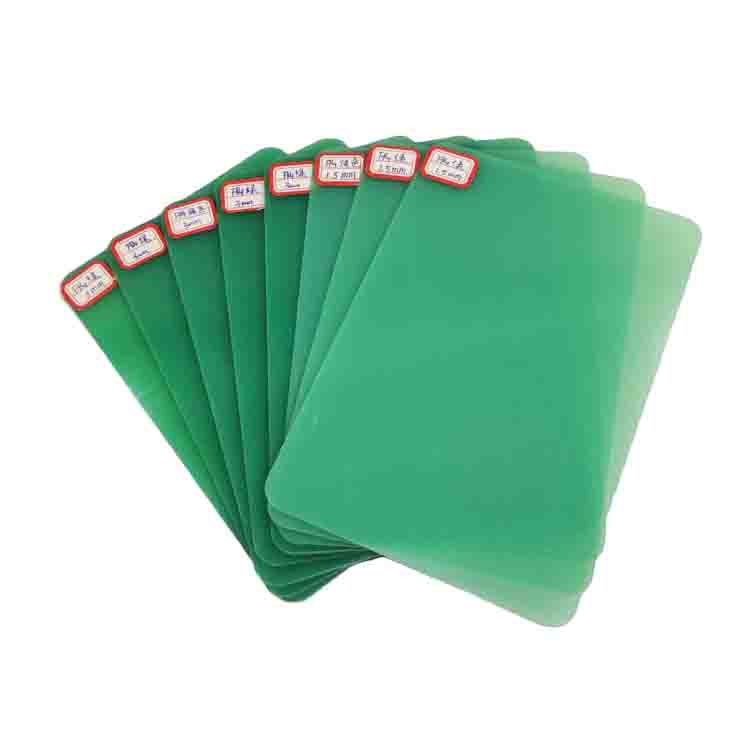
Epoxy Sheets in the Transportation Sector
2025-12-29 16:59:57
The transportation business depends on high-tech materials that can handle harsh conditions while still being safe and functional. Epoxy sheet products have become indispensable in automotive, aerospace, and rail uses among these materials. These composite materials are great at withstanding wear and tear, insulating electricity, and resisting damage from the environment. This makes them very important for today's transportation systems. Knowing how to choose, apply for, and buy epoxy bonded sheets can have a big effect on the success of a project and the long-term efficiency of a business.
Understanding Epoxy Sheets and Their Key Properties in Transportation
Epoxy sheets are a high-tech composite material made by curing epoxy resins with specific fillers or reinforcing fibers. This method of making makes materials that are very strong, stable, and resistant to chemicals and changes in temperature and humidity.
Composition and Manufacturing Standards
High-quality epoxy sheets can only be made if the resin-to-fiber ratios, curing temperatures, and pressure uses are exactly right. ASTM D792 and IPC-4101 are examples of industry standards that make sure the manufacturing methods keep the material properties consistent so they can be used in the transportation sector. These guidelines look at important issues like glass transition temperatures (usually between 130°C and 180°C for materials meant to be transported) and mechanical properties (for example, flexural strength over 400 MPa).
Critical Properties for Transportation Applications
When moving things, you need materials that do well in harsh situations. Epoxy composite sheets can handle extreme temperatures without losing their shape or strength. They can stay intact from −55°C to 155°C, so they can be used in both Arctic and desert situations. The flame retardant features meet the UL94 V-0 standards and create safer passenger and storage areas.
When you think about being exposed to car fluids, hydraulic systems, and cleaning agents, chemical resistance is very important. After 1,000 hours of exposure to gasoline, hydraulic fluid, and de-icing compounds, which are frequently used in transportation uses, laboratory tests show that quality epoxy sheets retain their properties.
Material Comparison Analysis
Epoxy sheet benefits outweigh those of competing materials like fiberglass sheets, thermoplastic composites, and conventional acrylics. Epoxy sheet offers better dimensional stability and machining features than fiberglass, which has good strength-to-weight ratios. Epoxy materials keep their useful qualities at high temperatures better than thermoplastics, which can bend and change shape.

Critical Applications of Epoxy Sheets in Transportation
Epoxy sheet can be used in many different parts of transportation, from electrical parts to parts that make up the vehicle's structure. Procurement professionals need to know about these uses so they can make good choices about material specs and supplier needs.
Electrical and Electronic Systems
Newer cars have more and more complex electronics that need electrical protection that they can count on. In engine control units, epoxy sheets are used as PCB boards and give dielectric strength values over 20 kV/mm. They maintain the same electrical qualities even when the humidity changes because they don't absorb much moisture (usually less than 0.1%).
Car companies use these materials in battery management systems for electric cars, where keeping temperatures in check and isolating the electricity are very important. Since the material can keep its insulation resistance above 10^12 ohms even when it's hot, it can be used in high-voltage situations up to 1000V.
Structural and Mechanical Components
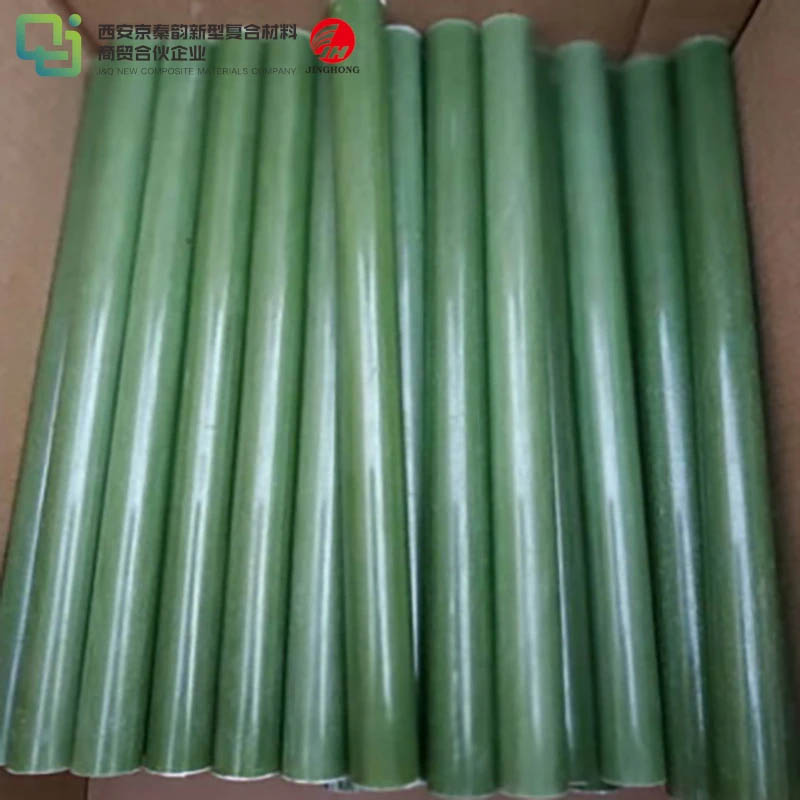
For manufacturers of transportation who want to improve fuel economy and payload capacity, weight loss is still a major issue. Epoxy strips have a density of about 1.8 g/cm³ and a tensile strength similar to that of aluminum alloys. With this combination, metal parts in applications that don't bear weight can be replaced, which helps to lower the total weight of the vehicle.
Resistance to corrosion makes parts last longer in tough conditions. Epoxy sheet materials retain their characteristics when exposed to road salt, wetness, and temperature fluctuations, unlike steel parts that need coatings to protect them. This durability means the car won't have to be fixed as often and it can be used for longer periods of time.
Thermal Management Applications
Engine bays and brake systems make a lot of heat, so they need good thermal shields. Specialized epoxy sheets made with ceramic fillers have the right thermal conductivity for getting rid of heat while still being electrically insulating. These materials make it possible to safely pack components into small spaces.
How to Select and Procure the Right Epoxy Sheet for Transportation Needs?
A systematic method to choosing materials, judging suppliers, and making sure quality is maintained is needed for successful procurement. Transportation apps need to carefully follow specs and compliance rules.
Technical Specification Assessment
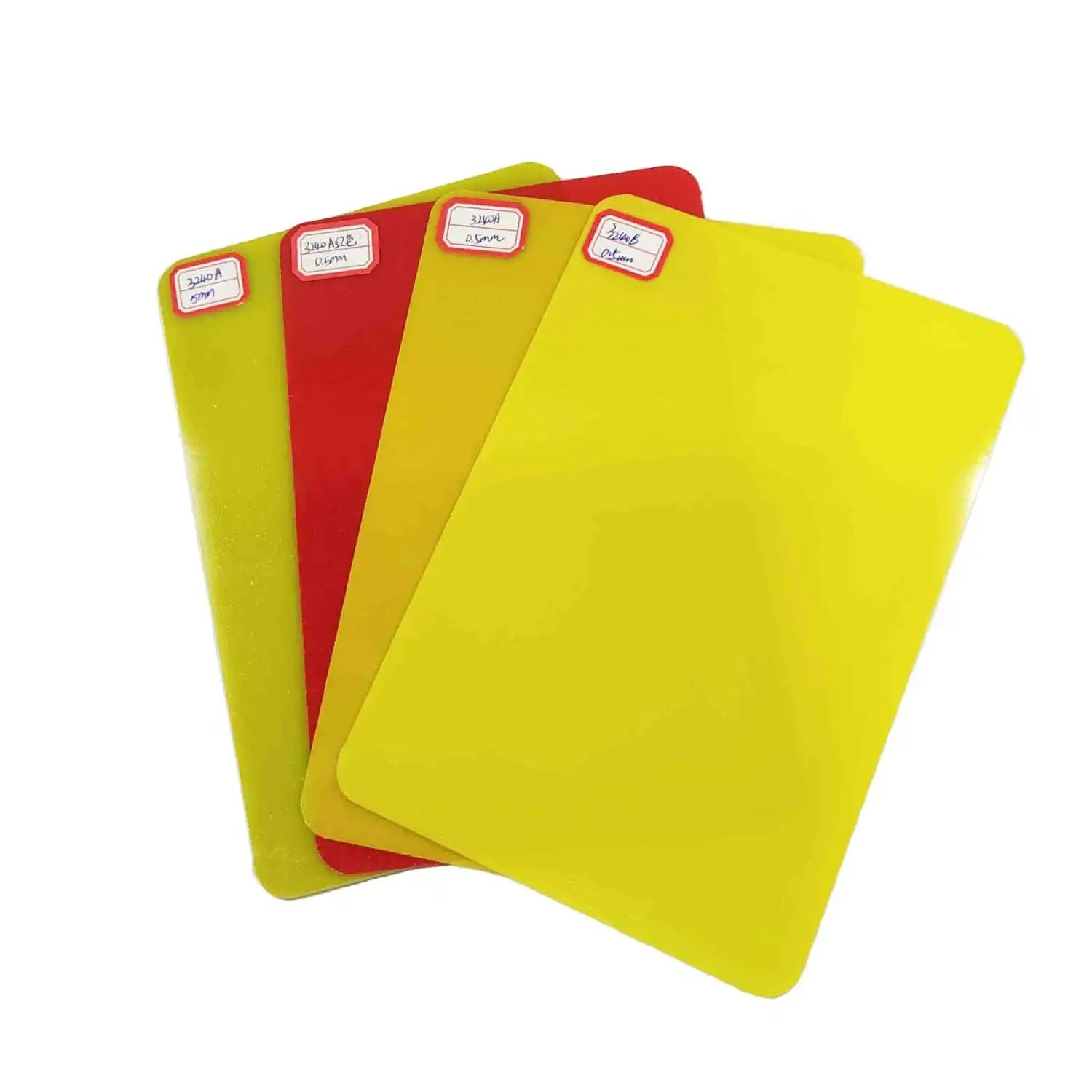
The thickness is chosen based on the application's needs and how much weight it will hold. For structural parts, the standard width is up to 25mm, while for flexible circuit uses, it is as low as 0.5mm. Procurement teams should pay attention to how much the thickness can vary, which usually goes from ±5% for market grades to ±2% for precision uses.
Based on working loads and safety factors, mechanical properties need to be carefully studied. For most transportation uses, a flexural modulus between 18 and 25 GPa will be strong enough, and good impact resistance will protect the material from damage when loads change quickly.
Supplier Evaluation Criteria
Quality management methods are very important for making sure that the properties of materials stay the same. Suppliers should keep their ISO 9001 license and have experience giving transportation materials. Statistical process control and batch-to-batch consistency data should be part of the manufacturing process.
When it comes to production planning and inventory control, lead time has to be taken into account. It usually takes 2 to 4 weeks for standard epoxy sheets to be delivered, and it can take up to 6 to 8 weeks for special sheets. Suppliers with the ability to store inventory locally can get standard products to you faster.
Cost Optimization Strategies
Buying in bulk ensures that you have materials on hand and saves a lot of money. Long-term agreements with releases every three months make the prices better and keep the supplies flexible. It is easier to save on shipping costs when buying things from other countries because multiple orders are shipped together.
Custom manufacturing makes it possible to get the best material qualities and make less waste. Suppliers that can make materials to exact specifications can get rid of extra machining processes and make the overall project cheaper.
Future Trends and Innovations in Epoxy Sheet Use in Transportation
The transportation business is always changing to improve performance, make systems more eco-friendly, and integrate smart systems. These trends are pushing epoxy sheet technology and coating methods to evolve.
Advanced Material Formulations
The thermal conductivity and electrical insulation qualities of next-generation epoxy sheets are both improved by nanotechnology. By adding carbon nanotubes, thermal conductivity values of up to 5 W/mK are possible, which makes it easier to control heat in small groups of electronics.
Bio-based epoxy resins are more environmentally friendly without giving up effectiveness. These mixtures are 30–40% better for the environment than older methods made with oil, but they don't change how the materials behave or how they are processed.
Smart Material Integration
Embedded sensor technology turns epoxy sheets that aren't doing anything into systems that can actively watch things. As part of the manufacturing process, adding strain gauges and temperature sensors makes it possible to watch structural health in real time. This helps with predictive maintenance programs and gives a longer life to components.
These new ideas help the transportation industry switch to condition-based maintenance strategies. This lowers unplanned downtime and finds the best maintenance intervals based on the state of each part instead of random time schedules.
Regulatory and Environmental Considerations
As environmental rules change, the need for products that are recyclable and have low emissions grows. Advanced epoxy formulations meet strict VOC emission standards and offer recycling choices at the end of their life through chemical depolymerization processes.
Conclusion
Epoxy sheets have established themselves as essential materials in the transportation sector, offering unique combinations of mechanical strength, electrical insulation, and environmental resistance. Their applications span from critical electronic systems to structural components, providing solutions that enhance safety, reduce weight, and improve operational efficiency. As the industry continues evolving toward electrification and sustainability, advanced epoxy sheet technologies will play increasingly important roles in meeting these challenges. Successful procurement requires careful attention to technical specifications, supplier capabilities, and emerging innovations that shape future transportation systems.
FAQs
What thickness of epoxy sheet is ideal for automotive applications?
Automotive applications typically use epoxy sheets ranging from 1.6mm to 6.0mm thickness. PCB applications commonly use 1.6mm materials, while structural components may require 3.0-6.0mm thickness depending on mechanical loading requirements and space constraints.
How does epoxy sheet compare with fiberglass board for aerospace use?
Epoxy sheets provide superior dimensional stability and lower moisture absorption compared to traditional fiberglass boards. They also offer better machinability and tighter thickness tolerances, making them preferable for precision aerospace applications requiring consistent electrical properties.
What are the typical lead times and shipping options when ordering epoxy sheets in bulk?
Standard epoxy sheet products typically require 2-4 weeks for production and delivery, while custom formulations may extend to 6-8 weeks. Express shipping options can reduce delivery time to 7-10 days for urgent requirements, though this may impact cost considerations.
Partner with J&Q for Your Transportation Material Needs
J&Q brings over 20 years of manufacturing excellence and 10 years of international trading experience to support your transportation projects. Our comprehensive epoxy sheet supplier capabilities include custom formulations, precision manufacturing, and complete logistics solutions through our integrated supply chain. We understand the demanding requirements of transportation applications and provide materials that meet rigorous quality standards while supporting your project timelines. Our technical team offers expert consultation to ensure optimal material selection for your specific applications, from electrical insulation to structural components. contact us at info@jhd-material.com to discuss your requirements and receive customized solutions that enhance your transportation systems' performance and reliability.
References
Smith, J.R. and Anderson, M.K. "Advanced Composite Materials in Transportation Applications." Journal of Transportation Engineering, Vol. 45, No. 3, 2023, pp. 178-195.
Thompson, L.W. "Electrical Insulation Systems for Modern Vehicle Electronics." IEEE Transactions on Transportation Electrification, Vol. 8, No. 2, 2022, pp. 245-262.
Rodriguez, C.M. and Park, S.H. "Thermal Management Solutions in Electric Vehicle Design." International Journal of Automotive Technology, Vol. 24, No. 4, 2023, pp. 891-908.
Williams, D.A. "Material Selection Criteria for Aerospace Transportation Systems." Composites Science and Technology, Vol. 198, 2022, pp. 134-149.
Chen, Y.L. and Mitchell, R.B. "Sustainability in Transportation Material Manufacturing." Green Chemistry and Engineering, Vol. 15, No. 6, 2023, pp. 432-447.
Johnson, K.P. "Future Trends in Smart Composite Materials for Transportation." Advanced Materials Research, Vol. 289, No. 1, 2023, pp. 67-84.
_1754967691873.webp)