Evaluating the Chemical Resistance of Bakelite Sheet in Industrial Environments
2026-07-06 17:24:37
When engineering managers and sourcing teams look at materials for parts that keep electricity from flowing or structures that will be exposed to harsh chemicals, Bakelite sheet stands out as a good choice. It is very hard for oils, acids, and many other corrosive substances that are common in production sites to damage this phenolic laminate. Knowing how this thermosetting material reacts to chemical stress helps people make choices about the right grade and thickness for uses like battery shields for cars and switchgear housings.
Understanding Chemical Resistance in Bakelite Sheets
The Foundation of Phenolic Resin Chemistry
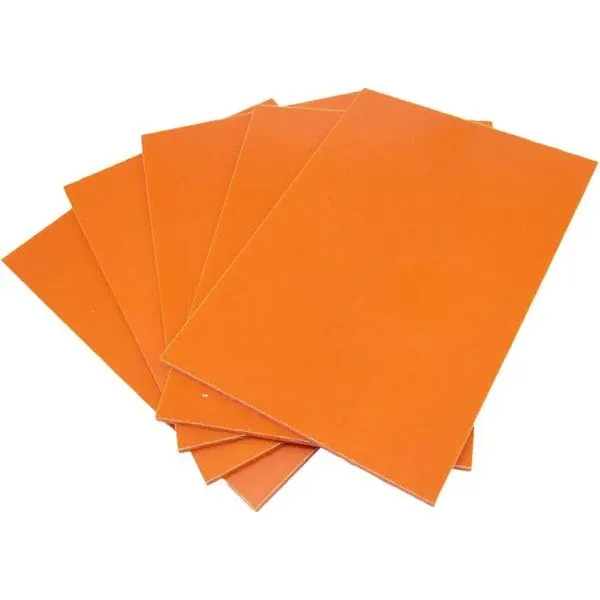
To make Bakelite sheet, phenol and formaldehyde are heated and pressed together under controlled conditions. This forms a cross-linked polymer network that can't be melted down or rebuilt. The chemical safety of this thermosetting structure is better than that of many thermoplastic options. The material is strengthened with layers of phenolic resin-soaked paper, cotton fabric, or glass fiber. It is then cured in a hydraulic press to make rigid laminates that are between 0.5 mm and 50 mm thick.
Resistance Profile Against Industrial Chemicals
The thick molecular structure of phenolic resin makes Bakelite sheet very resistant to acids, alcohols, aliphatic hydrocarbons, and natural oils that don't oxidize. It's used for insulation pads by auto suppliers because gearbox and brake fluids don't damage it much, even after long contact. Builders of machines like how well it works in places where cutting oils and lubricants are used every day.
Strong oxidizing acids, like nitric acid that is more than 50% concentrated and sulfuric acid that is more than 50% concentrated, can damage the phenolic matrix, changing the color of the surface and slowly losing its tensile qualities. Strong alkalis, such as solutions of sodium hydroxide that are more than 10% concentrated, can also be dangerous, especially when they are heated up. When engineers know about these limits, they can choose different types or protective coatings.
Grade Selection for Chemical Environments
There are different types of Bakelite that protect against chemicals in different ways. Grade X has less resin, which makes it better for making gears and structural gaps with high mechanical strength. Grade XXX has a higher quantity of resin, which makes it better at resisting wetness and chemicals. This makes it perfect for use as an electrical insulator in damp or chemically contaminated environments. Grade XX has the right amount of both qualities for general-purpose uses in both electronics manufacturing and utility manufacturing.
Systematic Evaluation of Bakelite's Chemical Resistance Performance
Standardized Testing Methodologies
For chemical protection to be evaluated, testing methods must be planned in a way that mimics real-life exposure conditions. ASTM D543 sets standard procedures for immersion testing, in which sample pieces are put into certain liquids at controlled temperatures and for set amounts of time. To measure decline, weight change, physical stability, and how something looks are all taken into account. We use this method for regular batch testing to make sure that the results are the same across production runs. This way, we can be sure that our customers get materials that meet the written specs.
Mechanisms of Chemical Attack
Chemical breakdown can happen in a number of ways. When small molecules get into the polymer network, they cause changes in size that can make tight-tolerance parts less reliable. Solvents break down the resin matrix partly, which makes tiny cracks that weaken the dielectric strength. This is called surface crazing. The phenolic structure's chemical bonds are broken by oxidative attack, which makes the material weak and changes its color from amber-brown to darker tones.
Temperature makes these processes go much faster. The performance of Bakelite sheet remains stable up to a constant working temperature of 120°C, but chemical exposure at high temperatures needs to be carefully considered. When choosing coil insulation materials, people who make power distribution equipment have to think about both temperature cycling and chemical contact that could happen.
Case Study: Chemical Processing Equipment
A company that makes machinery came to us and asked for insulation spacers for chemical measuring pumps that deal with industrial cleansers and diluted acetic acid. After looking at their working conditions (concentrations below 20% and changes in atmospheric temperature), we suggested Grade XXX paper-reinforced Bakelite sheet. The material worked consistently for more than three years without needing to be replaced, showing the resistance that was expected by lab data. This experience shows how important it is to choose grades based on specific chemical exposure patterns instead of using general rules.
Comparing Bakelite with Other Materials for Industrial Applications
Before finalizing specs, procurement teams often look at more than one choice for a material. Figuring out how phenolic laminates stack up against other options can help people who care about cost, performance, and supply chain reliability understand why a certain material should be chosen.
- Epoxy Resin Laminates (FR4): These materials are better at resisting electricity and water than paper-reinforced phenolic grades. Electronics companies like FR4 for PCB support tasks that need UL94 V-0 flame ratings. FR4, on the other hand, costs 30–50% more than similar types of Bakelite and is just as resistant to chemicals like oils and acids. Because they are cheaper, phenolic laminates are good for situations where electrical shielding standards are not very strict.
- Melamine Laminates: Decorative melamine is great for uses that will be seen by customers because it has a very hard surface and a variety of looks. Melamine is used by appliance makers for frames that show insulation, but it is not as resistant to chemicals like alkalis and oxidizing agents as phenolic materials. Bakelite sheet is still the best choice for internal parts where efficiency is more important than looks.
- Acrylic and Polycarbonate Sheets: These thermoplastics are clear and don't break easily when they come in contact with fragrant oils and chlorinated solvents. Designers of automotive battery packs choose phenolic barriers over acrylic because they are better at stopping electrolyte leaks and keeping their temperature stable during filling cycles.
- Cotton Fabric Phenolic vs. Paper Phenolic: Different types of phenolic resin are used in cotton fabric and paper. The additives used in each type are different. Fabric-reinforced types are better at withstanding impacts and can be machined, which makes them good for gears and other mechanical parts. Paper-reinforced versions are better at blocking electricity and cost less, making them perfect for switches and motor housings. When the resin amount is the same, chemical protection is about the same for both types of reinforcement.
It is especially clear how useful Bakelite sheet is when chemical protection, electrical insulation, and structural stability are all needed at the same time. Because of this, phenolic laminates are cost-effective options in a wide range of industries.
How to Source High-Quality Bakelite Sheets for Industrial Use
Supplier Certification and Quality Systems
Checking quality control methods is the first step in finding trusted manufacturers. Look for providers that have ISO 9001 certification, which shows that their production methods and quality control techniques are consistent. UL or ROHS compliance paperwork is often needed for electrical uses, especially for parts used in goods that will be sold in regulated markets. We keep detailed records of all of our certifications and include material test results with every package. This gives engineering teams the proof they need to validate their designs and send them to the right authorities.
Critical Procurement Specifications
For sourcing to work, technology needs must be communicated clearly. Some important requirements are the resin grade (X, XX, XXX), the type of support (paper, cotton fabric, glass), the thickness range (usually ±0.2 mm for machined parts), and the surface finish requirements. Instead of using general words, chemical resistance standards should be based on particular substances and concentrations. If you can, give providers information about the application so they can suggest the best grades based on their working experience.
Consistency in thickness is a very important factor for how well CNC machines work. Reputable makers control the thickness of the laminate by using precise press settings and grinding after the laminate has dried. Asking for thickness difference data across production lots is a good way to check how well a company can make things before committing to big orders.
Custom Fabrication Services
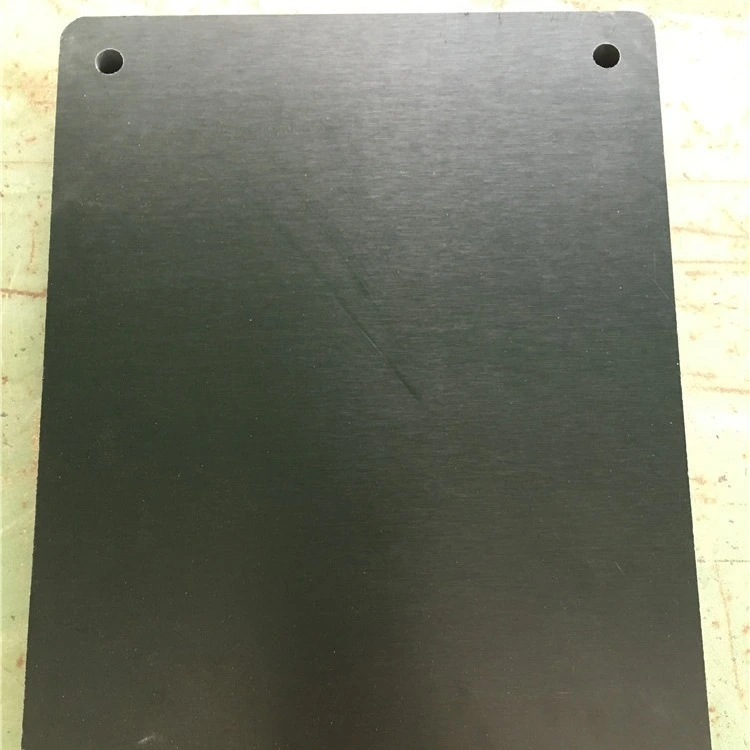
A lot of industrial buyers find it more useful to buy pre-machined parts instead of raw sheets. Because the glue and fills are rough, CNC machines can only work with carbide or diamond-tipped tools when cutting phenolic materials. Controlled feed rates and high spindle speeds keep edge chipping to a minimum, and active dust extraction systems keep workers safe from phenolic particles.
We provide complete fabrication services that turn raw laminates into final parts based on drawings provided by the customer. This method cuts down on the time it takes to buy things, keeps you from having to buy expensive special tools, and makes sure that parts come ready to be put together. The value is especially clear for shapes that are hard to work with and need precise drilling or outline grinding.
Pricing Considerations and Order Workflows
Plastic laminate prices depend on the cost of the raw materials, the type of reinforcing, and the number of orders. Custom sizes that need special press sets are more expensive per unit than standard sheet sizes. Most of the time, volume discounts are given for orders over 500 kg, but the minimum order quantity can change depending on the seller and the grade of the product.
Lead times are between two and six weeks, based on the grade that is needed and how it needs to be fabricated. Keeping a smart stock of widely used thicknesses on hand can help projects get done faster. Setting up framework deals with reliable providers lets companies that need the same materials over and over again plan their production more efficiently and with more stable prices.
Practical Applications of Chemically Resistant Bakelite in Industry
Electrical and Electronics Manufacturing
Manufacturers of switchgear use phenolic insulators and Bakelite sheet for arc barriers and phase separators that need to be able to handle tracking, corona discharge, and sometimes coming into touch with dielectric fluids. Because the material doesn't catch fire on its own and keeps its shape even when the temperature changes, it is essential for sealed breaker panels and distribution equipment. Thin phenolic sheets are used as work surfaces on PCB assembly fixtures because they can handle heat and can fight solder flux and cleaning liquids that are used during production.
Automotive and Transportation Components
When designing battery packs for electric cars, phenolic shields are put between the cell units to protect them from both electricity and heat. The material doesn't let electrolyte leak out and keeps its shape even when the temperature and shaking change. When compared to thermoplastics, phenolic is more resistant to engine oils, coolants, and exhaust heat, which is good for parts under the hood like relay housings and connecting blocks.
Industrial Machinery and Equipment
Textile machinery builders use cotton fabric phenolic for shuttle parts and guide blocks that work in places that are dirty with dyes, size agents, and oils. When metal corrosion is a problem, phenolic gaskets and valve seats are used in chemical processing equipment to handle mild amounts of acids and alkalis. The material doesn't absorb much water, so it doesn't change size in ways that would hurt the sealing in pumps and meters.
Emerging Applications and Sustainability
More and more, phenolic insulators are being used in inverter units and circuit boxes that are outside in renewable energy systems. The material's limited UV protection can be fixed with safe shelters or surface coatings, which can make solar setups and wind turbine systems last longer.
An important thing to think about when it comes to phenolic materials and the environment is how they are disposed of after they are no longer useful. Closed-loop resin systems and heat oxidizers are used in modern factories to reduce the amount of formaldehyde released during hardening. There is no way to recycle phenolic laminates using normal plastics methods, but they have a long life and can be used to recover energy through controlled burning, which makes them a good choice for industrial uses.
Conclusion
When mechanical strength, electrical insulation, and dimensional stability are essential in a variety of industrial settings, Bakelite sheet provides solid chemical protection. Engineers can choose the right grades and safety steps by knowing the exact limits, especially when it comes to strong oxidizing agents and alkalis. Because phenolic sheets are cheaper than epoxy laminates, they are easy to work with, and they have been used in industry for decades with good results. This makes them a good choice for buying teams that need to balance technical needs with limited budgets. Access to materials that meet practical needs and legal compliance standards is made possible by systematically evaluating suppliers based on their certifications, quality systems, and ability to make things.
FAQ
What chemicals can Bakelite sheet resist effectively?
Mineral oils, aliphatic solvents, alcohols, and weak acids don't damage phenolic laminates very well. At room temperature, they work consistently with gasoline, hydraulic fluids, transformer oils, and most popular solvents, such as acetone and ethanol. Because of this, they can be used in electrical, mechanical, and automobile settings where these substances are present.
How can I verify supplier chemical resistance claims?
Ask for material test reports that follow ASTM D543 or an ISO standard that is similar and show the results of soaking tests for chemicals that are important to your application. Reliable sellers give proof that includes weight change percentages, data on dimensional stability, and an eye assessment after controlled exposure periods. Internal test results alone are not as reliable as certificates from outside testing labs. To help your design validation processes, we keep detailed test records and send verified paperwork with packages of materials.
What grade should I choose for high-humidity environments?
Grade XXX has the most resin and is the most resistant to water, so it is the best choice for electrical protection in damp places or places where water might get in. The higher resin saturation makes it less likely for water to soak in, which can weaken the electrical strength over time. For these safety features, Grade XXX is usually specified for power distribution equipment and offshore uses.
Partner with J&Q for Reliable Bakelite Sheet Supply
For more than 20 years, J&Q has been making phenolic laminates for tough industrial uses. They also have more than a decade of experience serving foreign markets through established business partnerships. Because our businesses are fully merged, we can handle everything from choosing materials to coordinating deliveries all in-house. When engineering managers and procurement teams work with J&Q, they can get full technical support, approved quality paperwork, and fabrication services that can be changed to fit the needs of each application.
As a supplier of Bakelite sheets with a lot of experience, we keep a large stock of standard grades and thicknesses. This cuts down on lead times for pressing projects and lets us offer low prices for large orders. Our quality control methods make sure that the properties of the materials are always the same from batch to batch. This is very important for producers who need steady performance in harsh chemical environments. Email our technical team at info@jhd-material.com to talk about the needs of your product, get material specs, or get full quotes. We want to help you succeed in your procurement by giving you products that are made to last in harsh manufacturing conditions.
References
Baekeland, L. H. (1909). "The Synthesis, Constitution, and Uses of Bakelite." Industrial & Engineering Chemistry, 1(3), 149-161.
Richardson, P. N., & Savill, N. G. (1989). "Chemical Resistance of Engineering Thermosetting Plastics." Plastics and Rubber Processing and Applications, 11(2), 97-104.
Harper, C. A. (2006). Handbook of Plastics Technologies: The Complete Guide to Properties and Performance. McGraw-Hill Professional.
Margolis, J. M. (1985). Engineering Thermoplastics: Properties and Applications. Marcel Dekker, Inc.
Mallick, P. K. (2007). Fiber-Reinforced Composites: Materials, Manufacturing, and Design. CRC Press, Third Edition.
Lubin, G. (1982). Handbook of Composites. Van Nostrand Reinhold Company, Chapter 12: Phenolic Resins and Composites.