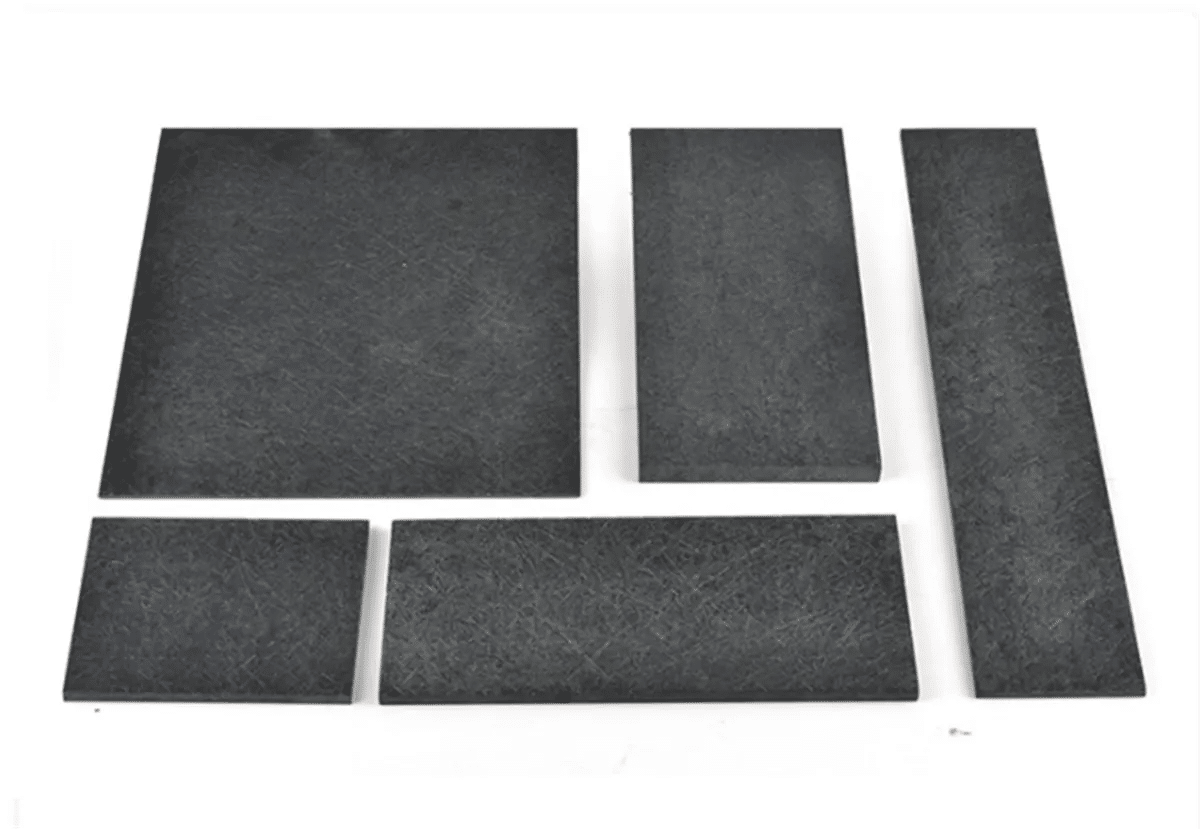
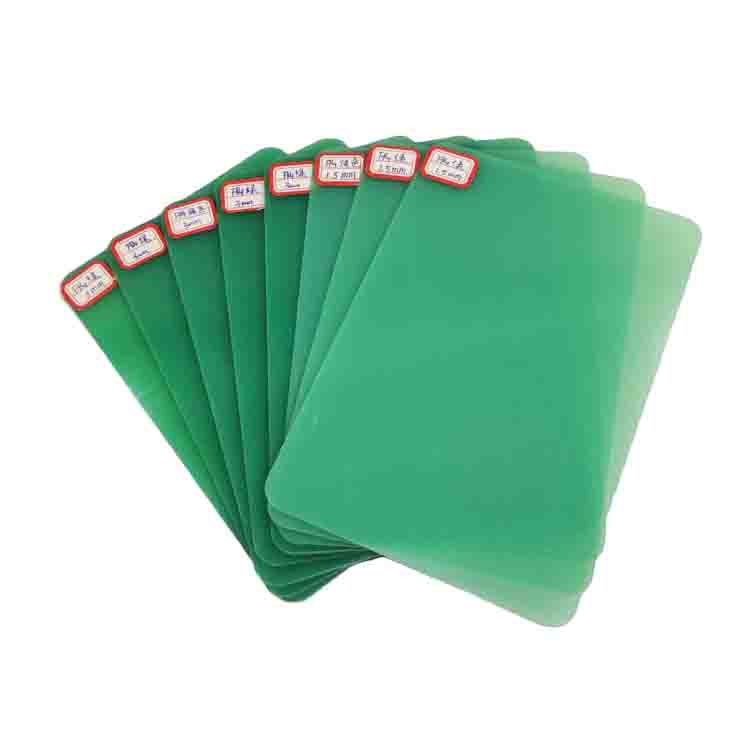
Why "Cheap" G10 Sheets Might Cost You More in Tooling Damage?
2026-07-07 17:29:34
When engineering managers and procurement teams look at inexpensive fiberglass laminates, they often forget one important fact: cheap G10 sheets speed up the wear on carbide tools, cause problems with the dimensions of CNC machines, and produce too much heat that hurts both the parts being machined and the machines themselves. When epoxy composites aren't made properly, the rough glass threads in them act like sandpaper on precision tools, shortening their life by up to 60% compared to approved grades. Over the course of a production cycle, the costs of replacing old drill bits, router bits, and saw blades, along with the time lost due to machines not working as well, often outweigh any savings made at first from buying materials at a discount. This secret cost chain turns what seemed like a smart choice to save money into a big problem for companies that depend on consistent quality and regular repair plans.
Understanding G10 Sheets and Their Role in Tooling
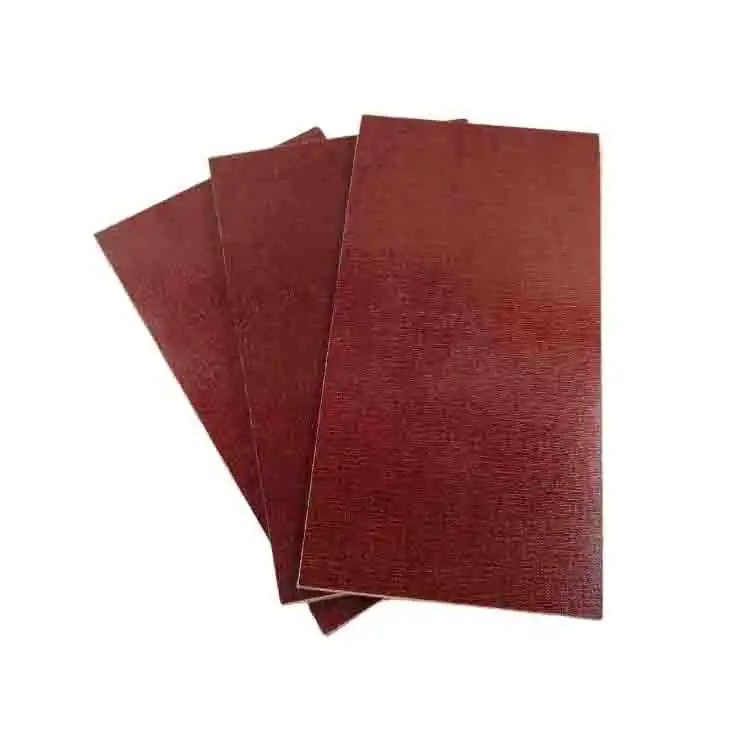
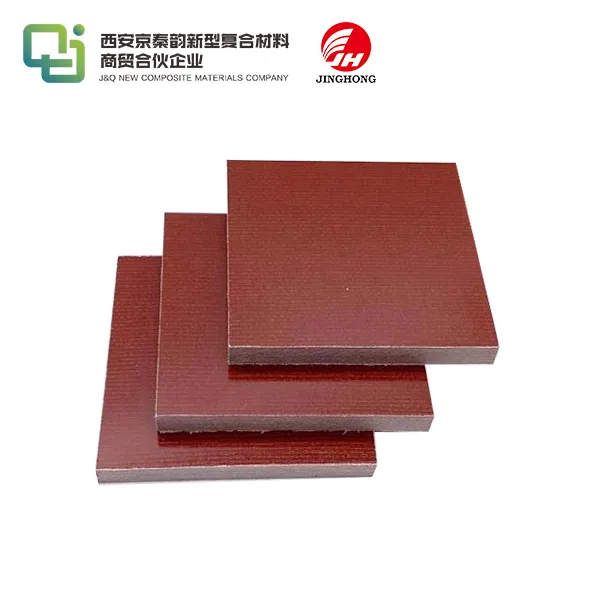
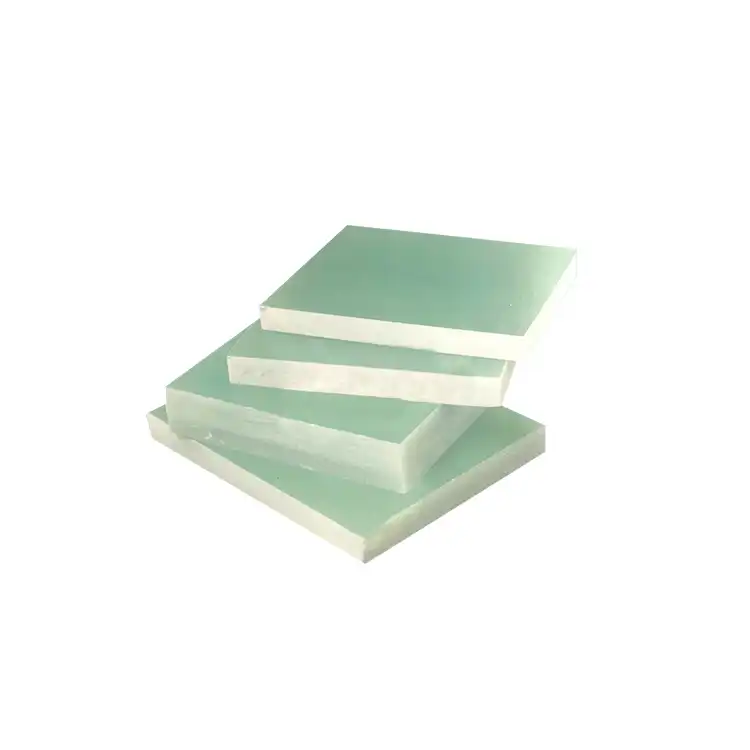
Modern industrial manufacturing depends on high-pressure fiberglass laminates more than any other material. These composites are made up of woven fiberglass cloth layers that are mixed with a thermosetting epoxy resin glue and then hardened under controlled heat and pressure. Because it is both very strong mechanically and very good at insulating electrically, the resulting material is essential for many uses, from supporting switchgear to making precision industrial tools.
Composition and Manufacturing Standards
The production method has a direct effect on how well the material works. Good G10 sheets follow NEMA rules, which makes sure that the resin-to-fiber ratios are always the same and that all layers are fully saturated. Several layers of glass cloth are stacked and pressed together during production to make a thick, void-free construction. This exact way of making things ensures that the dimensions will stay the same even in tough conditions where humidity and temperature change.
Critical Properties for Tooling Applications
When manufacturers choose materials for making tools and fixtures, they look at certain properties. Mechanical toughness keeps things from cracking when they're under a lot of stress, and low moisture absorption keeps the measurements accurate even when the humidity level changes. Thermal stability means that the material can be heated and cooled many times without twisting or peeling. All of these qualities affect how well the laminate works during precise grinding tasks and whether it keeps expensive cutting tools from wearing out too quickly.
The Connection Between Material Quality and Machining Success
High-quality fiberglass laminates can be machined in a predictable way, leaving clean edges that don't break or separate too much. The glass threads stay evenly spread out in the epoxy matrix, making it resistant to cutting forces all the time. This consistency directly leads to longer tool life because cutting edges don't have to deal with sudden changes in density that can chip carbide inserts or dull high-speed steel blades.
The Hidden Risks of Using Cheap G10 Sheets
Budget-driven choices about what to buy sometimes focus on initial cost savings without taking into account running costs that will come up later. When epoxy laminates aren't up to par, they create multiple failure points or necessitate the use of inferior G10 sheets, which engineering teams don't find out about until production runs have already begun.
Inconsistent Density and Resin Distribution
Lower-quality materials often have uneven resin penetration, leaving dry spots where glass fibers gather without enough epoxy bonding. These differences make it so that cutting tools have to deal with areas that are both hard and soft at different times during machining. This causes vibrations that wear down tools faster and make surfaces that need more cutting or sanding time. One seller of car parts said that when they switched to an uncertified source, they had 40% higher reject rates. After adding up the total cost of quality, they went back to using expensive materials.
Abrasive Impact on Precision Tooling
Glass threads are naturally rough, making it hard for even carbide cutting tools to cut through them. When the quality of the resin drops, fibers that are visible wear down tool tips in a rough way. When handling poor laminates, manufacturers who used diamond-coated bits for large-scale production saw a drop in tool life from 8,000 holes to less than 3,000. The protective layers on the carbide base wore off too quickly, so tools had to be changed often, which slowed down production and cost more in work.
Thermal Management Failures
When resin is cured properly, it forms a strong matrix that lets heat from cutting escape. Epoxy systems that aren't properly sealed or are contaminated don't conduct heat well, so heat builds up at the cutting edges. When the temperature is high, the glue softens in that area. This lets the material stick to the cutting edges and forms built-up edge formations. This happens when cutting, and it hurts both the tool and the subject surface. This means that more work needs to be done, which takes away any cost benefit at first.
Real-World Cost Implications
After having a lot of tool failures, a company that makes machines for electrical insulation looked at the total owning costs. Their data showed that using cheaper materials raised the cost of replacing tools every year by 73%, and machine downtime for tool changes lowered production by 12%. When scrap rates and extra time spent on quality checks were taken into account, the claimed savings turned out to be a net loss of a lot of operating efficiency.
How to Evaluate and Choose the Right G10 Sheet for Your Procurement Needs
When engineering teams choose strategic materials like G10 sheets, they have to look at more than just the buy price. A thorough review protects long-term investments in manufacturing and makes sure that the quality of the result stays the same.
Mechanical Performance Verification
Suppliers you can trust will give you thorough information about the mechanical properties of their products, such as the tensile strength, flexural stiffness, and compressive strength numbers. For example, ASTM D709 should be used for thickness limits and ASTM D570 should be used for water absorption rates. Being able to absorb less than 0.1% of water means that the material will fix better with resin and keep its shape better in humid circumstances.
Surface Quality and Dimensional Precision
Consistency in thickness has a direct effect on how well the machine setup works and how accurate the end part is. Premium laminates keep tolerances within ±0.005 inches across the whole sheet, which lets CNC coders make less tool path adjustment. When a surface is flat, the item doesn't rock during cutting, which can cause tool deflection and geometric errors. The people in charge of buying things should ask for readings of the surface roughness and look closely at samples to see if there are any resin gaps or fibers that aren't lined up correctly.
Certification and Proof of Compliance
Manufacturers who are doing business legally have quality management systems that are approved to ISO standards and give out material certificates that show they are UL recognized and RoHS compliant. These certificates show that the manufacturing process is uniform and that the materials can be tracked. For electrical insulation uses, recorded dielectric strength testing according to ASTM D149 is especially helpful because it makes sure the material passes voltage breakdown requirements that are important for parts like switchgear and transformers.
Lifecycle Cost Analysis Framework
Instead of just looking at the unit price of materials, engineering managers should figure out the total cost of ownership. The regularity of tool replacement, the cost of machine downtime, the rate of scrap, and the amount of work that goes into quality inspection are all part of this study. When high-quality materials cut manufacturing costs in half and remove the need for rework, the price increase of 15-20% turns out to be a net savings. Lifecycle estimates show how choices about material quality really affect the economy.
Supplier Relationship Considerations
Distributors that have been around for a long time and have a lot of experience in the field offer expert help that goes beyond just selling materials. They help choose the right material for the job, give advice on how to set the cutting parameters, and make sure that the product is always available. Long-term relationships can often get you better prices on large orders and keep your supply going, which stops output delays. We've seen that producers who work with certified providers have fewer quality problems and get better information about how to improve materials or make changes to specifications.
Best Practices for Handling and Maintaining G10 Sheets to Protect Tooling
To keep their effective qualities, even high-end G10 sheets need to be handled in the right way. How tools are stored and prepared has a big effect on how well they work and how long they last.
Storage Environment Control
Fiberglass laminates don't take as much water as paper-based phenolics, but surface conditions can change after being exposed to air for a long time. The temperature and humidity should be kept between 15°C and 25°C, and the materials should stay in climate-controlled buildings. Vertical storage racks keep things from bending because of uneven weight distribution, and protective wrapping keeps surfaces from getting scratches or other damage that could make the next step of cutting more difficult.
Pre-Machining Inspection Protocols
Quality-focused businesses use receiving inspection methods to check the state of materials before they are used in production. A visual inspection can find flaws on the surface, damage to the edges, or delamination that could lower the quality of the cutting. Ultrasonic testing finds holes inside things that can't be seen from the outside. This keeps these flaws from breaking tools or rejecting parts without warning. Dimensional checking makes sure that the sheet's width is the same all over, which lets you choose the right cutting parameters.
Dust Collection and Respiratory Protection
Fine glass fiber dust, which is known to irritate the lungs, is made during machining operations. A good dust collecting system keeps abrasive particles from getting into machine ways and bearings, which is good for both worker health and equipment life. Dedicated vacuum systems with HEPA filters catch particles at the point of cutting. This keeps the work area clean and extends the time between machine repair visits.
Tool Selection and Operating Parameters
When working with glass-reinforced materials, you need tools that are coated in carbide or diamond. High spindle speeds (between 18,000 and 24,000 RPM) and modest feed rates make clean lines while reducing cutting forces. Using coolant lowers the temperature stress on both the tools and the workpieces, but air blast systems are often enough for cutting thin materials. These ways of working make the tools last longer and give the surfaces better edges that don't need much extra work.
Procurement Strategies for Acquiring High-Quality G10 Sheets
Strategic buying methods help makers get the most out of their supply chains by balancing low costs with quality control for G10 sheets.
Supplier Qualification Process
Procurement teams should come up with criteria for judging suppliers that include their ability to make things, their quality standards, and how reliable their deliveries are. Site checks show how products are made and how quality control is done, which proves that providers follow the same rules. References from current customers can tell you a lot about long-term success and how quickly problems are solved. Doing this research helps keep supply problems and quality differences to a minimum, which keeps production operations running smoothly.
Volume Agreements and Inventory Management
Buying in bulk lowers the cost per unit and makes sure that materials are available at the right time to meet production plans. Blanket purchase orders are helpful for manufacturers whose customers' needs are reliable because they lock in prices while letting them choose when to send the goods. This method stops customers from placing last-minute orders at higher prices when stock suddenly runs out. Suppliers pay for storing costs through consignment inventory programs, which ensure quick access to materials.
Technical Support Integration
Leading providers are more like expert partners than just vendors who do business with you. Help with application engineering, suggesting the best grades for specific needs, and fixing problems with cutting are some of the things they do. This working together speeds up the process of making new products and lowers the costs of trying different materials and seeing what works best. It's especially helpful to have technical support when making new applications or switching old plans to use different materials.
Geographic Considerations and Logistics
Reliability in delivery affects work schedules and the cost of keeping supplies on hand. When compared to faraway sources, domestic sellers usually have shorter wait times and easier logistics, though the cost of shipping can vary by location. Some companies use two different sources to get their supplies: local sellers for quick restocking, and volume deals with bigger distributors that offer a wider range of products. Logistics management that works well makes sure that materials come when they're needed without having to be kept in too much safety stock.
Conclusion
In order to cut costs, people buy cheap fiberglass laminates, but this leads to unexpected costs that hurt the efficiency and profits of production. Bad materials speed up the wear and tear on tools, extend the time that machines aren't working, and cause quality problems that need expensive repairs. Instead of just looking at material unit prices, procurement choices should take into account the total ownership costs, which include replacing tools, output delays, and the amount of waste. Strategic relationships with qualified providers that offer consistent quality and reliable G10 sheets protect investments in manufacturing and make business performance predictable. Engineering managers and procurement professionals do their companies the most good when they put the reliability of materials and the knowledge of suppliers ahead of short-term price benefits that hurt the company's ability to compete.
FAQ
How does the quality of the material affect the life of a CNC machine tool?
Epoxy laminates that aren't up to par have uneven resin distribution and glass threads that are visible, which makes the surface rough. These flaws in the material make carbide tools wear out faster by causing uneven cutting forces and too much heat at the point where the tool meets the workpiece. Premium G10 sheets with even density and full fiber wetout make tools last 40–60% longer than lesser types, which cuts down on replacement costs and machine downtime.
What certifications should people look for when they buy fiberglass laminates?
Materials with a good reputation come with paperwork that proves they meet standards for NEMA grade specifications, UL recognition for electrical uses, RoHS compliance for environmental protection, and ISO approval for quality management systems. Objective proof of performance is given by test results that follow ASTM D149 for dielectric strength and ASTM D570 for water absorption. These certificates show that the products are consistently made and that the materials can be tracked, which is important for important uses.
Is it possible for good cutting methods to make up for bad materials?
Even though improved cutting settings help with some problems, flaws in the material still make it impossible to achieve certain results. Basic problems like uneven density, poor resin curing, or internal gaps can't be fixed by even the best machinists. No matter how skilled the operator is, these structural flaws lead to unpredictable tool wear and poor surface quality. Quality products are necessary for good making, and machining skills alone can't make up for that.
Partner with J&Q for Reliable G10 Sheet Supply
For quality making, you need materials that protect your investment in tools and give you the same performance every time you make something. J&Q has been making things for over 20 years and trading with other countries for over 10 years. This makes us your reliable source for G10 sheets for important projects. Our in-house transportation department coordinates deliveries so that your production plans stay on track and your inventory doesn't get messed up. We have strict quality control that follows NEMA guidelines, and we give you a lot of technical information to help with your engineering needs. Our team knows how good materials affect how efficiently your business runs, and they can help you make the most of your manufacturing processes by giving you application advice. Email us at info@jhd-material.com to talk about your particular needs and find out how our approved materials can protect your tools while lowering the total cost of ownership.
References
National Electrical Manufacturers Association. "Industrial Laminating Thermosetting Products: NEMA Standards Publication LI 1-1998." National Electrical Manufacturers Association, 1998.
Carpenter, James R., and Michael T. Walsh. "Tool Wear Mechanisms in Machining Composite Materials." Journal of Manufacturing Science and Engineering, vol. 136, no. 4, 2014, pp. 041005-1-041005-9.
Anderson, Paul D. "Total Cost of Ownership Analysis for Industrial Materials Procurement." Industrial Engineering Management Quarterly, vol. 28, no. 2, 2019, pp. 112-128.
Society of Manufacturing Engineers. "Best Practices for Machining Glass-Fiber Reinforced Composites." SME Technical Paper Series, 2017.
Williams, Rebecca K., and Steven J. Morrison. "Quality Control Methods for Thermoset Laminates in Electrical Applications." IEEE Transactions on Dielectrics and Electrical Insulation, vol. 25, no. 3, 2018, pp. 945-953.
Thompson, Gregory H. "Strategic Procurement in Manufacturing: Materials Selection and Supplier Relationships." Supply Chain Management Review, vol. 22, no. 6, 2020, pp. 34-41.