Precision Stamping of Phenolic Paper Boards for High-Volume Production
2026-07-07 17:29:36
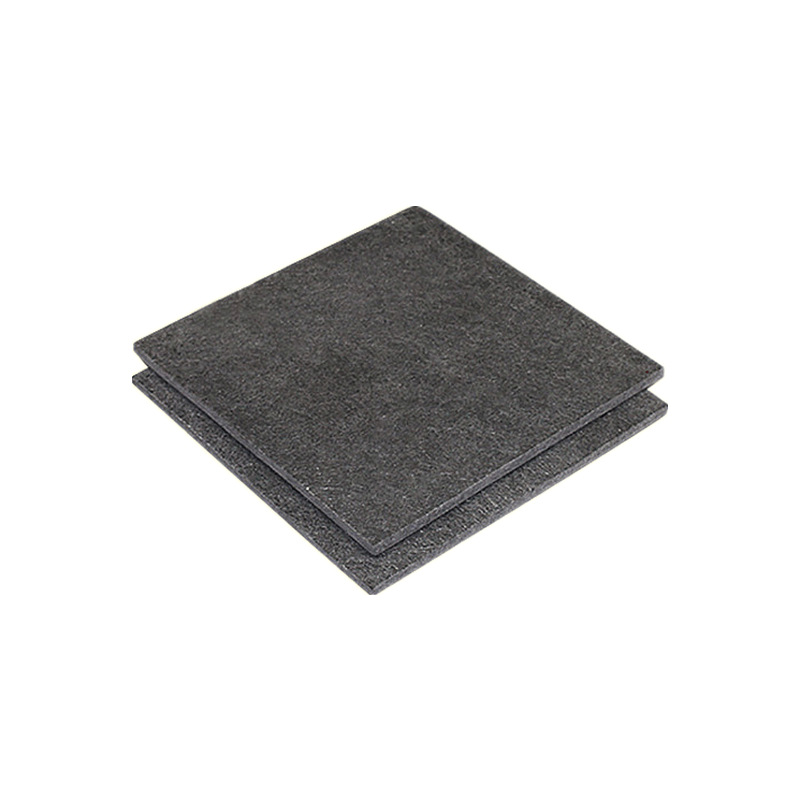
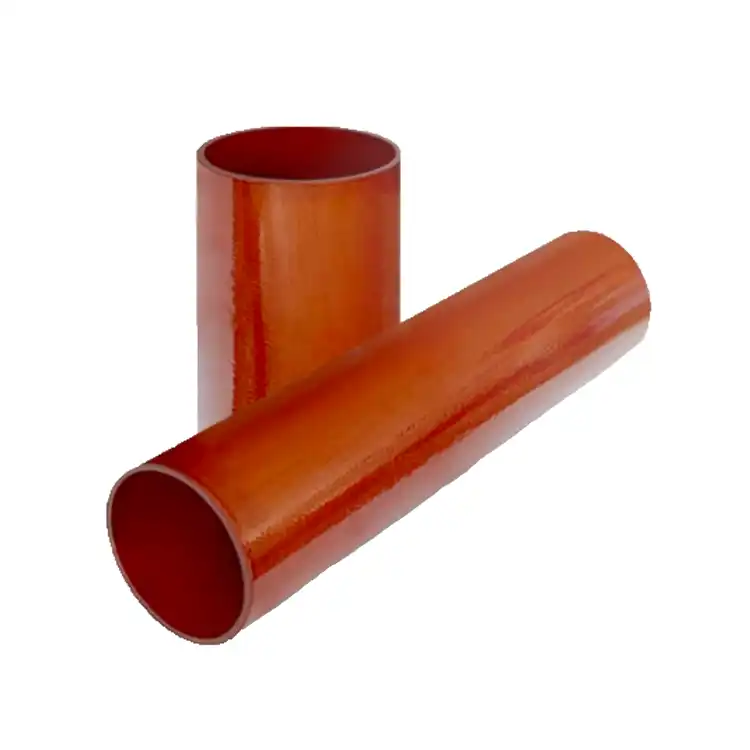
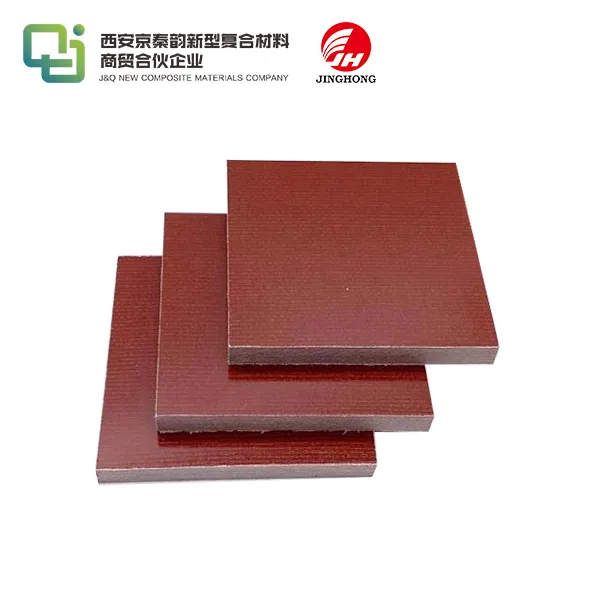
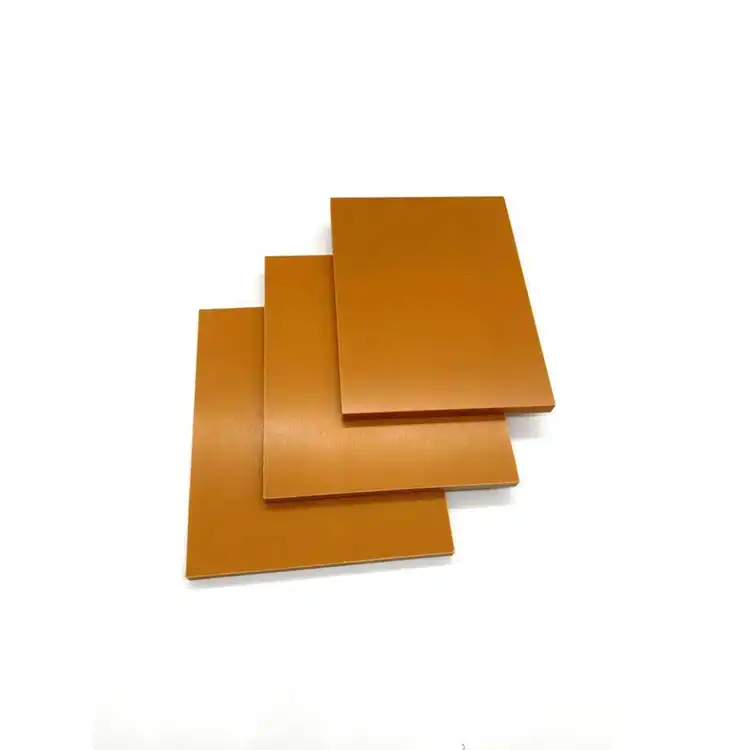
Precision pressing of phenolic paper board becomes an important process skill when production needs and material science come together. Under high pressure, phenolic resin is pressed between layers of kraft paper to make this thermosetting composite laminate. It has great electrical protection and mechanical stability. Stamping methods turn raw phenolic paper board sheets into complex functional parts that keep their shape and material integrity over thousands of production cycles. They are used in high-volume production settings like putting together switchgear and making auto parts.
Understanding Phenolic Paper Boards and Their Industrial Value
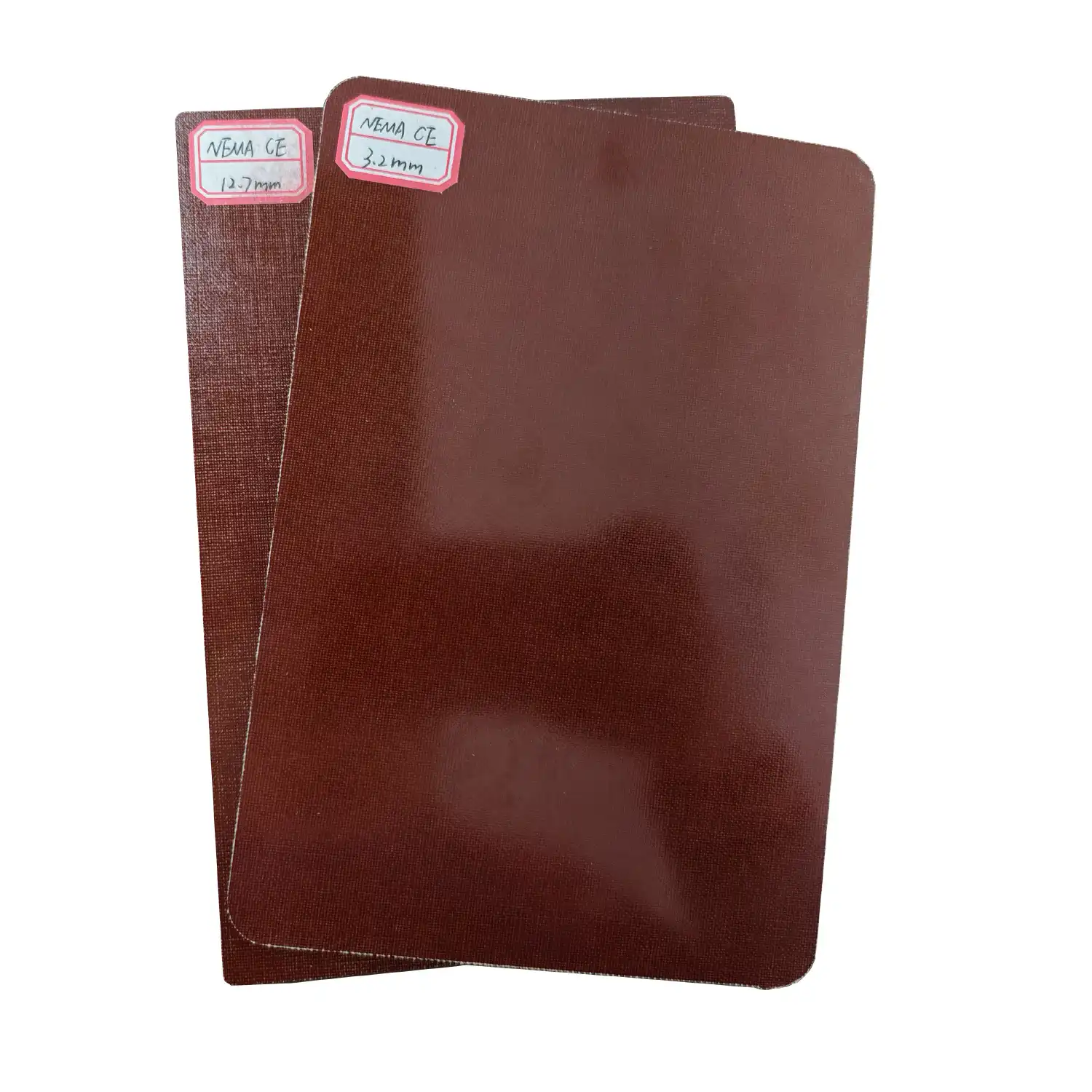
Phenolic paper boards are a complex mix of material design and chemistry engineering. To make these laminates, we soak high-quality kraft paper in a thermosetting phenolic resin and then heat and pressurize the structure to cure it under about 1000 psi of pressure. This process makes a stiff composite material that is officially categorized by NEMA as Grade X, XX, or XXX, based on the amount of resin and how well it resists water.
Engineering Properties That Matter in Production
The density of the material is usually between 1.30 and 1.45 g/cm³, which is the best range for weight and structural stability. This material's light weight is especially useful in situations where moving tools around is important or where lowering the total mass of an assembly saves energy. The phenolic paper board matrix gives great resistance to mineral oils and common industrial solvents, which keeps the structure of the part safe in harsh working conditions.
Electrical efficiency is one of the things that sets it apart. During short-time tests, NEMA XXX grades show dielectric strengths greater than 500 V/mil. This makes them essential for insulating high-voltage circuits and transformers. We've seen that this electrical performance stays the same at temperatures up to 120°C, which is in line with Insulation Class E standards that guide a lot of the power distribution industry.
Cost-Performance Advantages in Manufacturing
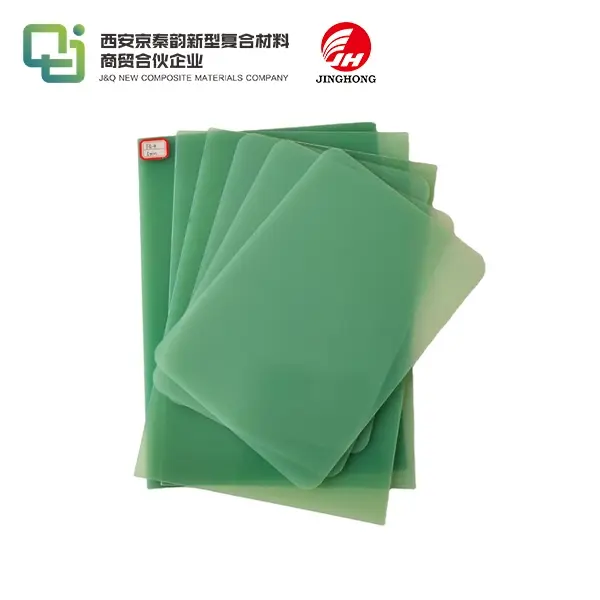
When you compare phenolic paper boards to glass-epoxy laminates like FR-4, they are much cheaper without losing performance in many situations. FR-4 has higher temperature values and better mechanical strength, but phenolic paper board materials work better when electrical protection is the main need and heavy mechanical loads are not present. The natural ability of the material to be machined cuts down on equipment costs and cycle times, especially when printing complex shapes.
The material's "punchability"—its ability to be hot-punched into complex forms without coming apart or cracking along the edges—is something that manufacturing engineers really like. This feature is very important for increasing production rates because it keeps part quality the same across batch runs with thousands or tens of thousands of parts.
Challenges in Precision Stamping of Phenolic Paper Boards
When you stamp large amounts of phenolic paper board materials, you run into certain technical problems that separate good processes from those that have trouble with quality and waste.
Material Brittleness and Delamination Risks
The layered structure of phenolic paper boards makes them strong, but it also makes them weak when they are being stamped. Inter-layer separation can happen when there is too much power or when the die geometry is not built correctly. This makes the parts useless. We've found that grades with less resin make the boards more brittle, so when moving between Grade X mechanical boards and Grade XXX electrical boards, we have to be very careful to change the process parameters.
Managing the temperature during pressing processes has a big effect on the results. Preheating boards to the right temperatures can make them easier to shape and less likely to crack, but too much heat can cause the resin to break down too quickly. This small processing window needs precise control systems and skilled operators.
Tool Wear and Dimensional Consistency
Because phenolic paper board is abrasive, it speeds up die wear, especially when high-speed steel tools are used in production settings. Dimensional standards move outside of what is allowed as cutting edges wear down. Parts made early in a die's lifecycle may be distinctly different from parts made after tens of thousands of cycles, which can make it hard to assemble things that are meant to work together precisely.
These problems are made worse by the fact that raw phenolic paper board stock comes in different thicknesses. Even small differences—within the standard levels that have been published—can cause stamping force changes that lower the quality of the part. Electrical and electronics makers' procurement teams know that thickness regularity has a direct effect on the accuracy of PCB drilling operations and the space between switchgear components.
Production Efficiency Bottlenecks
A lot of the time, traditional printing setups don't have ways to give real-time feedback on quality. It's possible for defective parts to build up for a long time before they are found, which wastes a lot of material and costs a lot to fix. Calibration drift in hydraulic or mechanical presses adds new factors that lower the quality of the output until the problem is found by hand.
Optimizing Precision Stamping Processes for Phenolic Paper Boards
To get uniform quality in large-scale pressing, the process needs to be carefully optimized to fit the special properties of phenolic paper board materials.
Tooling Selection and Die Design Principles
In production settings, cutting tools with carbide or diamond tips work much better than high-speed steel. Even though the original investment costs are higher, the cost is justified by the longer tool life and kept edge sharpness, which cuts down on downtime and ensures consistent part quality. We suggest progressive die designs that spread the pressing forces across several stations. This way, localized stress concentrations that can cause delamination are kept to a minimum.
Die gaps need to be carefully figured out. Too much space leads to rough edges and wrong measurements, while not enough clearance makes more punch force necessary and speeds up wear. Most of the time, the best gaps are between 5% and 8% of the thickness of the material, but sometimes tighter limits are needed.
Process Parameter Control
Speed and force when stamping are important factors that need to be carefully managed. While slower speeds usually result in better edge quality and less material stress, higher flow rates are often needed for larger production volumes. Modern servo-driven presses have customizable motion patterns that can balance these different needs by speeding up during non-critical motion phases and slowing down when the material needs to be sheared.
Protocols for pre-stamping checking catch flaws in raw materials before they get to the production lines. Automated visual systems can find flaws like surface bubbles, resin starvation, and changes in thickness that would otherwise lead to problems with the quality further down the line. Adding these checking spots lowers the amount of scrap much more than just doing quality checks after stamping.
Quality Assurance Integration
During production runs, real-time tracking tools keep track of press force signatures. When established standard patterns are deviated from, instant alerts are sent out so that the problem can be fixed before a large number of faulty parts build up. When statistical process control methods are used on chosen parts to measure their dimensions, they give early warning of tool wear or process shift.
Manufacturers of industrial tools that have used these improved methods have seen yield increases of more than 15% and lower costs per part of production. One seller of transformer parts cut the number of times they had to change tools by 40% after switching to carbide tools and putting in place force tracking. This helped their bottom line and helped them meet the strict quality standards of power sector customers.
Selecting the Right Phenolic Paper Board for Stamping Applications
The choice of material has a big effect on how well the pressing works and how well the end part works. NEMA Grade X phenolic paper board materials are the easiest to machine and the least expensive. This makes them perfect for mechanical uses like jigs, fittings, and structural gaps. Grade XX is better at keeping out moisture and can be used for general electrical shielding in controlled settings. Grade XXX is the best choice for electrical uses that are exposed to high humidity and where moisture absorption could affect the dielectric's performance.
Grade Selection Based on Application Requirements
Automotive battery pack dividers usually need Grade XX or XXX materials to make sure they will last for a long time in a variety of weather situations. On the other hand, tools used on an assembly line in climate-controlled buildings usually work fine with Grade X materials and cost a lot less.
Thickness and Surface Finish Considerations
Standard thickness goes from very thin sheets (less than 1 mm) to solid boards that are more than 50 mm thick. Each thickness is good for a different job. Materials that are between 1.5 mm and 6 mm thick work best for stamping. They are thick enough to keep their shape while being handled, but thin enough that they can be stamped easily without needing too much force.
The finish on the surface affects both how well it works electrically and how it looks. Smooth finishes make exposed parts look more polished and lower the risk of surface tracking in high-voltage settings. Textured finishes might make it easier for adhesives or coatings to stick during the next steps of the building process.
Supplier Partnership Criteria
Stable high-volume production depends on a steady flow of materials. Manufacturing certificates, especially ISO 9001 and UL recognition for electrical applications, and the ability to keep thickness limits within ±0.05mm for applications that need precision should be part of the evaluation process.
Consistency in lead times is just as important as speed of delivery at the start. When production lines are idle while waiting for materials to arrive, supply chain problems cost a lot. Suppliers who offer inventory management services or contract stocking deals give customers a way to protect themselves against changes in demand without having to keep too much working capital in raw materials.
Technical help sets special sellers apart from commodity vendors. Having access to applications engineering help during the development of a product shortens the time it takes to get it to market and helps improve material choice and processing factors before starting full-scale production.
Future Trends and Innovations in Phenolic Paper Board Stamping
The powers of precision pressing are always changing as technology improves, opening up new uses. Smart manufacturing platforms now integrate phenolic paper board stamping operations into full production management systems that are built into smart manufacturing platforms. Machine learning programs look at past quality data to guess what the best process parameters are for different lots of material. They then change the press settings automatically to account for small differences in the raw materials. When switching between production runs, these systems cut down on the time it takes to set up and improve the quality of the first part.
Industry 4.0 Integration
Predictive maintenance algorithms keep an eye on health signs for equipment and schedule tasks like tool changes and tuning based on how they are actually working, not on random intervals of time. This method makes the best use of the tools while also avoiding sudden failures that stop production.
Advanced Tooling Technologies
Recent developments in tool finishes make them last a lot longer than carbide alone. Specialized surface processes lower friction and heat buildup, which lets pressing go faster without lowering the quality of the edges. In abrasive phenolic paper board stamping, some improved finishes can double or even triple the expected tool life.
Sustainability Initiatives
Concern for the environment leads to new phenolic paper board formulas and production methods. Bio-based phenolic resins made from green feedstocks cut down on reliance on oil while keeping performance levels the same. Better recycling methods can now get phenolic paper board materials back from production waste and end-of-life parts. This supports the circular economy ideas that home appliance makers and auto suppliers are being forced to accept by regulators.
Energy-efficient curing methods lower the carbon footprint of production without changing the qualities of the materials. These changes are good for phenolic laminates because they make businesses around the world pay more attention to sustainability measures along with standard performance and cost factors.
Conclusion
To make high-volume production work, precision pressing of phenolic paper boards needs a deep understanding of the properties of the material, the most effective use of tools, and strict process control. The material's unique mix of electrical insulation, mechanical strength, and low cost makes it essential in the making of electrical, industrial, power, automobile, and home appliances. As Industry 4.0 technologies and environmental efforts change the way things are made, phenolic paper board materials keep changing to meet new needs while keeping the dependability that has made them reliable for more than one hundred years.
FAQ
How does NEMA grade selection impact stamping efficiency?
Because phenolic paper board NEMA Grade X has less resin, it is easy to punch and stamp and the tools last longer. Grade XXX has a higher resin percentage that makes it more resistant to moisture, but it needs more force to stamp and breaks down tools faster. By matching grade selection to functional needs, you can avoid over-specifying materials that raise handling costs for no reason, and you can be sure they will work well in the end-use situation.
What storage conditions prevent phenolic board warping?
Because they are made of cellulose, phenolic paper boards can soak up water from the air. Flat storage in climate-controlled areas with relative humidity below 50% keeps changes in size to a minimum. If you don't control the humidity in the air, different parts of the board will expand at different rates. This can cause twisting that makes it hard to stamp accurately and may make the materials useless.
Can phenolic boards replace FR-4 in all applications?
Phenolic paper board materials work well in low-frequency electrical uses where the temperature stays below 120°C and the mechanical forces are low. It costs a lot more, but FR-4 glass-epoxy laminates can handle higher temperatures and dynamic loads. Instead of making general changes, application-specific analysis figures out the best material to use based on performance needs and cost limits.
Partner with J&Q for Your Phenolic Paper Board Manufacturing Needs
With more than 20 years of experience, J&Q has been making and selling high-quality phenolic paper board products that are designed for tough industrial uses. We have more than ten years of experience in foreign trade and production, working with electrical manufacturers, machinery builders, power sector suppliers, auto component makers, and appliance brands all over North America. We follow strict quality control procedures, such as testing for dielectric breakdown according to ASTM D149 standards and checking for water absorption according to ASTM D570 standards, to make sure that every package meets or goes beyond NEMA requirements. Our combined transportation skills allow us to provide seamless one-stop service from placing an order to delivering the end product. This cuts down on coordination issues and speeds up the time it takes to start production. Our applications engineering team is ready to help you succeed, whether you need unique sizes, specific grade formulations, or expert advice on how to make the stamping process run more smoothly. Email our team at info@jhd-material.com to talk about your needs with an expert phenolic paper board seller who is dedicated to helping you make the best products possible.
References
National Electrical Manufacturers Association. (2020). Industrial Laminating Thermosetting Products – NEMA LI 1-2020. Rosslyn: NEMA Publications.
Harper, Charles A. (2018). Handbook of Plastics Technologies: The Complete Guide to Properties and Performance. New York: McGraw-Hill Education.
Jawaid, Mohammad and Thariq, Mohamed. (2017). Sustainable Composites for Aerospace Applications. Cambridge: Woodhead Publishing.
American Society for Testing and Materials. (2019). ASTM D709-18: Standard Specification for Laminated Thermosetting Materials. West Conshohocken: ASTM International.
Biron, Michel. (2018). Thermosetting Plastics: Industrial Application and Material Properties. Oxford: Elsevier Science.
Institute of Electrical and Electronics Engineers. (2021). IEEE Guide for the Properties of Thermal Insulating Materials for Use on Electrical Equipment. Piscataway: IEEE Standards Association.