The Importance of FR4 Sheet in Wearable Technology PCB Substrates
2026-07-07 17:29:38
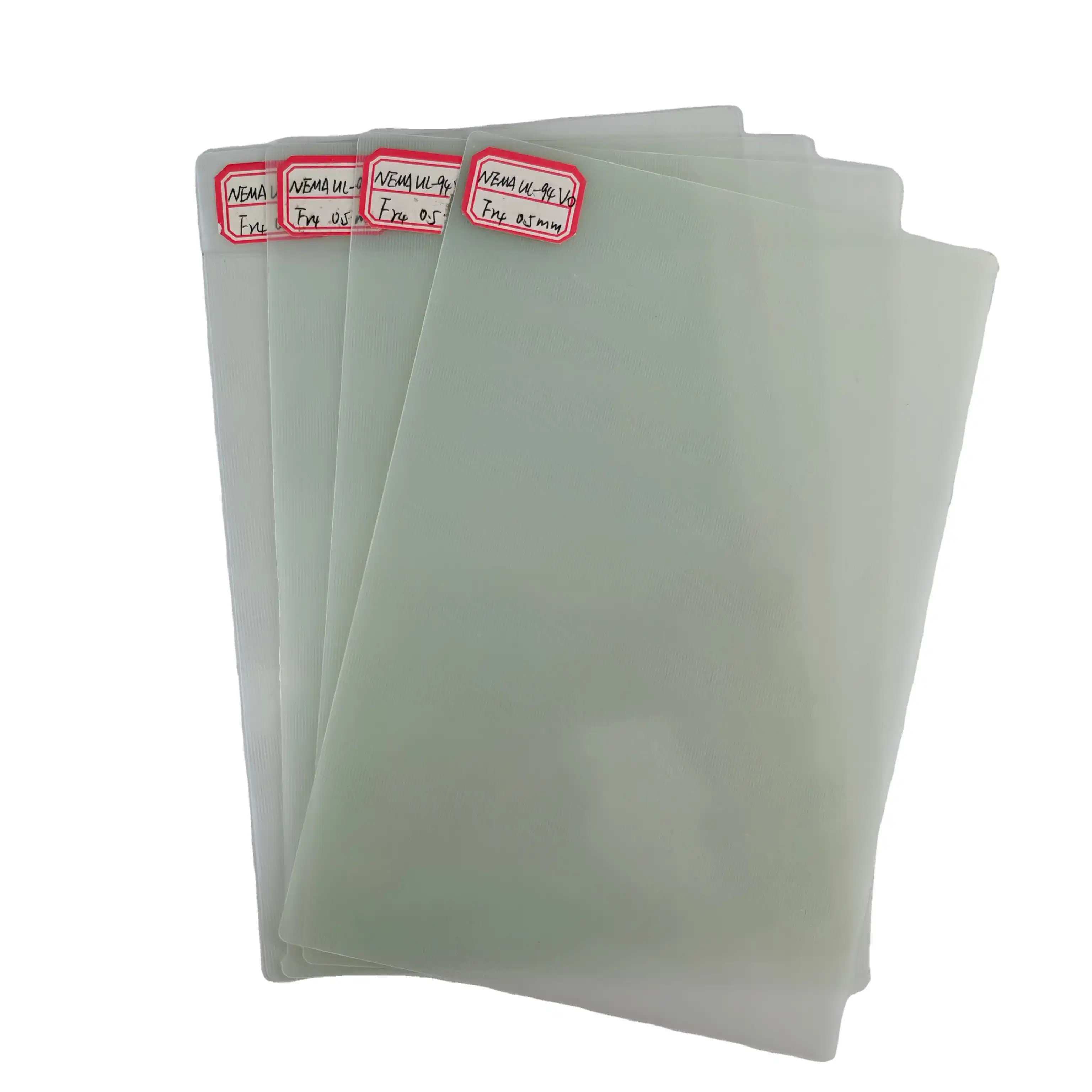
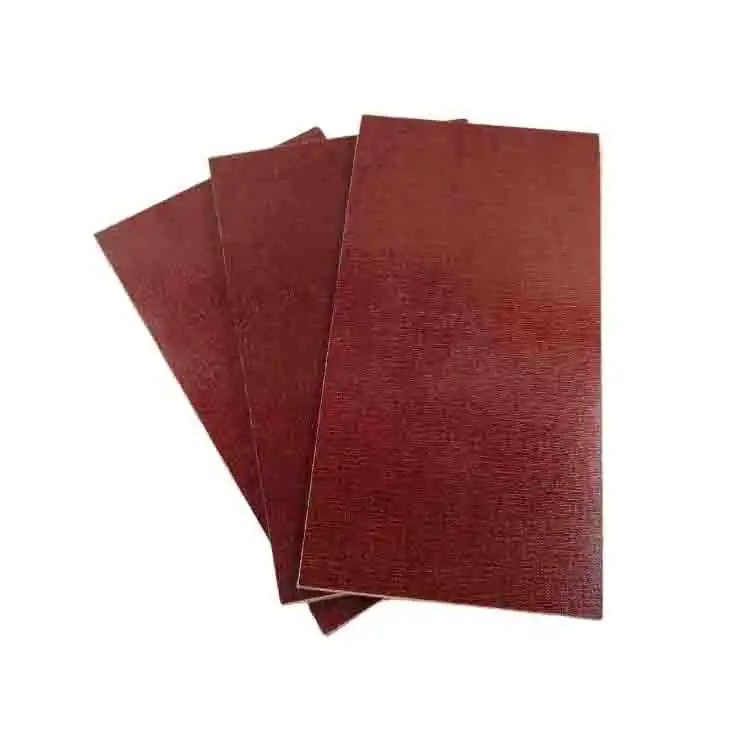
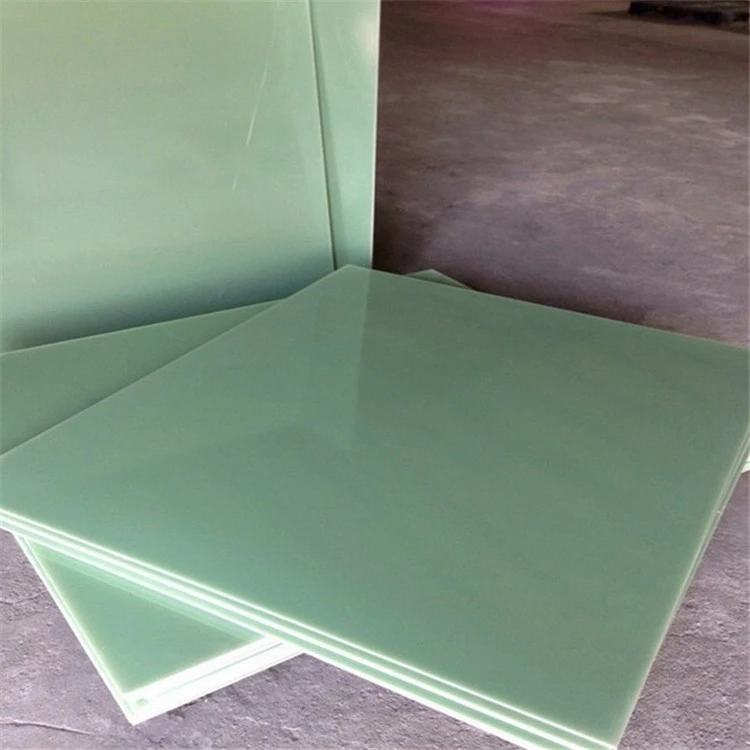
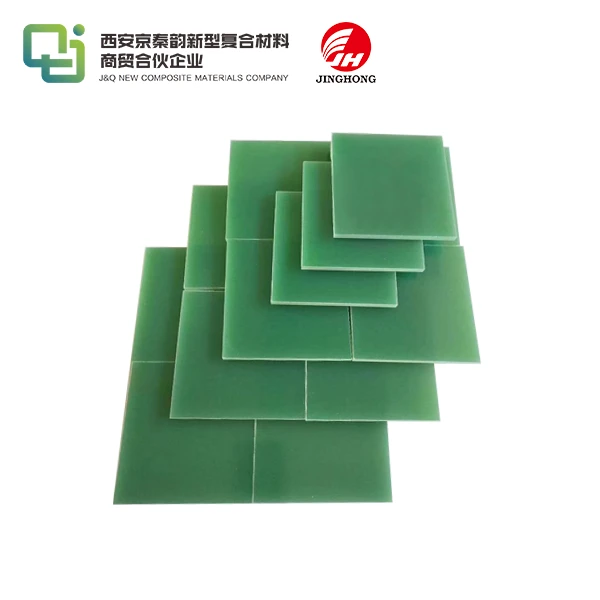
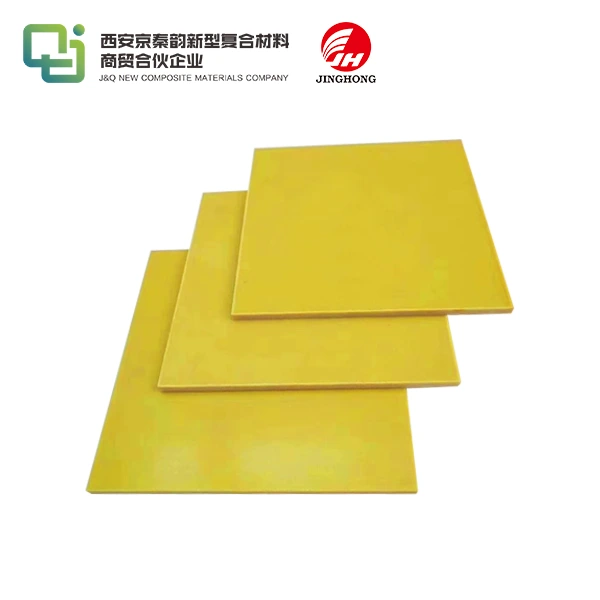
The wearable tech industry is one of the fastest-growing in the electronics industry. It needs PCB boards that work reliably in small, tough spaces. FR4 sheet is the main material used to make circuit boards for wearing electronics because it is very good at insulating electricity, being durable, not catching fire, and being affordable. The glass-reinforced epoxy laminate structure makes it stable at high temperatures and maintains its shape, making it perfect for fitness trackers, smartwatches, medical tracking devices, and other electronics that are worn on the body. Manufacturers can find a good mix between technical performance and production efficiency with this tried-and-true base, all while meeting strict safety standards.
Understanding FR4 Material and Its Role in Wearable Technology
The Composition and Structure of FR4 Epoxy Laminates
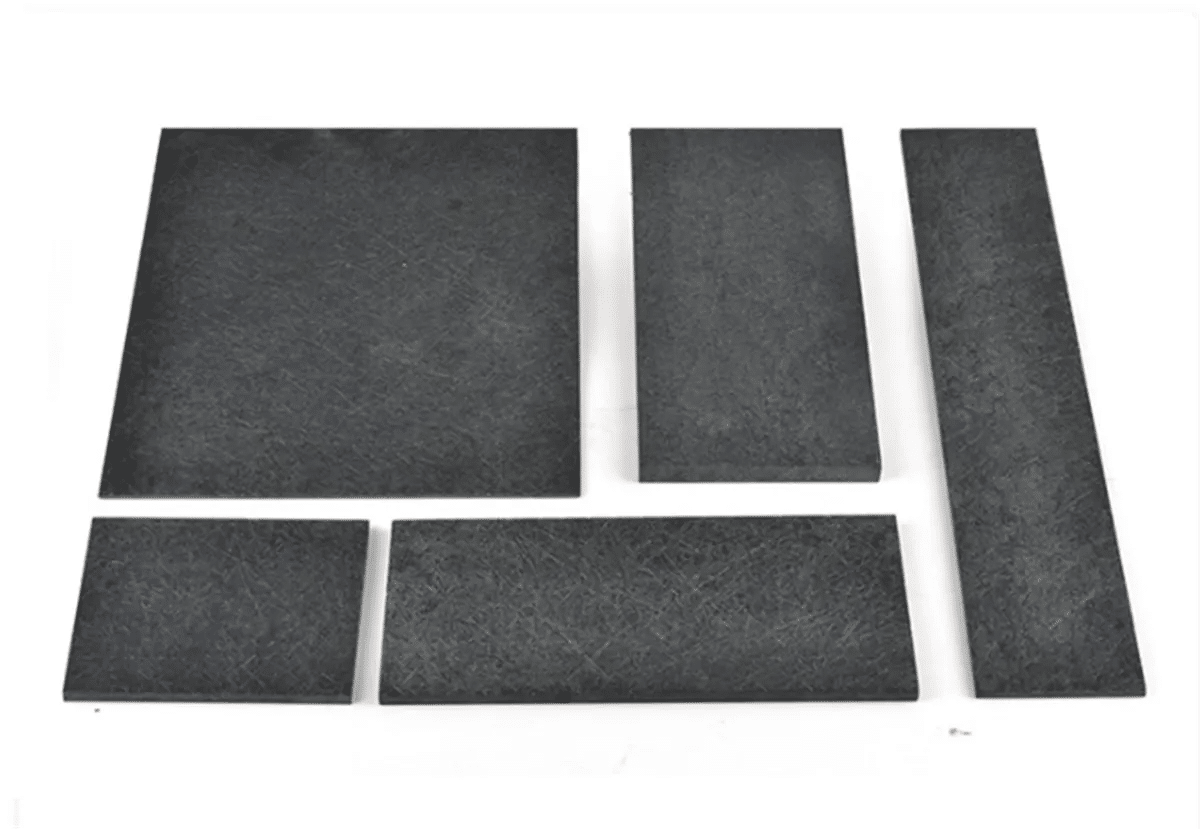
According to NEMA LI-1 guidelines, FR4 sheet is a high-pressure thermosetting industrial laminate. The substance is made up of continuous thread glass cloth reinforcement that has been mixed with epoxy glue. The "FR" label means that the product is flame retardant. This is done by using bromine-based chemicals that meet UL94 V-0 flammability standards. FR4 sheet is different from older materials like G10, which couldn't fight fire, because it can put itself out on its own. The finished epoxy system provides electrical insulation and chemical defense, while the glass fiber matrix gives the structure strength.
Critical Properties for Wearable Applications
For normal grades, FR4 sheet's glass transition temperature (Tg) is between 130°C and 140°C. High-Tg versions can hit 170°C to 180°C. Wearable electronics that are exposed to body heat, changes in temperature, and heat production from electronics inside the device need to be able to handle these changes. The material keeps its dielectric constant around 4.8 at 1MHz and its breakdown voltage above 40kV, which makes sure that the signal stays intact and that there is no electrical interference. Wearables that are exposed to humidity don't break down because of water absorption rates below 0.15%.
Meeting Industry Standards and Certifications
A lot of foreign standards, like NEMA LI-1, MIL-I-24768/27, and ASTM D709, are met by good FR4 sheet materials. These approvals reassure teams that buy things that materials meet strict performance standards. UL and ROHS compliance are rules that technology makers must follow for safety and the environment. Companies making wearable goods can cut down on the time it takes to get qualified and the risk of breaking the law by getting approved materials from well-known sources. Along the whole supply chain, these guidelines make it possible to check the quality of products in an objective way.
Comparison of FR4 with Alternative PCB Substrates for Wearable Devices
Evaluating Material Trade-Offs
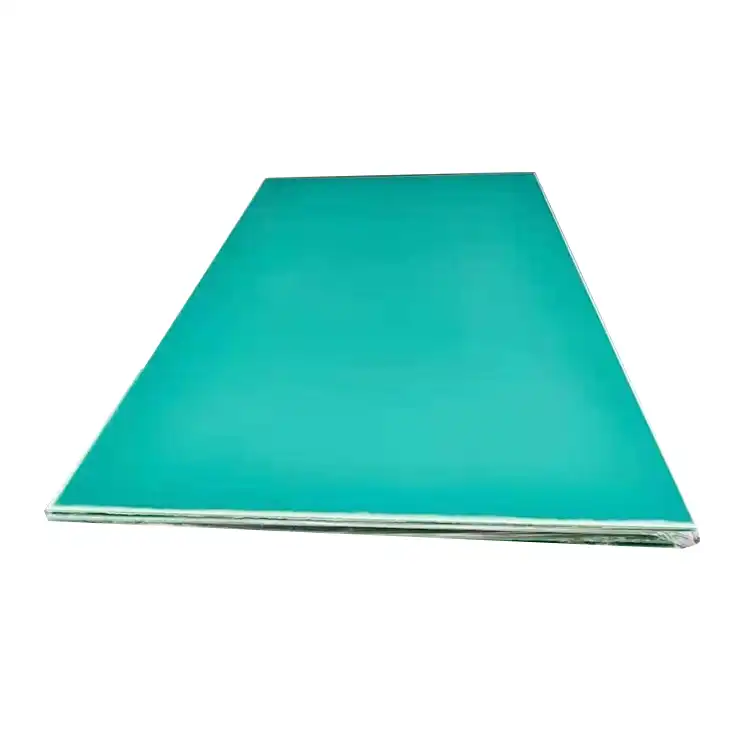
When engineers choose PCB materials for wearable tech, they have to think about how well they work and how much they cost. Polyimide films are very flexible, which makes them perfect for circuits in fabric-integrated devices that can really be bent. But polyimide usually costs three to five times as much as FR4 sheet and needs to be processed in a certain way. Aluminum-backed surfaces are great at transferring heat, but they are heavier and can't have as many complex circuit layers. Rogers' high-frequency laminates offer better signal performance, but they are too expensive for consumer gadgets that need to be cheap.
The architecture of the gadget and the efficiency needs have a big impact on the material selection process. The balanced qualities of FR4 sheet help rigid worn parts like watch mainboards, sensor housings, and battery management systems. The base has a flexural strength of over 70,000 PSI in the lengthwise direction, which is enough mechanical power. This rigidity helps place components and keeps delicate electronics from getting damaged by everyday use. Because the infrastructure for handling FR4 sheet is already in place, lead times are faster and there are more supply choices than for specialized materials.
Cost-Effectiveness in Volume Production
When choosing a substrate for market gadgets, manufacturing costs are very important. FR4 sheet is much cheaper than other materials because it is widely available, production equipment is uniform, and supply chains are well established. The material is easy to work with carbide or diamond-tipped tools, and it can be used with CNC machines to make unique forms and cuts. Consistent material qualities and predictable processing factors are good for mass output. Manufacturers of appliances and consumer goods can meet their production costs goals while still keeping quality standards that meet performance requirements and market expectations.
Technical Specifications That Matter for Wearable Technology PCBs
Dimensional Precision and Thickness Control
Wearable electronics need to have tight limits on sizes because they have to fit in small spaces and millimeters matter. Standard thicknesses for FR4 sheets range from 0.4mm to 3.2mm, but unique thicknesses can be made by working with the provider. NEMA guidelines for flatness limits make sure that parts are placed correctly and that the assembly is reliable. Changes in thickness have a direct effect on controlling the impedance of high-speed signal lines, which is why it is important to have uniform material characteristics. Teams in charge of buying things should set limits on how much the width can vary and use quality paperwork to make sure that suppliers can meet these needs.
Surface Quality and Peel Strength Considerations
How long something will last under temperature cycling and mechanical stress depends on how strong the bond between the copper and the plastic is. When the peel strength is above 1.4 N/mm, it sticks well enough for most wearing uses. Surface finish choices like HASL, ENIG, and OSP affect how well something can be soldered, how well it resists rust, and how long it will last. Inspection procedures must make sure that the surface doesn't have any flaws like pits, boils, or alien objects that could affect how well it works electrically. Solder float testing at 288°C for ten seconds shows that the material won't delaminate during assembly, which is a must for materials that are used in production.
Electrical Performance Under Operating Conditions
Comparative tracking index (CTI) and dielectric breakdown voltage readings show that the epoxy is setting properly and there are no holes inside. These factors make sure that the padding always has a resistance of more than 500 megaohms, even when it's wet. Low dielectric constant and loss tangent keep signal degradation to a minimum in RF circuits that are popular in wireless gadgets. Material shipments should come with evidence of batch tests. This makes it possible to track the materials and ensures quality. To avoid field problems caused by substrate performance limits, engineering teams must match material standards with circuit design needs.
Procurement Guide for FR4 Sheets in Wearable Electronics Manufacturing
Supplier Evaluation and Certification Requirements
Several quality factors must be looked at in order to choose a reliable FR4 sheet provider. Manufacturing certifications like ISO 9001 show that quality management is organized, and ISO 14001 shows that a company cares about the environment. Suppliers should give proof of material approval, such as UL recognition, ROHS compliance statements, and test results that confirm the electrical and mechanical qualities. Big technology companies have relied on companies like Shengyi, Isola, Nelco, and Toshiba to provide them with approved materials in the past. Looking at a supplier's production capacity, quality control methods, and expert support skills can help you find partners with whom you can do business for a long time.
Strategic Sourcing Considerations
Different suppliers have very different minimum order amounts, which makes it hard to plan supplies and figure out how much working capital you need. Some makers can make small runs of prototypes, while others focus on sales for a lot of products. Lead times can be anywhere from two to eight weeks, based on the type of material, the amount ordered, and the location of the seller. People who work in procurement should ask for specific price models that show how much the base materials cost, how much handling fees are, how much customization costs, and how much logistics costs. By agreeing to buy in bulk, you can get savings for buying more and set up framework contracts with clear terms for price and delivery.
Design improvement is possible when you know what kinds of customizations the provider can do. Custom thickness requirements, non-standard FR4 sheet sizes, and special surface processes may need more time and money to buy the right tools. Requests for quotes that are well-thought-out should include technical drawings, needs for the material's properties, quality standards, yearly volume estimates, and expectations for when the goods will be delivered. With this information, providers can give accurate quotes and spot any possible technical problems early on in the buying process. Setting up clear lines of contact with provider technical teams makes it easier to solve problems and keep making things better throughout the whole production process.
Future Trends and Innovations in FR4 Material for Wearable Technology
Advanced Material Development
New developments in material science keep making FR4 sheet work better for next-generation gadgets. High-Tg formulations can now hit glass transition temperatures above 180°C, which makes it possible for power-dense devices to work at high temps. 5G gadgets that need high-frequency performance can use low-loss versions to keep signals from getting weak. Halogen-free flame protection systems are better for the environment and still meet UL94 V-0 standards. Because of these changes, product makers can now push the limits of efficiency while still meeting changing regulatory needs.
Sustainability efforts push researchers to find ways to make epoxy systems and bio-based plastic parts that can be recycled. More and more, manufacturers want clear documents about the supply chain, such as data on carbon impact and certifications for conflict minerals. Supplier-led improvements in lean production cut down on wasteful use of materials and processing energy. These trends are in line with companies' goals for sustainability and could lower the total cost of ownership. To make businesses competitive in markets that care about the environment, procurement strategies should include sustainable factors along with standard performance and cost measures.
Market Dynamics and Supply Chain Evolution
The fast rise of the wearable technology market is driving demand in exercise, healthcare, workplace safety, and consumer lifestyle. Spreading out supply lines across different regions lowers the risk of concentration and makes them more resilient to shocks. Having ties with several qualified providers gives you the freedom to find the best balance between price, wait time, and service levels. Digital buying tools make it easier to find suppliers, compare quotes, and handle orders. Adopting these tools speeds up tasks that are done over and over again and makes data easier to see for making smart decisions.
Proactive sourcing tactics are possible by keeping up with changes in material supply, price trends, and technology. By joining trade groups, going to trade shows, and keeping in regular contact with suppliers, you can learn about new technologies and changes in the market. Forward-thinking buying departments make backup plans for things like supply problems, changing prices, and changes to specifications. This planning lowers the risk of business interruption and lets you act quickly on market opportunities.
Conclusion
FR4 sheet is still the best choice for wearable technology PCBs because it has the right amount of electrical insulation, mechanical strength, heat stability, and low cost. The material is flame retardant, meets international standards, and has a well-established production infrastructure. These factors make it perfect for a wide range of wearable uses, from fitness trackers for consumers to medical monitoring gear. Sometimes, specialized materials work better in certain performance areas, but FR4 sheet works well with most wearable device designs and doesn't cost too much to make. Strategic procurement that focuses on qualifying suppliers, quality assurance, and technical teamwork makes sure that there is a steady supply of materials that support innovation in this fast-paced market area.
FAQ
Can FR4 be used in flexible wearable circuits?
Standard FR4 sheet is stiff instead of flexible, so it can't be used for circuits that can really bend and fit the shape of the body. But rigid-flex PCB designs use the best qualities of both materials by combining FR4 sheet stiff parts with polyimide flexible interconnects. This mixed method works well for wearables that need both solid support and limited freedom.
How does FR4 handle managing heat in small wearables?
FR4 sheet has a middling thermal conductivity of about 0.3 W/mK, which helps low- to moderate-power devices get rid of heat. In key places, thermal vias, copper heat spreading layers, or aluminum-backed substrates may help with higher power uses. The right thermal design keeps parts from getting too hot while keeping the surface at a safe temperature for skin contact.
Can FR4 specifications be customized for specific wearable requirements?
Material sources can make changes to things like widths, sheet sizes, copper weights, and surface finishes that aren't standard. Custom requirements usually have minimum order amounts and longer wait times. By involving suppliers early on in the planning process, you can find ways to improve performance while also meeting cost and manufacturing standards.
Partner with J&Q for Reliable FR4 Sheet Supply
As a recognized provider of FR4 sheets for wearable tech, J&Q has more than twenty years of experience making insulating materials and more than ten years of experience trading internationally. Our long-term relationships with major selling companies in the United States and other countries allow us to provide approved materials that meet UL94 V-0, ROHS, and NEMA requirements. We offer full support from reviewing the original specifications to delivery, and our prices are fair for both prototypes and large-scale production. Our combined transportation services make managing the supply chain easier and speed up the time it takes to get a product to market. Get in touch with our expert team at info@jhd-material.com to talk about your wearable PCB substrate needs and get a quote that fits your quality, delivery, and price needs.
References
Coombs, Clyde F. "Printed Circuits Handbook, Seventh Edition." McGraw-Hill Education, 2016.
Gilleo, Ken. "AREA Array Packaging Handbook: Manufacturing and Assembly." McGraw-Hill Professional, 2002.
National Electrical Manufacturers Association. "NEMA LI 1-1998: Industrial Laminating Thermosetting Products." NEMA Standards Publication, 1998.
Prasad, Ray P. "Surface Mount Technology: Principles and Practice, Second Edition." Springer Science & Business Media, 2013.
Sergent, John E. and Charles A. Harper. "Hybrid Microelectronics Handbook, Second Edition." McGraw-Hill Professional, 1995.
Tummala, Rao R. "Fundamentals of Microsystems Packaging." McGraw-Hill Professional, 2001.