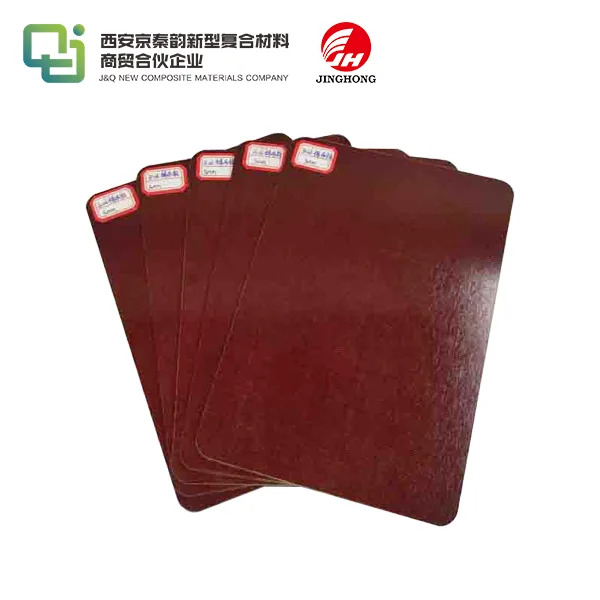
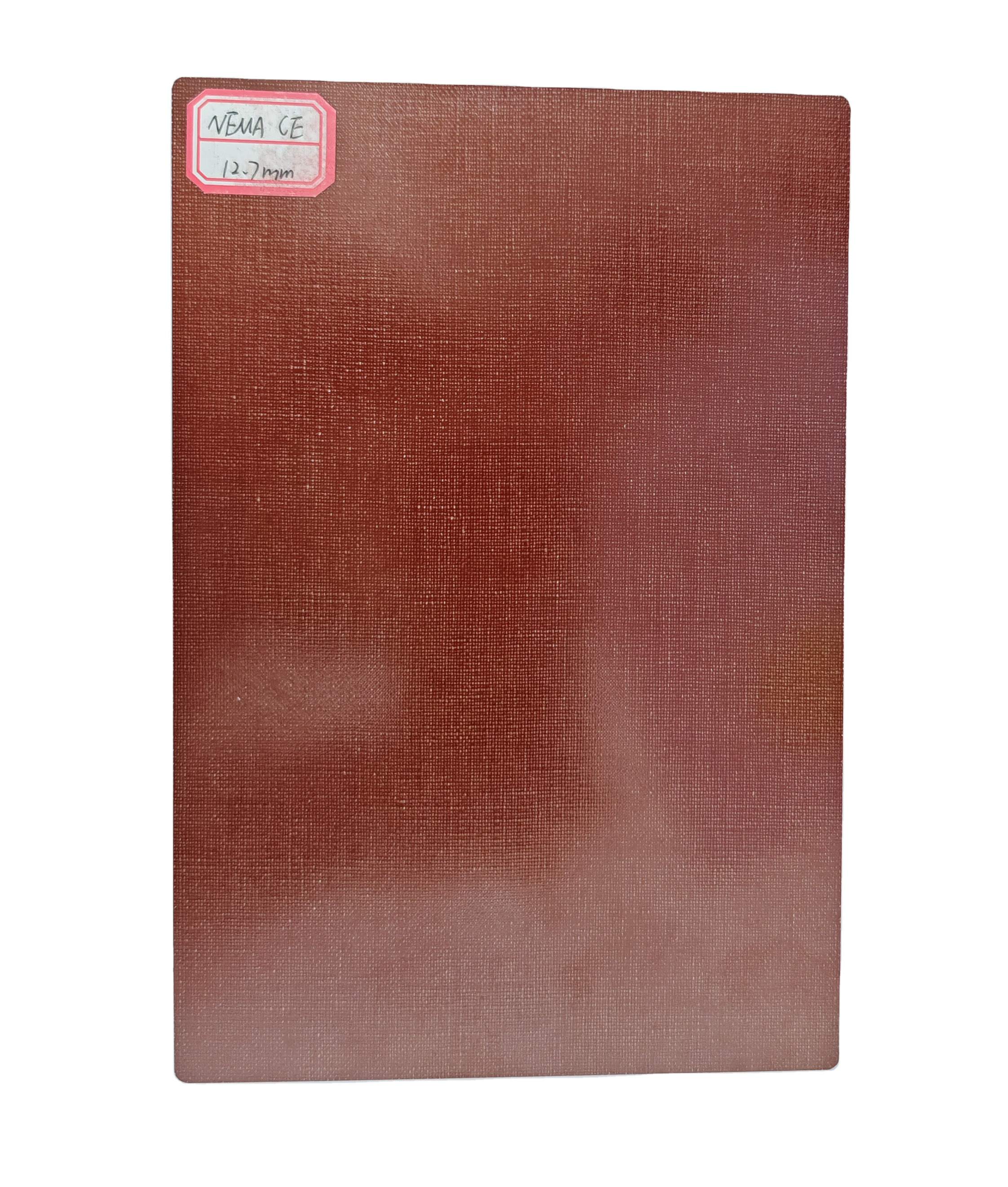
Why Textile Machinery Prefers Phenolic Cotton Cloth Laminates
2026-07-06 17:24:34
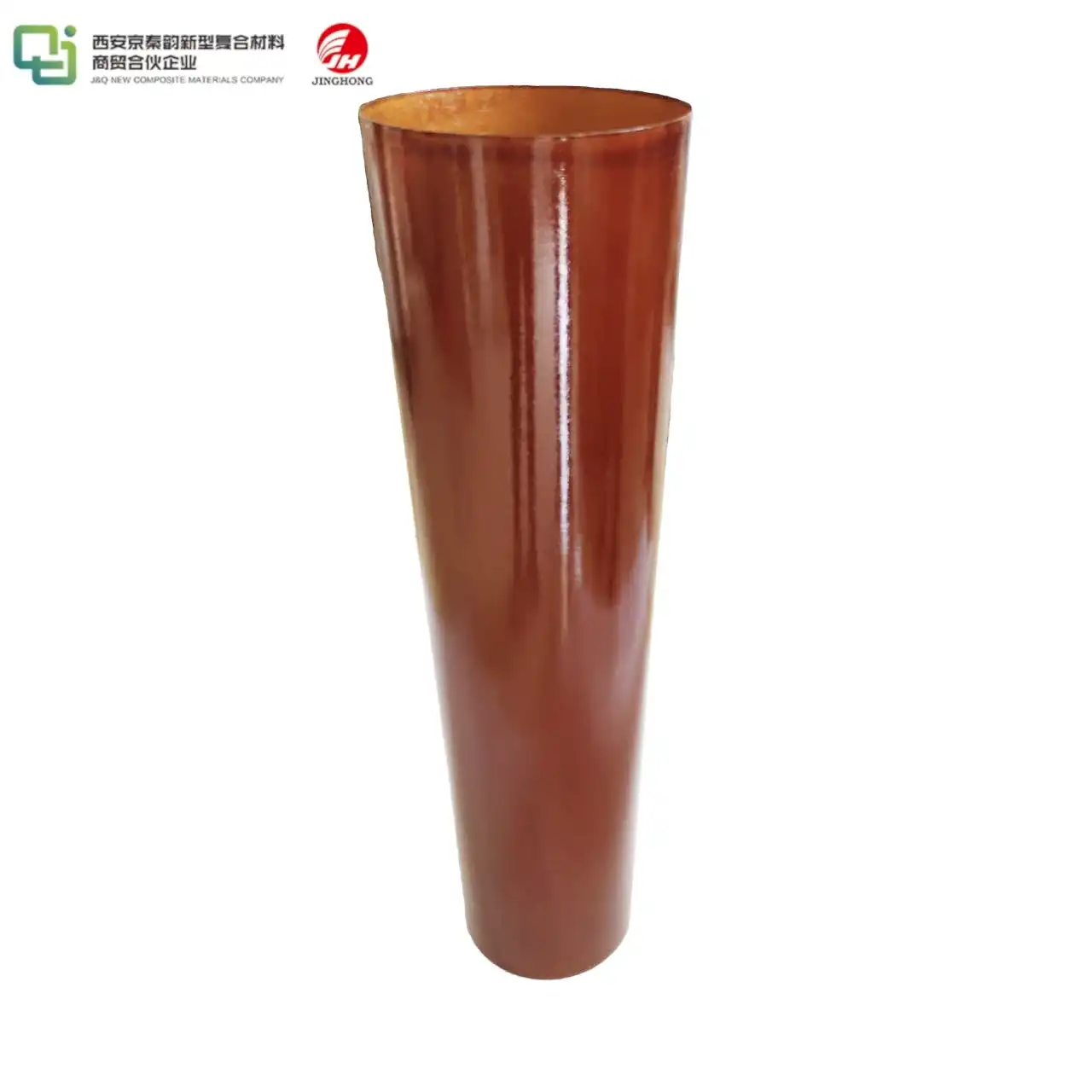
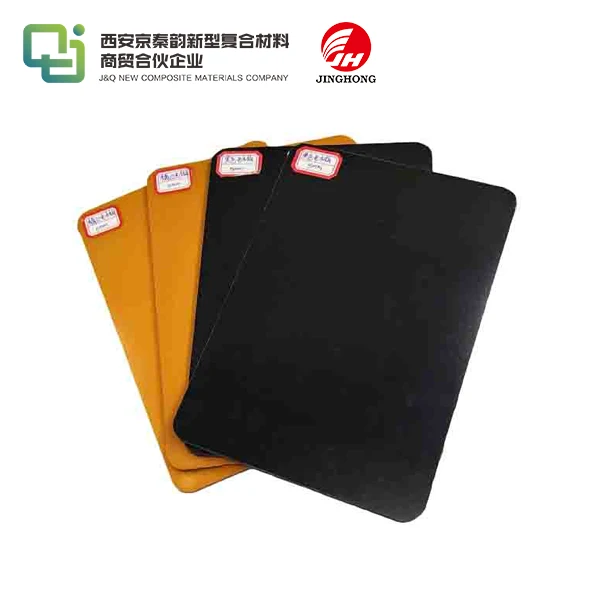
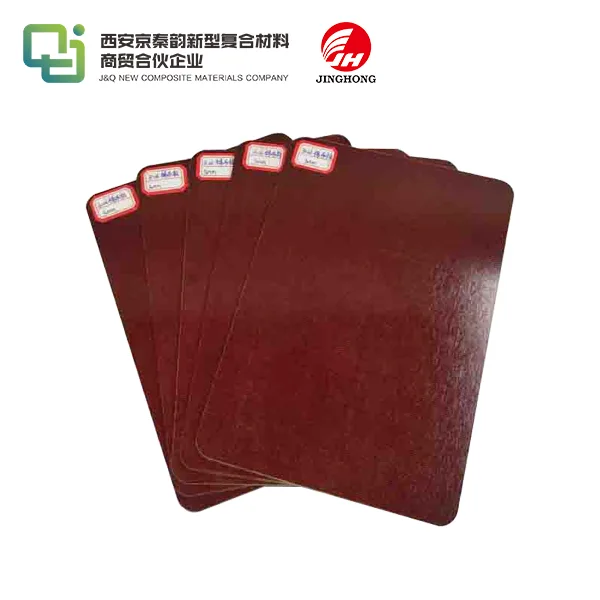
Textile gear works in one of the toughest industrial settings, with parts being constantly rotated at high speeds, heated, and rubbing against each other. Working with engineering managers and procurement specialists for years, I've seen that phenolic cotton cloth sheet materials always do better in these tough situations than other options. The cotton fabric layers in these thermosetting laminates are saturated with phenolic resin, which makes a composite that is very strong, stable at high temperatures, and resistant to wear. These properties directly lead to less downtime and lower maintenance costs in textile manufacturing operations.
Understanding Phenolic Cotton Cloth Laminates and Their Core Properties
What Makes Phenolic Cotton Cloth Laminates Unique
Phenolic cotton cloth sheets are made using a certain production method to make engineered composite materials. The layers of cotton cloth are mixed with a phenolic resin and then processed at high temperatures and under a lot of pressure. This method makes sure that the resin bonds evenly throughout the structure of the material. The sheets that are made have better mechanical and heat properties than fabrics that haven't been treated or simple polymer films.
The strict steps used to make these laminates result in materials that meet NEMA standards, especially Grade C requirements. When buying teams are looking for parts for textile machinery, they can count on this classification to give them regular performance parameters. The material stays structurally sound at temperatures ranging from -65°C to +105°C, which means it can be used in a wide range of commercial settings.
Key Material Characteristics That Matter
Phenolic cotton cloth sheets are different from other shielding materials because of a few core qualities. The material has great crushing strength because it is made of cotton cloth, which is more flexible than phenolic materials made from paper. This toughness is especially useful in situations where there are mechanical loads or impacts.
The ability to insulate against electricity is another important benefit. Because these laminates are insulating, they can be used in textile facilities in electrical panels, transformers, and switches. This dual purpose—offering both mechanical support and electrical isolation—makes designing machines easier and cuts down on the number of parts needed.
One useful quality that engineering teams like is that it is machinable. The material works well for drilling, cutting, turning, and milling, so unique parts can be made precisely without the need for special tools. This feature shortens the time it takes to get new parts and makes fast prototyping easier during the creation stages of machinery.
Comparing Performance Against Alternative Materials
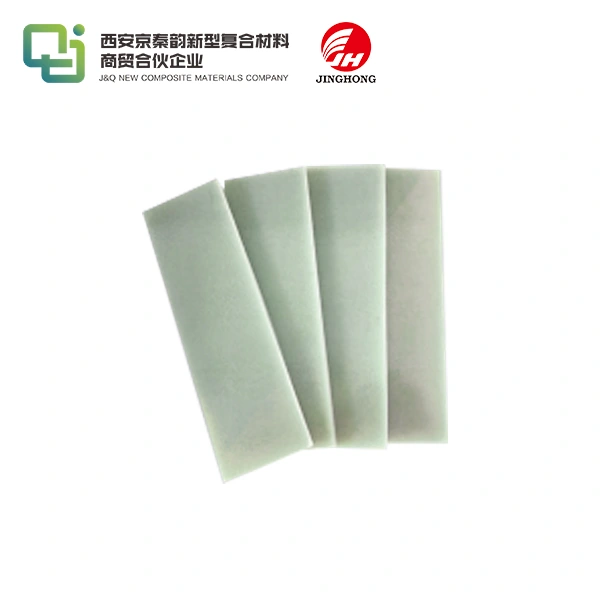
When compared to fiberglass cloth laminates, phenolic cotton versions are more resistant to pressure and easier to work with, but fiberglass materials may have higher temperature ratings. Phenolic versions of cotton laminates usually have better chemical resistance to oils and solvents that are common in textile manufacturing settings compared to epoxy versions.
It is important to pay close attention to how fire-resistant phenolic products are. The phenolic resin system naturally doesn't melt when it comes in contact with high temperatures; instead, it chars. This behavior makes a barrier that stops the flame from spreading, which is an important safety factor that can't be ignored in places that work with flammable fibers.
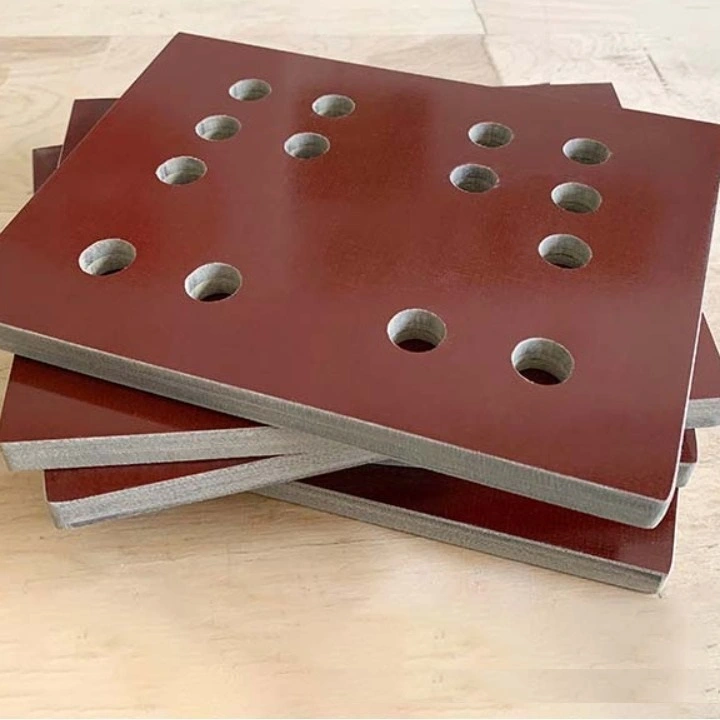
Why Textile Machinery Relies on Phenolic Cotton Cloth Laminates
Addressing Heat Generation Challenges
Textile gear makes a lot of heat because the wheels, rollers, and drive systems are always running at high speeds. When exposed to heat for a long time, traditional insulation materials often break down, losing their functional qualities and needing to be replaced too soon. Phenolic cotton cloth sheets keep their shape and power even after being exposed to high temperatures for a long time within their recommended range.
Because of their thermal conductivity, these materials are good at getting rid of heat while still being insulating. This balance keeps critical areas from getting too hot without affecting electrical separation. This keeps operational safety margins high and improves the life of components.
Solving Friction and Wear Problems
Abrasive and frictional forces are always acting on the mechanical parts of weaving machines. The 3026 grade phenolic cotton cloth sheet, which is made with a coarse-weave structure, has great resistance to wear, which directly solves this problem. When the material is made into gears, bearings, or bushings, it has a lower coefficient of friction than metal-on-metal contact, which means that matching surfaces wear less quickly.
This ability to fight wear makes it possible for what experts call "silent mechanical transmission." In real life, phenolic gears that are meshing with metal peers absorb vibration and work with much lower noise levels. These benefits have been shown in the automotive and heavy machinery industries, where maintenance teams have reported longer service times and lower oil needs.
Enhancing Component Durability
Phenolic laminates have strong binding qualities that help parts last longer. Layered materials can separate when they are put under mechanical stress or changing temperatures, but phenolic cotton sheets that are made correctly will keep their laminar structure for the whole time they are in use. This structural stability stops holes or weak spots from forming that could lead to failure.
Engineers define 3026 grade material for roll neck bearings and joints in steel rolling mills, which have very rough conditions. The material can handle rough elements like dust and scale while working with water lubrication, which is a setting where bronze bearings often break down too soon. The phenolic option stops seizures and makes the assembly last longer, showing real-world reliability benefits that lead directly to lower running costs.
Comparing Phenolic Cotton Cloth Sheets with Alternative Materials
Performance Parameter Analysis
When choosing materials for industrial uses, you need to carefully look at a number of performance factors. When it comes to insulation materials, phenolic cotton cloth sheets are one of a kind because they offer a balance of strength, heat performance, and cost-effectiveness that other materials can't fully match.
The mechanical strength of phenolic cotton laminates is higher than that of polyurethane-based materials, especially when they are loaded compressively, which is common in structural and bearing uses. Epoxy cotton cloths may have a slightly higher tensile strength in some grades, but phenolic forms keep their shape better over time when exposed to oils and industrial solvents that are common in textile production settings.
Another thing that sets them apart is their temperature flexibility. While glass fiber composite materials may be able to handle higher peak temperatures, they are not very useful in real life because they are fragile and hard to machine. Phenolic cotton sheets can handle the temperature needed for most textile gear jobs, and they are also much easier to work with and more resistant to damage.
Chemical Resistance and Lifecycle Considerations
Because phenolic resin systems are chemically resistant, they work better in places where they are constantly exposed to hydraulic fluids, oils, and cleaning agents. When soaked in transformer oil, the material keeps its mechanical qualities and dimensional stability. This means that it can be used in electrical equipment that is often filled with oil in industrial facilities.
Lifecycle cost analysis often chooses phenolic cotton laminates over options that seem to be cheaper. Total ownership economics that are better than materials with higher failure rates or shorter useful lifespans are created by longer service lives, less frequent upkeep, and lower replacement labor costs. When purchasing professionals look at materials based on their lifetime value instead of just the purchase price, they always find that phenolic laminates give them the best return on their investment.
Quality Indicators for Supplier Evaluation
When looking for phenolic cotton cloth sheets, there are a few quality signs that can help you tell the difference between good and bad sellers. Uniformity in the resin content affects both the mechanical and heat performance. High-end makers keep resin-to-fabric ratios within tight limits during production runs. Cross-sections can be looked at to see that the impregnation is even and there are no empty or dry spots.
Another important quality factor is the consistency of the fabric's weave. Premium materials are made from high-quality cotton cloth that has the right weave tension and uniform thread counts. This base makes sure that the sheet's mechanical properties are the same all the way through and that its machining qualities can be predicted. Certifications like ISO 9001 for quality management and UL standards for electricity performance give even more proof that the products are made the same way every time.
Procurement Considerations for Phenolic Cotton Cloth Laminates
Identifying Reliable Supply Partners
Finding makers whose phenolic cotton cloth sheets are consistently good across production batches is the first step in doing good buying. High-volume textile machinery production needs suppliers with well-established quality control systems and written traceability processes. These suppliers are reliable. Companies that sell directly from the factory cut out middlemen and their markups, giving customers direct access to technical support and the ability to make changes.
Distribution networks are important for businesses that run in more than one location or area. Lead times are cut down and customs procedures are made easier for suppliers who serve both European and American markets through established transportation relationships. Offering customized shipping options, such as full container loads for big projects or smaller amounts for upkeep stock, gives businesses more operating freedom that procurement teams that are always on the go value.
Optimizing Order Quantities and Inventory
Minimum order amounts vary a lot between providers, which makes it hard to plan inventory and figure out how much working capital you need. Manufacturers that focus on industrial customers usually set their MOQ policies so that they can handle both production orders and the need for upkeep stock. Planning to buy in bulk during the construction of machinery or big overhauls gets the best prices and makes sure that materials are available when they are needed.
When lead times can be predicted, just-in-time stocking methods can be used to cut down on storage costs without putting production at risk. Procurement workers who are working on multiple projects at the same time will give preference to suppliers who keep enough raw materials on hand and show consistent production cycle times. Being able to offer fast service for pressing repair needs, even at higher prices, protects against equipment breaking down without warning.
Verification and Quality Assurance
In business buying, it is still common to ask for samples before committing to large orders. Engineers can check the machining features, make sure the dimensions are within tolerance, and do application-specific tests in real-world settings using physical samples. This step of checking stops specification mismatches that could hurt the performance of machinery or need expensive remake work.
Quality certificates are written proof that something meets the standards of the business. ISO certifications show that quality management is done in a planned way, and UL listings prove that electricity performance traits are met. The REACH compliance paperwork covers health and environmental safety rules that are especially important for European markets. When suppliers offer full licensing packages, it shows that they care about being open and following the rules.
Integrating Phenolic Cotton Cloth Sheets into Your Textile Machinery Solutions
Application-Specific Implementation
Because phenolic cotton cloth sheets are so flexible, they can be used in a wide range of textile machinery uses. The thermal stability and electrical separation qualities of the material make it a good choice for insulating heating elements. This keeps energy from being lost and keeps workers safe. Protective wrapping of electrical wires provides both mechanical security and dielectric strength, making it easier to route cables in small machinery areas.
Fire-resistant linings are an important safety application where the flame-retardant properties of phenolic materials are very important. The way the material burns in a fire creates an insulated layer that slows heat transfer and stops flames from spreading. This gives people more time to get out of the building and lessens property damage during thermal incidents.
Customization Options Available
Leading providers offer a wide range of customization options to meet the needs of particular machines. Different sheet thicknesses are used to handle different types of mechanical loads and limited room. Standard sheet thicknesses range from thin insulation panels to thick structural parts. For certain uses, surface coats can improve certain qualities, like how resistant they are to chemicals or how much friction they have.
When providers offer precision cutting and grinding services, they make things easier for customers and make sure the quality of the parts is at its best. Tight tolerances and complicated shapes can be made with computer-controlled fabrication tools, but they can't always be made by hand. This extra service is especially useful for testing or small-batch production, where it wouldn't make financial sense to set up internal cutting capabilities.
Technical Support for Seamless Integration
Expert technical help makes sure that phenolic parts can be successfully added to current machinery designs. Experienced application engineers help choose the right materials, make sure they are the right size, and make sure the right steps are taken for fitting so that performance is at its best. This consultative approach helps avoid common problems like not enough space between parts, bad fitting methods, or mixing materials that don't work well together, which could affect how well they work.
Help with troubleshooting when problems happen in the field is an extra service that sets top suppliers apart from commodity sellers. Having access to experts who know both the properties of materials and how to use textile machines to fix problems faster and with less downtime for production. This method of working together technically creates long-lasting connections that go beyond single deals.
Conclusion
Phenolic cotton cloth sheets are the best materials for textile machines because they work better in tough conditions. When you combine mechanical strength, thermal stability, electrical insulation, and wear resistance in one material, you get an answer to a lot of technical problems. When procurement teams look at lifecycle costs instead of just the original purchase price, these products always offer better value because they last longer and need less upkeep. They can be customized and come with expert help from skilled suppliers, which makes them even more useful in a wide range of textile machinery uses.
FAQ
What temperature range can phenolic cotton cloth sheets withstand?
Phenolic cotton cloth sheets keep their mechanical and electrical features even when they are continuously used at temperatures ranging from -65°C to +105°C. If these limits are slightly exceeded for a short time, it may be okay based on the grade and length of time, but long-term use outside of the recommended temperature range will speed up degradation. For uses that need to handle higher temperatures, you should think about using different materials or adding more cooling to keep the temps within safe limits.
How do phenolic laminates and FR4 materials for textile machinery different from each other?
FR4 materials are better at insulating electricity and withstanding higher temperatures, which is why they are chosen for PCB uses and high-voltage electrical parts. Phenolic cotton cloth sheets are better at being tough, resistant to pressure, and easy to machine. These benefits make them more useful for structural parts, bearings, and mechanical insulation in textile machines. Instead of thinking that one material is good for all uses, choosing a material should be based on the needs of the application.
Can phenolic cotton sheets be machined with standard equipment?
Drill presses, milling machines, lathes, and saws are all common metalworking tools that can be used to work with phenolic cotton cloth sheets. Carbide tooling lasts longer than high-speed steel tooling, but the material can be machined well with either type of tooling. Using coolant during milling cuts down on dust and makes the surface finish better. Unlike some advanced plastics, this material doesn't need any special fixings or cutting rules, which makes it easier to make.
Partner with J&Q for Reliable Phenolic Cotton Cloth Sheet Solutions
J&Q has been making industrial insulation materials for more than twenty years and has been serving foreign markets for more than ten years. Because we know so much about how textile machinery works, we can tell you which phenolic cotton cloth sheet specs will work best for your needs. We keep a close eye on quality throughout the whole production process to make sure that the features of each batch of material are the same. Our combined logistics services make shipping to North American countries easier by cutting down on wait times and making customs procedures simpler. Our expert team works with your engineering staff to find solutions that improve the performance and dependability of your machinery, whether you need standard sheets or precisely made parts. Get in touch with us at info@jhd-material.com to talk about your phenolic laminate needs with experts who know about both material science and textile machinery uses. As a well-known company that makes phenolic cotton cloth sheets, we welcome questions from buying teams looking for reliable supply partnerships based on quality, technical know-how, and quick service.
References
National Electrical Manufacturers Association. "Industrial Laminating Thermosetting Products: NEMA Standards Publication LI 1-2020." National Electrical Manufacturers Association, 2020.
Harper, Charles A. "Handbook of Plastics, Elastomers, and Composites." McGraw-Hill Professional, 5th Edition, 2002.
Gardziella, Arno, et al. "Phenolic Resins: Chemistry, Applications, Standardization, Safety and Ecology." Springer-Verlag Berlin Heidelberg, 2nd Edition, 2000.
International Electrotechnical Commission. "Specifications for Individual Materials Used for Insulation: Industrial Rigid Laminated Sheets Based on Thermosetting Resins for Electrical Purposes." IEC 60893 Series Standards, 2019.
Pilato, Louis. "Phenolic Resins: A Century of Progress." Springer Science & Business Media, 2010.
American Society for Testing and Materials. "Standard Specification for Industrial Laminated Thermosetting Products." ASTM D709-20, ASTM International, 2020.