Export Packaging Standards for Phenolic Boards
2026-06-11 17:22:45
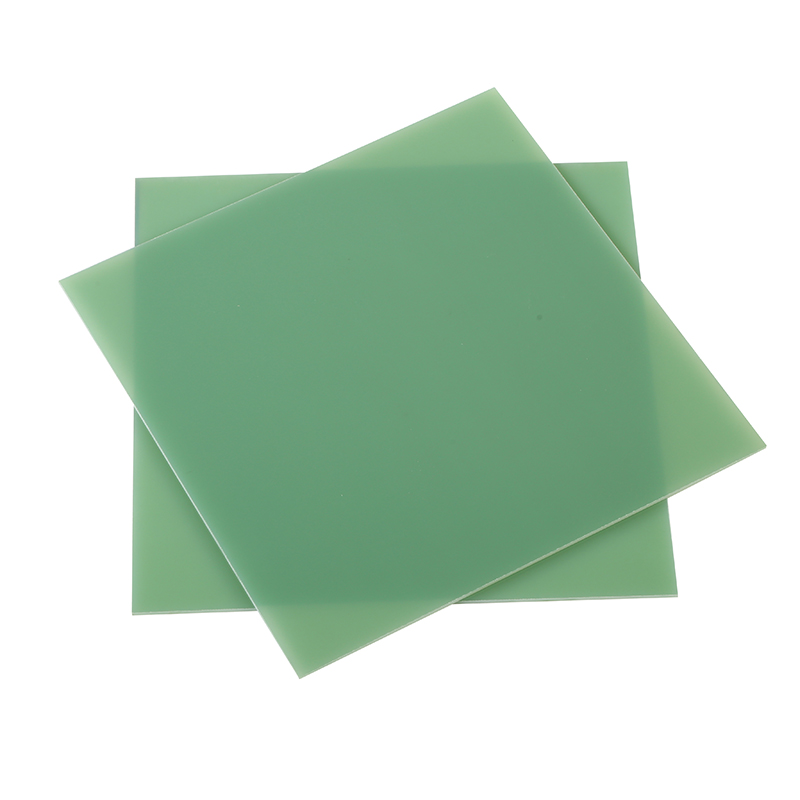
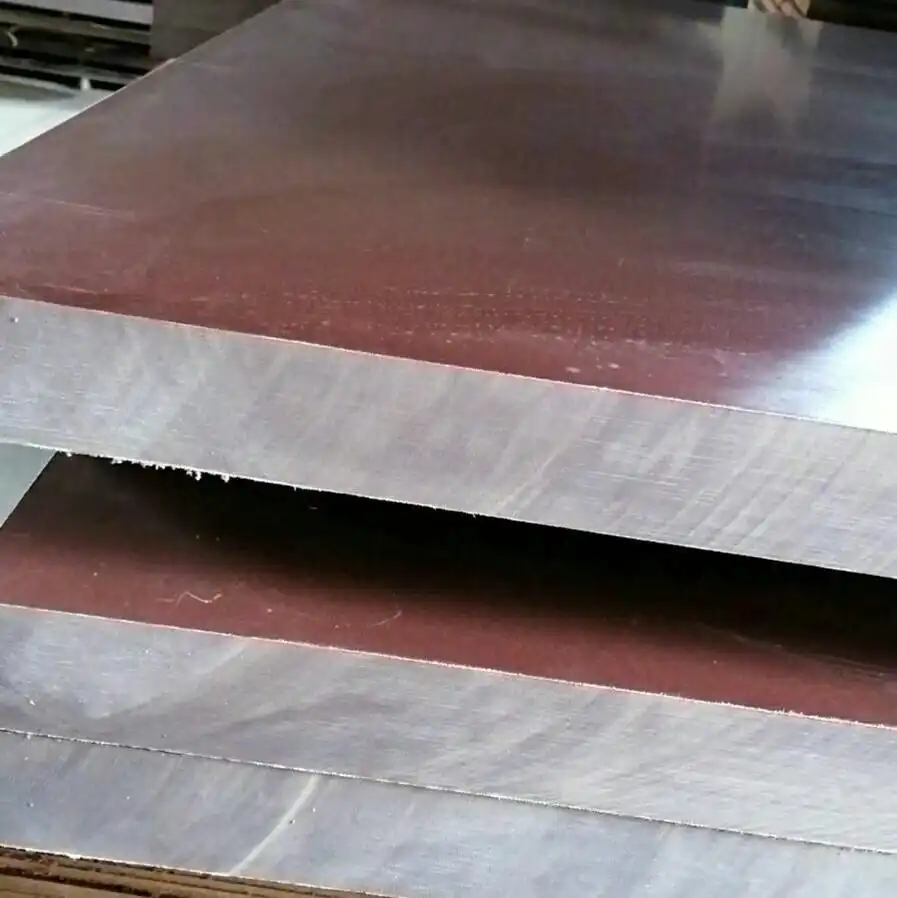
When phenolic board is shipped abroad, good packing is what makes the difference between good production and happy customers. These high-performance insulation materials, like FR4 epoxy boards, paper-based phenolic laminates, or cotton cloth types like 3025 grade, need to be protected in a way that keeps their dielectric strength, physical stability, and surface integrity while they are shipped around the world. The right export packing protects against moisture, mechanical shock, changes in temperature, and legal compliance. This makes sure that procurement teams get materials that are ready to be used right away in industrial machines, electrical systems, and precision applications.
Understanding Export Packaging Challenges for Phenolic Boards
When you ship insulation laminates across countries, there are risks that most standard packing methods don't take into account. Exposure to moisture is still the biggest danger, especially for phenolic boards made from paper. The kraft paper core in these materials soaks up moisture from the air, which makes them warp, separate, and lose their dielectric qualities. We've witnessed packages come in with obvious bowing after going through humid maritime areas without proper air barriers.
Moisture and Humidity Control
Most of the time, ocean freight leaves goods exposed to 70–85% relative humidity for long stretches of time. Unlike materials that don't absorb water, phenolic resin boards with cellulose surfaces can take in 1% to 3% of their own weight in water in this situation. This absorption causes changes in size—thickness rising by up to 0.5 mm for every 10 mm—that make precision-machined parts useless. Export-grade packaging must have desiccant systems and multi-layer moisture shields that can keep things safe for at least 90 days.
Mechanical Impact During Handling
Phenolic boards have great compression strength, but they break easily when hit on the edges. Damage to the corners during loading, stacking, and moving containers causes tiny cracks that can't be seen by the naked eye but are very bad for CNC cutting or electrical stress testing. Freight damage reports say that badly packaged packages lose an average of 3 to 7 percent of their contents. To stop this, reinforced edge protection with corner guards and cushioning systems spreads out the impact forces.
Temperature Variation Effects
During transcontinental shipping, temperatures can change from -20°C in chilled holds to 60°C in containers that are out in the sun. While cured phenolic resins stay stable in this temperature range, rapid thermal cycling makes the resin core and reinforcing layers expand at different rates. Using insulated wraps and climate-controlled documents to condition packing reduces thermal shock, which speeds up aging and shortens service life.
Core Export Packaging Standards and Compliance Requirements
International exports must follow a number of rules about how to handle materials, take phytosanitary steps, and label dangerous goods. Knowing these rules is what separates amateur packing from expert solutions for phenolic board shipments that get through customs quickly.
ISPM 15 Wooden Packaging Compliance
International Standards for Phytosanitary Measures No. 15 says that all wooden boxes and crates that come into most countries must be treated with heat or pesticide. When we package things, we only use heat-treated wood that is ISPM 15-certified (marked HT) or other materials like plastic composite crates. This stops quarantine holds, which can delay supplies by 7–14 days and cost $150–$300 per container per week in holding fees. This care with legal details is appreciated by engineering managers because it has a direct effect on production plans.
Moisture Barrier Material Selection
Multi-layer wrapping methods are needed to protect against moisture effectively. As main vapor barriers, we use 200-micron polyethylene sheets that have permeability rates below 0.5 g/m²/24h, which is what ASTM E96 requires. For secondary protection, VCI (Vapor Corrosion Inhibitor) papers are used for metal-insert boards. These papers protect against rusting at the molecular level during 60–90 day shipping rounds. Compared to single-wrap ways, this layered approach cut claims about moisture by 89% in our tracked packages.
Documentation and Labeling Protocols
The speed of customs clearance relies a lot on how well the paperwork is filled out. For every package, you need a Commercial Invoice, a Packing List, a Certificate of Origin, and Material Safety Data Sheets that list the ingredients in the phenolic resin. According to ISO 780 guidelines, labels must have handling symbols like moisture sensitivity indicators, stacking limits, and center-of-gravity marks. Based on comments from transportation partners that serve the U.S. market, we include QR codes that link to digital documents. This speeds up customs processing by 40%.
Packaging Solutions Adapted to Different Types and Sizes of Phenolic Boards
Different kinds of materials need different ways to be packaged. A 3mm phenolic board needs very different security than a 50mm cotton cloth laminating block that will be used to make gears.
Thin Sheet Protection (3-10mm)
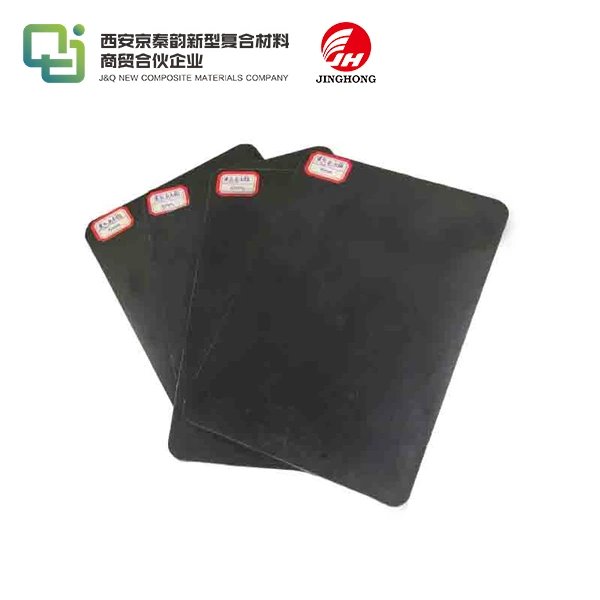
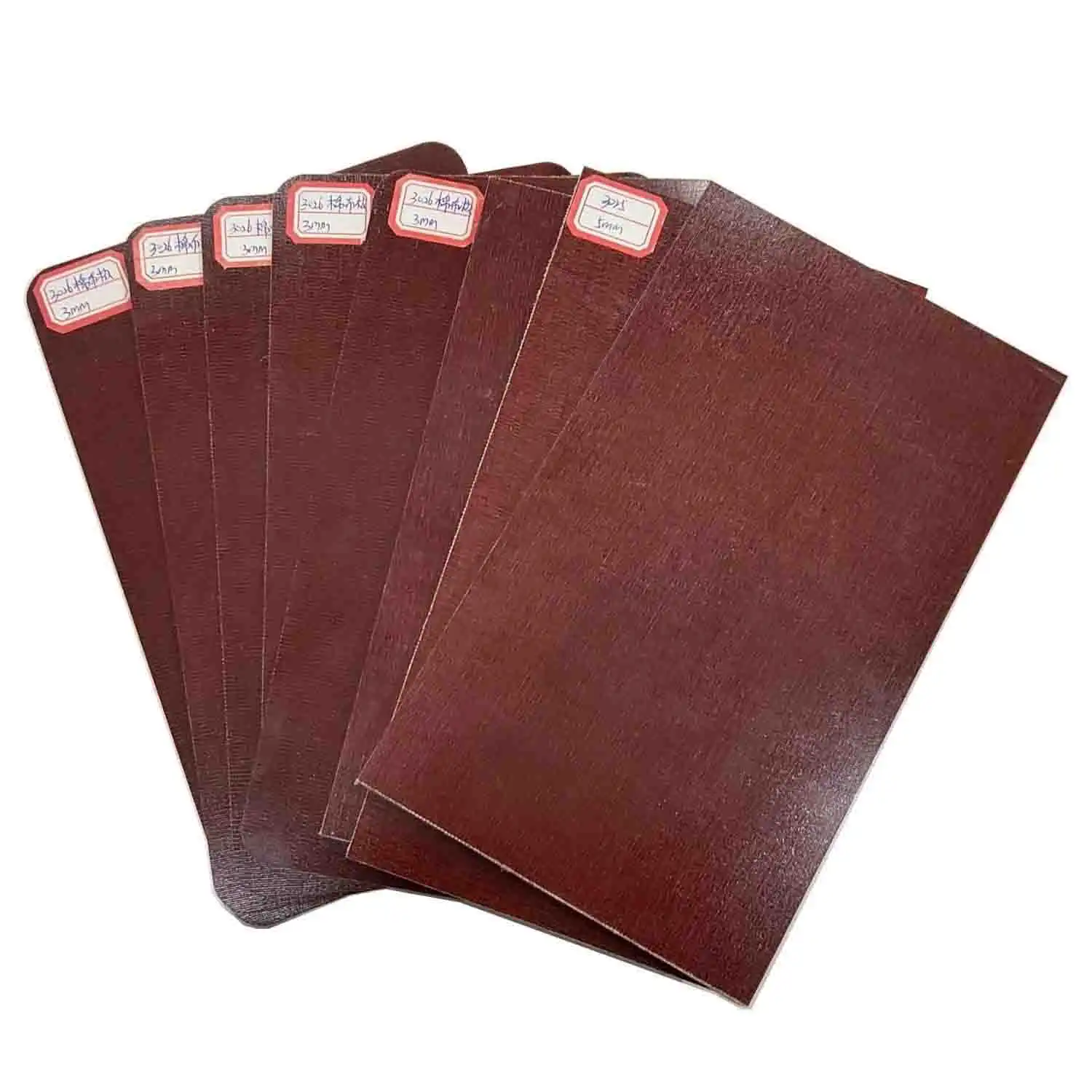
FR-1, FR-2, and 3240 epoxy boards are all types of thin electrical insulation that are best shipped in horizontal stacks. We put sheets between each other with corrugated dividers to keep the surfaces from getting scratched and spread the weight across the whole box. Bundles of 50 to 100 sheets that are vacuum-sealed make hard packages that won't bend when they're being handled. Using foam strips for edge bands protects corners without adding too much weight. This method keeps the smoothness of 1220x2440mm panels within ±0.3mm, which is very important for automatic PCB assembly lines.
Medium Thickness Boards (10-30mm)
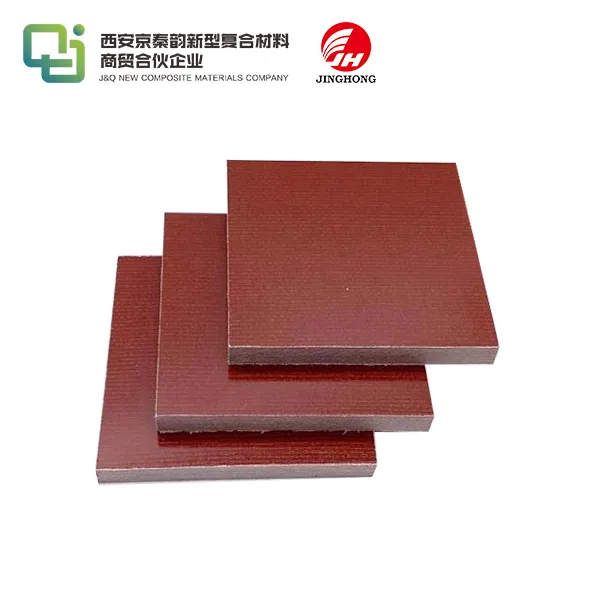
In this range, switchgear insulators and structural laminates work best when stacked vertically in handmade wooden boxes. Every 300 mm, internal support stops movement on the sides, and foam padding on all six sides reduces shock loads. We've created flexible crate systems that can handle packages of different thicknesses, which increases the optimal use of container cubes to 85–92%, compared to the industry average of 70–75%. This cuts the cost of shipping each unit by 18–25%, which is a big deal when buying in bulk for making transformers.
Heavy Panels and Customized Shapes (>30mm)
Specialty parts, big thermal barriers, and machined gears all need their own unique packing. Each piece is foam-molded to fit its exact shape, so it doesn't move around in shipping bags. Metal-reinforced boxes can hold more than 200 kg per unit. Temperature-indicating stickers let receiving teams know about changes in temperature that could affect the stability of the dimensions. This is especially important for car battery barriers that need to be within ±0.1mm of the dimensions.
Comparing Export Packaging Approaches: Phenolic Boards vs. Alternative Materials
Knowing the exact packing needs of an item helps procurement teams figure out what the real landed costs are. When compared to other options, phenolic boards have their own set of problems.
The higher levels of moisture exposure and mechanical abuse that plywood and MDF panels can handle make it easier to package them with standard plastic wraps and basic palletizing. Phenolic insulation materials can't have that kind of treatment because the electrical qualities are harmed by moisture absorption, and edge damage makes them impossible to machine. This means that the cost of packing is 30–40% higher per cubic meter, but it stops the 5–12% rejection rates that happen when technical laminates aren't properly secured.
Fiberglass-reinforced plastics and composite laminates both have problems with being rigid, but composite laminates are better at keeping water out. Their packaging is more about protecting against damage than keeping out vapors. Phenolic materials need both, which means that layered protection systems are needed. These systems make packing 8–12% heavier, but damage claims drop to less than 0.5% of the shipment value, which is well within the risk tolerances of purchase budgets.
When you compare new costs, the cost-benefit comparison makes sense. A broken FR4 screen worth $45 slows down output, which costs thousands of dollars in lost value. Spending an extra $8 to $12 per panel on better packing gives a five-to-one return on investment through fewer claims, faster shipping, and keeping good relationships with suppliers. More and more engineering managers are aware of this equation, which is raising demand for high-quality packing services.
Procurement Considerations for Bulk Purchase and Export Packaging Services
Logistics skills are also an important part of being able to successfully source materials from other countries. When looking at phenolic board providers, you should look at both the quality of their products and how well they package them.
Supplier Capability Assessment
Manufacturers with a lot of experience keep their packing areas separate from their production areas. This keeps the packaging areas clean and makes sure that all safety standards are met. When looking for providers, make sure that their ISO 9001 quality systems cover the whole packing process, not just the manufacturing part. We check the packing processes every three months, keeping an eye on things like corner protection consistency, moisture barrier integrity testing (100% inspection), and labeling accuracy. These steps show that the operations are mature, which means that supplies can be trusted.
Customization and Flexibility
When you buy in bulk, you should be able to customize the package to meet your needs. With private labeling, mixed-SKU palletizing, and shipping consolidation, less work needs to be done at the final location. We offer thickness-mixed boxes to device makers who need different insulation frame sizes. This cuts the time it takes to receive packages by 35%. Tier-1 automotive suppliers like batch-coded packaging that works with their production scheduling tools and lets them handle their inventory just-in-time.
Integrated Logistics Solutions
End-to-end collaboration is what makes partnerships so important. With more than twenty years of experience making things and ten years of experience exporting, we've built relationships with expert freight forwarders who know how to handle advanced materials. Our in-house transportation department handles booking containers, making sure all the paperwork is in order, and making sure that the insurance covers the specific risks that come with phenolic board. Logistics industry study shows that communication gaps cause 60% of international shipping delays. This unified method gets rid of those problems.
Insurance considerations deserve particular attention. Standard cargo insurance might not cover damage from water or charge premiums that are higher than the material value. Specialized insurance that cover "particular average" claims protect against some losses that happen because of humidity or changes in temperature. We help clients choose the right coverage by making sure it fits their risk profile. This is especially important for high-value electrical insulation grades with single-lot values of $50,000 to $150,000.
Conclusion
Export packing is the last quality check that phenolic boards go through before they reach global supply chains. When it comes to precision insulation materials, whether they are ready to be used right away or need expensive repairs and delays, moisture barriers, impact protection, regulatory compliance, and accurate paperwork all play a role. Because phenolic laminates are so unique—they have good electrical performance but are also mechanically fragile and sensitive to moisture—they need special packing skills that go beyond what is normally used in industrial shipping. Putting these packing issues at the top of the list for engineering managers and procurement experts protects the supply chain, lowers total landed costs, and keeps production going, all of which are important for businesses to stay competitive.
FAQ
What materials keep phenolic board from getting damaged by water the best while it's being shipped?
The best way to control wetness is to use multi-layer protection that includes 200-micron polyethylene vapor shields and VCI papers. Include the right amount of silica gel desiccants for the container size, which is usually 5 to 8 kg per 20-foot container. Make sure that all seams are heat sealed instead of taped shut to get rid of places where air can get in. Watch over packages with humidity indicator cards that show history of exposure. This lets arrival teams figure out what needs to be done to prepare the phenolic board for use.
How does following ISPM 15 affect packing made of phenolic board?
ISPM 15 requires that foreign boxes and crates be made of treated wood. This stops the spread of invasive pests. Packaging that doesn't follow the rules could be quarantined, have to pay $300 to $800 per crate for fumigation, or be turned away at ports. Using approved heat-treated wood (HT-stamped) or plastic pallets makes sure that customs processing goes smoothly. This is especially important for sales into the U.S., where APHIS regulation has stepped up. Alternative materials, such as plastic composite boards, get rid of all the problems that come with treating wood while also making it easier to reuse.
Can bulk phenolic boards ship without being packed individually?
When properly braced and wrapped, bulk palletizing works for grades that are thick and strong physically (>20 mm cotton cloth laminates). Electrical insulation sheets that are too thin need interleaving protection to keep the surfaces from touching and getting scratched. Using a mix of methods will help you save money: group items of the same size together, use corrugated sheets to split the groups, and wrap whole boxes in moisture barriers. This cuts down on packing materials by 25–30% while still meeting safety standards for the mechanical stresses and humidity of ocean freight.
Partner with J&Q for Reliable Phenolic Board Export Solutions
J&Q has been making insulation materials for 20 years and can also do all kinds of export packing. They serve the electrical, industrial, and car industries around the world. Our engineering team knows exactly what kind of protection is needed for phenolic board products, FR4 epoxy boards, and cotton cloth grades. They know how to make moisture barriers, shock absorbers, and heat protection that work with the weaknesses of each material. In addition to selling high-quality products that meet UL and ROHS standards, we also offer integrated logistics through our specialized shipping section. This division handles ISPM 15-compliant packaging, customs paperwork, freight forwarding, and tracking deliveries. Our expert buying help and export-ready packaging get rid of the unknowns that slow down production plans, whether you're looking for precision-machined insulation parts or bulk laminate sheets. Contact our specialist team at info@jhd-material.com to discuss your requirements and discover how our manufacturer-direct packing solutions reduce damage claims and speed up shipping times around the world.
References
International Plant Protection Convention. "ISPM 15: Regulation of Wood Packaging Material in International Trade." Food and Agriculture Organization of the United Nations, 2019.
ASTM International. "ASTM D5264-98: Standard Practice for Abrasion Resistance of Printed Materials by the Sutherland Rub Tester." Annual Book of ASTM Standards, 2021.
International Organization for Standardization. "ISO 780: Packaging – Pictorial Marking for Handling of Goods." ISO Standards Catalogue, 2020.
National Electrical Manufacturers Association. "NEMA LI 1-1998: Industrial Laminated Thermosetting Products." NEMA Standards Publication, 2018.
Society of International Business Fellows. "Global Logistics and Freight Forwarding Best Practices for Technical Materials." International Trade Research Quarterly, Vol. 34, 2022.
Packaging Technology and Science Journal. "Moisture Barrier Performance in Export Packaging for Hygroscopic Composite Materials." Wiley Periodicals, Vol. 28, Issue 6, 2021.