G10 Fiberglass Sheet for Robotics Components
2026-06-09 17:03:56
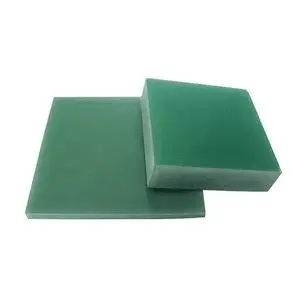
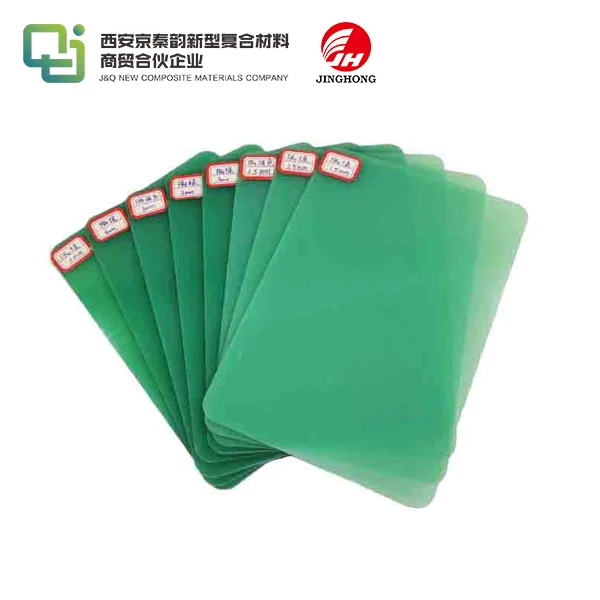
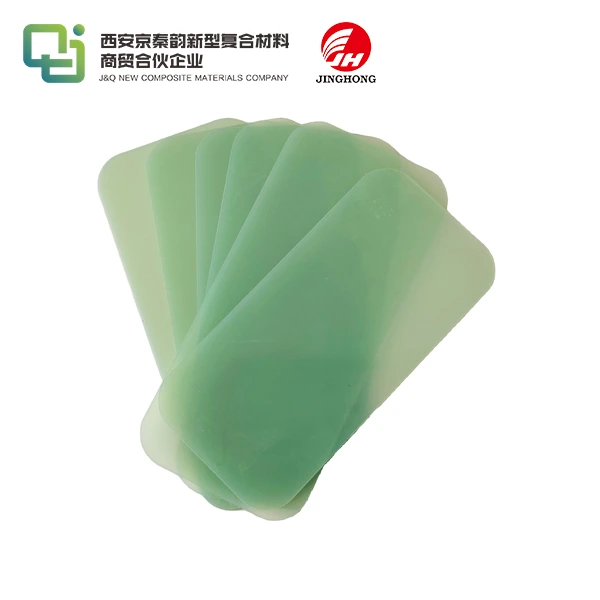
G10 fiberglass sheet is now the material of choice for robotics components that need to be strong and able to keep electricity from flowing through them. This high-pressure epoxy laminate is made by injecting epoxy resin into knitted glass cloth under high heat and pressure. It has great mechanical strength and excellent dielectric qualities. Because it stays the same size even when the temperature changes and keeps the electricity from flowing through it, it is essential for robotic systems that have to work in harsh conditions. As robotics is used for more things, like industrial automation, joint robots, and precision machinery, picking the right insulating material is important to make sure it works well and lasts a long time.
Understanding G10 Fiberglass Sheet and Its Properties for Robotics
The process used to make this composite material makes a thick, even structure that solves several technical problems at the same time. The tensile strength comes from the woven glass fibers, and the chemical protection and thermal stability come from the epoxy resin matrix. Together, they make a material that is both structural and insulated.
Core Physical and Electrical Characteristics
Over twenty years of working with robotics makers, we've seen a steady need for materials that meet NEMA G-10 standards. With a dielectric strength of more than 15 kV/mm, the material is a great insulator and can be used to make motor housings and circuit board supports that don't let electricity flow. Its flat and smooth surface doesn't let bubbles, wrinkles, or delamination happen, which would hurt the performance of the component.
Performance at temperatures up to 140°C stays stable during constant operation, which works with the thermal cycling that happens a lot in robotic servo systems and actuator assemblies. The high physical stability means that parts that have been made will stay within their limits even when they are stressed mechanically or when the environment changes. Good resistance to moisture keeps things from breaking down in wet industrial settings, which is very important for robotic systems that work in factories with inconsistent temperature control.
Mechanical Performance in Robotic Applications
This laminate material is good for load-bearing parts in robotic systems because it is strong when compressed and doesn't break easily when hit. The glass-reinforced structure keeps its shape while it's being used, while pure plastics tend to creep under long-term loads. CNC machinability makes it possible to make precise parts with complicated shapes, like mounting frames, gear housings, and structural insulators. We've seen mechanical engineers request this material for parts that need to move load and keep electricity from flowing—two functions that are hard to achieve with a single material.
G10 Fiberglass Sheet vs. Other Composite Materials in Robotics
The choice of material has a direct effect on the total cost of ownership, the lifespan of components, and the stability of the system. When buying teams know how different composites work, they can make decisions that are in line with practical needs.
Comparison with FR4 Laminates
Both materials are made of glass-epoxy, but there are some important differences that affect which ones can be used for what. Because FR4 has flame retardants that meet UL94 V-0 standards, it is the best material for PCB boards in places where fire safety rules apply. In the normal G10 fiberglass sheet mixture, mechanical strength and resistance to water are more important than flame retardancy. Robotics makers usually choose FR4 for circuit boards and control panels and G10 fiberglass sheet for structural parts where better mechanical qualities are more important than flame resistance.
Because it is cheaper, FR4 is better for thin-sheet uses, while G10 fiberglass sheet is better for thicker structure parts that have to handle mechanical loads. Because of the changes in chemical makeup, FR4 may not be as strong mechanically at high temperatures as G10 fiberglass sheet versions.
Carbon Fiber Composite Alternatives
Carbon fiber materials are good for robotic arms and gantries that need to be light but strong. They are stiffer and have better strength-to-weight ratios. However, their ability to carry electricity makes them difficult to use in places that need protection. Because carbon fibers are reactive, they shouldn't be used near sensitive electrical parts because they could cause short circuits or electromagnetic interference.
Based on our scientific discussions with OEM clients, carbon fiber costs three to five times more than glass-epoxy laminates. This makes it harder to budget for medium- to large-scale production runs. Carbon composites need special tools and handling methods, which makes supply lines more complicated. For most robotics uses, glass-epoxy systems offer the best mix of mechanical strength, electrical insulation, and low cost.
Phenolic and Alternative Epoxy Laminates
Phenolic cotton laminates have good mechanical qualities and are cheaper, but they can't compare to epoxy-glass systems when it comes to electrical protection and resistance to moisture. Epoxy laminates offer better dielectric stability, which is needed in robotics applications with precise positioning systems and motor controls. We've seen buying teams that were originally interested in phenolic materials because they were cheaper switch to G10 fiberglass sheet after failures in the field due to moisture absorption and changes in size.
How to Select and Procure G10 Fiberglass Sheets for Robotics
For strategic sourcing to work, technical standards, source skills, and the efficiency of shipping all need to be looked at together. The method of buying things affects both the quality of the parts and the dependability of the production plan.
Technical Specification Evaluation
Assembled parts' fit and function are directly affected by thickness errors in precision robots. Standard business tolerances run from ±10% for thicker sheets to ±5% for materials that need to be very precise. Tighter tolerances are often needed in robotics to make sure that motor housings and mounting parts fit correctly. Specifications for the surface finish are important when parts need to interact with dynamic seals or be coated.
When you sell parts to businesses that are regulated, compliance paperwork is very important. RoHS certification makes sure that there are no banned substances, which is important for companies that make gadgets and want to sell them in other countries. Having ISO 9001 approval means that quality is managed in a planned way, which lowers the chance of batch differences that cause production plans to be thrown off. REACH compliance deals with European chemical rules, which are important for robotics OEMs that sell their products in Europe.
Supplier Assessment and Quality Assurance
We've worked with a lot of trading companies and production clients, and the track record of the source is more important than the price they initially offer. Manufacturers with dedicated quality control systems provide evidence of batch testing that includes confirmation of dielectric strength, data on moisture absorption, and confirmation of mechanical properties. This openness lets engineering teams check that the performance of materials matches the design requirements.
How reliable delivery is depends on how much production capacity and store quantity there is. Suppliers who keep standard sizes such as G10 fiberglass sheet in stock ship faster than those who make things to order. Custom cutting services add value by sending you parts that are already put together, which cuts down on the cost of making them yourself and the waste of materials. Our combined transportation services make sure that shipments are tracked and deliveries are coordinated, which keeps production delays to a minimum.
Procurement Strategy Optimization
Ordering in bulk lowers the cost per unit, but you need to be very good at predicting demand to avoid having to pay extra to store too much merchandise. When testing, engineering managers benefit from working with suppliers that offer flexible minimum order amounts. As designs get better, these suppliers can switch to volume prices. You can avoid distributor markups by buying directly from makers, but you may have to place bigger orders and wait longer for delivery.
When geographical sourcing, cost benefits are weighed against the difficulty of logistics and the ease of contact. Twenty years of experience in international trade has taught us that good technical communication and quick customer service often make up for small differences in cost between providers. Time zone flexibility makes it easier to solve problems quickly during important stages of production.
Application Scenarios: G10 Fiberglass Sheet in Robotics Components
Real-life examples show how the qualities of a material can be used to improve the performance of a wide range of robotic systems.
Structural and Mounting Components
Mechanical strength and electrical separation are two things that robotic base plates and mounting platforms use to their advantage. These insulating structure parts are used in industrial manipulators to support motor units and stop ground loops that mess up control signals. The dimensional stability makes sure that bolt patterns stay aligned even after years of being exposed to changing temperatures and vibrations. We've given materials for joint robot bases that need to be mounted on floors in a way that keeps the robot frames and floors safe from electricity.
Insulating Barriers and Thermal Management
In servo systems, motor housings need thermal shields to keep hot wound sections away from the outside mounting surfaces. When heated to high temperatures, the material keeps its structure integrity and saves nearby parts from heat. This material is used as a phase divider in power distribution panels inside robotic control cabinets to keep high-voltage bus bars from crossing over. Transformer makers in robotics power sources use these G10 fiberglass sheets to insulate coils and support structures. They are strong in both electrical and mechanical ways.
Precision Mechanical Components
When electrical protection is needed along with mechanical function, CNC machining can be used to make gears, wear pads, and mounting tools. These materials are used in the barriers of automated guided vehicles' battery packs. They keep the high-voltage cells electrically separate from the vehicle's frame and keep the structure strong during loads like shaking and impact. The ability to fight chemicals is useful for robotic systems that have to deal with cutting fluids, cleaning solvents, or process chemicals that are common in factories.
Circuit Board Support and Electronic Assemblies
FR4 laminates are usually used for circuit boards, but G10 fiberglass sheet is often chosen for supporting structures and mounting frames because it has better mechanical qualities. The flat, smooth surface makes sure that the electrical contact is stable on test boards and terminal blocks in computer control panels. In wirelessly controlled robotic systems, this material is used in antenna insulators to keep the signal's purity while also giving structural support. Precision electronic parts don't have any weak spots because they don't have any bubbles or other surface flaws.
In the future, miniaturization trends in robots will require materials that can keep their performance while having smaller cross-sections. New uses in aerospace systems and medical robots push the edges of what materials can do in terms of temperature and accuracy. New glue mixtures keep improving the mechanical properties of these laminates while keeping the electrical properties that make them necessary for advanced robotic systems.
Conclusion
To choose the right insulation materials for robotics components, you have to find the best balance between cost-effectiveness, mechanical strength, electrical performance, and thermal stability. G10 fiberglass sheet has been shown to be reliable for use as a structural support, an electrical shield, and precision mechanical parts in robotic systems. The manufacturing process makes sure that the material always has the same properties that meet NEMA standards. Its excellent shielding properties keep complex robotic systems safe from electrical shock. Partnering with skilled suppliers who can guarantee quality, offer expert help, and ensure reliable logistics is key to successful procurement. Our unified approach, which combines manufacturing knowledge, knowledge of international trade, and specialized transportation services, gives robotics makers the supply chain robustness they need for stable long-term production.
FAQ
Why is G10 fiberglass sheet considered ideal for robotics components?
The G10 fiberglass sheet is one of a kind because it has both high mechanical strength and great electrical protection. This meets two needs that are common in robotic systems. Its ability to stay the same size across a wide range of temperatures makes sure that precision parts stay within their limits while they're in use, and its resistance to moisture keeps performance from dropping in industrial settings. CNC machinability makes it possible to make complicated shapes that are needed in current robotic assemblies.
How does the electrical insulation performance compare to alternative materials?
The dielectric strength is higher than 15 kV/mm, which is higher than most plastic insulators and the same as some specialized ceramic materials but costs a lot less. The epoxy matrix keeps its dielectric qualities fixed over time, while phenolic laminates absorb water and lose their shielding over time. Even though carbon fiber composites are stronger mechanically, they carry electricity and can't act as insulators. This is why glass-epoxy systems are better when electrical separation is needed.
What should procurement teams prioritize when sourcing suppliers?
Quality standards, such as ISO 9001 and RoHS, and material test records guarantee that each batch will be of the same high quality. Responding quickly and providing good technical help are very important when making changes to a plan or solving a problem. Lead times and internal handling costs are affected by the amount of inventory and special cutting services. Logistics are made easier or harder by how close they are, but experienced foreign sellers with well-established shipping networks can often provide the same level of service as local sources.
Partner with J&Q for Your Robotics Material Requirements
J&Q has been making high-quality insulation materials for more than twenty years and has also been trading internationally for ten years, specializing in the robotics and automation industries. In addition to providing materials, our G10 fiberglass sheet supplier can also offer expert advice, custom cutting services, and fully integrated operations through our own shipping section. This one-stop method makes buying easier and guarantees the quality of the materials and on-time delivery.
During the design development steps, engineering managers and procurement experts can get access to detailed documentation on material tests, certification that the product meets RoHS and REACH standards, and quick technical help. Because we have long-term ties with electrical makers, builders of industrial machinery, and automation original equipment manufacturers (OEMs), we know what real-world application needs are. Our method is flexible enough to fit projects at any stage of development, whether you need small quantities for a prototype with tight tolerances or large numbers for production while keeping costs low.
Contact our team at info@jhd-material.com to talk about the exact robotics components you need. We give you samples of the materials you can look at, full technical specs, and competitive bulk pricing based on the amount you need to make. You can look at our full selection of insulating materials at jhd-material.com and learn how our combined production and shipping skills can make your supply chain more reliable.
References
National Electrical Manufacturers Association. (2021). NEMA Standards Publication LI 1-2021: Industrial Laminating Thermosetting Products. Rosslyn, VA: NEMA.
Harper, C.A. (2018). Handbook of Plastics Technologies: The Complete Guide to Properties and Performance. Fourth Edition. New York: McGraw-Hill Education.
Carvill, J. (2019). Mechanical Engineer's Data Handbook. Oxford: Butterworth-Heinemann.
Institute of Electrical and Electronics Engineers. (2020). IEEE Standard 98-2020: Standard for the Preparation of Test Procedures for the Thermal Evaluation of Solid Electrical Insulating Materials. New York: IEEE Press.
Mazumdar, S.K. (2022). Composites Manufacturing: Materials, Product, and Process Engineering. Boca Raton: CRC Press.
Society of Manufacturing Engineers. (2023). Robotics and Automation Handbook: Materials Selection for Advanced Manufacturing Systems. Dearborn, MI: SME Publications.
_1754967691873.webp)