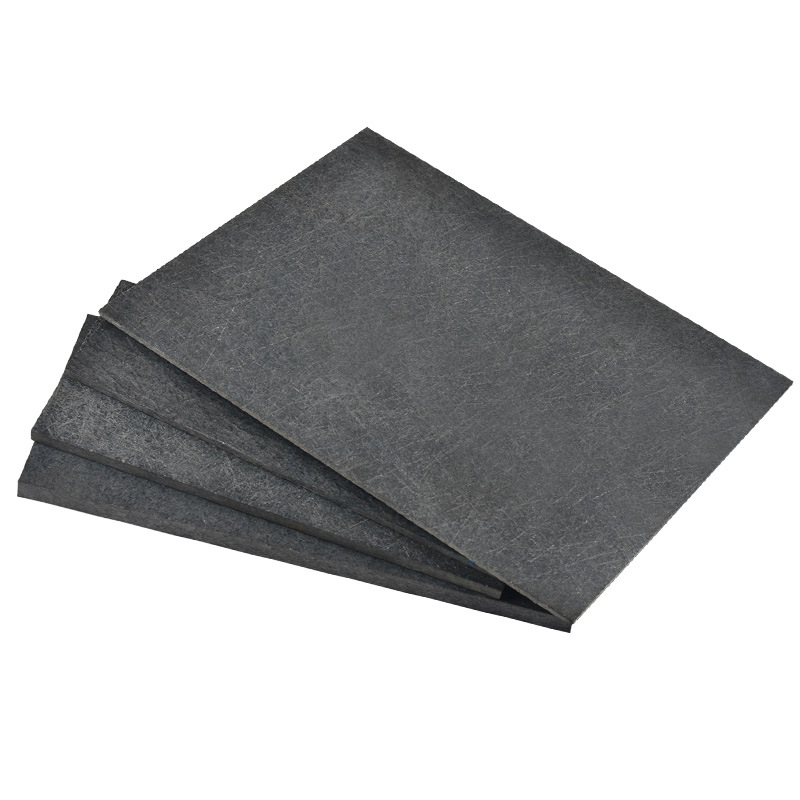
How to Source 3240 Epoxy Sheets From China
2026-06-09 17:03:54
To get high-quality 3240 epoxy sheet from China, you need a plan that takes into account scientific requirements, source verification, and cutting costs. As an industrial buyer, knowing how to buy things helps you get epoxy resin laminates that meet your needs for resistance to power, stability at high temperatures, and strength. This detailed guide shows you how to find trustworthy Chinese manufacturers, test their products using standard methods, and build long-lasting relationships that will ensure a steady supply of electrical insulation, switchgear components, and precision manufacturing needs.
Understanding 3240 Epoxy Sheets: Properties and Technical Overview
What Defines Premium Epoxy Resin Laminates
The 3240 epoxy sheet laminate is made of electrical-grade fiberglass cloth that has been mixed with epoxy glue and then dried and pressed in a controlled way. This composite structure has great insulating strength, which makes it essential for supporting PCBs, motor insulation parts, and transformer barriers. GB/T1303.1-1998 guidelines say that good sheets have smooth surfaces that don't have any bubbles, pits, or wrinkles that could let air leak through. The material doesn't absorb much water—usually less than 0.5%—so it works well even in wet factories where other materials that absorb water would fail.
Core Performance Characteristics for Industrial Applications
When looking at epoxy laminates for electrical uses, temperature protection is one of the most important specs. Standard-grade materials work consistently at Class B ratings (130°C constant operation), while premium versions work well at Class F ratings (155°C). In addition to the heat capacity, the breakdown voltage test, which is done perpendicular to the laminations in transformer oil, should show a minimum resistance of 10-15kV/mm. This ability to handle electrical stress is very important for installing high-voltage equipment and switches.
Material choices for both machinery makers and car suppliers are affected by mechanical qualities in the same way. Tensile strength, flexural stiffness, and compressive resistance show if it can be used for gears, structural insulation, and wear-resistant mechanical gaps. The material is very easy to cut and drill with a CNC machine because it doesn't delaminate. This makes it possible to make jigs and test tools with complex shapes.
Chemical Resistance and Environmental Durability
Transformer oils, hydraulic fluids, and standard industrial agents don't damage epoxy fiberglass laminates very much. This chemical stability makes parts that are submerged in oil last longer, like transformers, busbar supports, and tap switch parts, where material breakdown could cause catastrophic failures. The plastic system is naturally resistant to external stress cracking, which keeps the dimensions stable even when the temperature changes and the machine shakes. This is very important for parts like battery pack barriers and motor armature assemblies.
Comparison Analysis: 3240 Epoxy Sheet vs Alternative Materials
FR4 vs Epoxy Laminates: Understanding the Trade-offs
Different from regular epoxy laminates, FR4 is mainly different in how well it resists fire. UL94 V-0 ratings mean that FR4 materials put out their own fires within seconds of the flame being extinguished. This is a condition for many electrical systems and consumer electronics. Standard 3240 epoxy sheets usually get an HB grade, which means they don't catch fire and are cheaper to use when fire safety rules allow them. When engineering managers think about this safety issue, they have to weigh it against spending limits and the settings where the work will be done.
Different materials also have different thermal performance properties. Both can handle high temps, but the brominated flame retardants in FR4 can break down when temperatures change a lot, which could change its long-term insulating properties. In high-temperature industrial machinery uses, pure epoxy formulas often show more predictable aging traits, but they lose their natural fire protection.
Phenolic Alternatives and Material Selection Strategy
Phenolic cotton laminates are cheaper per square meter than epoxy versions, which makes them appealing to buying teams that care about price. But because they absorb more water—sometimes more than 2%—when it's wet, their dimensions become unstable. When phenolic materials take water from the air, their electrical insulation resistance goes down a lot. This means that they can't be used in outdoor power distribution equipment or marine settings. When mechanical engineers specify structural insulation for large industrial machines, they should carefully check to see if phenolic options can keep the minimum thickness tolerances at the humidity levels needed for the job.
Step-by-Step Guide to Sourcing 3240 Epoxy Sheets From China
Defining Technical Specifications and Compliance Requirements
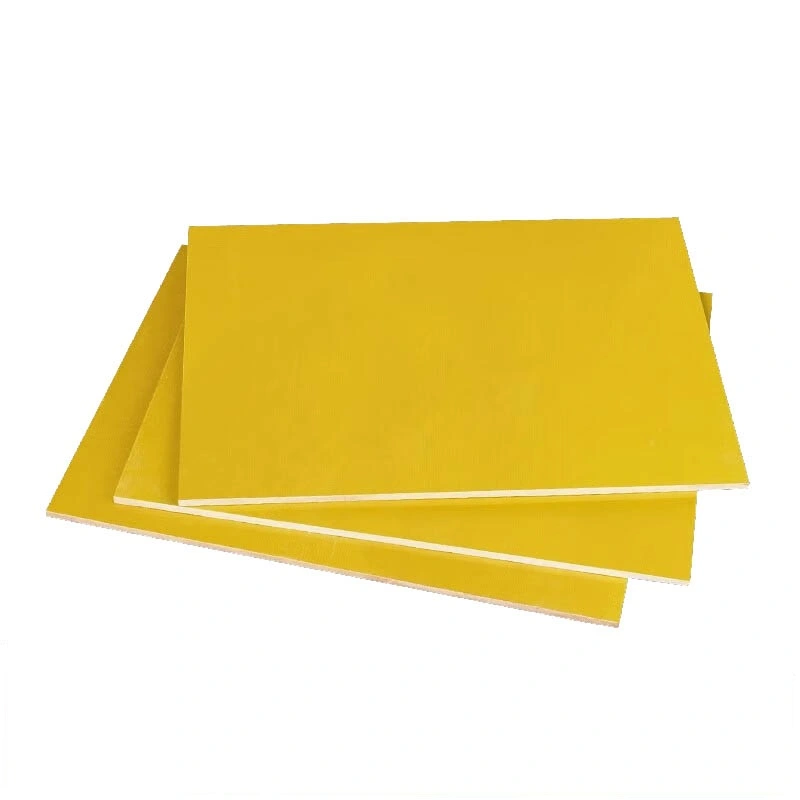
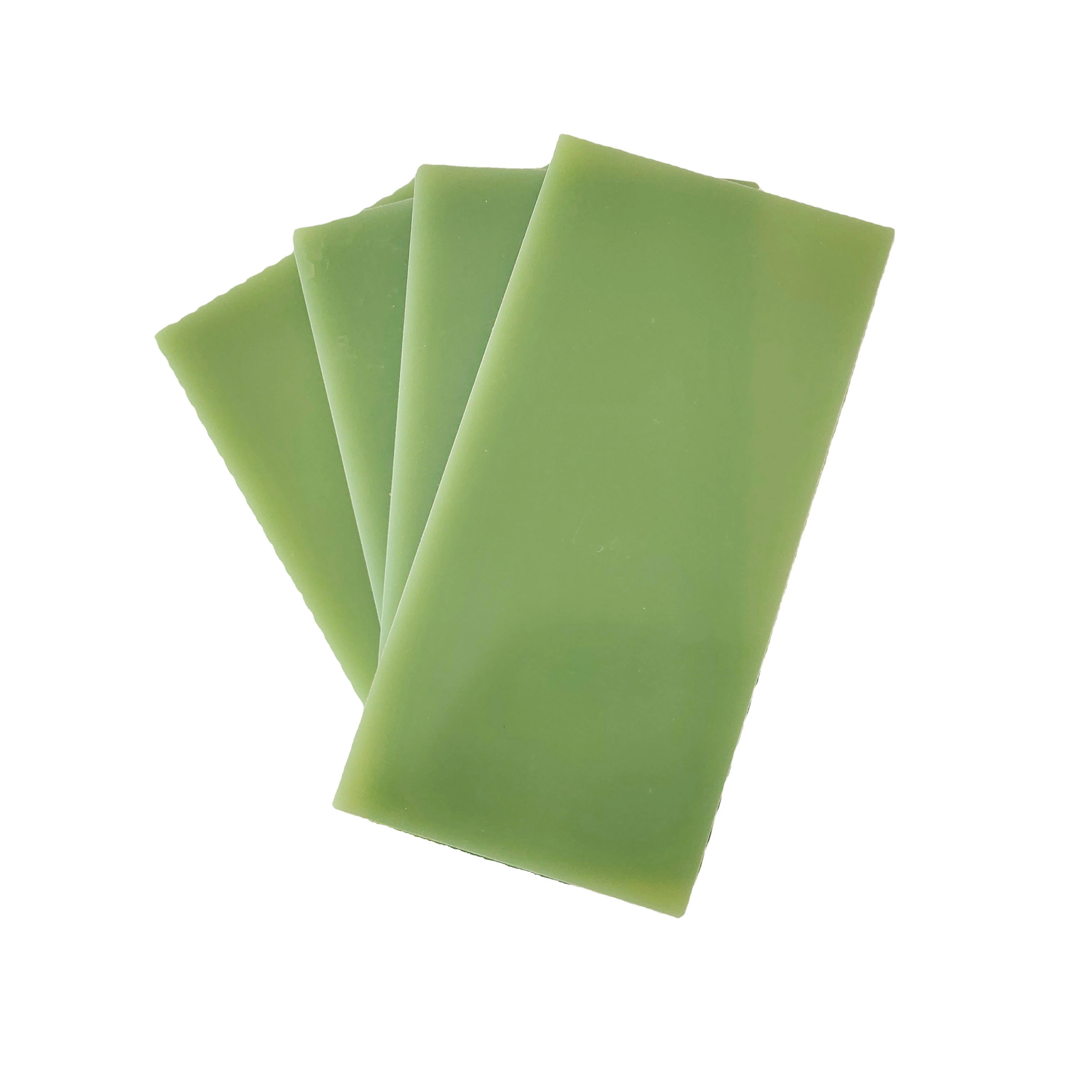
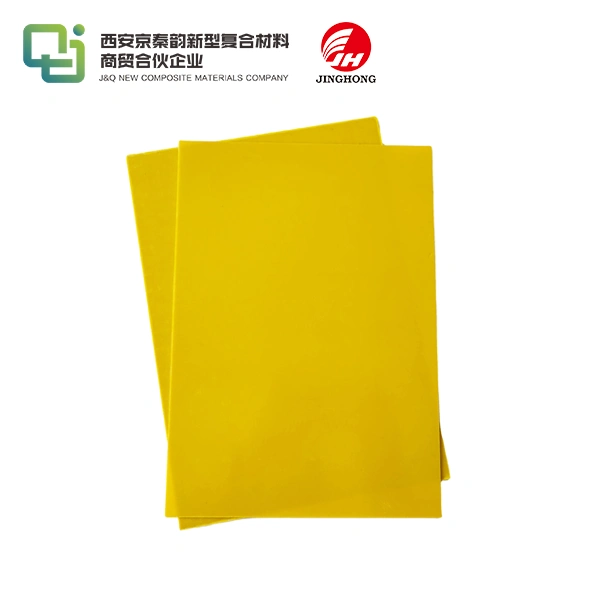
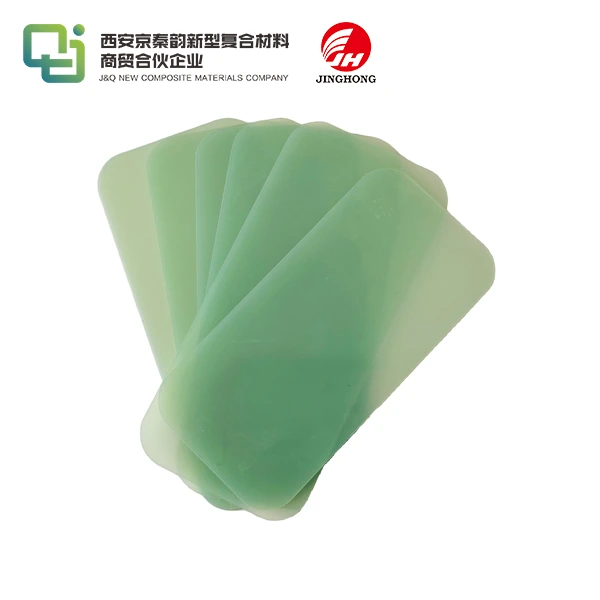
A thorough set of specifications that clears up any confusion during talks with suppliers is the first step to a successful purchase. Your technical requirements should include tolerances for thickness (usually ±0.1mm to ±0.4mm based on sheet thickness), stability parameters for dimensions, surface finish needs, and the smallest defects that are accepted. Color changes, from natural yellow to green tints, are caused by different curing agents and color adds, not by different levels of quality. Specifications should focus on electrical and mechanical qualities that can be measured instead of looks.
When looking for insulation products for regulated businesses, compliance paperwork is just as important. UL approval, ROHS compliance, and ISO 9001 quality system verification are all concrete proofs of consistent making. Automotive suppliers that need IATF 16949 certification should check credentials during the initial screening of suppliers instead of finding holes after samples have been approved.
Identifying and Evaluating Chinese Manufacturers
There are hundreds of makers in China that make insulation materials, and their skills and quality standards range. It takes a lot of research to tell the difference between well-known makers and trading businesses. Check out more than just the business website. Look at the paperwork for the production center, the inventory of manufacturing equipment, and the skills of the expert staff. Reputable makers have testing labs inside their factories that are provided with tools like breakdown voltage testers, thermal shock rooms, and dimensional measuring instruments. These tools make sure that the quality of each batch of 3240 epoxy sheets is the same.
Pricing Structures and Total Cost Analysis
At first glance, quotes from Chinese sources often look very good when compared to options from within the country. But smart procurement pros figure out the total landed costs, which include ocean freight, customs fees, interior transfer, and the cost of keeping inventory. Minimum order quantities have a big effect on unit economics. For example, makers may charge more for small trial orders but give big savings for large orders.
To find a good mix between managing cash flow and supply risk, payment terms should be carefully negotiated. Standard foreign trade practices involve 30% payments with balance due before shipment, though established relationships may grow toward open account terms. Documentary credit plans, like letters of credit, give both parties protection while the relationship is still being built. They make sure that quality standards are met before payment is released.
Quality Verification and Sample Testing Protocols
Before committing to large-scale production, you should do thorough testing on samples that mimic the conditions of your unique application. Visual inspection supports the integrity of the surface by looking for delamination at the cut edges, places with lots of resin or not enough resin, and even fiber patterns. Verifying the dimensions with accurate micrometers makes sure that the thickness is the same across all sample areas. This is important because warping or changes in thickness make it harder to do later CNC cutting operations.
Electrical shock testing is the most important way to prove quality. In a controlled lab setting, measures of the breakdown voltage show that the insulation is reliable at working voltages. By putting samples through marked temperature ranges, thermal shock testing can find problems like fiber-resin adhesion issues or resin that hasn't fully cured, which could lead to early failure. Tensile and flexural testing of a material's mechanical properties shows that it is suitable for structural uses where mechanical loads and electrical insulation needs come together.
Overcoming Challenges When Buying 3240 Epoxy Sheets From China
Navigating Quality Consistency and Specification Compliance
Getting industrial laminates from other countries is always hard because the materials used in different runs aren't always the same. Even certified makers may have problems with the end product's properties due to differences in the resin lot, the fiber weave, or the pressing parameters. Quality standards that can be enforced are set by using clear acceptance criteria with numerical limits instead of biased evaluations. Instead of taking generic material data sheets, you should demand batch testing papers that show each shipment of 3240 epoxy sheets' electrical breakdown strength, water absorption rates, and mechanical properties.
Managing Logistics Complexity and Lead Time Variables
International shipping adds factors that make planning production and keeping track of goods harder. Freight traveling by ocean usually takes three to five weeks to get to major US ports. Adding extra transportation on land can make arrival times six to eight weeks. Container supply, port congestion, and the steps needed to clear customs all cause unpredictable delays that can throw off production plans. These supply chain risks can be reduced by keeping multiple qualified sources on hand and building smart inventory buffers.
Harmonized tariff codes and trade agreement rules need to be taken into account when customs classification and tax optimization are being done. Having the right paperwork, like material makeup certificates and country-of-origin statements, speeds up the customs process and makes sure that import rules are followed. When you work with experienced freight forwarders who know how to classify insulation materials, you can avoid costly delays at the port of entry.
Building Trust and Maximizing Procurement Success
Selecting Manufacturing Partners with Certification and Capacity
For long-term buying success, it's important to work with makers who are committed to quality and can increase production. Getting ISO 9001 certification is a good way to make sure that your quality system is working, and getting industry-specific certifications like UL recognition shows that you have put in the work to meet international safety standards. Verification of manufacturing capacity makes sure that providers can increase production to keep up with your growth without affecting quality or wait times.
Establishing Strategic Supplier Relationships
Switching from transactional buying to strategic partnerships has a lot of benefits besides lowering unit costs. Regular performance monitoring with scorecards that keep track of on-time delivery rates, quality acceptance percentages, and how quickly technical questions are answered finds ways to improve performance and rewards suppliers who do a great job. Transparency in demand forecasting helps producers plan when to buy raw materials and when to start production. This cuts down on wait times and makes prices more affordable.
OEM customization services make designs more flexible while keeping supply costs low. When you buy from manufacturers who offer precision cutting, CNC machining, and custom measurement production, you don't have to do any extra work in your own building. These extra services lower the total cost of ownership and make managing the supply chain easier. This is especially helpful for companies that make home appliances and need to make a lot of them quickly.
Conclusion
To get high-quality laminates from China, you need to know a lot about technology, be careful with your suppliers, and handle your relationships with them strategically. When you know about a material's features, like how it resists electricity and heat and how it absorbs water, you can make specifications that are more in line with what the application needs. Suppliers are protected against material inconsistencies and supply delays by strict evaluation processes that check their manufacturing capabilities, quality systems, and safety certifications. Procurement professionals make sure they have reliable access to 3240 epoxy sheet and other insulation materials that meet strict industry standards and help businesses succeed in the long term by putting in place structured quality verification protocols and building partnerships with certified manufacturers.
FAQ
What distinguishes 3240 epoxy materials from FR4 alternatives?
The main difference is how flame retardant they are rated and how much they cost. FR4 has the UL94 V-0 self-extinguishing qualities that are needed for many electrical uses. Standard 3240 epoxy sheets, on the other hand, are cheaper when fire ratings aren't needed but offer better mechanical strength and thermal aging characteristics. The choice of material is based on the budget, the working setting, and the rules that must be followed.
How can buyers verify material quality before bulk orders?
Ask for official test results that show how well the sample batches work in terms of breakdown voltage, thermal stress resistance, and dimensional limits. Use independent testing labs to make sure that what the supplier says is true by following standard methods. Visual inspection for flaws on the surface, edge delamination, and even fiber patterns are other ways to tell if the quality is good.
What typical lead times should procurement teams expect?
After an order is confirmed, production usually takes two to three weeks, and shipping by water takes an extra three to five weeks for US areas. Total procurement processes last between 6 and 8 weeks on average, but delivery times may be shorter if you already have a relationship with a seller who stocks your inventory. There are choices for expedited air freight for pressing needs, even though the costs of transport are much higher.
Connect With J&Q—Your Trusted 3240 Epoxy Sheet Supplier
Every time J&Q works with a supplier, they bring more than 20 years of experience making things and 10 years of experience trading with other countries. Our vertically integrated operations include transportation services that are run by us, so we can really provide a one-stop service from production to final delivery. Our expert team can help you choose the best materials for any job, whether you need precisely cut laminates for switchgear systems or large quantities for making motor parts. We have strict quality controls that meet UL and ROHS standards, and our prices are cheap and can be adjusted to fit your needs. You can talk to our experts about your insulation material needs, get technical specs, or get quotes by emailing info@jhd-material.com. You can look through our full catalog of products at jhd-material.com and find out why top makers choose J&Q as their chosen 3240 epoxy sheet manufacturer.
References
International Electrotechnical Commission. (2019). Specification for Industrial Rigid Laminated Sheets Based on Thermosetting Resins for Electrical Purposes. IEC 60893-3 Series.
Zhang, W., & Liu, H. (2021). Advanced Composite Insulation Materials: Manufacturing Processes and Quality Control. Materials Science and Engineering Press.
National Electrical Manufacturers Association. (2020). Standards Publication for Industrial Laminated Thermosetting Products. NEMA LI 1-2020.
Chen, Y. (2022). International Procurement Strategies for Electrical Insulation Materials. Journal of Supply Chain Management in Electronics Manufacturing, 15(3), 78-95.
American Society for Testing and Materials. (2021). Standard Test Methods for Electrical Grade Epoxy Resin Laminates. ASTM D229-20.
Wang, S., & Thompson, R. (2023). Quality Assurance in Cross-Border Industrial Material Sourcing. International Journal of Production Economics, 248, 112-128.
_1740986340093.webp)