Questions to Ask Before Buying FR4 Boards
2026-06-09 17:03:52
Before getting FR4 boards, people in charge of engineering and purchasing should ask specific questions about the materials, the sellers' certifications, and the testing methods. When picking the right FR4 insulation board, you should pay close attention to its dielectric strength, heat performance, flame retardancy compliance, and built-in limits. All of these things are important because they directly affect how effective the product is and how much it costs. Knowing these rules ahead of time helps production run easily, makes sure that rules are followed, and helps you build long-lasting relationships with sources that help you reach your manufacturing goals.
What Are the Essential Properties of FR4 Boards?
Understanding Core Material Composition
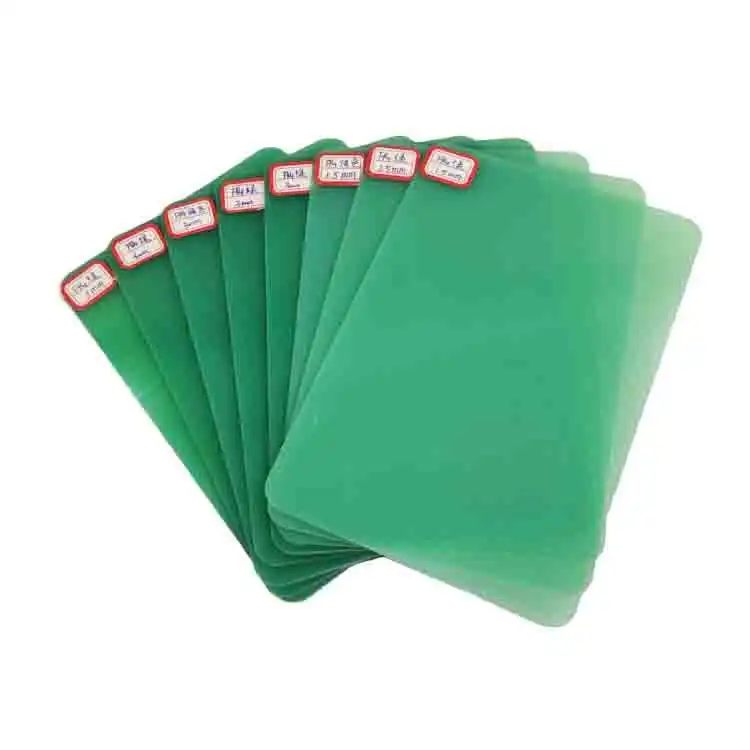
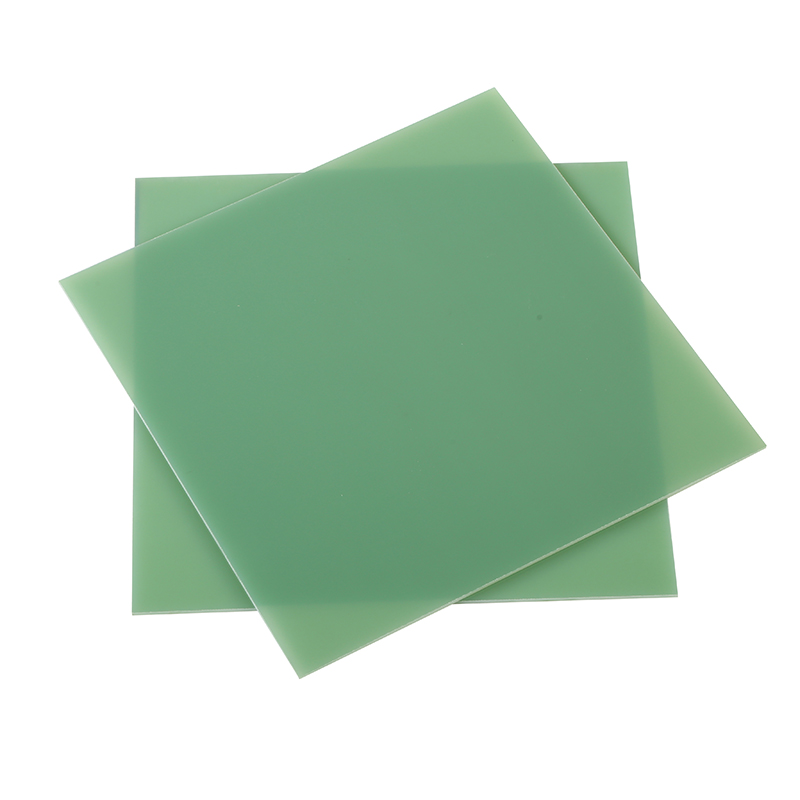
FR4 board is a commercial laminate made of continuous filament glass cloth that has been pressed together with an epoxy resin glue. If something is marked with a "FR" that means it is "Flame Retardant," it means it meets the UL94 V-0 standard and puts out the fire on its own in 10 seconds after being taken away from a heat source. This hybrid structure has become the standard for printed circuit board bases and structural insulation parts because it is very strong and doesn't conduct electricity well.
Critical Performance Specifications
There are a few basic things that you should really think about when judging FR4 board insulation boards. The material is strong and stable without being too heavy, with a mass of between 1.85 and 2.10 g/cm³. Most of the time, bending strength is over 340 MPa and impact strength is around 250 J/m in the long direction. Since these mechanical numbers don't change much below 0.1%, they stay the same in a lot of different conditions. This is what makes FR4 board different from paper-phenolic choices that break down when they get wet.
Electrical Characteristics That Matter
Any dielectric can be used for high-voltage jobs as long as it keeps the signal pure if it works well. After being clocked at 1MHz, FR4 boards have a dielectric constant of around 4.4 to 4.8 and a breakdown voltage of over 40 to 50 kV across the layers. Signal loss is kept to a minimum in high-frequency circuits by this low dielectric constant. This is helpful for electronic control units (ECUs) in cars and guidance systems in spaceships. Even when it gets hot, the material still has electrical qualities. The glass transition temperature (Tg) for standard grades is between 130°C and 140°C. For tough climates, high-Tg grades can reach 170°C or higher.
You can be sure of regular success when you follow the quality standards. You should look for certificates like NEMA FR-4, MIL-I-24768/27, EN 60893 (EP GC 202), and ISO 1642 when you look at a supplier's records. Everyone in the world knows these standards. They show that the material has been tested thoroughly to see how well it works with electricity, mechanics, and heat.
How Does FR4 Compare to Other PCB Substrate Materials?
FR4 Versus G10 Laminates
Both FR4 board and G10 have the same amount of mechanical power because they are made of glass and cement. The biggest difference is how well they keep fires out. FR4 board meets the UL94 V-0 standards for self-extinguishing properties because it has bromine chemicals in it. G10, on the other hand, does not have these safety features. Because fire safety is so important to the government, FR4 board is often needed in market goods, car parts, and power distribution systems. G10 works well for mechanical tasks that aren't very important and don't need to be completely flameproof.
FR4 Compared to Aluminum Substrates
When limiting heat is the most important design goal, aluminum-backed PCBs are the best way to do it. Aluminum is very good at moving heat away from sensitive parts in LED lighting systems and power converters, so it does this quickly. FR4 board, on the other hand, is cheaper and easier to work with, so it is better for making boards this way. Which one you choose will depend on whether you need better heat performance or better electricity separation.
Ceramic and Polyimide Alternatives
Ceramic surfaces are very stable at high temperatures and work well as dielectrics, but they are very pricey and hard to move. Polyimide materials, such as Kapton, are flexible when used for moving jobs, but they are not as stiff as FR4 board when used to hold structures. If you need a material that is good at insulating electricity, strong, and cheap, FR4 board is generally the best choice for power electronics in transformers and switches, unless you have specific performance needs that require a different material.
What Quality Standards and Tests Should Be Verified Before Purchase?
Dimensional Accuracy and Tolerances
The dependability of automatic assembly methods and the final result are both affected by how well the parts are made. Thickness tolerance tests should show precision within ±0.1mm for use with automatic assembly lines. If you change something outside of this range, it makes stacked units less stable and CNC cutting harder. Ask possible providers for detailed studies on the dimensions you need. Make sure that the ways of measuring are in line with ASTM standards and that different production batches have more than one place where samples can be taken.
Electrical Integrity Verification
The ASTM D149 Dielectric Strength Test checks how long a material can withstand electricity, which means it can handle certain electrical forces without breaking. It is very important to do this test on circuit parts and generator protection when the electric field strength is very high. Hydrolytic stability is confirmed by Water Absorption Testing (ASTM D570). This makes sure that the electrical properties stay the same even in places with a lot of water. If something soaks up more than 0.2% water, it might not work as well in humid places or outside.
Flame Retardancy and Internal Structure
UL 94 Flammability Testing shows that the material meets the V-0 grade, which means it puts out fires quickly and doesn't let them spread. Industrial systems insurance needs this license to make sure that electrical equipment doesn't break down in a way that is too dangerous to handle. Ultrasonic testing or cross-sectional analysis can find problems in fiberglass layers that you might not be able to see at first look, such as holes, delamination, or resin starvation. These flaws in the structure make it less strong physically and make it more likely that electricity will go bad when it's under a lot of stress.
When checking the surface, protocols should look for any holes, scratches, or other damage that could affect how well it works at high voltage or cause issues with later metallization processes. By making clear standards for these visual flaws, you can avoid fights and make sure that all packages have the same top quality. It's clear that a supplier cares about quality if they have a lot of test records and are willing to give material approval reports.
Where and How to Procure FR4 Boards Effectively?
Direct Manufacturer Relationships Versus Distributors
When you buy directly from the maker, you can make changes more easily, get expert help more quickly, and maybe even get lower unit costs for big orders. It is possible for manufacturers to make FR4 boards in different thicknesses, sizes, and plastic mixes to suit each purpose. On the other hand, this way usually needs bigger minimum orders and first orders to take longer to get. For experimental stages, well-known wholesalers may offer smaller amounts and faster delivery, but they may limit your ability to make changes and charge more.
Evaluating Pricing Structures
The price of FR4 board isn't just based on how much the elements cost. The size and width of the sheets directly affect how much raw material is needed and how hard they are to work with. Better materials that can handle heat or meet stricter standards cost more, but their better function makes up for it. When you buy in bulk, your set costs are spread out over more units, which drops the price per unit. This is why minimum order amounts are important in unit economics. Ask for full rates that include the costs of the materials, the work that goes into them, the shipping, and any tooling fees that might be needed for odd-sized items.
Supplier Verification and Reputation Assessment
Certification files show that a company can make things and that its quality system is getting better. UL approval and ISO 9001 certification show structured quality management methods, and material performance claims are backed up by UL certification. You can tell how quick the provider is by reading customer reviews and case studies. You can also see how reliable their services are and how well they can fix tech problems. Businesses that have been around for a long time and have a history in your field are less likely to give you trouble than newer businesses that haven't been around for long and haven't dealt with tough applications before.
How to Choose a Trusted FR4 Board Manufacturer or Supplier?
Manufacturing Capabilities and Technical Expertise
A study of production capacity makes sure that providers can change the amount of work they do to meet your needs without hurting quality or delivery times. Check to see if the processing facilities have the most up-to-date tools that can keep the limits low and the glue impregnation even. Technical support is technical knowledge. Providers who offer application advice, help with material selection, and troubleshooting go above and beyond just giving you materials. When you are making new things and aren't sure how well they will work, this way of working together is very helpful.
Quality Assurance Processes
There are full quality systems that watch over the work, check the raw materials that come in, and make sure the end product is perfect before it is sent out. Suppliers should be clear about the exact testing methods they use for each batch of goods. There should be ways to test for electricity, check measurements, and look at things with your own eyes. Systems for tracking things can link finished goods to specific lots of raw materials and times of production. This makes it easy to quickly figure out what's wrong in the field. That way of keeping track of quality keeps bad materials from making it to the production floor.
Logistics and Supply Chain Reliability
When and how much it costs to keep things on hand are directly linked to how well supplies go. It's more likely that suppliers will deliver on time if they know how to mix shipping skills or have built relationships with carriers. Having something close by saves time and money on journey, but you should also think about quality and price. Some sellers keep sizes that are often asked for in regional stores, so they can meet urgent needs quickly. Since they know how long the wait time will be for both standard and custom specs, they can keep making things even when supplies run out.
It's quick customer service to answer technical questions, make sure you know what's going on with an order, and be able to easily adapt to changes in specs when design iterations happen. Customers and sellers should treat their relationships as long-term partnerships, not one-time deals. This produces stability that is helpful for planning strategies and making product roadmaps.
Conclusion
If you know what questions to ask before you buy FR4 boards, you can turn the process from a business job to a strategic advantage. Supply chain managers and engineers can make smart decisions that balance cost, quality, and dependability when they know about the qualities of products, how to check for quality, and what providers can do. It is important to know that the electrical strength, mechanical strength, and flame retardancy of FR4 board insulation boards directly affect how safe the product is, how well it meets laws, and how competitive it is in the market. Building relationships with qualified suppliers who can show they have the technical know-how, thorough quality systems, and reliable transportation support is the first thing that needs to be done to make great goods that will last for generations.
FAQ
What thickness ranges are available for FR4 boards?
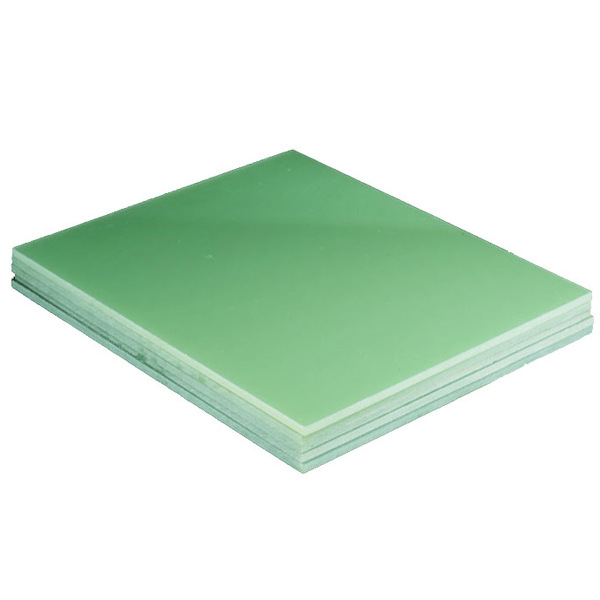
FR4 board sheets usually come in lengths ranging from 0.2 mm to 100 mm. Most of the time, widths between 0.5mm and 3.0mm are given for PCB use. Most manufacturers can meet unique thickness needs, but for non-standard sizes, there may be a minimum order amount and longer wait times. The width range stays within ±10% for sheets that are thinner. The tolerance drops to ±0.1mm for exact uses that need to keep the space in check.
How does color variation affect FR4 performance?
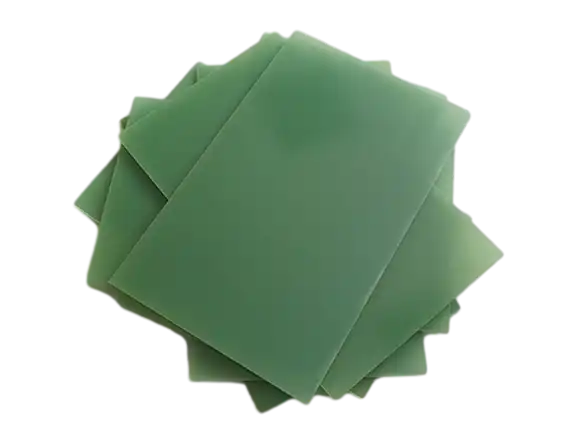
The yellow-green color of FR4 board comes from the epoxy glue and glass fiber that make it up. If the colorant doesn't have active parts like carbon in it, changing the color of something from black to blue to white generally doesn't change how well it works electrically or physically. There are conductive carbon particles in ESD-protective types that change the surface resistance. This changes the color and electrical qualities. When it comes to electricity, standard colored FR4 board has the same qualities as natural-colored material.
Can FR4 boards be machined using standard equipment?
Everyday cutting tools quickly become dull on FR4 board because it has glass fiber in it, which makes it very rough. Diamond-coated or carbide tooling keeps the measurements right during CNC machining and makes the tool last a lot longer. For worker safety, wet cutting or dust filter systems are needed because glass particles in the air can hurt the lungs. When cutting, specialized PCB drill bits are helpful because they can handle the stacked structure of the material without it coming apart.
Partner with J&Q for Your FR4 Board Requirements
For more than 20 years, J&Q has been making soundproofing materials. For more than 10 years, they have also been selling FR4 boards and other similar laminate goods around the world. For a wide range of uses, our expert team knows exactly what companies that make electronics and electricity, companies that distribute electricity, companies that make cars, and companies that make industrial equipment need. So that we can be sure that every sheet meets the written performance standards, we have strict quality control that is based on UL, ROHS, NEMA, and MIL rules.
You can get everything you need in one place, from talking about your wants at the start of the process to getting the finished product. This makes the buying process easy. We can handle both small test runs and big production runs with our production. This is true whether you need normal sheet sizes or parts that are made to exact specifications for your project. Send us an email at info@jhd-material.com to talk about your case in more detail. We have detailed scientific datasheets, fair prices for FR4 board suppliers, and quick support that turns buying products into a long-term partnership that helps your business grow.
References
Harper, Charles A. Electronic Materials and Processes Handbook, 3rd Edition. McGraw-Hill Professional, 2004.
Coombs, Clyde F. Printed Circuits Handbook, 7th Edition. McGraw-Hill Education, 2016.
Institute of Printed Circuits (IPC). IPC-4101D: Specification for Base Materials for Rigid and Multilayer Printed Boards. IPC Standards, 2019.
NEMA Standards Publication. NEMA LI 1-1998: Industrial Laminating Thermosetting Products. National Electrical Manufacturers Association, 1998.
Klein Wassink, R.J. Soldering in Electronics, 2nd Edition. Electrochemical Publications Ltd, 1989.
Jawitz, Michael W. Materials for Rigid and Flexible Printed Wiring Boards. CRC Press, 2006.