
Machining Thick Phenolic Cotton Cloth Boards Correctly
2026-06-08 17:03:30
To machine thick phenolic cotton cloth board, you need to be very precise, choose the right tools, and know a lot about how the material works. This laminated compound is made of several layers of cotton cloth that are soaked with phenolic resin. It works great in places that need something that is strong, doesn't conduct electricity, and stays warm. It works very well in electrical switches, heavy machinery parts, and power distribution systems when it is machined properly. But using the wrong methods can lead to delamination, extra tool wear, and damaged parts, so sourcing and engineering teams need to have a lot of experience.
Understanding Thick Phenolic Cotton Cloth Boards
Core Composition and Material Structure
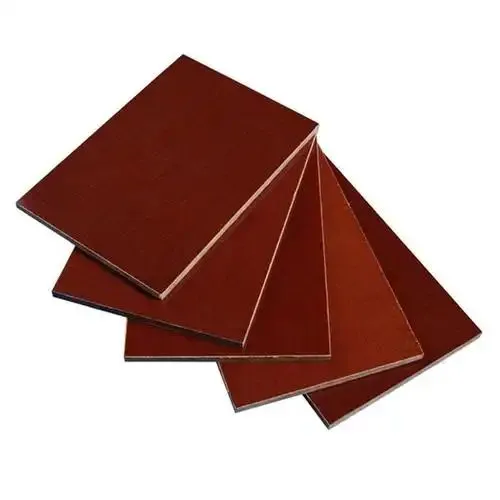
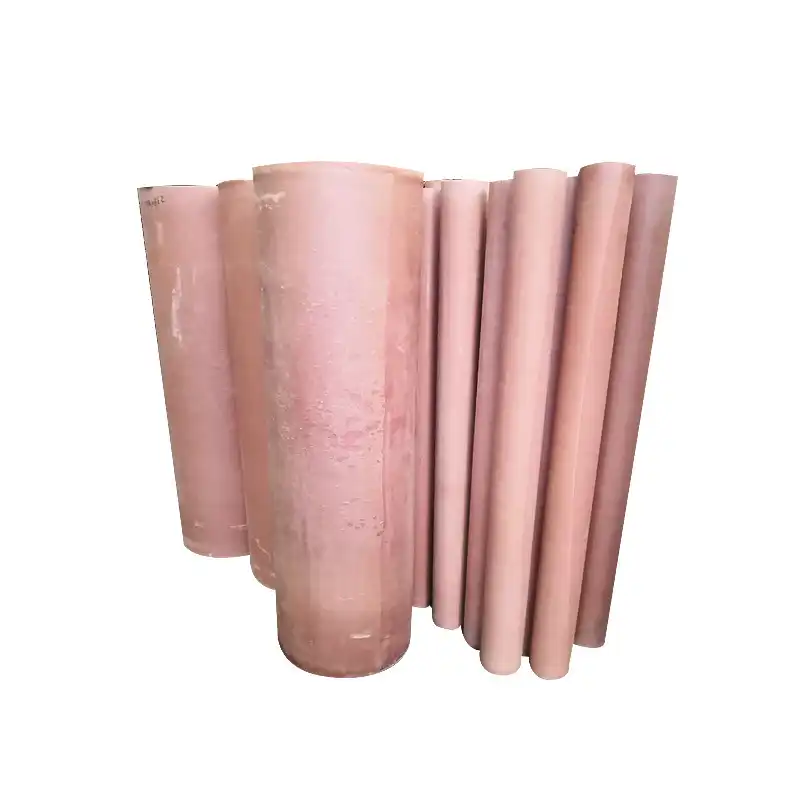
Phenolic cotton cloth boards are made up of layers of knitted cotton fabric that have been mixed with a thermosetting phenolic glue and put under controlled heat and pressure. This way of making things makes a thick, uniform structure that has great compressive strength and physical stability. The cotton base is naturally flexible and can absorb shock, and the phenolic glue is resistant to chemicals and has some electrical insulation qualities. Compared to glass-reinforced composites, cotton-based phenolic materials are easier to machine and cause less tool wear, which makes them a good choice for places that make a lot of things.
Technical Specifications and Industry Standards
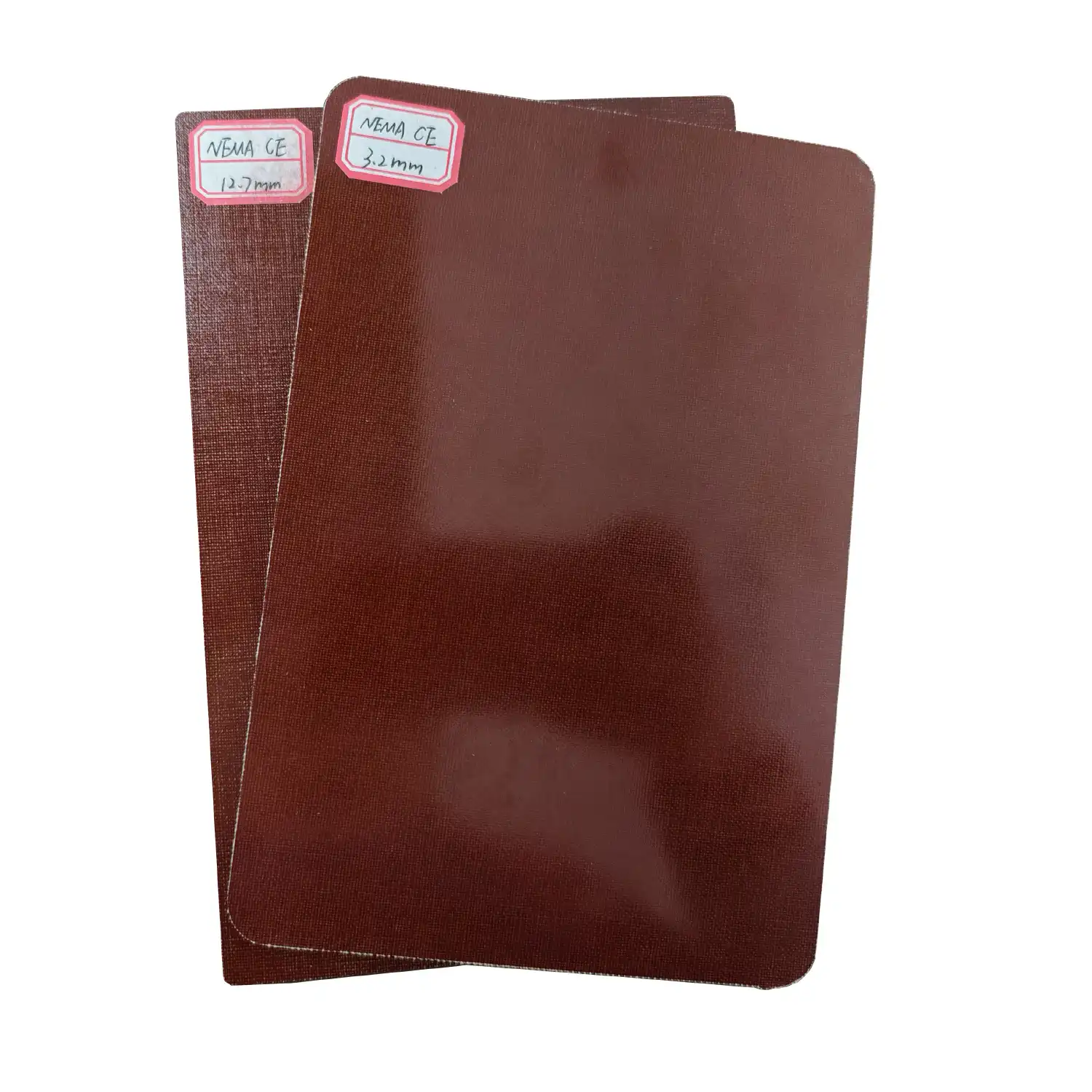
Material grades are named after NEMA codes. Grade C and Grade CE are the most popular types used in industry procurement. Grade C uses rougher, heavier cotton fabric that is designed to be as strong as possible when it comes to contact in mechanical applications like gears, bearing parts, and structural spacers. Grade CE has finer weave patterns that make it easier to work with and improve its dielectric qualities. This makes it good for electrical insulation parts in switchgear systems and terminal blocks. ASTM D709 guidelines say that both types must meet certain requirements for thickness tolerance, bond strength, and moisture absorption. UL approvals (like UL E310670) and ROHS compliance also make sure that these materials are safe for use in electrical applications.
Performance Properties Critical to Machining
The material works consistently in temperature ranges of Thermal Class E (115°C continuous) or Class B (130°C continuous). It can withstand short-term temperatures up to 150°C before starting to carbonize. It usually soaks up 1% to 2% of moisture, which is a little higher than glass-epoxy options but fine for most commercial uses. The tensile strength varies by grade but is usually higher than 60 MPa across the grain direction. The compression strength is also usually higher than 200 MPa. These features have a direct effect on the machine parameters. For example, higher density grades need slower feed rates, and changes in thickness require cutting depth techniques that can be adjusted.
Industrial Applications Where Thickness Matters
In places where power is distributed, thick phenolic boards support busbars, stop arcs, and provide structural insulation inside circuit breakers. The thickness of the material directly affects its ability to withstand mechanical shocks during arc-extinguishing operations. For marine uses, the material's ability to lubricate with water is useful for stern tube bearings and rudder bushings. The material's ability to stay the same size under hydraulic pressure keeps these parts from breaking too soon. Heavy machinery uses these boards for timing and gears that don't make noise. Their elasticity modulus helps to dampen vibrations and lower noise transfer compared to metal options.
Challenges in Machining Thick Phenolic Cotton Cloth Boards
Understanding Delamination and Layer Separation
Because phenolic cotton cloth boards are made up of layers, they are vulnerable during cutting processes. Delamination happens when cutting forces that are not parallel to the lamination plane are stronger than the bond strength between layers that are filled with resin. If the impregnation isn't done right during manufacturing, dry spots will show up in cross-sections. This makes weak spots that can separate when mechanical stress is applied. We've seen through quality control checks that boards with bond strengths below ASTM D229 always fail during high-speed grinding operations. This means that parts have to be thrown away and production is held up.
Tool Wear and Heat Generation Issues
Because phenolic resin is rough, it speeds up the wear of cutting edges, especially when high-speed steel tools are used. When you keep cutting, the heat builds up and quickly softens the thermosetting matrix. This makes the finished surfaces smudge and the measurements become off as the material cools. This problem is made worse by thick sections, which block heat-dissipation paths and create interior thermal gradients that can cause micro-cracking along the edges of laminations. Engineering teams say that companies that don't use proper temperature management see their tools last 40–60% less time than those that do.
Surface Quality and Edge Integrity Problems
Without precise machining settings, it's hard to get smooth, chip-free lines on thick phenolic boards. When feed rates are too high, fibers pull out of the edges, and when cutting speeds are too low, the resin burns and breaks down. The uneven structure of the material—zones that are high in resin and zones that are high in fabric—makes the resistance change during cutting, which causes chattering and surface flaws. Quality control data from transformer makers shows that surface roughness has a direct effect on electrical tracking resistance in high-voltage uses. This means that end quality is an important thing to think about when buying something.
Dimensional Stability and Warpage Concerns
There are leftover stresses in thick phenolic sheets from the cycle of the manufacturing press. These stresses can come loose during machining and distort final parts. Different board thicknesses have different levels of moisture content, which causes them to expand at different rates when the humidity in the air changes. For precision uses, industry standards say that warpage should be less than 10 mm per meter. However, boards that are stored incorrectly or machined without acclimatization times often go beyond these limits. Suppliers of automotive parts stress that consistent dimensions between production runs keep the assembly line running smoothly and lower the cost of repairs.
Best Practices for Machining Thick Phenolic Cotton Cloth Boards
Tool Selection and Preparation Strategies
Cutting tools with carbide tips are the best for phenolic cotton cloth boards because they last longer and don't wear down as quickly as high-speed steel tools. When used in high-volume production settings, diamond-coated tools last longer, but the original investment costs need to be justified by fewer tool changes. Positive rake angles between 5 and 10 degrees lower cutting forces and lower the risk of delamination, while clearance angles between 12 and 15 degrees keep finished surfaces from touching and building up heat.
Before you start cutting, look at the boards to see if they have any surface scorching, pitting, or resin starvation. These are signs that the pressing temperature profiles were not set correctly during manufacturing. Use calibrated measuring tools to make sure the thickness is always the same. Differences of more than ±3% can affect the accuracy of CNC code and require real-time changes. Keep things in climate-controlled spaces with 40 to 60 percent relative humidity to keep the wetness level stable and stop changes in size during processing.
Optimized Cutting Parameters and Techniques
For turning and milling tasks, high cutting speeds of 1500 to 3000 surface feet per minute (SFM) work well. Moderate feed rates of 3 to 8 inches per minute keep the edge quality and stop the machine from getting too hot. To keep layers from lifting, the cutting force should stay perpendicular to the lamination lines. This is an important but easy-to-forget rule that is needed to keep layers from delaminating. Climb milling gives the surface a better finish than regular milling because it stops fibers from pulling out at exit points.
When drilling, you need to pay extra attention: use brad-point or spur-point bits to score the top surface smoothly, and use backing plates to hold the material during breakthrough to stop it from splitting on the exit side. Using mist systems or flood cooling to apply coolants keeps the temperature of the material below 80°C, which keeps the dimensions accurate and stops the resin from softening. When cutting complicated shapes, set up the tool paths so that there aren't too many changes in direction that cause stress to build up at the transition points.
Finishing Methods and Quality Assurance
After the first steps of cutting, secondary finishing steps improve the quality of the surface and the accuracy of the measurements. Belt polishing with abrasives of 120 to 220 grit gets rid of small surface flaws while keeping uniform standards. Edge chamfering gets rid of sharp points that cause electrical stress in high-voltage situations and makes it safer to handle parts during assembly.
Protocols for quality assurance should include spot checks on the bond strength using destructive tests on sample pieces, measures of the insulation resistance after 24-hour immersion in water for electrical-grade materials, and checks of the surface flatness at multiple measurement points. Before full-scale production runs, these confirmation steps find process deviations. This keeps expensive batch rejects from happening. Recording the cutting settings for every production run makes it possible to track down problems and helps with efforts to keep getting better.
Safety and Environmental Considerations
It is possible for phenolic dust made during grinding to irritate the lungs and catch fire if it builds up near sources of burning. In work areas, heavy-duty dust extraction systems that can filter out more than 99.5% of particles bigger than 1 micron are required. Regular machine workers should wear safety glasses, respirators, and hearing protection as part of their personal protective equipment.
Even though the material doesn't have asbestos or any other known carcinogens, it is still important to follow the rules for workplace cleanliness. Put dust leftovers in sealed cases so they can be thrown away properly according to the rules in your area. Regular repair of extraction systems keeps them working well and makes sure they meet safety standards for the workplace.
Comparing Machining Requirements: Phenolic Cotton Cloth Board vs Other Materials
Machinability and Tool Life Differences
Phenolic cotton cloth boards are easier to make than glass-reinforced composites. This is because the softer cotton base lasts 50–70% longer than the rough glass fibers. Compared to plywood or MDF, phenolic materials have better edge quality and physical stability, but they need to be cut at faster speeds to avoid burning. PVC boards are easier to machine and make less dust, but they aren't as strong or resistant to high temperatures, so they can't be used in harsh industrial settings.
Plywood has a varying grain structure, while phenolic boards have a uniform density. This makes machining more regular and cuts down on setup time changes during production runs. Fiberglass-epoxy materials are better at keeping electricity from flowing, but they are very rough and need special carbide tools and slower feed rates to work with.
Thermal and Moisture Performance Trade-offs
Glass-epoxy alternatives don't absorb much water but don't have the self-lubricating features that are useful in marine environments. Phenolic cotton boards are better for water-lubricated bearing uses because they can handle some moisture. Temperature resistance of phenolic materials makes them good for most industry uses below 130°C constant operation. Specialized polyimide composites can handle higher temperatures, but they cost a lot more.
Different types of materials handle heat differently depending on their thickness. For example, thick phenolic parts keep heat in longer during cutting, while thin fiberglass laminates lose heat quickly but are less rigid. When making a purchase choice, these thermal properties must be weighed against the needs of the product and the available budget.
Cost-Benefit Analysis for Procurement Teams
The cost of materials for phenolic cotton boards is in the middle for both common plastics and specialized glass-epoxy types. This means that the boards offer good performance at a reasonable price. When you add up the total cost of ownership for things like machining work, tool repair, and quality rejection rates, phenolic laminates often offer better value for money in situations where mechanical stability is more important than extreme electrical insulation properties.
Minimum order numbers from makers usually start at 50 to 100 sheets, and orders over 500 sheets can get discounts. Lead times are between 2 and 4 weeks for normal grades and sizes and between 6 and 8 weeks for special orders. To avoid output delays, these logistical factors should be taken into account when planning supplies and when making purchases.
How to Choose the Right Phenolic Cotton Cloth Board for Machining Needs
Matching Material Grade to Application Requirements
NEMA Grade C is good for mechanical uses that need to be very resistant to impact, like gear flats, bearing parts, and structural spaces in heavy machinery. Its thicker cotton canvas design successfully absorbs shock loads while keeping its shape under repeated stress. Grade CE is used in electrical applications that need a modest level of dielectric strength and good machinability. These include switchgear parts, junction blocks, and motor insulation frames.
Which thickness to use relies on how much mechanical load is needed and how much space is available for cutting. Boards with thicknesses between 6mm and 50mm can be used in most industrial settings. For high-temperature situations, thicker pieces offer better rigidity and thermal mass. When choosing materials for high-voltage uses, electrical engineers should look at insulation resistance data sheets to make sure that performance gaps are higher than practical stress levels.
Supplier Certification and Quality Verification
Manufacturers of phenolic cotton cloth boards that you can trust keep their ISO 9001 quality management certifications up to date and provide material test results that list the chemical makeup, electrical properties, and mechanical properties of the boards. UL listings show that electrical safety standards are met, which is especially important for uses involving power transfer and switchgear. ROHS and REACH certifications show that restricted chemicals are not present, which helps with environmental compliance in controlled markets.
Request samples of the materials before placing a big order. This will allow for in-house testing to make sure they work with the tools and processes that are already in place. Check sample pieces for accuracy in surface finish, uniform thickness, and edge quality to make sure the provider can meet your production needs. Set clear acceptance criteria for arriving material inspections, such as methods for visual examination and steps for verifying dimensions.
Customization Options and Lead Time Planning
Many providers offer custom cutting services and send boards that have already been roughly cut to the right size. This saves customers time and material. You can finish the surface by sanding it, treating it as-pressed, or treating it after it has dried. Each of these methods improves the surface's properties for a specific use. When normal output ranges don't meet design requirements, custom thickness grinding makes sure that the tolerances are very close.
Different suppliers have different minimum order quantities, but for custom specs, most need pledges of 20 to 100 sheets. Standard widths and grades often ship with lower minimum amounts and faster wait times. Build ties with suppliers that make production plans and capacity limits clear. This will allow you to work together on planning, which will keep supplies from being interrupted during times of high demand.
Building Long-Term Supplier Partnerships
In addition to buying things from phenolic board suppliers, strategic partnerships offer continued benefits like expert support, help with application engineering, and advice on how to improve processes. Suppliers who have been making things for a long time can suggest material types and machining settings that are best for each application. This saves money on the costs of trying things out and seeing what works and what doesn't.
Check the transportation skills of the seller, such as how close the warehouses are, how well they handle freight, and how reliable their deliveries are. Companies that offer combined logistics services make supply lines more efficient and cut down on the work that needs to be done to manage multiple providers. Clear conversation about quality issues, shipping times, and technical problems builds trust and helps with efforts to keep getting better, which is good for everyone.
Conclusion
To properly machine thick phenolic cotton cloth boards, you need to know about the material, choose the right tools, and make sure the processing settings are just right. The problems that come with this layered composite—the chance of delamination, tool wear, and managing heat—can be solved by strictly following best practices. Knowing how phenolic cotton laminates stack up against other materials helps you make smart purchasing choices that match performance needs with price limitations. Strategically choosing suppliers based on certifications, quality systems, and the chance to form partnerships makes the supply chain more resilient and guarantees stable material quality. When engineering and sourcing teams have this much information, they can safely choose and machine phenolic boards that work well in a wide range of tough industrial settings.
FAQ
What cutting tools work best for thick phenolic cotton cloth boards?
It is best to use tools with carbide tips on phenolic cotton laminates because they last 3–5 times longer than high-speed steel tools. In high-volume work settings, diamond-coated bits make tools last even longer. If you want to limit cutting forces and lower the risk of delamination during operations, choose tools with positive rake angles between 5 and 10 degrees.
How can we prevent delamination when machining these boards?
For less mechanical stress between layers, use high cutting speeds and modest feed rates. By properly securing workpieces and choosing the right tool paths, you can make sure that cutting forces stay perpendicular to lamination planes. Before you machine, make sure the bond strength meets ASTM D229 standards. Low-quality boards that aren't properly saturated with glue will delaminate no matter what method you use.
What temperature limits should we observe during machining?
Keep the material's temperature below 80°C while cutting it to keep the glue from getting soft and the shape from changing. In service uses, phenolic cotton boards can handle constant operation at 115–130°C. However, machining creates localized heat that temporarily exceeds these limits without proper cooling. Use mist or flood cooling systems to successfully control heat buildup.
Are there safety concerns with phenolic dust?
Phenolic dust can make breathing difficult and can catch fire if it builds up near heat sources. Put in heavy-duty dust extraction systems that can filter out 99.5% of particles bigger than 1 micron. During grinding processes, make sure that workers wear the right respirators, safety glasses, and hearing protection.
Partner with J&Q for Superior Phenolic Cotton Cloth Board Solutions
As a seller of phenolic cotton cloth board with more than 20 years of experience, J&Q is ready to help you with your buying needs. These UL-approved materials are in full compliance with ROHS and REACH rules and offer the mechanical strength, heat stability, and machineability that your uses need. We offer a seamless one-stop service from spec consultation to delivery thanks to our combined logistics skills and specialized technical support teams. Email our engineering team at info@jhd-material.com to talk about your project needs and find out how our precision-grade laminates can help you make your machining processes and products work better.
References
ASTM International. "ASTM D709: Standard Specification for Laminated Thermosetting Materials." Annual Book of ASTM Standards, 2022.
National Electrical Manufacturers Association. "Industrial Laminating Thermosetting Products: NEMA Standards Publication LI 1-2020." National Electrical Manufacturers Association, 2020.
Harper, Charles A. "Handbook of Plastics Technologies: The Complete Guide to Properties and Performance." McGraw-Hill Professional, 4th Edition, 2006.
Mantell, Charles L. "Engineering Materials Handbook: Composites and Industrial Laminates." ASM International Materials Park, 3rd Edition, 2018.
Society of Manufacturing Engineers. "Machining Composite Materials: Fundamentals and Industrial Applications." SME Technical Papers Series, 2019.
Underwriters Laboratories. "Polymeric Materials - Industrial Laminates, Filament Wound Tubing, Vulcanized Fibre, and Materials Used in Printed-Wiring Boards: UL 746E Standard." Underwriters Laboratories Inc., 2021.
_1740986340093.webp)
_1755583592640.webp)
