FR4 Board Supplier Checklist for OEM Buyers
2026-06-11 17:22:47
When you buy FR4 board materials for your OEM business, you're making a choice that has an immediate effect on the quality of the products you make, how quickly they can be made, and how reliable they will be in the long run. This detailed list includes all the important things that electrical engineers, purchasing managers, and technical buyers need to think about when choosing epoxy laminate providers. This guide turns the difficult process of evaluating suppliers into an organized, manageable process that keeps your production plan and image safe. It does this by checking for UL94 V-0 flame retardancy compliance, CNC machining capabilities, and delivery consistency.
Understanding FR4 Boards and Their Specifications
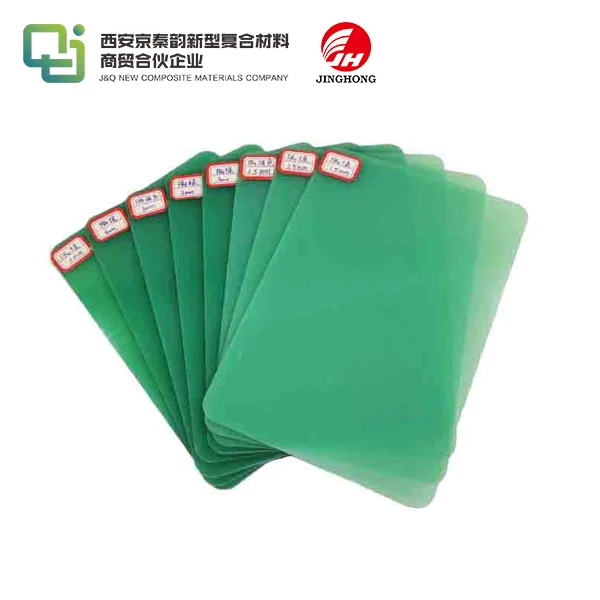
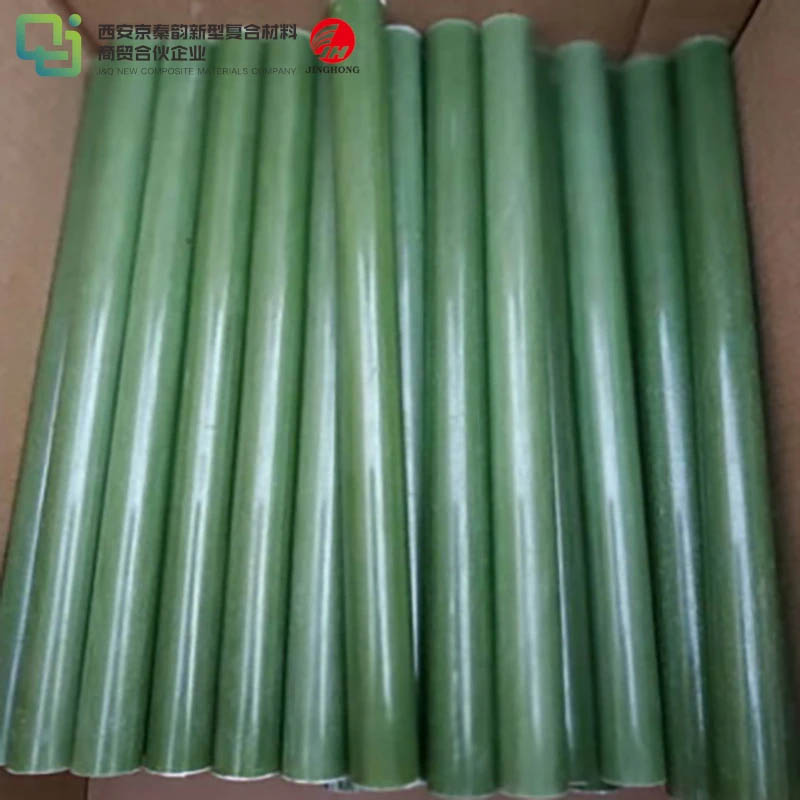
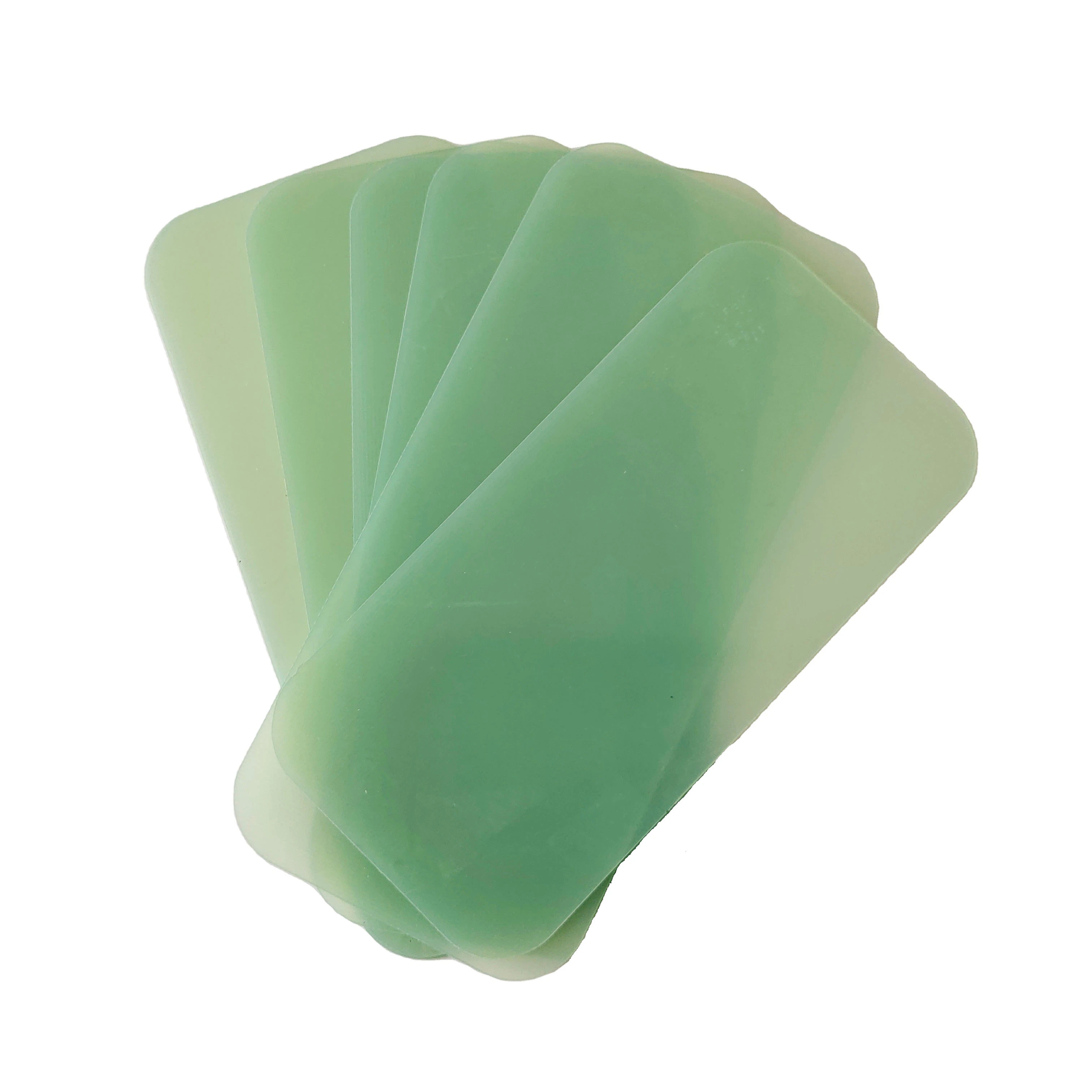
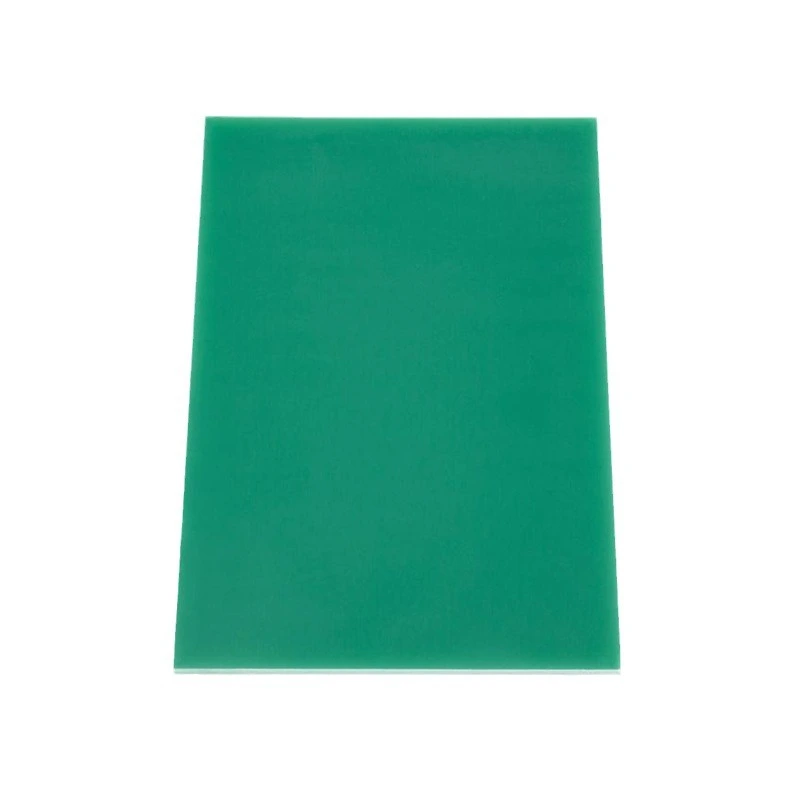
FR4 board is a hybrid material that is commonly used and necessary for making PCBs. It is known for being strong, not catching fire, and having good dielectric qualities. "FR" stands for "Flame Retardant," which means that the material meets the UL94 V-0 standard and goes out on its own within 10 seconds of being removed from a fire source. This high-quality, high-pressure thermosetting industrial laminate is made of continuous thread glass cloth that has an epoxy resin binder embedded in it.
Core Material Properties That Matter
When you know the basic factors, you can match the board's features to the needs of the application. The density of FR4 insulation boards is between 1.85 and 2.10 g/cm³, which makes them very strong for their weight. In the lengthwise direction, the flexural strength is higher than 340 MPa, and the impact resistance is around 250 J/m. This is very important for uses that will be subject to shaking or mechanical stress.
Electrically, these laminates have breakdown voltages higher than 40 to 50 kV parallel to layers, and their dielectric constants are usually between 4.4 and 4.8 at 1MHz. At less than 0.1%, water uptake is very low, so the material keeps its electrical insulation properties even in damp places. This feature fixes a long-standing problem in the industry: structural failure and dielectric breakdown are problems that organic insulators have when they get wet.
How FR4 Compares to Alternative Materials
Compared to other options like CEM-1 and melamine boards, FR4 is better in a number of ways. The paper core layers in CEM-1 are more likely to absorb water, which weakens the electrical strength over time. Even though phenolic laminates are cheap, they don't have the temperature stability or dynamic qualities that are needed for tough jobs. G10 is related to FR4 and is made of glass-epoxy in a similar way, but it doesn't have the bromine ingredients that make FR4 flame retardant.
Temperature ratings deserve special attention. The glass transition temperature for standard FR4 is between 130°C and 140°C, which is good for most electronics uses. High-Tg versions raise this temperature limit above 170°C, which stops the material from softening or changing shape when it's used at high temperatures for lead-free soldering or constant use in places with a lot of heat.
Manufacturing Quality Factors
The making method has a big effect on how well and how reliably the board works. To make a good epoxy laminate, you need to use exact resin-to-glass ratios, control the cure processes, and be very careful about the thickness tolerances. When compliance paperwork is needed, material traceability is very important. Standards and certifications like NEMA FR-4, MIL-I-24768/27, EN 60893 (EP GC 202), and ISO 1642 make sure that key safety components are reliable.
Technical and Application Considerations in Supplier Selection
Before choosing an epoxy laminate provider, you need to know the design rules that make sure OEM goods work well with FR4 boards. Your technical needs are very different depending on the application. For example, high-frequency telecommunications equipment needs materials with different properties than high-voltage switchgear insulation.
Design and Assembly Best Practices
When designing glass-epoxy laminates, it's important to take into account that the material has anisotropic properties, which means that its mechanical and electrical properties change depending on the direction of the fibers. It is necessary to use diamond-coated or carbide tools for CNC cutting because the fiberglass content is very rough. During manufacturing, dangerous glass particles can't be breathed in because of strong dust extraction systems or wet machining methods.
Performance Comparison Across Materials
When FR4 is compared to metal plates and Rogers high-frequency materials, its pros and cons become clear. Aluminum-backed boards work great for thermal management tasks where getting rid of heat is very important, but they don't have all the shielding benefits of epoxy laminates. Rogers materials work better in microwave and RF uses and have less dielectric loss, but they are very expensive, so they can't be used in situations where cost is important.
Application-Specific Requirements
The most well-known use is for high-density printed circuit boards, but there are many more industrial uses as well. Machined parts hold up busbars, block phases, and guide arcs in high-voltage switches and transformers. The high Comparative Tracking Index (CTI) of the material stops electrical paths from forming on surfaces that are exposed to high voltage and dampness at the same time. This is a failure mode that can lead to catastrophic short circuits in power distribution equipment.
Precision cutting tools and clamps take advantage of the part's dimensional stability, which keeps it from warping after multiple rounds of targeted heating. Manufacturers of test fixtures like this material because it can keep its tight limits over hundreds of temperature cycles. This makes sure that bed-of-nails test systems always have the same contact pressure.
Procurement Criteria: What to Look for in an FR4 Board Supplier
A reliable provider must show that they meet strict quality standards and have certifications like UL and RoHS. This part walks OEM buyers through important buying factors, such as following industry standards, being able to track materials, and following batch testing procedures. Doing your research at this stage will save you a lot of money later on, when you have to deal with problems like rejected orders because of non-compliance or field failures caused by material flaws.
Certification and Compliance Verification
Instead of hazy promises, industry compliance starts with licenses that can be checked. Suppliers who are trustworthy will gladly give you UL certification marks, RoHS compliance statements, and material safety data sheets. For products such as FR4 board, the UL94 V-0 flame grade shouldn't just be claimed in marketing materials; it should be backed up by testing records. Material traceability systems make it possible to follow raw materials from the beginning of production to the end result. This is very important when looking into quality problems or answering questions from regulators.
Production Capabilities and Flexibility
Your operational productivity is directly affected by what your suppliers can do in terms of minimum order amounts, wait times, customization services, and pricing structures. Some companies focus on making standard goods in big quantities at low prices, but they don't offer much customization. Others can handle smaller amounts and offer a lot of customization options, such as made forms, specific thickness needs, or different colors to make them easier to spot.
Lead times need to be consistent. A seller who says delivery will take two weeks but always takes four weeks makes it harder to plan your production more than one who always says delivery will take five weeks. Ask them about their capacity usage, raw material inventory levels, and backup plans in case of supply problems while you are evaluating them.
Reputation and Reliability Assessment
By looking at a vendor's name, customer reviews, and position in the market, you can be sure that you're choosing reliable partners who can meet your quality and logistics needs. A stable industry is one that has been around for a long time. Manufacturers that make it through market changes usually keep their quality and customer service standards high.
Checking with past buyers for references shows how well someone really does in the real world, not just in polished sales pitches. Ask specific questions about the number of defects, how quickly complaints are dealt with, and how well problems are solved when they happen. When it comes to production prices and the technical know-how that comes from concentrating industry groups, global supply hubs give businesses a competitive edge. When suppliers have specific export offices with multilingual technology help, customers don't have to worry as much about contact problems or time zone differences.
Pricing and Transactional Considerations for OEM Buyers
For cost-effective buying, it is important to understand how epoxy laminates are priced and how they are bought and sold. There is more to pricing than just simple per-unit costs. Total landed costs are affected by differences in thickness, grade standards, order amounts, and delivery terms.
Cost Drivers and Pricing Structures
Prices for materials such as FR4 board usually depend on the cost of raw materials like glass cloth and epoxy resin, how hard it is to make (such as pressing parameters and curing processes), and the grade requirements. When compared to normal grades, higher-performance versions with higher temperature ratings or better electrical qualities cost more. Thickness has a big effect on price because bigger sheets need more materials and take longer to process, but the relationship isn't exactly linear because of how efficiently they can be made.
When you commit to a certain amount of goods, you can get better prices because setup costs go down and production planning works better. To negotiate for wholesale rates, you should first know how much you use each year and try to make purchases in bulk when you can. In factory businesses that need a lot of capital, flexible payment terms like extended net terms, consignment arrangements, or bulk rebate models make it easier to handle cash flow.
Managing Lead Times and Supply Chain Risks
Managing lead time starts with setting reasonable goals that are based on how things actually work in production. Standard stock widths can be shipped quickly from stock, but special specs need to be planned for production and quality checked. Keeping a safety stock of important materials, finding backup suppliers to ensure business continuity, and setting up vendor-managed inventory systems for high-volume usage are all ways to avoid delays.
When there aren't enough raw materials, shipping problems, or political unrest, supply chain risks get worse. Suppliers who control the whole production process, from getting the raw materials to selling the finished goods, are more reliable than those who count on a lot of different outside vendors. One-stop service that includes logistics planning and customs paperwork makes foreign buying easier and lowers the administrative load.
Making the Final Decision: Evaluation and Due Diligence Checklist
This organized method checks providers against OEM-specific needs, taking into account technical requirements, cost limits, and delivery times. Set up a method that lets you compare things objectively instead of just using your own opinions or link factors.
Technical Specification Alignment
Write down your exact needs, such as the minimum dielectric strength, thickness limits, temperature ratings, flame retardancy standards, and mechanical strength levels. Get material data sheets and match the specs to the criteria you set for the design. Know the difference between providers who give you average numbers and those who promise the bare minimum of performance for your application.
Before placing a large order, samples are tested to make sure that the claimed specs are correct. Ask for samples so that you can check the sizes, look them over, and make sure they work in your unique case. Machining trials show how consistent the material is and make sure it works with your manufacturing processes.
Financial and Logistical Evaluation
Due to limited funds, buyers must weigh the original costs of buying something against the total cost of owning it. In the end, cheaper materials that fail in the field, create more waste, or need more work to be done on them cost more than high-quality products that are provided reliably. In supplier deals, you should pay attention to things like payment terms, managing financial risk, and protecting intellectual property.
Reliable delivery schedules allow for low product management and quick customer service. Look at where the warehouses are located, how much shipping can be done, and how well orders are filled. When compared to direct factory orders across countries, suppliers who keep stock in your area cut down on lead times and shipping costs.
Post-Sale Support and Service Quality
After the sale, technical help and quick customer service are very important factors that affect the choice. When improving a plan, making a process run more smoothly, or fixing problems with quality, technical questions always come up. When suppliers make their technical knowledge easy to reach, communicate quickly, and work with customers to solve problems, they become real partners instead of just vendors.
A useful supplier comparison matrix that looks at quality, price, wait time, freedom, and reputation makes it possible to score and rank suppliers objectively. You should weigh the criteria based on your own goals. For example, a research lab making prototypes values flexibility over price, while a company that makes a lot of consumer goods values being able to compete on price and deliver products on time.
Conclusion
Choosing the right epoxy laminate provider is a smart choice that will affect the quality of your products, how quickly you can make them, and how happy your customers are. Whether you are sourcing standard laminates or specialized materials such as FR4 board, this complete guide turns supplier evaluation from a huge job into a doable, organized process. You set up your company for procurement success by checking technical specs, figuring out production capabilities, looking at cost factors, and making sure the quality of post-sale support. Doing detailed research before making a purchase pays off in the long run through consistent material quality, a strong supply chain, and a relationship that can adapt to problems as they arise.
FAQ
What thickness should I specify for high-frequency PCB applications?
Thinner substrates are often used in high-frequency uses to cut down on signal transmission delays and capacitance. Standard sizes are between 0.4mm and 1.6mm, with 0.8mm being the thinnest choice that works best in controlled impedance designs. The best thickness strikes a mix between the needs for electrical performance and mechanical strength in your assembly process and surroundings.
Can suppliers provide custom sizes beyond standard sheet dimensions?
Custom sizes are often possible with CNC turning, water jet cutting, or laser machining from reputable makers. Custom measurements make each unit more expensive than standard sheets because they need more work and could waste more material. When you commit to buying a lot of something, these prices often go down, which means that custom sizes can be used for production instead of just testing.
How do flame retardant properties impact safety compliance certifications?
Electrical safety standards, such as UL, IEC, and CSA requirements for consumer products, industrial equipment, and building installations, can be directly met by the UL94 V-0 flame grade. Self-extinguishing behavior stops fires from spreading from electricity problems, which meets safety standards and lowers the risk of responsibility. Keeping records of how material certifications are tracked through your supply chain is very important for product certification audits and government reviews.
Partner with J&Q for Reliable FR4 Board Supply
You can trust J&Q as your FR4 board provider because they have been making high-quality products for over 20 years and have been trading internationally for 10 years. We offer more than just supplying materials; we also offer expert advice, custom machining, and integrated operations through our transportation section. This one-stop service plan makes the buying process easier and guarantees uniform quality and on-time delivery.
Our knowledge helps engineering managers and sourcing specialists in the electrical manufacturing, industrial machinery, power distribution, car components, and appliance industries choose the best materials for tough jobs. Our quality systems make sure that we strictly follow UL and RoHS standards. They do this by keeping full records of all batch testing and tracking.
Our expert team works together to make sure that the material specs meet your performance needs and your budget. This is true whether you need standard epoxy laminates for mass production or custom-machined parts for specific uses. You can talk about your project needs, ask for examples of materials, or get cheap quotes by emailing info@jhd-material.com. We want you to see how our technical knowledge, production skills, and customer-focused service can make a difference in the success of your purchase.
References
National Electrical Manufacturers Association (NEMA). "Industrial Laminating Thermosetting Products: NEMA Standards Publication LI 1-2019." National Electrical Manufacturers Association, 2019.
Institute of Printed Circuits. "Design Guidelines for PCB Materials and Manufacturing." IPC International, 2021.
Underwriters Laboratories. "UL 94: Standard for Safety of Flammability of Plastic Materials for Parts in Devices and Appliances." Underwriters Laboratories Inc., 2018.
Harper, Charles A. "Electronic Materials and Processes Handbook." McGraw-Hill Professional, 4th Edition, 2020.
Coombs, Clyde F. "Printed Circuits Handbook." McGraw-Hill Education, 7th Edition, 2016.
International Electrotechnical Commission. "IEC 60893: Insulating Materials - Industrial Rigid Laminated Sheets Based on Thermosetting Resins for Electrical Purposes." IEC Standards, 2019.