Phenolic Cotton Cloth Board for Gear Applications
2026-06-11 17:22:50
When machinery needs to be precise and last a long time, the materials you choose are the key to its success. Phenolic cotton cloth board has been used for a long time to make gears because it has the right amount of mechanical strength, heat stability, and wear resistance. Metal and most normal plastics don't have these qualities. This composite material, which is made of layers of cotton cloth glued together with phenolic resin, solves the specific problems that procurement teams in the automobile, machinery, and electrical industries face. When engineering managers and buying specialists know about a material's features and uses, they can confidently make decisions that affect the reliability of equipment and the total cost of ownership.
Understanding Phenolic Cotton Cloth Board and Its Key Properties
What Defines This Industrial Composite
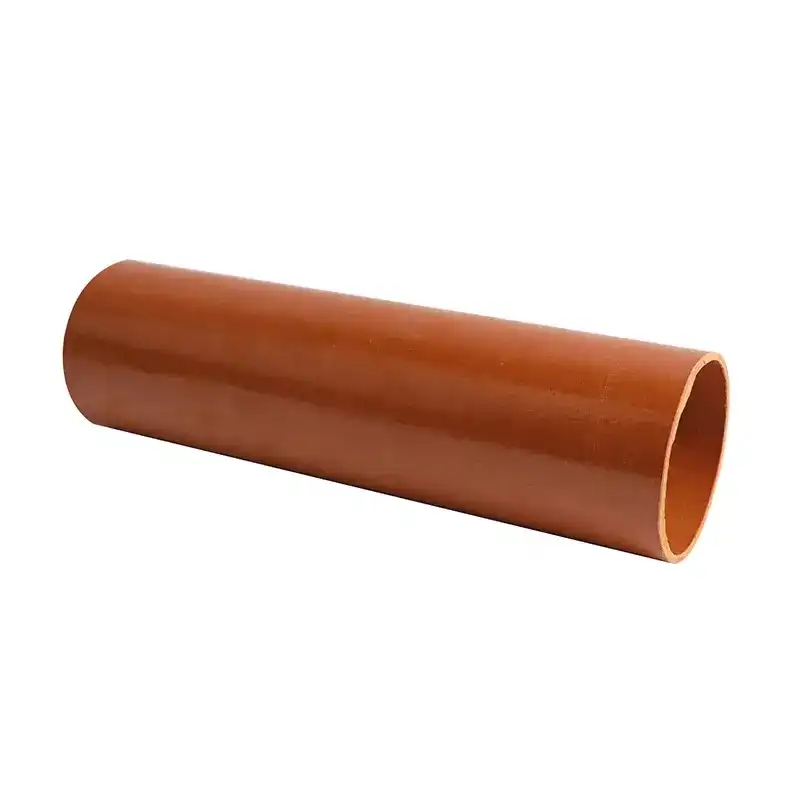
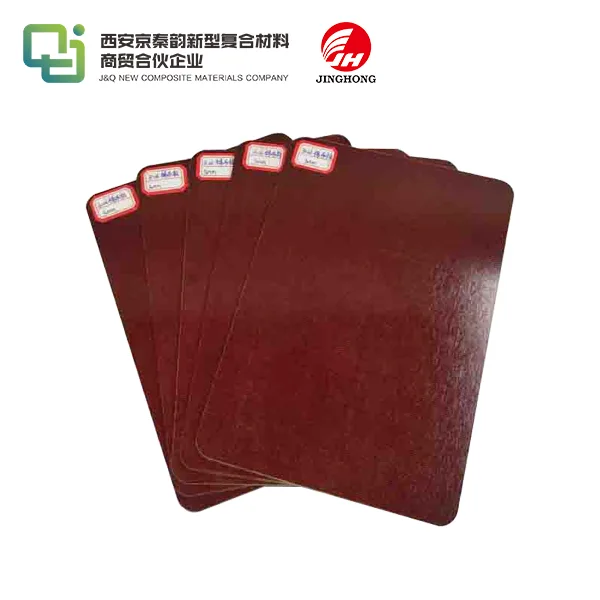
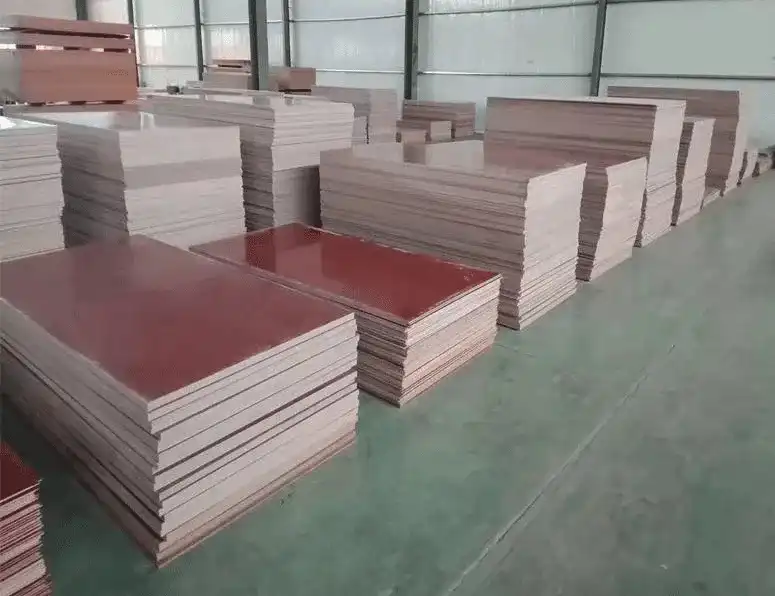
The controlled production process for phenolic cotton cloth board laminated sheet starts with soaking natural cotton fabric in phenolic resin. The fabric is then heated and pressed under exact temperature and pressure conditions. This method of lamination makes a hard board that is very stable in terms of its dimensions. This makes it ideal for parts that are exposed to repeated mechanical loads. The phenolic core gives the structure rigidity and chemical protection, while the cotton reinforcement makes it flexible and absorbs impact.
Core Material Characteristics
The performance summary of this item shows how it was made. High tensile strength across the crosswise direction supports uses that involve side forces, and low water absorption keeps the shape in damp places. The board is very resistant to mineral oils, hydraulic fluids, and mildly acidic solutions, all of which are common in places where industrial machinery is used. Surfaces that are flat and smooth make it easier to hold tight tolerances during CNC cutting, which means that less secondary cleaning is needed.
Standards and Quality Benchmarks
Our 3025 grade phenolic cotton cloth board laminated sheet is approved by UL (No. E310670) and is also compliant with ROHS and REACH. This gives buyers who care about quality real peace of mind. These certificates prove the consistency of both the materials used and the way they were made, which are important things to look for when choosing parts for controlled industries. The constant working temperature ranges are defined by thermal Class E (115°C) and Class B (130°C). The short-term tolerance goes up to 150°C before carbonization risks show up.
Why Phenolic Cotton Cloth Board is Ideal for Gear Applications
Superior Performance Against Conventional Materials
Metal-to-metal contact causes metal gears to wear out quickly, making a lot of noise and needing to be oiled often. Normal plastics break down when they are heated and rubbed together for a long time. Due to its ability to lubricate itself and absorb sound, phenolic cotton cloth board overcomes these drawbacks. When compared to steel gears in the same mounting configurations, the material lowers working noise by 15 to 20 decibels. This is a clear benefit in equipment settings that are closed off.
The cotton cloth support is better than phenolic grades made from paper or glass-fiber composites in many ways. Paper laminates aren't strong enough against impacts for shock loads, and fiberglass boards are harder to work with and cost more in materials. Cotton-reinforced versions have strong mechanical qualities at reasonable prices. They are especially good for medium-voltage uses where high dielectric strength is not as important as long-term mechanical robustness.
Real-World Application Evidence
Manufacturers of automotive gearbox parts have found that replacing metal bushings with phenolic cotton cloth board gears in auxiliary drive systems leads to longer service intervals. Galvanic corrosion is a common way for naval and industrial equipment to break down. This material's natural electrical insulation qualities get rid of the risk of galvanic corrosion in mixed-metal assemblies. Because it has a good strength-to-weight ratio, this material is used for internal gears in power tools. This lowers spinning inertia and makes the motor more efficient.
When used in water-lubricated bearing situations, like naval stern tube bearings, phenolic cotton cloth board lasts a very long time. The material can handle a small amount of shrinkage (about 1-2%) caused by water absorption without affecting its ability to hold weight. This is not possible with metal bearings, which rust when they are underwater.
Selecting the Right Phenolic Cotton Cloth Board for Your Gear Needs
Matching Material Grades to Application Demands
Heavy-weight coarse cotton canvas is used in NEMA Grade C because it is designed to be the most impact- and mechanically-tough in gear and bearing uses. When high compressive loads and shock protection are very important, this type does very well. Grade CE uses tighter weave cloth, which makes it easier to machine and better at insulating electrical parts in structures where there are modest mechanical needs along with insulation needs.
The thicknesses that are usually available are between 3mm and 100mm, and the normal sheet size is 1000mm x 2000mm. Custom size lets you get a gear blank that fits your needs exactly, so you waste less material during production. To make sure that current tools and assembly fixtures will work, procurement teams should set thickness limits (typically ±0.3mm for sheets up to 20mm).
Supplier Evaluation Criteria
In addition to price, supplier worth is based on how consistently they produce and how well they help with technical issues. We have been making insulation materials such as phenolic cotton cloth board for more than twenty years and have also been trading internationally for ten years. With this knowledge, we can see problems with specifications coming up before they cause output delays. Our unified transportation operations make shipping schedules clear and make customs paperwork easier, which are important benefits when managing production operations in multiple locations.
Minimum order amounts depend on the grade and thickness, but for standard specs, they usually start at 100 kg. Customers who buy a lot can benefit from specific production runs that make sure consistency from batch to batch. This is especially helpful when gear components need matched sets over long production periods. Before making big purchases, make sure you get test results on the material that show its tensile strength, flexural qualities, and dielectric performance to make sure it meets the requirements.
How to Integrate Phenolic Cotton Cloth Board into Your Gear Manufacturing Workflow
Machining Best Practices
Choosing the right tools is the first step to making a successful component. Cutting tools with carbide tips keep their sharp edges over long production runs. This keeps heat from building up, which can cause glue to smear. High cutting speeds (1500 to 2500 RPM for milling tasks) and modest feed rates keep the layers of cloth from coming apart. To keep the material from getting crushed, the clamping force should be spread out evenly across the piece of work. This is especially important near the edges, where layer separation is most likely to happen.
To keep layers from lifting during through-hole drilling or profile cutting, cutting forces should stay perpendicular to the laminate planes. Dust filtration devices are required because phenolic dust can irritate the lungs and catch fire. Even though the material doesn't contain asbestos, operators still need to wear the right safety gear, such as respirators rated for organic dust.
Storage and Handling Guidelines
To keep the material from changing sizes too much before it is machined, it should be kept in climate-controlled areas (15–25°C, 40–60% relative humidity). When production stops for more than 48 hours, seal opening sheets in moisture-barrier packing. Allow the material to get used to the shop floor for 24 hours before cutting it. This will keep the moisture level stable and lower the risk of twisting during manufacturing.
Maintenance and Troubleshooting
When put together correctly, gear parts made from phenolic cotton cloth board don't need much upkeep. Checking for surface wear patterns on a regular basis can find alignment problems before they become very bad. When surface wear goes over 15% of the original width or when cracks can be seen along the laminate lines, parts need to be replaced. Moisture getting in through poor sealing speeds up wear. To extend the life of your gear, check the case gaskets and shaft seals at regular repair intervals.
Future Trends & Innovations in Phenolic Cotton Cloth Board for Industrial Use
Sustainable Material Development
Resin chemistry is always getting better because of environmental laws and companies' promises to being environmentally friendly. Bio-based phenolic formulations made from lignin and agricultural waste are now being made commercially. This cuts down on the use of fossil fuels without changing the mechanical qualities of the goods. These eco-friendly options keep up the same level of performance as traditional resins while making it easier to recycle at the end of its life, which is becoming an increasingly important factor for global companies that have to follow circular economy rules when they buy materials.
Digital Transformation in Material Sourcing
Integration of Industry 4.0 changes the way things are bought by using digital platforms to match the needs of an application with approved providers. AI-assisted design tools look at load patterns, temperature ranges, and chemical exposure data to suggest the best grades and thicknesses. This saves engineers time and prevents mistakes in material selection. Real-time quality tracking through blockchain-enabled supply chains creates certification trails that can be checked, which improves compliance paperwork for businesses that are audited.
Adding new application areas shows that materials can be used for more than just practical tasks. Renewable energy industries use phenolic cotton cloth board for arc chute parts in solar inverters and wind turbine control systems because it is resistant to arcs and stable electrically. Manufacturers of construction tools use the material for vibration isolation mounts because it reduces user fatigue by dampening noise.
Conclusion
In conclusion, phenolic cotton cloth board performs better than other materials in gear uses where other materials have reached their limits. Its strong mechanical properties, safety at high temperatures, and resistance to chemicals make it useful in many areas, such as electrical, machinery, automobile, and energy. To successfully integrate materials, you need to know the differences between grades, how to machine things correctly, and how to choose a seller based on more than just price. As the needs of production change toward sustainability and digital integration, this flexible composite material continues to adapt by using eco-friendly materials and better methods for keeping track of quality. Strategic buying teams know that important choices have a direct effect on how reliable equipment is, how much it costs to maintain, and how well it positions the company in quality-sensitive markets.
FAQ
What standard thicknesses are available for gear machining?
For gear uses, common stock thicknesses run from 6mm to 50mm. For small to medium-sized gears, 10mm, 15mm, and 20mm are the most common sizes given. Custom widths can be used for unique designs, but wait times are longer—two to three weeks—for non-standard requirements. For finishing, buyers should order blanks that are a little bigger than what they need to be.
How does phenolic cotton cloth board compare to fiberglass-reinforced composites?
Compared to glass-fiber options, phenolic cotton cloth board is easier to work with and causes less tool wear. Glass-reinforced boards have higher tensile strength, but the threads that make them rough make drilling difficult because they wear down cutting edges quickly. It is better for uses that value sound quality over maximum mechanical strength to use cotton-reinforced versions because they better absorb impacts and block out noise.
Can suppliers provide custom-cut gear blanks?
Manufacturers with a good reputation will do precise cutting based on CAD models or measurements provided by the customer. Custom blocks cut down on waste and cutting time, which is especially helpful for making prototypes or small batches of products. Give exact quotes by stating tolerances, surface finish needs, and amount. Our team can help you figure out the best blank sizes for your manufacturing process by giving you expert advice.
Partner with J&Q for Premium Phenolic Cotton Cloth Board Solutions
For more than 20 years, we've been making high-quality phenolic cotton cloth boards and working with other countries on foreign trade for ten years. We know how hard it is for engineering managers and sourcing experts to choose materials that meet performance standards, certification needs, and budget limits. Our quality systems make sure that all of our production batches meet UL, ROHS, and REACH standards, and our combined logistics network makes sure that shipping times are always reliable. Email our team at info@jhd-material.com to talk about the needs of your gear application, get detailed data sheets, or get personalized prices. We give you full advice on choosing materials and do quick samples to cut down on the time it takes to develop your product.
References
National Electrical Manufacturers Association (NEMA), "Industrial Laminated Thermosetting Products Standards," Publication LI 1-2020.
American Society for Testing and Materials, "Standard Test Methods for Electrical Grade Phenolic Molded Materials," ASTM D700-18.
Gupta, M. K., "Composite Materials in Gear Design: Performance Analysis of Non-Metallic Alternatives," Journal of Mechanical Engineering Science, Vol. 234, No. 8, 2020, pp. 1543-1558.
International Electrotechnical Commission, "Specifications for Industrial Rigid Laminated Sheets Based on Thermosetting Resins for Electrical Purposes," IEC 60893-3-1:2019.
Thompson, R. L., "Phenolic Resins in Industrial Applications: Properties, Processing, and Performance," Materials Engineering Handbook, 3rd Edition, CRC Press, 2021.
Zhao, Y. and Chen, W., "Wear Characteristics of Polymer Composite Gears Under Oil-Lubricated Conditions," Tribology International, Vol. 145, 2020, Article 106156.