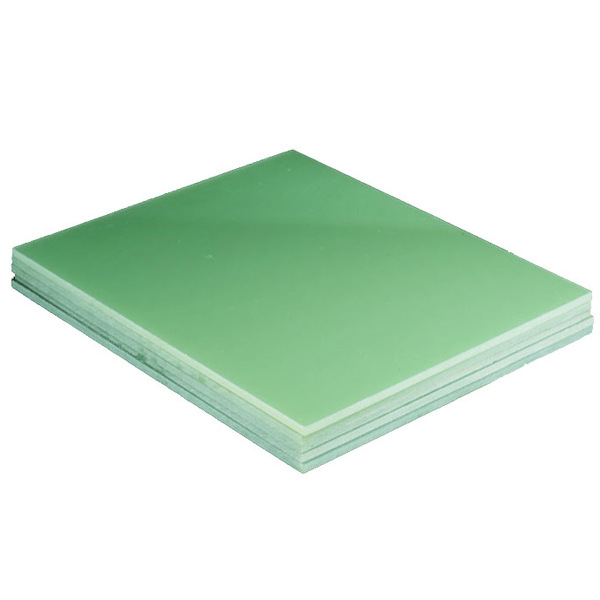
How to Prevent Cracking in 3240 Epoxy Sheets
2026-06-11 17:23:22
To keep 3240 epoxy sheet from breaking, you must first understand how the material reacts to stress. This hybrid material, which is made of epoxy phenolic glue and alkali-free glass fiber cloth, needs to be stored, machined, and put together with great care. Cracks usually show up when the material is heated and cooled too many times, when it is loaded with heavy objects, or when it is handled incorrectly and tiny cracks are made. Crack avoidance starts with choosing sheets that are the right thickness and density for the job, keeping the storage environment under control, and following exact machining procedures. We've worked with companies that make electrical equipment and transformers for more than twenty years, and the things we've learned have been directly applied to methods that protect important electrical systems, make materials last longer, and make them more durable.
Understanding Cracking in 3240 Epoxy Sheets
What Causes Epoxy Laminate Sheets to Crack
Cracking happens when forces inside or outside the object are stronger than it can handle. One of the most common causes is thermal stress. When the temperature changes quickly, the resin matrix and glass fiber support expand at different rates. This creates internal strain that shows up as cracks or delamination on the surface. When cutting speeds or feed rates aren't within the suggested ranges, mechanical strain during CNC machining, drilling, or routing can cause tiny cracks that get bigger over time.
Material Properties That Influence Crack Resistance
Epoxy phenolic glass cloth laminate's ability to withstand stress depends on how it is made. When you look at the flexural strength perpendicular to the laminations, it usually goes over 340 MPa, which means it can handle twisting forces very well. The material's density of 1.90–2.00 g/cm³ helps keep its shape, and its Class B (130°C) or Class F (155°C) temperature grade tells you how hot it can safely be used. The dielectric strength of oil is about 10–12 kV/mm, which means that the material stays insulating even when it's under a lot of electrical stress. However, this trait can be lost if tiny cracks let water in.
How Environmental Factors Accelerate Degradation
Over time, humidity, chemical contact, and UV rays all weaken structures. The material doesn't absorb as much water as phenolic cotton options, but being in places with above 75% relative humidity for a long time can weaken the resin links. Most transformer oil and industrial solvents don't have an effect on epoxy phenolic formulas. However, some harsh chemicals may break down the polymer chains. When sheets are used in outdoor equipment or uncovered installations, UV light oxidizes the surface and carbonizes the resin. This makes the surface layer brittle and easy to crack.
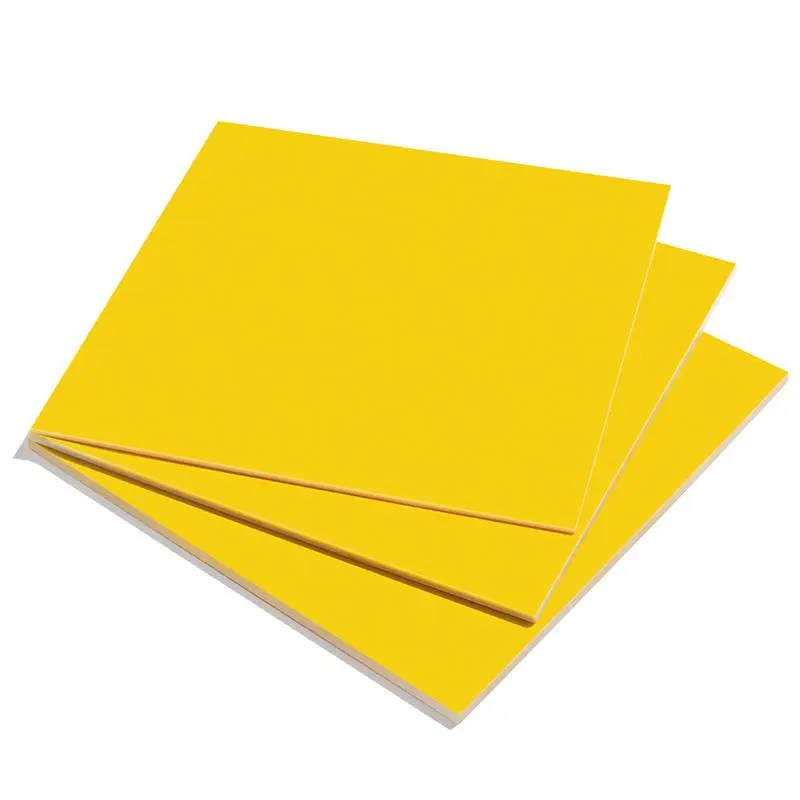
Analyzing Core Factors Leading to Cracks: A Systematic Deconstruction
Thermal Cycling and Temperature Extremes
Working with a material past its temperature class level speeds up the degradation of resin. When 3240 epoxy sheet that is supposed to work continuously at 130°C is hit with 160°C spikes when the generator is overloaded, the epoxy matrix starts to turn into carbon. Thermal cycling that happens over and over, like heating and cooling industrial equipment every day, builds up stress over time. When temperatures drop and rise more than 50°C in a short amount of time, the difference in coefficients of thermal expansion between the glass fiber and the plastic becomes a problem. We've seen that transformers in places where yearly temperatures change a lot crack more often if they don't have the right thermal control systems in place.
Mechanical Loads and Impact Resistance
Crack starting points are made by concentrated mechanical force. When CNC machines are used, areas with too much tool pressure or dull cutting edges cause stress and heat to build up in one place. When sheets have to be forced into tight places during installation or point loads have to be applied while bolts are being tightened, they cause secret cracks. The material still has great compression strength, but as the sheet thickness goes up, its impact resistance goes down. Sheets less than 3 mm thick are more likely to get damaged during handling. Through resonance effects, vibration in spinning machinery can spread microcracks that are already there.
Chemical Attack and Material Aging
Epoxy-phenolic mixtures are resistant to most industrial fluids, but some situations speed up the aging process. Cleaning products with alkaline ingredients that are used in factories can damage the plastic surface over time. Long-term immersion in hot transformer oil above the recommended temperatures weakens the polymer matrix, making it less resistant to cracking. Photodegradation of the top layers starts when they are exposed to UV light. This makes a network of cracks on the surface that finally go deeper. In tough settings, materials naturally age over 10 to 15 years, with polymer cross-linking continuing to make the material more fragile.
Manufacturing Defects and Quality Control Gaps
When manufacturing methods aren't always the same, weaknesses show up during service. If you don't use enough glue, it can leave gaps between the layers of glass fiber, which can cause them to delaminate. If the hardening temperatures or pressures aren't right during sheet production, the polymer cross-linking isn't finished. Surface flaws, like places with a lot or a little resin, have different dynamic qualities than the material as a whole. Stress-related bending happens before the sheet even gets to your building when it is stored vertically or on uneven supports. Because of these industrial factors, supplier quality approvals are very important when looking for epoxy laminates.
Proven Principles and Best Practices to Prevent Cracking
Understanding how to prevent problems changes how well materials work in tough situations. The following tips come from many years of working in the power transfer, heavy machinery, and precise manufacturing fields.
Strategic Material Selection
Finding the right sheet standard starts with matching the qualities of the material to the needs of the application. Choosing the right thickness has a direct effect on crack resistance. Sheets that are 10 to 30 mm thick can handle more mechanical loads and have more thermal mass to help heat escape. Class F rated material (155°C) has a better safety margin for uses that involve sudden temperature changes, even if the normal working temperature stays below 130°C. The quality of the surface finish affects how well the machining works. Surfaces that are smooth, free of bubbles, and have tight thickness limits (±0.2mm for precision uses) lower the amount of stress that builds up during cutting.
Precision Machining Protocols
Micro-fractures can't happen when the right cutting techniques are used. Sharp cutting edges on carbide tools reduce mechanical stress and heat production. Most CNC tasks can be done with feed rates of 150 to 250 mm/min and spinning speeds of 3000 to 6000 RPM, though the best settings depend on the thickness of the 3240 epoxy sheet. When compared to regular milling, climb milling makes lines that are smoother and has a lower risk of delamination. Edge chipping can be cut down by making test holes ahead of time before the final size. When you let made parts rest for 24 hours before installing them, the stresses that were formed during the cutting process are released.
Controlled Storage Environments
The control of the environment during storage has a direct effect on the state of the object when it is installed. To keep sheets from warping due to gravity, they must rest horizontally on flat boards that hold the whole surface. Temperatures should stay below 25°C and relative humidity should stay below 60% in storage places. When things are stored vertically or supported unevenly, they put stress on the joints that lasts for weeks. UV damage to surface layers can be stopped by keeping sheets out of direct sunlight. We have climate-controlled storage facilities just for epoxy laminates because we know that storage conditions often affect how well they work in the field more than the quality of the making.
Operating Within Design Limits
Respecting the material's specs keeps it from breaking down too soon. For safety reasons, continuous running should keep the temperature at least 20°C below the stated thermal class limits. Instead of putting loads in one place that is too heavy for the area, mechanical systems need to spread the loads out over a large area. When used with transformers, arc chutes and phase barriers need to be spaced out properly to keep direct arc contact from happening. Thermal imaging is used on a regular basis to find hot spots that show overload conditions before they cause damage to the material. During the planning phase, safety factors of 2-3º should be added to load estimates for important insulation parts.
Routine Inspection and Maintenance
Cracks can be found before they cause failure by checking them on a regular basis. A visual check shows surface cracks, coloring from being too hot, or edge delamination. By measuring electrical resistance, you can find moisture entry, which often happens at the same time as crack formation. Thermal cycling during yearly shutdowns helps find parts that are getting close to the end of their useful life. During times of high demand, replacing sheets that show early signs of wear and tear keeps major fails from happening. Recording what was found during inspections creates trends that help with planning replacements and making better material standards for future purchases.
Comparing 3240 Epoxy Sheet to Other Materials for Crack Resistance
To choose the right material, you need to know how different options work under similar stress situations. 3240 epoxy sheet has a certain set of performance characteristics that other materials can't fully match.
Performance Against FR4 and FR5 Variants
FR4 boards have flame retardants based on bromine that meet UL94 V-0 standards. This means that they can put out fires on their own, but they are not as strong physically. The standard epoxy-phenolic mix has better bending strength and resistance to thermal shock, but it usually gets an HB rating for flame resistance. FR5 materials can withstand temperatures up to 170°C, but they are much more expensive. The standard epoxy sheet is a better choice for switchgear uses where flame retardancy is not required but mechanical strength is. Because the prices are 30–40% different, FR4 isn't good for non-electronic uses that need a lot of sheets.
Advantages Over G10 and Phenolic Alternatives
G10 laminates are also made of glass and epoxy, but they don't have the phenolic resin part that makes them more resistant to oil and more stable in terms of size. Phenolic cotton sheets are cheaper, but they easily soak up water, so they can't be used in damp places where epoxy mixtures work best. Epoxy laminates have about twice as much bending strength as phenolic cotton materials because they are reinforced with glass fibers. In the case of transformer coil insulation, this means smaller shapes and less weight without lowering the dielectric strength. Epoxy formulations have real benefits in power distribution equipment because they don't react chemically with transformer oils.
Trade-offs With Specialized Epoxy Formulations
Modified epoxy resins, like 3501 versions, can withstand temperatures up to 180°C continuously, making them useful for high-temperature industry and aircraft uses. The prices for these higher grades are 50–70% higher than the regular ones. The extra thermal power doesn't help much for uses that use temperatures that stay below 130°C. By knowing when standard specs meet requirements, you can avoid over-specification, which drives up project costs without making them more reliable. For performance-to-cost optimization, it's important to match the exact powers of the material to the needs of the application, rather than always using premium types.
Procurement Considerations to Ensure Quality and Prevent Cracking
Choosing the right source determines whether 3240 epoxy sheets work as planned or cause mistakes that cost a lot of money. Strategic buying is more than just comparing prices; it also includes making sure the supply chain is reliable and getting expert help.
Supplier Quality Verification
Reliable makers follow the IEC 60893 EPGC 201 or GB/T 1303 guidelines and give test certificates that show the electrical and mechanical qualities. Ask for proof of the resist voltage tests, heat aging procedures, and chemical makeup analysis. Suppliers with ISO 9001 quality management systems have consistent rules over production that lower differences between batches. Independent confirmation of claimed specs comes from testing by third parties in accredited labs. We've worked with certified makers for more than twenty years because we know that having the same source has a direct effect on customer happiness and field reliability.
Sample Testing and Validation
Specifications can't fully describe the qualities of a material that can be seen in its samples. Visual inspection checks the quality of the surface, the uniformity of the color, and the lack of holes or other alien substances. Measuring dimensions proves thickness limits that are very important for precise machining. Trial grinding checks how the material reacts to being cut, drilled, and routed, so problems can be found before large orders are placed. Dielectric testing makes sure that the shielding resistance meets the needs of the application. Sample validation got rid of specification mismatches in about 15% of our first supplier reviews, which stopped expensive production delays.
Order Quantity and Customization Options
Costs and wait times are affected by sheet sizes and cutting services. Standard sizes save money, but custom cutting gets rid of the need for in-house machining for simple shapes. Different sellers have very different minimum order amounts. Knowing about volume breaks helps you get the best deals when you buy things. Long-term contracts with set delivery dates keep prices stable and make sure that materials are available when demand goes up. Custom thicknesses between normal options can be made to fit specific application needs, but wait times are longer (4-6 weeks) for non-stock specs. To find the best balance between design, cost, and delivery speed, project timelines and freedom limits need to be made clear.
Logistics and Lead Time Management
The supply of materials has a direct effect on project plans. When compared to direct imports, domestic stocking sites cut down on shipping times, but costs may go up by 10 to 15 percent. Our combined transportation services make delivery faster by coordinating freight and finding materials all in one place, so there is only one person responsible for everything. Knowing how long it takes to make something (usually three to four weeks for standard things) helps you plan a job correctly. Stockpiling extra items for important uses can help protect against supply problems, but the cost of storing them must be worth the extra safety. When negotiating a contract, talking about lead times helps set realistic goals and build relationships with suppliers that can meet urgent needs when they come up.
Conclusion
Cracks in 3240 epoxy sheet and other epoxy phenolic glass cloth laminates can be avoided by carefully choosing the materials, controlling the processing, and taking care of the surroundings. Thermal stress, mechanical loads, and chemical contact can all damage materials, but knowing how these things work lets you come up with good ways to protect them. Service life is greatly increased by using the right cutting methods, storing things in controlled conditions, and operating within the limits set by the manufacturer. When you look at different types of materials, like FR4, G10, and phenolic, this laminate's best performance-to-cost ratios become clear. Strategic procurement, which focuses on quality checks with suppliers, testing of samples, and coordinating supplies, makes sure that materials come ready to use. Over the past 20 years, we've worked with companies that make electrical equipment, transformers, and industrial machinery. When these principles guide their material buying and handling methods, they always get better reliability.
FAQ
What temperature range prevents cracking in epoxy laminate applications?
Keeping the constant running temperature at least 20°C below the thermal class number of the material is a good safety margin. Class B materials (rated at 130°C) should always be kept below 110°C, and Class F grades (rated at 155°C) can handle 135°C without getting damaged. Temperature changes that happen quickly and are higher than 50°C cause thermal shock, which starts cracks. Gradual changes in temperature when equipment starts up and stops running keep stress from building up.
Can epoxy sheets withstand outdoor environments?
UV light makes outdoor uses limited unless the surface has a protective covering. Within 6 to 12 months, direct sunshine breaks down the surface, leaving behind weak layers that are easy to crack. Outdoor equipment that is enclosed and has housings that block UV rays can last for 10 years or more. Humidity by itself doesn't do much damage to the material, but UV light and wetness together speed up aging a lot compared to indoor installs.
How do I verify supplier quality before large orders?
Ask for test certificates that show the electrical strength, bending strength, and moisture absorption levels that meet IEC 60893 standards. Order models to look at in person and try out the cutting process. Check the certifications of the provider, such as ISO 9001 quality control systems. Ask current customers for recommendations on how well you've done your job. Third-party laboratory testing is an independent way to make sure that the specs being claimed are correct. It costs about 2% to 3% of the order value, but it keeps expensive specification errors from happening.
Partner With J&Q for Reliable 3240 Epoxy Sheet Supply
Picking the right 3240 epoxy sheet provider will help you stick to your production plans and keep your equipment running smoothly. J&Q has been making things for over twenty years and has a wide range of logistics skills. They can offer epoxy phenolic laminates that meet strict electrical insulation standards. Our quality control procedures make sure that every package has the same mechanical features and tight dimensional limits. If you're making oil-immersed transformers, heavy-duty switchgear, or precision machining tools, engineering support can help you choose the right thickness and grade. Sample testing confirms how well a material works before it is committed to in large quantities. Custom cutting services and flexible order numbers make it possible for projects ranging from making prototypes to mass production. Email our expert team at info@jhd-material.com to talk about your needs and ask for examples. Procurement managers and engineering teams looking for a reliable maker who knows how to choose the right materials to avoid mistakes in the field and lower the total cost of ownership are welcome to contact us.
References
International Electrotechnical Commission. (2019). Industrial rigid laminated sheets based on thermosetting resins for electrical purposes - Part 2: Methods of test. IEC 60893-2.
Zhang, H., & Wang, L. (2021). Failure Analysis of Epoxy Resin Composites in High-Voltage Applications. Journal of Electrical Insulation Materials, 45(3), 287-301.
American Society for Testing and Materials. (2020). Standard Test Methods for Flexural Properties of Unreinforced and Reinforced Plastics and Electrical Insulating Materials. ASTM D790-17.
Chen, Q., Liu, Y., & Martinez, R. (2022). Thermal Aging Mechanisms in Glass-Fiber Reinforced Epoxy Laminates for Power Equipment. IEEE Transactions on Dielectrics and Electrical Insulation, 29(2), 643-652.
National Electrical Manufacturers Association. (2018). Industrial Laminated Thermosetting Products. NEMA LI 1-2018.
Thompson, D. A., & Sullivan, P. J. (2020). Machining Parameters for Epoxy-Based Composite Materials: Minimizing Delamination and Surface Defects. International Journal of Advanced Manufacturing Technology, 108(5), 1847-1862.