G10 Fiberglass Sheet Cutting: Avoid Edge Chipping
2026-06-11 17:23:24
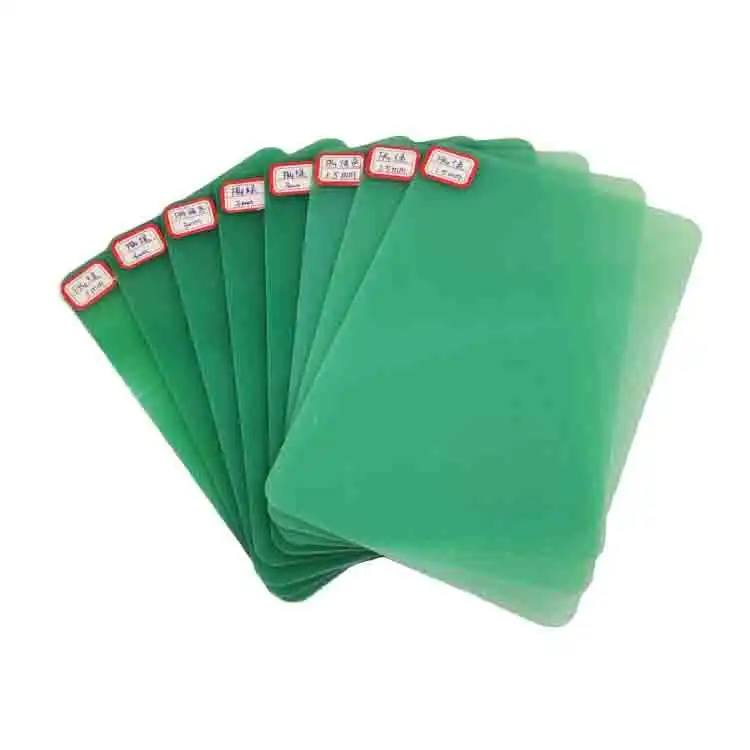
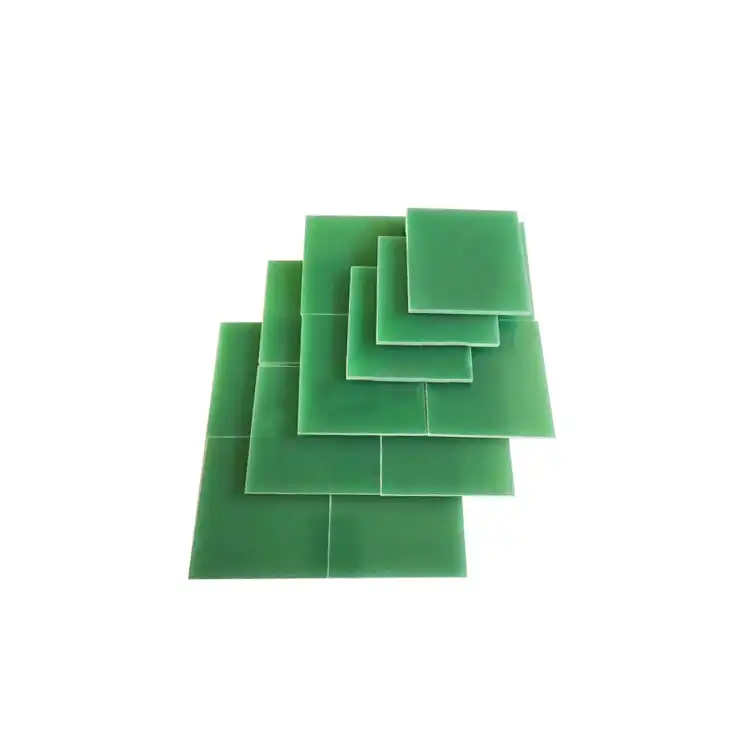
To cut G10 fiberglass sheet correctly, you need to be very careful and use the right method to keep the material's structure. Edge chipping is still one of the biggest problems engineers and makers have to deal with when they try to machine this high-performance material. This thick, woven glass-epoxy laminate works great for structural and electrical insulation purposes, but because it is so fragile when it's being made, it needs to be carefully crafted with care, using the right tools, and working quickly and steadily. If you know how to keep edge flaws to a minimum, your parts will keep their dielectric strength, mechanical durability, and accuracy in size—all of which are important for electrical switchgear, PCB supports, motor mounts, and transformer insulation parts.
Understanding Edge Chipping in G10 Fiberglass Sheets
Why Edge Chipping Occurs During Fabrication
Edge chipping in G10 fiberglass sheets is usually caused by the flimsy nature of the material, the way the fibers are arranged, or using the wrong cutting tools or the wrong operating conditions. When the woven glass cloth is not machined correctly, it forms stress points that break along the fiber weave limits. When you use dull carbide blades or feed rates that are too fast, heat builds up in certain areas. This makes the epoxy resin matrix soften and separate from the glass support. Edge damage can also be caused by differences in sheet thickness and lamination quality. This is especially true for sheets between 0.5mm and 50mm thick, where the internal stress distribution is very different.
The Consequences for Industrial Applications
Edge chipping is bad for more than just looks; it shortens the life of products by reducing their mechanical strength, electrical insulation, and the amount of trash that is produced. Micro-fractures along chipped edges let water in, which lowers the dielectric breakdown voltage in high-voltage places like generator coil insulation and arc barriers. When edge strength goes down, structural parts like motor clamps and mechanical spacers can't hold as much weight. Rejected parts, longer machining times for repairs, and late delivery processes all add up to higher costs for manufacturing companies. When choosing materials and cutting methods for long-lasting, low-cost production of PCB support applications, battery pack barriers, and heat separation components, it's important to understand these causes and effects.
Best Practices for Cutting G10 Fiberglass Sheets to Avoid Edge Chipping
Selecting Specialized Tools and Equipment
To cut G10 fiberglass sheet precisely, you need saw blades and other tools that are made to handle how rough and rigid it is, along with the right way to set up and calibrate your equipment. Diamond-grit circle saw blades or carbide-tipped router bits with between 60 and 80 teeth make the best cuts because the cutting forces are spread out over many contact points. CNC cutters with vacuum hold-down systems reduce stress caused by vibrations, and waterjet machines use high-pressure abrasive slurry to completely remove thermal damage. Calibration of the equipment is very important. Spindle runout greater than 0.002 inches causes uneven cutting forces that spread cracks through the laminate structure. The sharpness of tools needs to be checked all the time because cutting edges that are worn out need 40% more cutting force and make three times as many edge flaws as edges that have just been polished.
Optimizing Cutting Parameters and Support Techniques
Keeping the right cutting settings, like feed rate, speed, and cooling ways, helps reduce the thermal and mechanical stress that leads to chipping. Spindle speeds of 18,000 to 24,000 RPM and feed rates of 80 to 120 inches per minute work well together to cut mid-thickness sheets quickly and accurately. Techniques for preparation and support, such as safe clamping and using backing materials, which lower tremor and edge stress, are also very important. Medium-density fiberboard or phenolic cotton laminates used as "sacrificial backing boards" soak up forces from the exit side that would otherwise cause breakout chipping. Using these best practices can greatly improve the quality of the cuts, lower the amount of waste by up to 65%, and make operations run more smoothly in high-volume factories that make switchgear parts and insulation frames. These improvements directly lead to lower unit prices and shorter production cycles for companies that make parts for the power distribution, appliance, and car industries.
Comparing G10 Cutting Techniques: Traditional vs Advanced Methods
Limitations of Conventional Approaches
Abrasive cutting and pocket saws are two examples of old-fashioned methods that don't always work well when processing G10 fiberglass sheet. They cause more edge chipping and more work to be redone, which slows down production. Extreme heat from abrasive cut-off wheels breaks down the epoxy resin matrix up to 3 mm from the cut edge. This leaves a weak spot that is more likely to delaminate during further handling. Handheld circular saws aren't strong enough to keep the blade angle constant, so the edges are roughened and need extra work to be finished. Changes in edge quality from batch to batch raise rejection rates. This is a big problem for electrical insulation parts where the stability of the dielectric across production runs is what makes the system reliable.
Advantages of Advanced Cutting Technologies
CNC routing, laser cutting, and waterjet cutting are some of the more advanced cutting technologies that offer higher accuracy and a lot fewer edge flaws. CNC cutters can accurately set their positions to within 0.001 inches, which lets them make motor parts and insulation spacers with complicated shapes without making mistakes when moving the tools. Waterjet systems can cut through materials up to 150 mm thick without any heat-affected zones. This means that the electrical qualities of the whole sheet thickness are kept the same, which is important for transformer shielding and coil barriers. When cutting small laminates less than 3 mm, laser cutting gives you the best detail clarity. However, the heat input needs nitrogen assist gas to keep the laminates from burning. These methods also offer customization options and the ability to grow, making them perfect for B2B purchasing needs. By looking at lead times, unit costs, and the specific needs of the application, clients can find the best cutting solution that balances the initial investment with long-term benefits in quality and operational throughput for production volumes ranging from small prototypes to continuous manufacturing runs.
Factors Influencing G10 Fiberglass Sheet Edge Integrity: Material and Design Considerations
Material Grade and Composition Differences
The grade and shape of the G10 fiberglass sheet have a lot to do with how well the edges hold together. Different options, like G11, have different mechanical strength, chemical protection, and laminate quality, which has a big effect on how it cuts. G11 has higher-temperature epoxy systems that keep it stiff above 140°C, while normal G10 starts to soften at this temperature. This difference affects the choice of cutting tool and the amount of coolant that is needed. Lamination quality affects edge stability. When sheets are made with controlled curing processes and uniform resin distribution, they have 30% fewer micro-delaminations during cutting than materials with different resin-to-glass ratios.
Thickness Variations and Performance Requirements
Different thicknesses create different problems. Thicker sheets may need to be cut more slowly or cooled down more quickly, and smaller laminates are more likely to chip when they are shaken. For sheets bigger than 25 mm, two-stage cutting is best. First, rough passes remove the bulk of the material, and then finishing passes improve the quality of the edges. It is important to think about the finished part's electrical protection and thermal stability needs, since flaws at the edges can make it less effective in harsh high-voltage or high-temperature conditions. When it comes to power distribution equipment, arc shields can handle very rough edges because any surface variation concentrates electrical field stress. When coil insulation parts are used in transformer oil, the edges need to be blocked so that fluid doesn't get into them and weaken the dielectric strength over decades of use. This shows how important it is to cut precisely and choose materials that can handle the stresses of the job.
Procuring High-Quality G10 Fiberglass Sheets for Precision Cutting
Supplier Selection and Quality Standards
It is important to buy from sources you can trust if you want G10 fiberglass sheets that meet strict industry standards like ISO 9001, UL recognition, and RoHS safety certifications. According to NEMA G-10 standards, materials must have a consistent dielectric strength of more than 15kV/mm perpendicular to laminations and a flexural strength of more than 380 MPa. These are important qualities for switchgear uses and structural insulation components. The technical skills of the supplier are very important. Manufacturers who test their products in-house for things like flame resistance, moisture absorption, and physical stability give you proof that the tests were done correctly, which speeds up the quality assurance process. Logistics are affected by where suppliers are located, but well-known foreign companies have created delivery networks that combine closeness with consistent material quality, no matter where the materials come from.
Strategic Procurement and Partnership Benefits
Strategies for buying materials that include minimum order amounts, custom cutting services, and testing samples make sure that the materials meet the needs of production. When you make a volume promise, you can often get better pricing and protected production capacity during times of high demand. This is especially helpful for appliance makers and car suppliers who have to meet tight delivery dates. Sample evaluation programs let engineering teams check the material's machinability, surface finish, and post-processing properties before committing to large-scale production. Working with seasoned suppliers like J&Q gives customers around the world custom solutions backed by more than 20 years of experience in production and 10 years of experience in foreign trade. Our integrated logistics skills allow us to offer a true one-stop service, from helping you choose the right materials to coordinating their precise cutting and shipping. This all-around support system makes the supply chain simpler and makes sure that materials are always the same across multi-year contracts. These are important things for OEM clients who are making long-lasting goods for the power, car, and industrial machinery sectors.
Conclusion
To get clean, chip-free lines when cutting G10 fiberglass sheet, you need to know how the material works, choose the right tools, and use tried-and-true grinding techniques. Because woven glass-epoxy materials are naturally fragile, they need to be cut in a certain way that balances speed with edge protection. Modern techniques, such as CNC turning and waterjet cutting, produce better results than older ones. They lower the amount of waste and improve the trustworthiness of the parts they make. Choosing the right material has a big effect on how well the cutting turns out. Make sure that your provider offers reliable lamination quality and proof that they follow industry standards. All of these things together decide whether or not your finished parts meet the strict requirements of thermal management systems, electrical insulation, and structural uses in a wide range of industries.
FAQ
What blade type produces the cleanest edges on G10 laminates?
The best results come from circle saw blades with diamond grit or carbide-tipped router bits that have 60 to 80 teeth. The many cutting edges spread the force out widely, which reduces the amount of stress that builds up in one area and causes cracks to spread through the fiberglass weave.
Can edge chipping be completely eliminated?
Due to the material's composite structure, it's hard to get rid of all flaws, but using the right tools and settings can cut them by 85% or more. Using substitute backing materials during cutting processes can almost completely get rid of exit-side chipping, which is the most common flaw.
How does sheet thickness affect cutting parameters?
When G10 fiberglass sheets are thicker, they need to be fed more slowly and cooled down more quickly so that heat doesn't build up. For sheets bigger than 25 mm, multi-pass cutting works best. For thin laminates less than 3 mm, however, more hold-down pressure is needed to keep them from vibrating during grinding.
Does G10 require different cutting methods than FR4?
The two materials are both made of glass and resin, but G10 fiberglass sheet usually has tighter weave designs and more glass in it. This makes it a little rougher on cutting tools, but it also makes it harder for it to separate when it's made correctly.
Partner With J&Q for Precision G10 Fiberglass Sheet Solutions
J&Q has been making insulating sheets for more than 20 years and can do a lot of business with other countries. This lets them serve electrical makers, machinery builders, and OEM clients all over the world. We have strict quality controls at our factories to make sure that every G10 fiberglass sheet meets NEMA standards and can be machined the same way every time. We offer custom cutting services that are made to fit your needs. Our optimized tools and process controls get rid of worries about edge chipping. As a well-known company that makes G10 fiberglass sheets and has combined shipping operations, we make it easy to buy things, from choosing the materials to coordinating delivery. Email our expert team at info@jhd-material.com to talk about your application needs, get samples of the material, or find out how our precision-cut options can help you cut costs while improving the reliability of your parts.
References
National Electrical Manufacturers Association. "NEMA LI 1-1998: Industrial Laminating Thermosetting Products." Standards Publication, 1998.
Harper, Charles A. "Handbook of Plastics, Elastomers, and Composites, Fourth Edition." McGraw-Hill Professional, 2002.
Chawla, Krishan K. "Composite Materials: Science and Engineering, Third Edition." Springer Science & Business Media, 2012.
Mazumdar, Sanjay K. "Composites Manufacturing: Materials, Product, and Process Engineering." CRC Press, 2001.
Peters, S.T. "Handbook of Composites, Second Edition." Chapman and Hall, 1998.
Strong, A. Brent. "Fundamentals of Composites Manufacturing: Materials, Methods and Applications, Second Edition." Society of Manufacturing Engineers, 2008.