FR4 as PCB Base Material: Complete Guide
2026-03-06 17:16:22
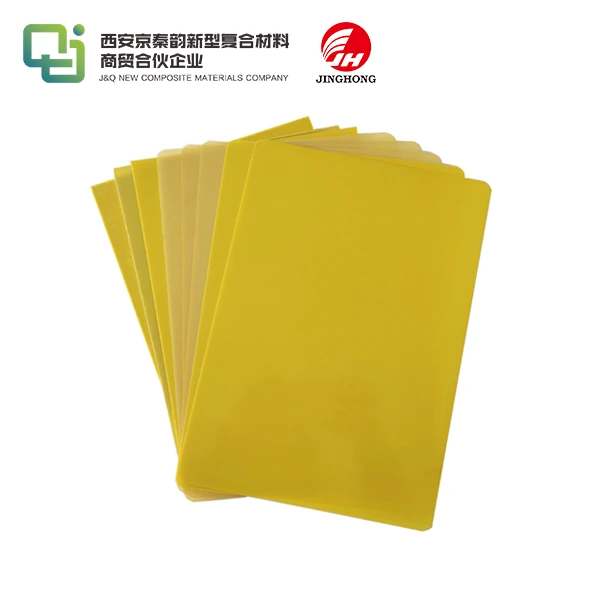
FR4 sheet is the most common substrate material used in the electronics businesses around the world and is the building block of modern PCB production. This in-depth guide looks at why FR4 is the most popular material for PCBs because it has the best electrical insulation qualities, is very durable, and is also very cheap. When engineering managers and procurement teams know about FR4's technical specs, manufacturing methods, and buying strategies, they can make decisions that improve performance and stick to the budget.
What is FR4 Material and Why It Dominates PCB Manufacturing?
Understanding FR4: Composition and Basic Properties
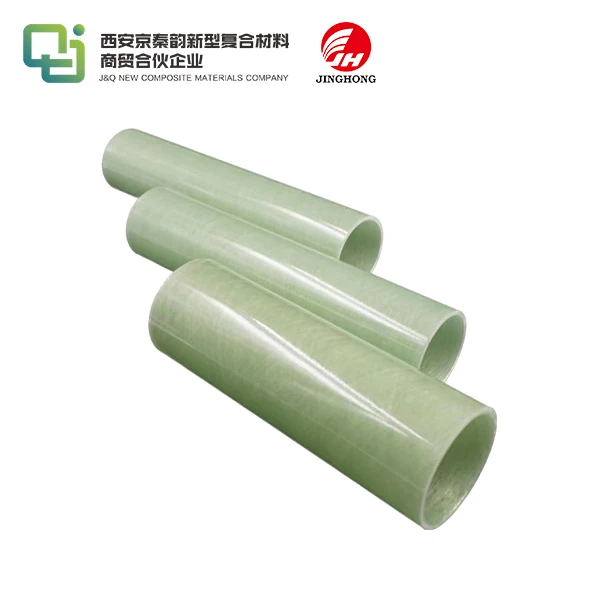
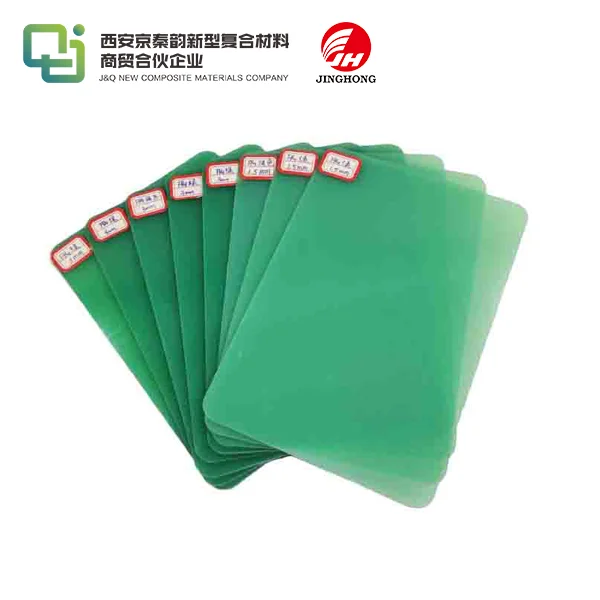
FR4 stands for Flame Retardant 4. It is an industrial laminate that is thermosetting and made of continuous thread glass cloth and epoxy resin binder. The great qualities of this composite material come from the way the woven fiberglass reinforcement and epoxy matrix work together to make a substrate that is strong and good at conducting electricity. The glass strands keep the shape and provide mechanical strength, and the epoxy resin system sticks well to copper foil and is resistant to weather conditions.
The special make-up of the material solves important problems in the production of electronics. Unlike phenolic materials made from paper, FR4 doesn't absorb much water (usually less than 0.15%), so its electrical properties stay fixed even when the humidity level changes. The epoxy resin system is better at resisting chemicals than polyester-based laminates, so it can be used in tough industrial settings.
FR4 Classification Standards and Industry Specifications
Standardized specifications are important for the electronics business because they make sure that materials work the same way all over the world. The basic rules for FR4 materials are set out in NEMA LI 1-1998. These rules include standards for their electrical, mechanical, and thermal qualities. The IPC-4101 standards go even further by separating materials into groups based on their glass transition temperature, thermal expansion coefficients, and dielectric properties. These groups are used for PCB uses.
When choosing things for different uses, it's important to know how these groups are put together. The glass transition temperature (Tg) of standard-grade FR4 is usually between 130°C and 140°C, which is fine for most industrial electronics. High-Tg versions can withstand temperatures between 170°C and 180°C, which lets them be used in industrial and vehicle settings where thermal cycling requirements are higher than normal.
Market Position: FR4 vs Other PCB Substrate Materials
FR4 stays on top of the market thanks to well-balanced performance qualities that meet the needs of a wide range of applications. FR4 is more resistant to moisture and has better mechanical qualities than CEM-1 (paper-epoxy composite), which is why it costs a little more. Rogers or PTFE-based substrates are examples of high-frequency materials. FR4 has good electrical performance for frequencies up to 2GHz and maintains big cost benefits.
The material can be used in a lot of different fields, from consumer electronics that need to cut costs to aerospace uses that need to be reliable. Because it can be used in so many situations, economies of scale help FR4 stay competitive in the global market.
Cost-Performance Analysis for Mass Production
The economics of manufacturing strongly support using FR4 in situations with a lot of output. The infrastructure of the supply chain is already in place, so prices and availability are always the same. Standardized processing factors also make manufacturing simpler. Depending on the thickness and copper weight, the material usually costs between $2 and $8 per square foot. This is a great deal compared to custom substrates, which can cost more than $20 per square foot.
Some things that make production more efficient are predictable drilling features, well-known surface finishing methods, and the ability to work with standard assembly methods. These things work together to lower the total cost of ownership, which goes beyond the price of the raw materials. This makes FR4 the best choice for uses that need to save money without sacrificing reliability.

FR4 Material Properties: Technical Specifications That Matter
Dielectric Constant and Loss Tangent are two electrical properties.
The way FR4 conducts electricity has a direct effect on how well signals work and how much power is used in computer circuits. At 1MHz, standard FR4 sheet has a dielectric constant (Dk) of about 4.3 to 4.7, which makes it easy to control the resistance of transmission lines. FR4 is good for digital circuits that work at reasonable speeds because its dielectric constant stays pretty stable over frequency ranges up to 1GHz.
Loss tangent (Df) numbers are usually between 0.018 and 0.025, which is a good level of signal loss for most uses. Lower loss versions get Df values below 0.01, which means they can be used in higher frequency bands. By knowing these factors, designers can make the best use of trace geometries and keep signal degradation to a minimum in complex multilayer stackups.
Thermal Characteristics: Glass Transition Temperature and Thermal Conductivity
It's more important than ever to think about thermal management as electronic gadgets get more powerful. Standard FR4 materials have glass transition temperatures around 135°C, which set the highest temperature at which they can be used before their mechanical properties start to break down. High-Tg formulas raise this temperature limit to 170°C or higher, making them suitable for uses in places with high ambient temperatures or a lot of self-heating.
In the through-thickness direction, thermal conductivity values are usually between 0.3 and 0.4 W/mK, which is enough to get rid of heat for moderate power uses. Enhanced thermal variants have fillers that make them more conductive than 1.0 W/mK. This helps power electronics and LED uses that need better thermal management.
Mechanical Strength: Flexural and Tensile Properties
Because FR4 is mechanically strong, it can be used to make strong PCB designs that can handle assembly stresses and operational loads. The flexural strength is usually higher than 380 MPa, which means it can survive bending forces during transport and assembly. Tensile strengths of about 310 MPa in both the warp and fill lines make sure that the shape stays stable during thermal cycling.
These mechanical properties are especially useful in situations where structure support is needed in addition to simple circuit coupling. FR4 can be used as both an electrical substrate and a mechanical structure, which is useful for industrial control systems, car electronics, and power distribution equipment.
Chemical Resistance and Environmental Durability
Because FR4 is resistant to chemicals, it can be used reliably in a wide range of environments. Common industrial chemicals, cleaning agents, and air pollutants can't break down the crosslinked epoxy matrix. This inertness to chemicals is very important for uses that are in harsh settings or need a lot of cleaning during production.
Environmental testing standards like IPC-TM-650 prove that FR4 works well in situations that speed up the aging process, such as being exposed to humidity, changing temperatures, and chemicals. These standardized tests give users trust in the long-term dependability of devices that need to work for a long time.
Flame Retardancy: UL94 V-0 Rating Explained
FR4's ability to resist flames meets important safety standards in the building of electronic equipment. The UL94 V-0 grade means that the fire will go out on its own within 10 seconds of the ignition source being removed, with no flaming drips that could spread the fire to other materials. This amount of performance meets safety standards for consumer electronics, heavy machinery, and building installations.
Modern FR4 formulas are flame retardant thanks to additives that don't contain halogens. This is good for the environment and keeps safety performance high. These eco-friendly versions help you follow RoHS and REACH rules without lowering their fire safety features.
FR4 Types and Grades: Choosing the Right Variant for Your Application
Standard FR4 vs High Tg FR4: Performance Differences
When choosing between normal and high-Tg FR4 versions, you need to carefully think about your operational needs and your budget. There is enough performance in standard FR4 materials for applications that work below 105°C, which includes most business electronics uses. Standard grades are good for price-conscious market goods and high-volume manufacturing because they have lower costs.
The higher price of high-Tg FR4 versions is justified by their better thermal stability and lower coefficient of thermal expansion. The better dimensional stability during thermal excursions is useful for lead-free solder assembly, conditions under the hood of cars, and industrial process control. Investing in high-Tg materials usually pays off because they lead to fewer guarantee claims and more reliable products.
Thickness Options: From 0.1mm to 6.0mm Applications
There is a wide range of thicknesses for FR4 sheets to meet a wide range of design needs. Ultra-thin versions (0.1 to 0.2 mm) allow for small, portable gadget designs where space constraints force the choice of material. For general-purpose uses, standard thicknesses of 1.6 mm offer the best mix between mechanical rigidity and cost of production.
Varieties that are thicker than 3.0 mm can be used in high-power uses that need more thermal mass and strength. These heavy substrates are used in power distribution systems, industrial motor drives, and green energy inverters to make sure they can carry enough current and keep their structure strong. The higher cost of the materials is supported by better thermal performance and easier assembly.
Copper Cladding Variations: 1oz, 2oz, and Heavy Copper Options
Copper cladding specifications have a direct effect on how much current a final PCB can carry and how well it handles heat. Standard 1oz copper (35 microns) is a good conductor for signal routing and low-power uses, and it doesn't cost too much either. Because it is easy to find and can be processed in a standard way, 1oz copper is the standard choice for most industrial electronics.
Heavy copper variants at 2oz (70 microns) or higher allow power electronics uses that need to be able to handle a lot of current. Less conductor resistance and better heat dissipation are good for automotive battery management systems, industrial motor controllers, and green energy converters. Because of electrical needs, the extra processing complexity and material prices need to be carefully justified.
Specialized FR4 Grades: Halogen-Free and Low-Loss Variants
Environmental rules and performance standards create a need for specialty FR4 formulations that go beyond standard offerings. Halogen-free grades don't use flame retardants based on bromine or chlorine, which helps meet environmental standards while keeping safety standards. These products are very important for European markets and uses that need to be certified as environmentally friendly.
By choosing the right fillers and optimizing the resin system, low-loss FR4 versions can improve their electrical performance. Dissipation factors below 0.01 allow operation at frequencies close to 5GHz, which means that FR4 can be used in radar and telecommunications uses that normally need exotic substrates. Low-loss FR4 is a good choice for performance-critical uses because it doesn't cost too much more than specialty materials.
Industry-Specific Requirements: Automotive, Medical, and Aerospace Grades
Regulated industries have extra requirements on top of the standard FR4 specs. This has led to the creation of specialized grades that are easier to track and prove their performance. Automotive-grade materials meet the quality standards set by IATF 16949 and the qualification requirements set by AEC-Q200. This makes sure that the materials will work reliably in settings with changing temperatures and vibrations. The higher prices are worth it because the extra testing and paperwork requirements lower the risk of guarantee claims.
For medical devices, biocompatibility testing and better cleaning during production are needed. Aerospace grades go through a lot of qualification tests, such as measuring outgassing, checking for radiation protection, and doing long thermal cycling. While these specialty versions come with big price hikes, they are necessary in situations where failure would have far-reaching effects that go beyond the cost of the materials.
FR4 Manufacturing Process and Quality Control
Lamination Process: From Glass Fiber to Finished Substrate
The process of making FR4 starts with high-quality E-glass fabric, which gives the end laminate its supporting structure. Specifications for glass cloth include the fiber diameter, weave pattern, and fabric weight. All of these factors affect the end properties of the material. The fabric is treated with a silane coupling agent to help it stick to the epoxy resin system. This makes sure that the cured laminate has the best mechanical qualities.
The glass fabric is impregnated with epoxy resin through controlled immersion and squeeze methods that make sure the resin is spread out evenly. Getting rid of the solvent and partially curing make prepreg materials with the right amount of resin and the right way they move. Several layers of prepreg are pressed together with copper foil at a controlled temperature and pressure to make the final layered structure.
Quality Testing Standards: IPC and International Certifications
Comprehensive quality control methods make sure that FR4 works the same way everywhere in the world's supply chains. The IPC-TM-650 test methods set standard ways to check the electrical, mechanical, and thermal qualities of things. Standardized tests like these make it easy to compare suppliers and give you trust in the material specs.
International certification programs, such as UL recognition and CSA approval, make sure that products are safe for certain areas. ISO 9001 quality management systems make sure that production methods are always the same, and ISO 14001 environmental management systems deal with issues of sustainability. As supply lines go global and quality standards rise, these certifications become more significant.
Supply Chain Considerations for Global Procurement
When buying FR4 on a global scale, it's important to carefully consider the supply chain's abilities beyond just meeting basic material requirements. There are regional manufacturing centers in Asia, Europe, and North America. Each has its own benefits when it comes to cost, wait time, and technical support. By understanding these regional differences, you can get the best deals on goods while still keeping quality standards.
After recent world problems, thinking about how resilient the supply chain is has become more important. Using a variety of sourcing methods lowers your risk while keeping your costs low. When the market is tough, it's easier to be sure of a steady supply from sellers that have been around for a while and have strong quality systems.
Lead Times and Inventory Management Best Practices
Carrying costs and supply access risks need to be balanced in order for inventory management to work well. Standard FR4 sheets usually have faster lead times because they can be made in large quantities and to the same standards. Specialty grades may need longer wait times, especially for materials that need to be made to order or go through a lot of qualification testing.
Strategic inventory management requires the engineering and buying teams to work together to predict needs and find chances to standardize. Volume purchasing agreements save money and make sure that important applications always have the supplies they need. Keeping buffer stocks on hand can protect you from supply problems while keeping your carrying costs as low as possible.
Traceability and Documentation Requirements
For regulated uses, full traceability is needed all the way through the supply chain, from where the raw materials come from to where they are delivered. The certificate of compliance documents make sure that the qualities of the material and the test results match the requirements. Lot tracking lets you respond quickly to quality problems and helps with failure analysis.
Digital records and blockchain technology are used in more advanced tracking systems to make sure that data is correct and easy to access. These systems are especially useful in medical and military settings where regulations need a lot of paperwork to be kept throughout the lifecycle of a product.
Applications and Design Guidelines for FR4 PCBs
Optimal Applications: Where FR4 Excels
FR4 demonstrates exceptional performance across a broad range of electronic applications, making it the substrate of choice for numerous industries. Consumer electronics benefit from FR4's cost-effectiveness and reliable performance in smartphones, tablets, and home appliances. The material's balanced properties support complex multilayer designs while maintaining manufacturing efficiency at high volumes.
Industrial automation systems leverage FR4's mechanical strength and chemical resistance for harsh operating environments. Motor control units, sensor interfaces, and communication modules operate reliably despite exposure to temperature extremes, vibration, and chemical contaminants. The proven track record in industrial applications provides confidence for mission-critical installations.
Design Constraints and Limitations to Consider
While FR4 offers excellent versatility, understanding its limitations prevents design issues and performance problems. High-frequency applications above 2GHz may experience signal integrity challenges due to dielectric losses and copper surface roughness effects. Alternative materials like Rogers or PTFE-based substrates provide superior electrical performance at these frequencies.
Thermal management limitations become apparent in high-power applications where standard FR4's thermal conductivity proves inadequate. Metal-core substrates or thermal interface materials may be necessary to achieve acceptable junction temperatures in LED lighting or power electronics applications.
Via Technology and Drilling Capabilities
Modern PCB fabrication techniques enable sophisticated via structures that maximize routing density and minimize signal path lengths. FR4's drilling characteristics support hole diameters down to 0.1mm with excellent wall quality and minimal burr formation. Aspect ratios up to 12:1 are achievable with proper drilling parameters and hole preparation techniques.
Advanced via technologies including microvias, buried vias, and blind vias enable dense multilayer designs while maintaining signal integrity. These techniques prove particularly valuable in mobile devices and high-density computing applications where space constraints drive miniaturization efforts.
Surface Finish Compatibility with FR4
Surface finish selection significantly impacts solderability, shelf life, and long-term reliability of FR4-based PCBs. Hot Air Solder Leveling (HASL) provides cost-effective protection with excellent solderability but may exhibit thickness variations unsuitable for fine-pitch components. Electroless Nickel Immersion Gold (ENIG) offers flat surfaces ideal for fine-pitch applications while providing excellent shelf life.
Organic Solderability Preservative (OSP) finishes provide cost advantages for high-volume applications with rapid assembly turnover. Immersion Silver and Immersion Tin alternatives offer intermediate performance and cost positions suitable for specific application requirements. Understanding finish compatibility with assembly processes ensures optimal manufacturing outcomes.
Multi-layer Stackup Design Principles
Effective stackup design optimizes electrical performance while maintaining mechanical integrity and manufacturing feasibility. Symmetrical constructions minimize warpage during assembly thermal cycling, while controlled impedance requirements dictate trace geometry and layer spacing. Power and ground plane placement significantly impacts electromagnetic interference and signal integrity performance.
Design rule verification ensures manufacturability within supplier capabilities while optimizing cost and performance. Via placement strategies minimize signal discontinuities while providing adequate routing channels for complex designs. Thermal management considerations influence copper distribution and via thermal relief designs.
Signal Integrity Considerations for High-Speed Designs
High-speed digital circuits demand careful attention to signal integrity parameters that become critical as edge rates decrease and frequencies increase. Controlled impedance design requires precise specification of trace geometry, dielectric thickness, and copper surface roughness. Differential pair routing techniques minimize electromagnetic interference while maintaining signal quality.
Crosstalk management through proper trace spacing and shielding strategies prevents signal degradation in dense routing environments. Power delivery network design ensures adequate current supply while minimizing voltage fluctuations that could affect sensitive analog circuits. These considerations become increasingly important as processor speeds increase and signal margins decrease.
Conclusion
FR4 sheet continues to dominate PCB manufacturing through its exceptional balance of performance, cost-effectiveness, and manufacturing compatibility. The material's proven reliability across diverse applications from consumer electronics to aerospace systems demonstrates its versatility and robust engineering properties. As electronic systems become increasingly complex and demanding, FR4's established supply chain infrastructure and continuous material improvements ensure its continued relevance in modern electronics manufacturing. Engineering managers and procurement teams who understand FR4's capabilities and limitations can optimize their designs and sourcing strategies to achieve superior products while maintaining competitive cost structures.
FAQ
What is the typical lead time for custom FR4 PCB manufacturing?
Standard FR4 PCBs typically require 5-15 business days depending on complexity, layer count, and quantity. Prototype services can deliver in 24-48 hours, while high-volume production may require 2-4 weeks. Specialized grades or certifications may extend timelines.
Can FR4 handle high-frequency applications above 1GHz?
Standard FR4 can handle frequencies up to 1-2GHz with acceptable performance. Applications above 2GHz should consider low-loss FR4 variants or alternative materials like Rogers or PTFE-based substrates for optimal signal integrity.
How do I determine the right FR4 thickness for my design?
Thickness selection depends on your electrical requirements (impedance control), mechanical needs (rigidity), and manufacturing constraints. Common thicknesses range from 1.6mm (standard) to 0.8mm (mobile devices) or up to 3.2mm (power applications). Consult with your PCB manufacturer for optimal stackup design.
What quality certifications should I look for in FR4 suppliers?
Essential certifications include ISO 9001, ISO 14001, UL recognition, and IPC standards compliance. Industry-specific applications require IATF 16949 (automotive), AS9100 (aerospace), or ISO 13485 (medical). RoHS and REACH compliance are mandatory for European markets.
Partner with J&Q for Premium FR4 Sheet Solutions
J&Q stands as your trusted FR4 sheet manufacturer with over 20 years of insulation material expertise and a decade of international trading experience. Our comprehensive understanding of global quality standards ensures every FR4 sheet meets your exact specifications while maintaining competitive pricing. Through strategic partnerships with leading domestic and international suppliers, we deliver consistent quality and reliable supply chains that support your production schedules. Our integrated logistics capabilities provide seamless one-stop service from material sourcing through final delivery, eliminating supply chain complexity and reducing total cost of ownership for your FR4 procurement needs.
Contact our technical team at info@jhd-material.com to discuss your specific requirements and discover why industry leaders choose J&Q as their preferred FR4 sheet supplier for critical applications.
References
Coombs, Clyde F. "Printed Circuits Handbook, Sixth Edition." McGraw-Hill Professional, 2008.
IPC Association Connecting Electronics Industries. "IPC-4101 Specification for Base Materials for Rigid and Multilayer Printed Boards." IPC International, 2021.
Shirangi, Maryam H., and Michel, Bruno. "Mechanism of Moisture Diffusion, Hygroscopic Swelling, and Adhesion Degradation in Epoxy Molding Compounds." Advanced Electronic Packaging Materials, 2017.
National Electrical Manufacturers Association. "NEMA LI 1-1998 Industrial Laminating Thermosetting Products." NEMA Standards Publication, 1998.
Harper, Charles A. "Electronic Materials and Processes Handbook, Third Edition." McGraw-Hill Professional, 2004.
Tummala, Rao R. "Fundamentals of Microsystems Packaging." McGraw-Hill Professional, 2001.
_1732777843529.webp)