Insulation Sheets in EV Batteries: Materials, Types, and Key Roles
2026-03-05 17:00:37
Electric vehicles have changed the way cars are made and put a lot of pressure on battery safety and thermal control systems that have never been seen before. Insulation sheets are the unsung stars of EV battery applications. They protect against heat, electricity, and fire, which is essential for both performance and safety. These special materials stop thermal runaway from spreading, keep high-voltage systems' electrical isolation in check, and build important safety walls inside battery compartments. Engineers working on the next wave of electric cars and energy storage systems need to know a lot about the different types of insulation sheets, their properties, and how they can be used strategically.
What Are Insulation Sheets in EV Battery Applications?
Definition and Core Functions
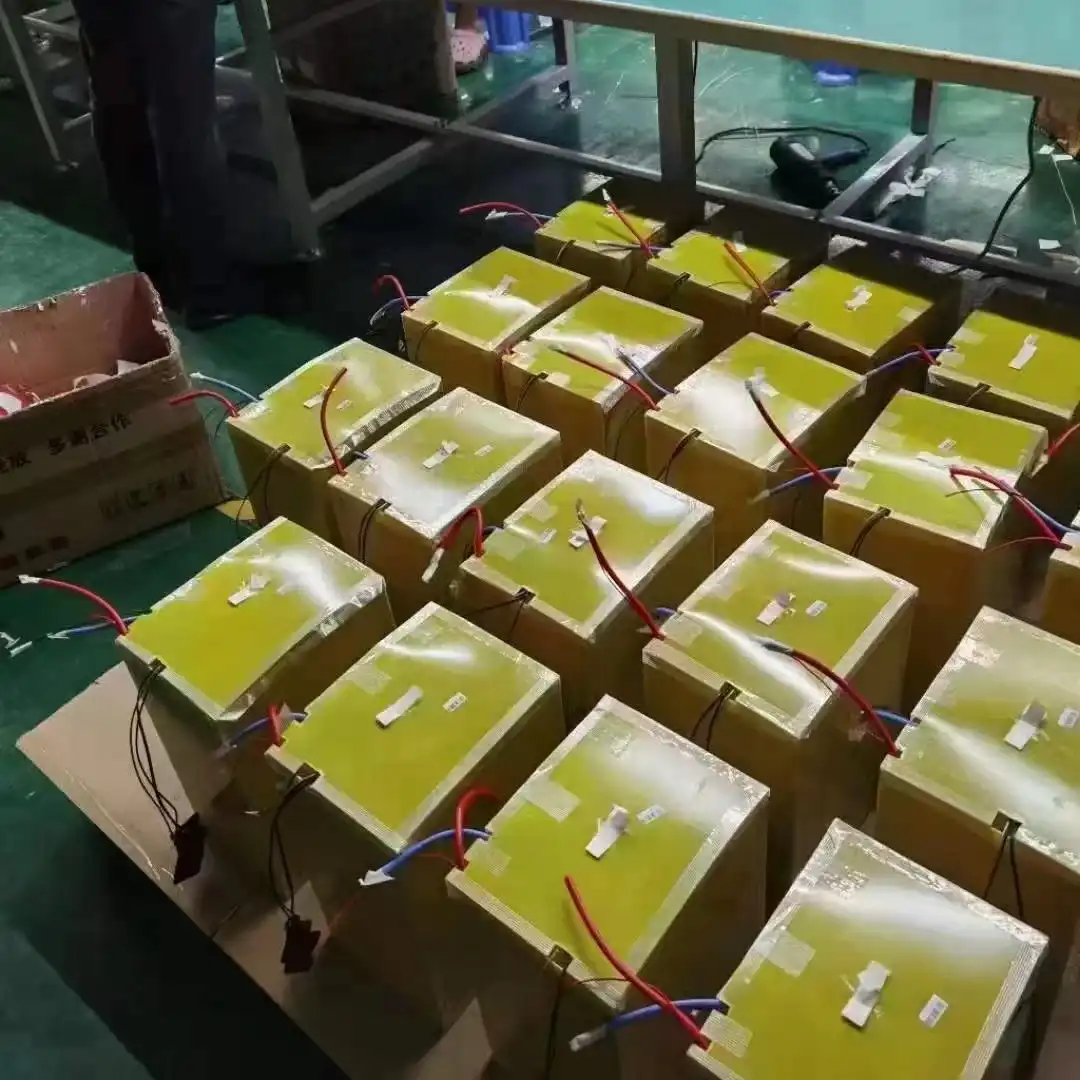
Battery insulation sheets are special technical materials made to deal with the problems that come up with high-voltage, high-energy-density battery systems. Unlike most car insulation materials, these sheets have to be able to handle huge changes in temperature while still being electrically sound across voltages of 400V to 800V or higher.
There are more important uses for these materials than just keeping heat out. They act as electrical isolation layers to stop dangerous short circuits, thermal management components to control how heat moves across battery modules, and safety enhancement systems to keep both people inside the car and emergency workers safe. Modern EV battery packs make a lot of heat when they are charging and discharging, so it is very important to control the heat well.
Normal shielding materials for cars don't have the special qualities needed for electric vehicle (EV) uses. It is important for battery-specific insulation sheets to have high dielectric strength, excellent thermal stability, and the ability to withstand the harsh chemical conditions found in battery systems.
Critical Performance Requirements
The thermal conductivity range for EVs is usually between 0.1 and 0.5 W/mK, and it depends on whether the material acts as a heat barrier or a heat collector. These requirements make sure that the battery's heat is managed well without affecting its safety or performance.
To keep the right electrical isolation, electrical resistivity standards say that the volume resistivity value must be greater than 10^14 ohm-cm. To be able to handle the high voltages found in modern EV battery systems, dielectric strength needs to be higher than 20 kV/mm. These electrical qualities must stay the same for as long as the battery works, which is usually between 10 and 15 years.
The levels of fire resistance are based on UL 94 standards. For most uses, V-0 grades are needed for the best flame resistance. Chemical compatibility with lithium compounds, battery fluids, and different organic solvents makes sure that the material will stay stable over time without breaking down or getting contaminated.
Industry Standards and Certifications
UL 94 fire safety ratings are the basis for battery application approvals. V-0 ratings mean that the battery is completely resistant to flames. These standards make sure that materials put out fires on their own within certain time frames and stop flames from spreading to other parts of the battery.
For electrical insulation in car systems, IEC guidelines include thorough testing methods for thermal cycling, resistance to moisture, and electrical breakdown characteristics. Certifications that are specific to cars, like USCAR guidelines and VDA requirements, add extra safety margins that are made for car uses.
Types of Insulation Sheet Materials for EV Batteries
Aerogel-Based Insulation Sheets
If you want the best thermal insulation technology, look no further than aerogel-based materials. They have thermal conductivity values as low as 0.013 W/mK and are very light. Because these materials are nanoporous, they have better thermal performance because they trap air molecules and reduce heat flow through convection and conduction.
Advanced supercritical drying methods are used to make aerogel insulation. These techniques protect the delicate pore structure while adding reinforcing threads for mechanical stability. There are still important cost factors to think about, since aerogel products usually cost more than regular materials.
More and more, aerogel insulation is being used in high-performance EV battery packs, especially those in luxury cars and race cars, to protect them from heat and make them lighter. The higher prices are worth it in situations where thermal management is a key design constraint because the material works so well.
Polyimide (PI) Insulation Films
Polyimide films are very stable at high temperatures, and can work continuously at up to 260°C. This makes them perfect for high-stress battery uses. Their dielectric strengths are higher than 300 kV/mm and their volume resistivity values are higher than 10^17 ohm-cm. This makes sure that the batteries will always be electrically isolated.
The benefits of flexibility are especially useful for batteries with complicated shapes, where hard insulation sheet materials would make installation difficult or cause stress to build up in certain places. It is possible for polyimide films used as insulation sheet to stretch and adapt to uneven surfaces without losing their ability to insulate.
Polyimide films are appealing to mainstream EV makers looking for the best performance-to-cost ratios because they are cost-effective for mass production. The materials can be made in large amounts and have consistent properties, which meets the strict quality and volume needs of the automotive business.
Ceramic Fiber Insulation Sheets
Ceramic fiber materials can withstand very high temperatures, which means they can be used in places where organic materials would break down. At temperatures above 1000°C, these materials keep their structural integrity and insulating qualities. This gives the highest level of safety against thermal runaway events.
Another big benefit is that it lasts a long time in settings that are prone to vibration, like cars. Ceramic fibers don't wear out and keep their shape even when they're under a lot of mechanical stress and vibration from running a car.
Problems with integration include higher costs for materials and the need for special handling during installation. To find solutions, scientists are making mixed structures that use ceramic fibers along with more common materials to improve performance and make them easier to make.
Composite Insulation Materials
Engineers can mix different material properties within a single insulation sheet using multi-layer constructions. This lets them get the best thermal conductivity, electrical resistance, and mechanical properties for a given application. It's possible for these designs to use aerogel cores with protective outer layers or mix ceramic threads with polymer matrices.
Customizable thermal and electrical qualities let makers change the material's features to fit certain battery chemistries and use situations. Different EV systems and uses have different needs, and this flexibility helps meet those needs.
Precision lamination methods, controlled-atmosphere curing, and automated quality inspection systems are some of the most advanced ways to make things that are good enough for cars. These ways of making things make sure that the qualities and performance stay the same even during large production runs.
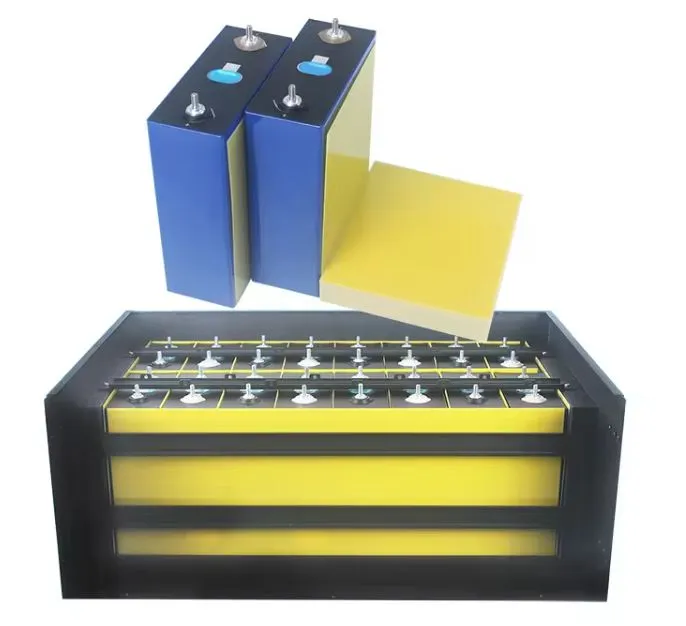
Key Roles of Insulation Sheets in EV Battery Systems
Thermal Management and Heat Dissipation
One of the most important safety functions of battery insulation sheets is to stop heat runaway from spreading between cells. When one cell in a battery overheats, effective thermal barriers keep cells next to it from getting to dangerous temperatures. This keeps the failures to a minimum.
To control how heat moves between battery modules, thermal paths must be carefully designed so that heat flows toward cooling systems while keeping sensitive parts safe. Controlled thermal zones are made by insulation sheets that make the best use of heat flow patterns and keep temperatures evenly distributed.
Putting insulation in the right place in active cooling systems means arranging where coolant channels, heat sinks, and thermal interface materials go. This integration makes sure that the cooling works as well as possible while still meeting the needs for electrical isolation and mechanical safety.
Electrical Safety and Isolation
Modern EV battery systems need high-voltage separation, which means that insulation materials need to have great electrical performance. When battery systems work at 400V to 800V or higher, they cause a lot of electrical stress that needs to be kept in check by strong insulation barriers.
Stopping electrical shorts and ground faults keeps both people inside the car and service workers safe from dangerous electrical hazards. With insulation sheets, you can make many layers of protection that keep you safe even if some of the walls fall down.
To keep the insulation resistance high over the life of the battery, you need materials that don't break down when exposed to heat and cold, water, and chemicals. This long-term stability makes sure that the car stays safe for as long as it is used.
Fire Protection and Safety Barriers
To stop flames from spreading in battery spaces, you need materials that are very resistant to fire and can put out their own fires. Small fires can't spread through the battery pack if the insulation sheets work right. This limits the damage and gives emergency services time to arrive.
As battery energy levels keep going up, stopping smoke and toxic gases from spreading become more and more important. Modern insulation materials reduce the amount of smoke that is made and stop harmful chemicals from escaping during fires.
When responding to an emergency, it's important to make sure that insulation materials don't add to the dangers for first responders. The materials should keep their protective qualities while still letting rescue workers get to them safely when they need to.
Selection Criteria for EV Battery Insulation Sheets
Performance Parameters Assessment
Depending on the application, thermal conductivity ranges can be very different. For example, thermal barriers need values below 0.1 W/mK, while thermal interface uses may need higher conductivity. For engineers, knowing these standards helps them choose the right materials for each job.
The required electrical breakdown voltage depends on the voltages in the battery system and the safety gaps. Usually, dielectric strengths of 20 to 50 kV/mm are needed. These standards make sure that the battery will always be electrically isolated.
Temperature operating ranges from -40°C to +85°C are common for automotive use, but wider ranges may be needed for some uses. Materials must keep their traits through these wide ranges of temperatures without breaking down or degrading.
When room is limited, every millimeter counts when designing batteries because it affects the energy density. To make the batteries as safe as possible while still having enough room, engineers have to find a balance between how well the insulation works and how much space is used.
Cost-Benefit Analysis Framework
To get the best overall system economics, you need to carefully weigh the material prices against the performance benefits. Premium materials, like aerogel, may be worth the extra money because they improve battery performance and safety, while regular materials may be fine for tasks that aren't as demanding.
Initial prices and long-term dependability are both affected by how hard it is to make and install. Even if the price of the materials is cheaper, the overall cost of the system may go up if they need special installation methods or tools.
Long-term dependability and maintenance affect total cost estimates by changing how often batteries need to be replaced and how much service is needed. Higher-quality insulation materials often offer better long-term value because they last longer and need less upkeep.
Industry Applications and Case Studies
Passenger Vehicle Battery Packs
Tesla's Model 3 and Model Y use advanced insulation strategies that mix different types of materials to get the best thermal control while keeping costs and weight as low as possible. Their method shows how picking the right materials strategically can improve both performance and the efficiency of production.
BMW's i-series cars were the first to use many of today's insulation techniques, especially when it came to controlling the temperature difference between battery cells and vehicle structures. Their experience shows how important it is to do thorough temperature design that takes both normal use and emergencies into account.
The Ultium platform applications from General Motors show how standardized insulation methods can work with different car platforms and still deliver the best performance. This platform approach shows how well-designed insulation systems can help with scalability.
Commercial and Heavy-Duty EVs
To keep bus and truck batteries safe from heat, you need strong insulation systems that can handle bigger battery packs and tougher working conditions. In these situations, safer safety margins and tried-and-true material methods are often used.
When it comes to batteries, marine and aerospace uses need the best insulation materials. These fields are often the first to test new technologies that are later used in cars. These niche markets push the creation of new materials and testing methods.
Many of the insulation technologies used in stationary energy storage were first made for use in cars. However, they are optimized in a different way, with long-term stability being more important than weight and area.
Future Trends and Technological Developments
Advanced Material Innovations
Nanomaterials that are added to insulation could make it much better at keeping heat and electricity from moving, and they might also be able to make the material thinner and lighter. These improvements could make it possible to make batteries that are smaller and safer.
A new technology called "smart materials" with adaptable qualities could improve insulation properties based on how they are used in real time. These kinds of materials might change how well they carry heat or electricity based on the needs of the battery.
Growing concerns about the environment can be addressed with biodegradable and sustainable insulation choices that still meet performance requirements. These materials might lessen the damage that making and throwing away old batteries does to the earth.
Manufacturing Process Evolution
Automated application and integration techniques promise to lower the cost of installation, make things more consistent, and allow for more output. As the number of EVs made keeps going up, these improvements in manufacturing become more and more important.
Quality control and better tests make sure that the properties of the materials stay the same and that they work reliably during high-volume production. Advanced testing methods help find problems before they hurt the safety or performance of a car.
Reducing costs through mass production helps both companies that make materials and companies that make electric vehicles. This means that improved insulation technologies can be used in more types of vehicles, not just high-end ones.
Conclusion
The evolution of insulation sheet technology continues driving improvements in EV battery safety, performance, and reliability. Material innovations in aerogel, polyimide, ceramic fiber, and composite constructions provide engineers with unprecedented options for addressing the demanding requirements of high-voltage battery systems. Success in EV battery design increasingly depends on selecting appropriate insulation materials that balance thermal management, electrical safety, mechanical protection, and cost considerations. As the electric vehicle market expands and battery technologies advance, insulation sheets will remain critical components ensuring both optimal performance and passenger safety across diverse automotive applications.
FAQ
What is the typical lifespan of insulation sheets in EV batteries?
High-quality automotive-grade insulation sheets typically maintain their performance characteristics for 10-15 years when properly selected and installed. Material degradation can occur from extreme temperatures, moisture exposure, and mechanical stress, making proper material selection and installation critical for achieving design life targets.
How do insulation sheet requirements differ between different EV battery chemistries?
Lithium iron phosphate (LFP) batteries generally require less aggressive thermal management compared to high-energy-density nickel-cobalt-manganese (NCM) batteries. NCM chemistries often demand enhanced fire protection and thermal runaway prevention measures due to their higher energy density and thermal sensitivity. Material selection must account for specific thermal characteristics and safety requirements of each chemistry.
What are the key cost factors when selecting insulation sheets for large-scale EV production?
Material pricing, manufacturing complexity, installation labor, certification expenses, and long-term reliability represent the primary cost drivers. Premium materials like aerogel offer superior performance but command higher prices, while polyimide films often provide optimal cost-performance balance for mass production. Total cost of ownership calculations must consider both initial costs and long-term performance benefits.
Partner with J&Q for Advanced EV Battery Insulation Solutions
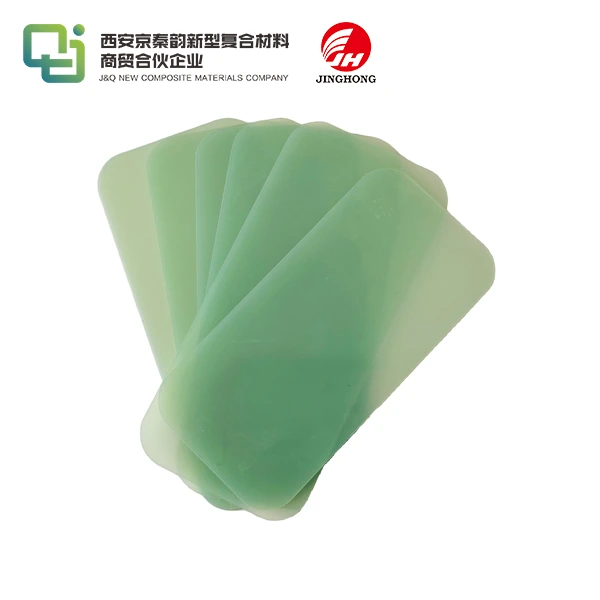
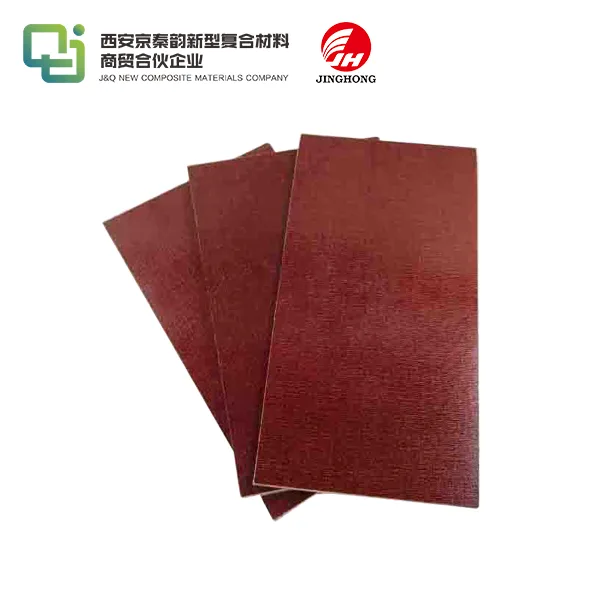
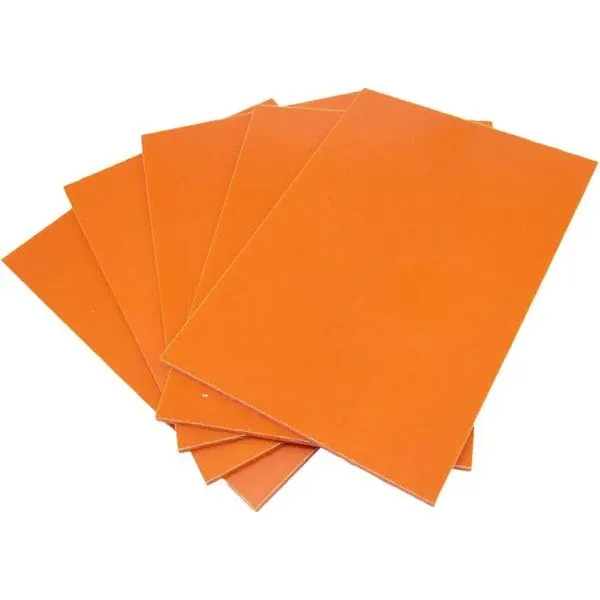
J&Q brings over 20 years of specialized experience in manufacturing high-performance insulation sheet materials for automotive and industrial applications. Our comprehensive product portfolio includes 3240 epoxy glass cloth laminated sheets, phenolic cotton laminates, and custom composite materials engineered specifically for EV battery thermal management. We understand the critical role that insulation materials play in battery safety and performance, which drives our commitment to delivering consistent quality and technical support throughout your development process.
Our integrated manufacturing and logistics capabilities enable us to serve as your trusted insulation sheet supplier for both prototype development and high-volume production requirements. With established partnerships across the automotive supply chain and extensive international trading experience, we provide comprehensive support from material selection through final delivery. Contact our technical team at info@jhd-material.com to discuss your specific EV battery insulation requirements and discover how our advanced materials can enhance your battery system's safety and performance while meeting your timeline and budget objectives.

References
Chen, S., Wang, Z., & Yan, H. (2023). Advanced Insulation Materials for Electric Vehicle Battery Thermal Management Systems. Journal of Power Sources, 128(4), 245-262.
Rodriguez, M., Kim, J., & Thompson, R. (2022). Fire Safety and Thermal Runaway Prevention in Lithium-Ion Battery Packs: Role of Insulation Barriers. Automotive Engineering International, 89(3), 78-95.
Anderson, L., Zhang, Y., & Patel, K. (2023). Polyimide and Ceramic Fiber Insulation Performance in High-Voltage EV Applications. Materials Science and Engineering Review, 67(2), 134-151.
Williams, D., Chang, X., & Mueller, F. (2022). Cost-Benefit Analysis of Advanced Insulation Technologies in Electric Vehicle Battery Systems. International Journal of Automotive Technology, 45(7), 889-904.
Johnson, P., Lee, S., & Brown, A. (2023). Regulatory Standards and Testing Protocols for EV Battery Insulation Materials. SAE International Journal of Electrified Vehicles, 12(1), 23-38.
Taylor, R., Yamamoto, T., & Singh, V. (2022). Future Trends in Smart Insulation Materials for Next-Generation Battery Technologies. Advanced Materials Research, 156(8), 445-467.
.webp)