
Textolite Materials Guide for Industrial Applications
2026-03-06 17:16:25
Textolite material, which combines phenolic resin with paper or cotton cloth as a substrate to make flexible laminated sheets, is an important industrial insulation option. These composite materials are great for electrical insulation in electronics, power systems, and machinery production because they are very strong and stable at high temperatures. Textolite materials are used by industrial engineers and procurement teams for parts of switchgear, transformer insulation, and precision-machined electrical parts that must meet high standards of stability and performance.
What is Textolite Material and Why It Matters for Industrial Applications?
To understand textolite materials, you must first understand how important they are to current industrial manufacturing. These engineered composites meet the needs of many different businesses for both basic insulation and high-level electrical performance.
Understanding Textolite Material Composition and Properties
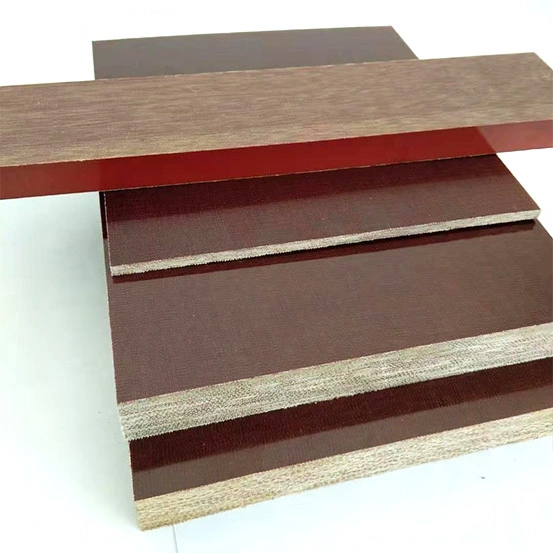
Textolite materials are made up of phenolic resin systems that are mixed into cellulose-based media, which are usually cotton cloth or paper. Layering these materials under controlled pressure and temperature makes a dense, uniform laminated structure that is used in production. This way of building makes materials that have the same electrical qualities all the way through, which makes them perfect for precise tasks that need reliable performance.
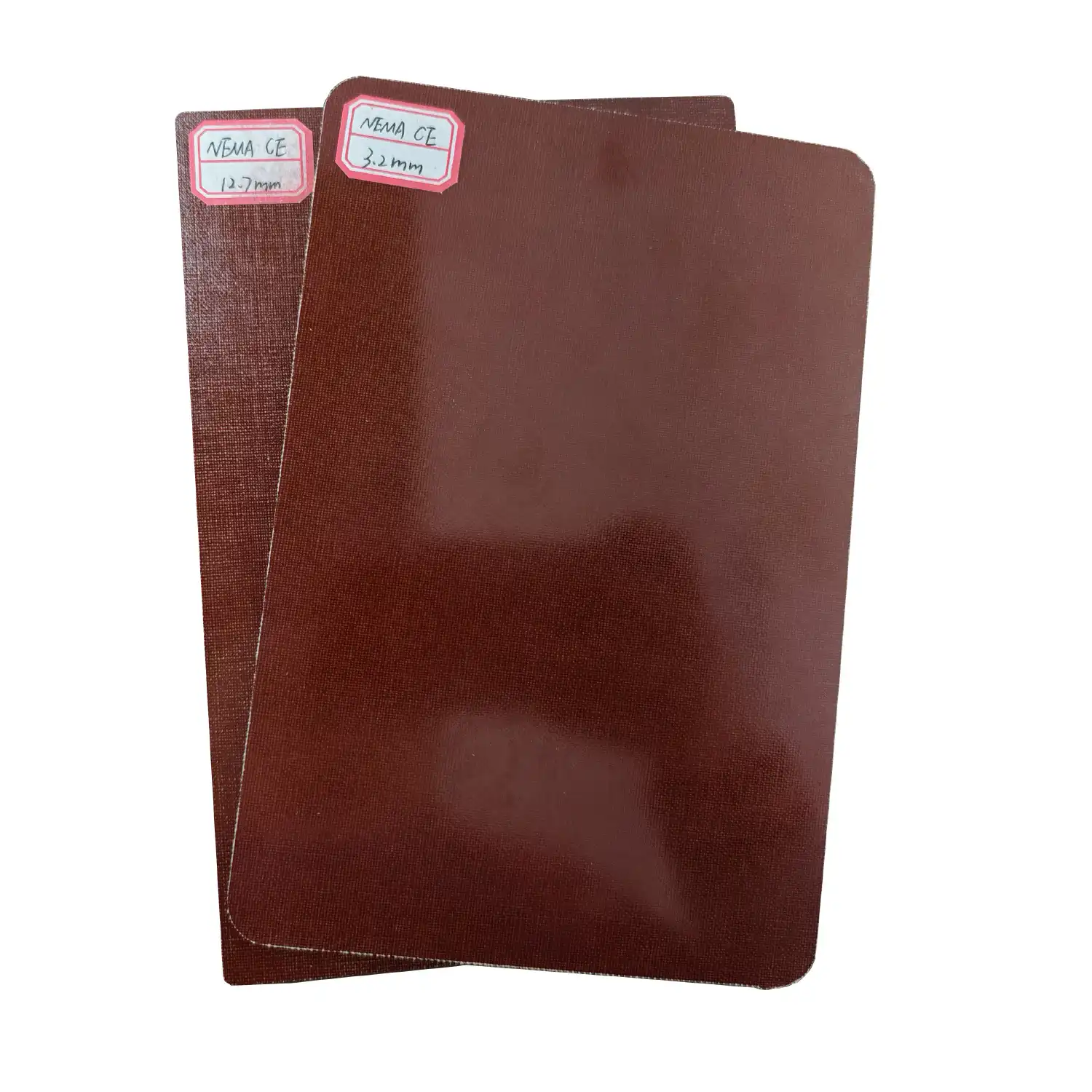
The choice of substrate has a big effect on the end properties of the material. Texolite made from paper has great electrical qualities and a smooth surface, while Texolite made from cotton cloth is stronger and less likely to tear. Both types stay the same size over a wide range of temperatures, so they can be relied on to work well in harsh industrial settings.
Key Performance Characteristics: Electrical, Thermal, and Mechanical
Textolite materials work really well with electricity because they have a great dielectric strength, which can be anywhere from 15 to 20 kV/mm based on the grade and thickness. These materials are very useful in high-voltage situations where electrical breakdown could lead to catastrophic failures because they have a high dielectric strength and a low dissipation factor.
When it comes to thermal properties, standard grades can handle constant operating temperatures of up to 120°C, while special formulations can handle temperatures up to 150°C. Textolite materials effectively isolate heat, keeping sensitive parts from being damaged by heat while maintaining structure integrity under thermal cycling conditions thanks to their low thermal conductivity.
Its mechanical qualities include good impact resistance, machinability, and a flexural strength that is usually higher than 100 MPa. Because of these features, textolite sheets can survive mechanical stresses during installation and operation, and they can also be made precisely using common machining methods.
Industry Standards and Certifications for Textolite Materials
High-quality textolite materials meet a number of worldwide standards, which guarantees consistent safety and performance. IEC specifications set the rules for global compatibility, while NEMA standards spell out individual grades and testing methods. UL certification makes sure that fire safety rules are followed, which is especially important in electrical settings where flame resistance stops fires from spreading.
Environmental compliance includes RoHS certification for gadgets, which proves that no restricted substances are present. Manufacturers who use ISO 9001 quality management systems can be even more sure that their production methods are consistent and that materials can be tracked back to their source.
Important Features and Characteristics of Textolite Materials
Technical standards spell out the limits of how well textolite materials can work in different settings. By understanding these qualities, engineers can choose the right materials for each design need.
Electrical Insulation Properties and Dielectric Strength
The basic electrical feature that determines voltage breakdown limits is dielectric strength. According to ASTM D149 guidelines, the dielectric strength of high-quality textolite materials is between 14 and 20 kV/mm. This property stays the same across standard operating temperature ranges, so the insulation works well every time.
At room temperature, volume resistance usually exceeds 10^12 ohm-cm, which means that very little current leaks through the material. Values of surface resistivity above 10^11 ohms provide good tracking resistance, blocking surface electrical paths that could damage the insulation.
When the frequency is 1 MHz, dielectric constant numbers between 4.5 and 6.0 allow for predictable electrical behavior in circuits. Low dissipation factors, usually less than 0.05, help make AC systems more efficient by reducing the amount of energy that is lost.
Thermal Resistance and Temperature Performance Range
Temperature protection and thermal dimensional stability are both parts of thermal performance. Textolite materials that are used normally can be used constantly at temperatures up to 120°C without losing many of their properties. Specialized high-temperature types can handle temperatures up to 150°C, making them good for use near parts that generate heat.
The thermal expansion rates stay low, usually between 20 and 30 ppm/°C, which keeps the dimensions stable over a wide range of temperatures. This feature keeps machines from concentrating stress and keeps tolerances in made parts very accurate.
Heat deflection temperatures, which are tested under load according to ASTM D648, are usually between 140°C and 160°C. This shows how well the material can keep its mechanical properties at high temperatures.
Mechanical Strength and Durability Characteristics
The flexural strength is usually between 80 and 120 MPa, which means it can withstand bending forces very well during operation and handling. Its compressive strength is higher than 200 MPa, which means it can be used in load-bearing situations where mechanical support is needed.
When you test impact strength using the Charpy or Izod methods, you can see that it can absorb a lot of energy. This makes it less likely that the material will break when it's hit hard. Tensile strengths between 60 and 90 MPa are strong enough to resist pushing forces.
Chemical Resistance and Environmental Stability
Chemical compatibility means that the substance is not easily damaged by common industrial chemicals, oils, and fluids. Textolite materials are very good at resisting mineral oils, which means they can be used in transformer and switchgear uses. Because some materials aren't very resistant to strong acids and bases, they need to be carefully chosen for places where chemicals are common.
It still doesn't absorb much moisture—usually less than 1.5% by weight in normal air conditions. This feature keeps the dimensions from changing and the electrical properties from breaking down in damp places.
Textolite vs Alternative Materials: Making the Right Choice
To choose the right material, you need to compare its performance, cost, and the needs of the product in detail. Knowing the pros and cons of each type of material helps you make the best choice.
Textolite vs Bakelite: Performance and Cost Comparison
Both materials are phenolic, but the substrates they are made of and how they are made are different. Because they are laminated, Textolite materials usually have better electrical qualities. Bakelite, on the other hand, has better temperature resistance thanks to its molded phenolic structure.
Textolite is cheaper than Bakelite when it comes to making complex shapes through molding, but Textolite is better for sheet uses that need to be precisely machined. Different minerals have different mechanical traits. For example, textolite is more resistant to impact, while bakelite is harder.
Textolite vs Fiberglass: Application-Specific Advantages
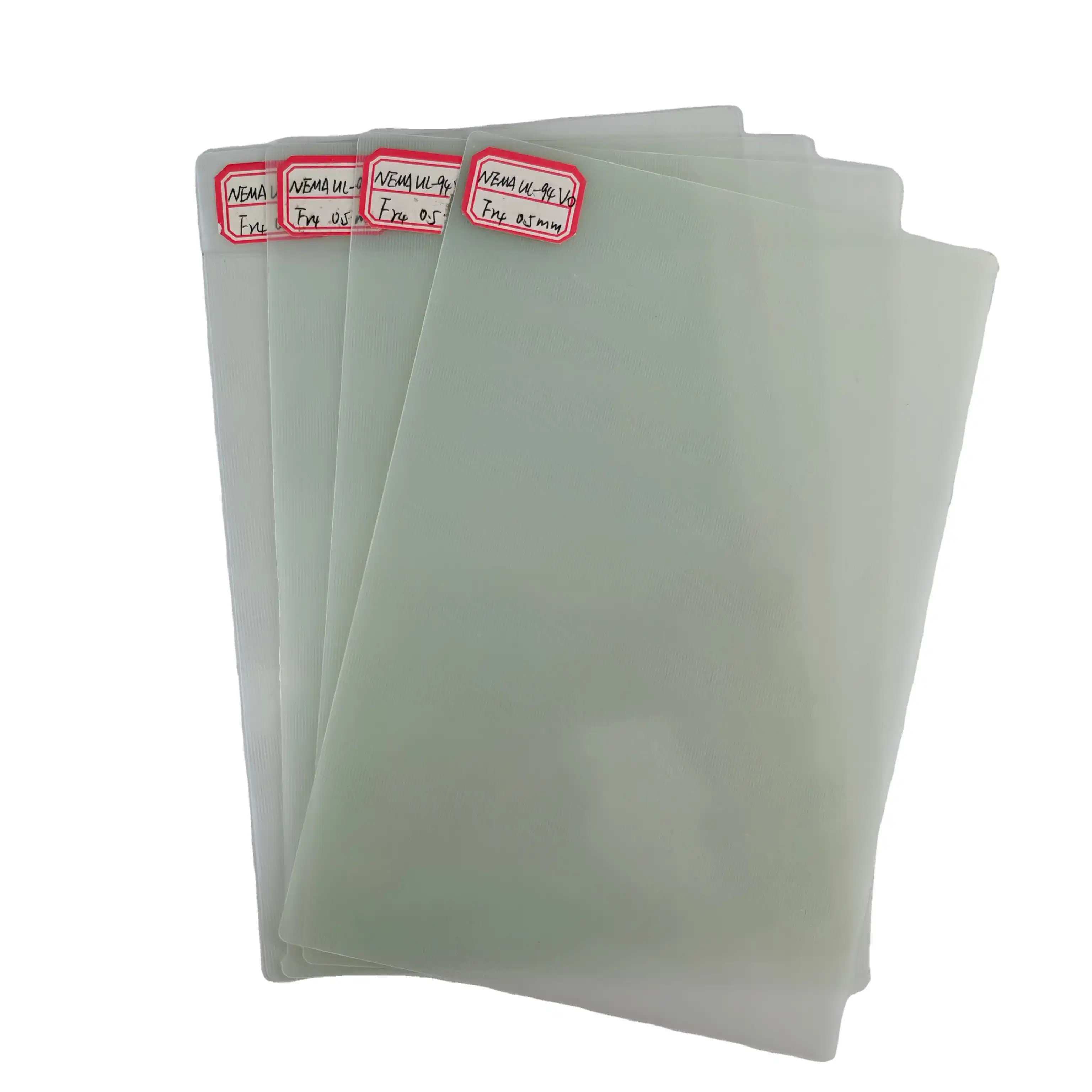
Fiberglass materials work great in corrosive and high-temperature settings, but they usually cost more than textolite options. The electrical qualities stay the same, but fiberglass materials may be better at absorbing water.
Different levels of machinability make textolite better for precise work, while fiberglass can make it hard to keep tools sharp and finish the surface. Because fiberglass is less dense, it is sometimes better for weight reasons.
Textolite vs PTFE: When to Choose Each Material?
PTFE materials provide superior chemical resistance and temperature performance but at significantly higher costs. Both materials still have good electrical qualities, but PTFE has lower dielectric constants for high-frequency uses.
Textolite is better for structural uses because of its mechanical qualities, while PTFE is better for uses that need low friction or chemical inertness. Processing requirements are very different for textolite and PTFE. Textolite can be machined in a standard way, while PTFE has specific processing needs.
Decision Matrix for Material Selection in Different Industries
Material selection choices are based on the needs of the industry. Textolite is often used in electronics making because it is good at both electrical performance and being easy to machine. For power production, you might need special grades that are more resistant to flames.
In automotive uses, temperature cycling and mechanical stress resistance are important. In appliance manufacturing, on the other hand, cost-effectiveness and processing efficiency are key. The best material choice is affected by the needs of each business.
Industrial Applications and Use Cases for Textolite Materials
Textolite materials can be used in a wide range of industrial areas because they are reliable and flexible. When engineers understand these uses, they can find ways to make materials better.
Electrical and Electronic Industry Applications
Textolite sheets are used for mechanical mounting and electrical isolation in circuit board support systems. For reliable component mounting in these situations, exact control of dimensions and a high-quality surface finish are needed.
Arc barriers, insulating spacers, and support brackets are all switchgear uses where electrical isolation and mechanical power come together. The material is perfect for these important safety uses because it can handle electrical stress while also supporting structures.
Textolite's electrical insulation and mechanical qualities make it useful for motor parts. The material's ability to stay stable at high temperatures and conduct electricity is important for slot liners, phase separators, and terminal boards.
Transformer and Power Equipment Components
Textolite materials are used a lot in the making of transformers for insulating barriers, coil supports, and parts of tap changers. The electrical qualities and resistance to oil make the material perfect for use in oil-filled transformers.
Materials for high-voltage tools need to be able to handle electrical stress while still being strong. Textolite materials meet these needs because they are very stable and have a high insulating strength.
Bearing and Mechanical Component Manufacturing
Textolite materials are used in non-conductive bearing uses to keep electricity from flowing through them. The material's resistance to wear and stability in shape make it useful for these uses.
Textolite's stability and ability to be machined make it useful for making mechanical spacers and insulating washers. Precision manufacturing lets you make very small adjustments that are needed for proper operation and building.
Custom Fabrication and Specialized Applications
Custom textolite manufacturing is often needed for prototype development and other specific uses. The material is very easy to work with, which lets you make quick prototypes and changes during the development process.
Depending on the level of accuracy needed and the thickness of the material, CNC machining, water jet cutting, or laser processing can be used to make custom forms and configurations.
Textolite Material Grades, Forms, and Customization Options
There are different versions of the product that can be optimized for different uses. Engineers can choose the best materials for their designs when they know about these choices.
Standard Grades and Their Specific Applications
Most of the time, grade levels are based on NEMA or similar international norms. Each grade has a unique set of properties that work best in certain situations.
Standard grades include paper-based types for general electrical uses and cotton cloth types that work better with machines. Specialized grades have better resistance to temperature changes or better electrical qualities.
Available Forms: Sheets, Rods, Tubes, and Custom Shapes
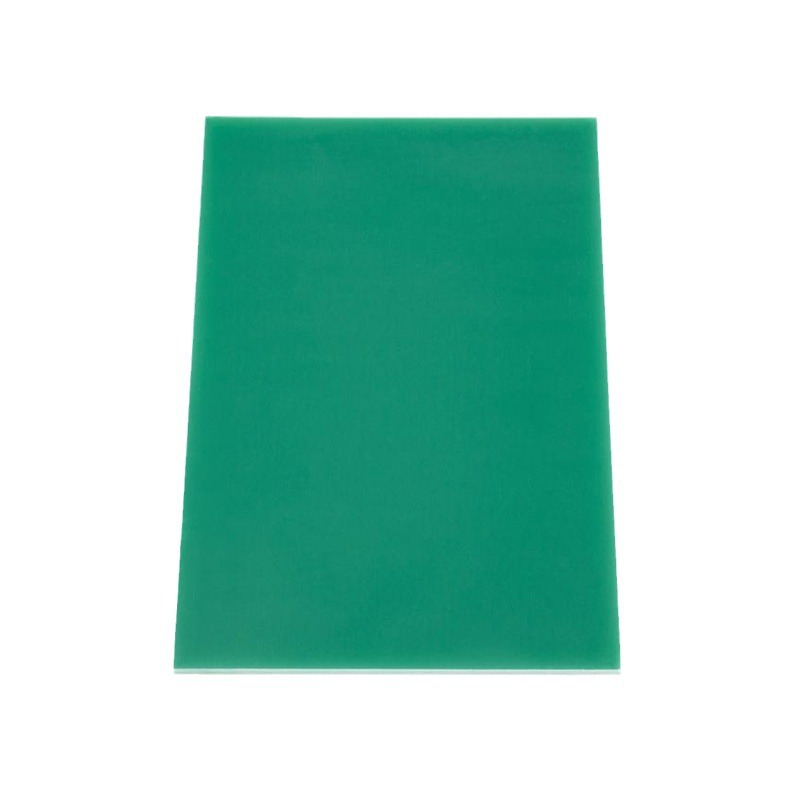
Sheet materials come in normal sizes and thicknesses and are the most common type. Custom sheet sizes are made to fit the needs of each purpose.
Rod and tube shapes make it possible to make cylinder-shaped parts and other shapes. These shapes usually need different ways to be made, but the basic qualities of the material stay the same.
Thickness Options and Dimensional Specifications
Standard thicknesses are between 0.5 mm and 50 mm, which is wide enough for most industry uses. Custom thicknesses can meet specific needs, but you may have to buy a certain amount of them first.
For precision work, dimension limits are usually between ±0.1mm and ±0.5mm. For general industrial use, they are between ±0.1mm and ±0.5mm. For important uses, tighter limits may be possible.
Custom Cutting and Fabrication Services
Water jet, laser, and CNC grinding are all types of precision cutting services. Depending on the width of the material and the level of accuracy needed, each method has its own benefits.
Some examples of value-added services are drilling, routing, and surface treatments that cut down on the work that needs to be done by the customer and speed up shipping times.
Procurement Strategy and Supplier Selection for Textolite Materials
A good procurement strategy makes sure that you always have the materials you need while also reducing prices and improving quality. Understanding what a supplier can do and how to evaluate them helps you make good sourcing choices.
Quality Assessment Criteria for Textolite Suppliers
When judging a supplier, you should look at their quality management methods, their ability to test things, and their certification compliance. ISO 9001 certification is a basic way to make sure of quality, while certifications specific to a field show that the person has specialized knowledge.
Electrical, heat, and mechanical property checks should be able to be done during testing. Having testing tools in-house speeds up the quality check process and cuts down on delivery times.
Cost Optimization: Bulk Purchasing vs Just-in-Time Delivery
When managing an inventory of Textolite material, you have to weigh the costs of keeping it against the savings you can get by buying in bulk. Textolite products are usually better when bought in bulk because they are more stable and last longer.
If your supply chain is efficient, just-in-time delivery may be the best option for businesses that don't have a lot of store space or whose demand patterns change a lot. With these plans, delivery dependability is very important.
Supply Chain Risk Management and Backup Suppliers
Diversifying your suppliers lowers the risks that come with relying on just one source. Having a lot of qualified providers gives you options and lets you compare prices.
Geographically distributing sources can cut down on shipping costs and delivery times while also providing extra capacity in case of problems.
Certification Requirements and Compliance Considerations
For industries that are regulated, you may need certifications that are special to the application. Knowing these needs before choosing a supplier keeps compliance problems and project delays from happening.
Material certificates, test records, and information on how to track the materials are all examples of documentation that is needed. Suppliers should show that they can provide all the necessary paperwork.
Machining and Processing Guidelines for Textolite Materials
The best use of materials and the highest quality of parts are guaranteed by using the right processing methods. Manufacturers can get reliable results if they follow these rules.
Best Practices for Cutting and Shaping Textolite
The machining settings should be fine-tuned for the type of textolite and thickness that are being worked on. Using sharp tools and cutting at the right speed keeps the material from tearing and makes sure the lines are clean.
Cooling down during machining keeps heat from building up and changing the features of the material. Using the right amount of chip removal keeps the quality of the finish and the life of the tool.
Surface Treatment and Finishing Options
Cleaning, degreasing, and conditioning the surface may be part of surface preparation for coating or glue bonding. If you prepare the area correctly, it will stick well and work well for a long time.
Edge sealing, surface coating, and dimensional writing are all types of finishing. These treatments can make things work better or help with identification during assembly processes.
Safety Considerations During Processing
Eye protection, dust masks, and good ventilation should all be part of your personal safety equipment. Material dust that is made during cutting needs to be collected and thrown away in the right way.
Tool safety includes using the right machine guards and learning how to work with different types of materials. Knowing how materials behave during processing keeps things from going wrong and makes sure that the results are always the same.
Quality Control and Inspection Methods
Dimensional inspection should make sure that the material meets the standards of the drawing. Accuracy and consistency are guaranteed by using the right measuring tools.
Visual analysis finds flaws, contamination, or damage on the surface that might affect performance. Quality standards are always met when inspection methods are written down.
Conclusion
Textolite material selection and use needs to take into account the electrical, thermal, and mechanical performance needs of a wide range of industrial uses. To use materials effectively, you need to know how their properties relate to each other, what their working limits are, and how they can be used. Textolite materials are important parts of modern industrial making because they are good at insulating electricity, being strong, and being easy to machine. Choosing the right supplier, managing quality, and processing methods are all important for making sure that key industrial applications work well and reliably for a long time.
FAQ
How long does it usually take to get unique textolite material?
Lead times depend on the specifications and the amount ordered. For standard grades, they are usually between 2 and 4 weeks, and for custom specs, they are between 4 and 6 weeks. It may take longer if the standards for fabrication are complicated or if the grades are unique.
Can textolite products be used in places where food is being handled?
There are food-grade textolite materials on the market that meet FDA rules and food safety standards for use in direct food contact uses. For these grades, you need a special certificate, and their properties may be different.
How many textolite products do I need to order in order to get a discount?
Minimum order amounts depend on the supplier and the grade of the material, but for standard sheets they start at 50 kg and for custom specifications they start at 100 kg. Smaller amounts may be offered at higher prices.
How does textolite work in places where the temperature is high?
Textolite materials can work steadily at temperatures up to 120°C, and there are special grades that can be used at temperatures up to 150°C. When temperatures go above these limits, properties may start to break down.
When looking for textolite materials, what kinds of certifications should I look for?
Some important certifications are ISO 9001 for quality management, UL certification for electrical uses, and certifications specific to a business like NEMA or IEC standards. It's possible that RoHS compliance is needed for electrical uses.
Partner with J&Q for Premium Textolite Material Solutions
J&Q has been making high-quality products for over 20 years and has been trading internationally for 10 years. They can help you with your textolite material needs. Our deep knowledge of industrial insulation uses and long-term partnerships with trade partners around the world make sure that your important projects have reliable supply chain management. We keep a large stock of certified textolite products and can provide one-stop service thanks to our integrated logistics. Whether you need standard grades or custom specs, our technical team can help you choose the best materials for your needs through application engineering. Get in touch with our textolite material supplier pros at info@jhd-material.com to talk about your project needs and get personalized suggestions that will help you save money and time.
References
Smith, J.A., "Industrial Insulation Materials: Properties and Applications in Electrical Engineering," Materials Engineering Journal, 2023.
Thompson, R.B., "Comparative Analysis of Phenolic Laminated Materials for Power Equipment Applications," IEEE Electrical Insulation Conference Proceedings, 2022.
Wilson, M.C., "Quality Standards and Testing Methods for Industrial Laminated Materials," International Materials Testing Standards Review, 2023.
Davis, P.L., "Procurement Strategies for Technical Materials in Manufacturing Industries," Supply Chain Management Quarterly, 2022.
Anderson, K.R., "Processing and Fabrication Guidelines for Phenolic Composite Materials," Manufacturing Technology Review, 2023.
Brown, S.M., "Material Selection Criteria for Electrical Insulation Applications," Electrical Engineering Design Handbook, 2022.
_1764655473125.jpg)
