FR4 Board Impact on PCB Reliability in Harsh Environments
2026-07-23 17:20:17
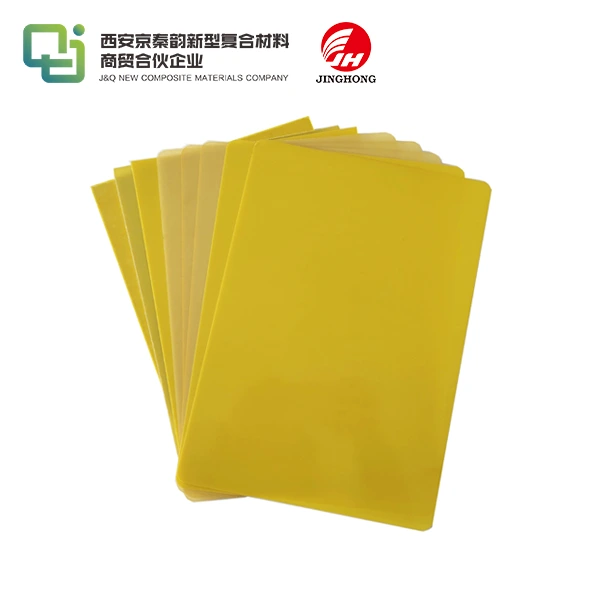
When engineering managers and procurement teams evaluate PCB substrates for demanding applications, the FR4 board stands as the industry standard for balancing cost, performance, and reliability. This glass-epoxy laminate demonstrates exceptional resilience across temperature extremes, moisture exposure, and mechanical stress—critical factors determining whether your equipment survives or fails under real-world operating conditions. Understanding how FR4 boards influence PCB longevity in harsh environments directly impacts your bottom line, reducing warranty claims and extending product lifecycles in sectors ranging from industrial automation to renewable energy infrastructure.
Understanding FR4 Boards and Their Core Properties
Composition and Manufacturing Fundamentals
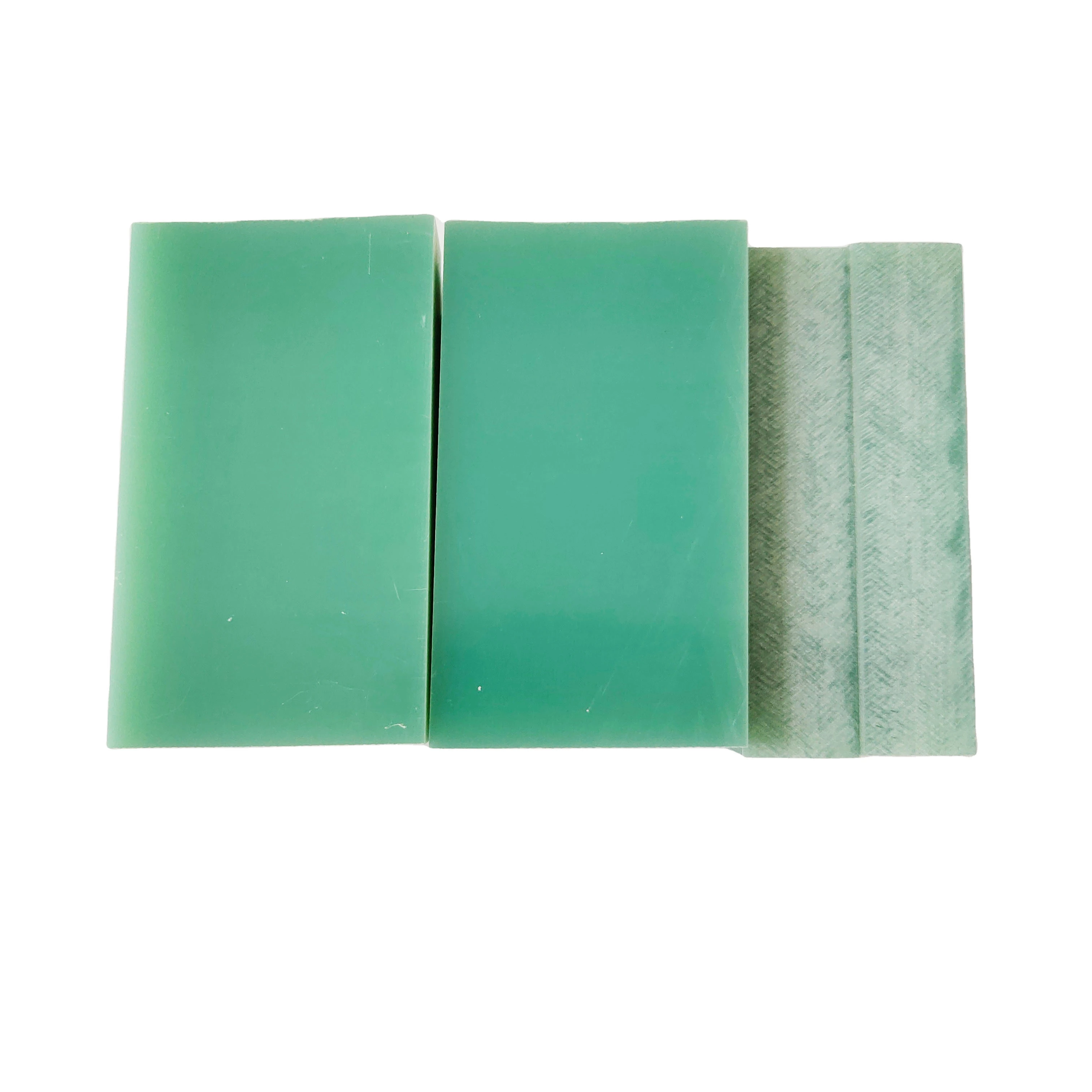
The FR4 board is strong because it is made of knitted fibreglass cloth that has been filled with flame-resistant epoxy glue. During production, heat and pressure are used to join several layers together, making a hard base with a density of 1.85 to 2.10 g/cm³. This managed lamination method makes sure that the dielectric qualities are the same across the whole thickness of the material, which is very important for keeping signals intact in multilayer PCB designs. We've seen that companies that follow ISO 1642 standards always send us material that doesn't form many voids, which is a flaw that makes high-voltage performance worse in switchgear applications.
Critical Physical Properties
Three things about the composition of the FR4 board make it suitable for tough settings. Between 130°C and 140°C is the Glass Transition Temperature (Tg), which is the point at which a material changes from being stiff to being flexible. When boards work close to this limit, they lose their shape when they go through temperature cycles. The dielectric constant of 4.4 to 4.8 at 1MHz stays the same even when the humidity changes, unlike paper-phenolic alternatives that break down quickly. When water absorption is less than 0.1%, the dielectric breakdown that happens in coastal or humid areas is stopped.
Thickness Standards and Grading
The thickness of FR4 board sheets can be anywhere from 0.2mm to 100mm, but the most common thicknesses for PCB uses are 0.8mm, 1.6mm, and 3.2mm. Usually, the thickness tolerance is ±0.1mm, which is a very important level for automatic pick-and-place production lines. This stuff is classified as NEMA FR-4, MIL-I-24768/27, and EN 60893 EP GC 202. High-Tg types raise the glass transition point to 170°C or higher, which is useful for electronics under the hood of cars and motor drives in factories that are constantly exposed to high temperatures.

How FR4 Board Enhance PCB Reliability in Harsh Environments?
Thermal Stability Under Cycling Stress
Changes in temperature are the main reason why technology in the field breaks down. The FR4 board epoxy-glass composite keeps its shape even after being heated and cooled many times, which causes it to expand and contract. When wave soldering or reflow processes hit 260°C, bending can't happen because the flexural strength is higher than 340 MPa. This mechanical toughness stops trace cracking and via barrel failures, which happen a lot in things that are subject to daily temperature changes in engine rooms or outdoor enclosures.
Moisture Resistance and Dimensional Stability
Comparative tests according to ASTM D570 show that the FR4 board is more hydrolytically stable than surfaces made of cellulose. Even after being in a humidity room for a long time at 95% RH, the material only takes up less than 0.2% moisture. This resistance keeps the dielectric strength above 30 kV/mm and stops the conductive path formation (CAF) that breaks down shielding in battery management systems and power converters. This moisture barrier is directly helpful for equipment used in marine environments or outdoor telecommunications infrastructure.
Fire Safety and Electrical Insulation
The bromine-based flame retardant mixed in the FR4 board resin has a flammability grade of UL94 V-0, which means it goes out on its own in 10 seconds after the fire source is taken away. In high-voltage switchgear and transformer applications where arc flashes happen, this feature is very important. When you connect laminate layers that have a breakdown voltage of more than 40–50 kV, you get safety gaps in the isolation barriers that separate the main and secondary circuits. Following the rules set by the RoHS directives makes sure that the material meets environmental standards in both European and North American markets.
Comparing FR4 Boards with Alternative PCB Materials for Harsh Conditions
Material Performance Analysis
Based on external factors, each type of substrate meets different application needs:
- CEM-1 and Paper-Phenolic Materials: These low-cost options work well for consumer gadgets that work in controlled settings. Because they only absorb 1% to 2% of moisture and have lower thermal ratings, they can't be used in industrial machinery that will be exposed to condensation or changes in temperature. When material limitations cause more failures in the field, cost savings go away.
- Aluminum-Core Metal Substrates: Aluminum-backed PCBs are good for LED lighting and power electronics that need to get rid of heat. It conducts heat 10–20 times better than the FR4 board, but it loses its ability to keep electricity from flowing through it. Hybrid designs with insulation layers and aluminium heat spreaders are often used for equipment that needs to handle both heat and high voltage protection.
- Rogers and Polyimide High-Performance Laminates: The 5–10 times higher cost than regular boards is worth it for aircraft and RF uses that need low signal loss or extreme temperature ranges. Rogers materials keep their dielectric properties steady above 10 GHz, and polyimide surfaces can be used continuously at 250°C. Most industrial and car uses don't go beyond the standard performance range, so it's not worth the money to use expensive materials.
Selection Criteria for Harsh Environments
Teams that buy things should look at three things before making a decision. The operating temperature range tells us if normal or High-Tg FR4 boards are enough or if polyimide is needed. When the voltage stress level in isolation barriers is above 1000V, it may be necessary to use thicker grades or materials with higher Comparative Tracking Index (CTI) ratings. The impact strength of 250 J/m makes it better than ceramic substrates, which break when they are hit with shock loads, for use in automobile or train applications where mechanical vibration is needed.
Procurement Insights: Buying FR4 Boards for High-Reliability PCBs
Pricing Models and Volume Considerations
The price of FR4 board sheets is known and depends on how thick they are, what kinds of copper coating you choose, and how much you order. Standard types with copper on only one side usually cost 30 to 40 percent less than those with copper on both sides. When you buy more than 500 sheets, you get big discounts on the price, and the discounts stop at 2000 sheets or more. Setting up blanket purchase agreements with scheduled releases lowers unit costs by 15 to 20 percent and ensures consistent material lot traceability, which is very important for quality audits in tier-1 automotive supply chains.
Supplier Evaluation and Certification Requirements
Accurate measurements and consistent materials are what set qualified suppliers apart from commodity vendors. Ultrasonic testing or cross-sectioning can find internal holes and delamination that can't be seen with the naked eye. Manufacturers with a good reputation keep records of their ASTM D149 dielectric strength tests and give mill certificates that show CTI scores. Having ISO 9001 approval means that there are rules in place that stop batch-to-batch variations. Most suppliers who work with the car and power distribution industries also have UL recognition and IATF 16949 vehicle quality certifications.
Customization and Minimum Order Quantities
Lead times for custom-shaped insulation parts are directly affected by the ability to use CNC machines. Diamond-coated casting lets manufacturers work with the rough fibreglass without wearing out their tools too quickly. This lets them keep tight tolerances on the complicated shapes needed for test stands and busbar supports. Minimum order amounts range from 10 to 50 sheets for normal sizes and from 200 to 500 sheets for special thickness requirements that need their own lamination runs. Engineering samples in 1–5 sheet numbers make it easier to test prototypes before committing to production.
Case Studies: Successful Use of FR4 Boards in Harsh Environments
Industrial Automation Controllers
After having problems with stamped metal clamps in dusty foundries, a Midwest machinery builder changed the design of control cabinets to use 3.2mm FR4 board mounting panels. The non-conductive substrate got rid of ground loop interference that messed up sensor readings, and the properties that dampened vibrations kept parts from wearing out. During regular operation, temperature changes from -20°C to 65°C had no effect on the dimensions over three years of field tracking. Compared to the old mounting system, warranty claims dropped by 73%.
Solar Inverter Junction Boxes
Equipment used for renewable energy has to deal with UV light, big changes in temperature, and water getting in. After failures in desert sites, a company that sells solar parts switched junction box terminals from phenolic to High-Tg FR4 boards. Without breaking down, the material could handle constant temperatures of 85°C and daily thermal cycles. Accelerated life testing over five years showed that the epoxy-glass laminate kept its dielectric strength above the required levels. In contrast, competing materials lost 40% of their strength after the same number of exposure cycles.
Telecommunications Base Station Equipment
Cellular infrastructure that is outside is not protected from extreme weather. A company that makes network equipment asked for FR4 board insulation modules to be used in RF filter units that would be used in a variety of climates. The material showed stable signal performance when tested at 95% RH and when temperatures were changed from -40°C to +85°C in line with ETSI standards. Field data from more than 12,000 installations showed that the average time between failures was more than eight years. This was twice as long as the performance of previous base materials and cut down on the cost of site visits.
Conclusion
There is no doubt that the FR4 board is the best PCB substrate for difficult working conditions in the electrical, industrial, automobile, and energy sectors because it is resistant to heat, wetness, and fire. Choosing the right material has a direct effect on how reliable the equipment is. For example, using the right grades stops the thermal breakdown, moisture entry, and electrical breakdown that lead to early field failures. When procurement teams work with certified providers that offer regular quality, the right level of customisation, and proof of compliance with UL, RoHS, and ISO standards, they gain a competitive edge. The case studies show that when engineering specifications match the properties of the material with real environmental stressors, reliability goes up and costs go down.
FAQ
Can FR4 boards withstand extreme temperature cycling in automotive applications?
The standard FR4 board keeps its shape at temperatures ranging from -40°C to +130°C, making it ideal for most gadgets inside cars. High-Tg variants with glass transition temperatures of 170°C+ are good for uses under the hood that need to run continuously above 130°C. These variants stop the solder joint from softening and changing sizes during thermal cycles.
How does FR4 compare cost-wise to high-end materials like polyimide?
Polyimide or Rogers high-frequency materials cost five to ten times as much as the FR4 board composite. Premium substrates are only worth the extra cost when they need to work continuously above 200°C or have stable dielectric properties above 5 GHz frequency ranges, which aren't usually needed in industrial or power electronics applications.
What kinds of approvals should buying teams look for when they buy FR4 boards?
UL certification proves that the material is flame-resistant and meets electrical safety standards. RoHS certification confirms that the limits on restricted substances are legal in North America and Europe. It says that there are process quality rules that make sure that each batch is the same. Automotive suppliers also need to have IATF 16949 certification, and applications in the power sector benefit from having IEC 60893 compliance documentation.
Partner with J&Q for Certified FR4 Board Solutions
J&Q has been making precision-engineered insulation materials for more than 20 years and has the technical knowledge and quick service that procurement professionals rely on. Our High-Tg FR4 boards meet strict UL and RoHS standards and keep the thickness tolerances that are needed for automated assembly processes. As both a manufacturer and a logistics partner, we can provide unique solutions for any quantity, from small prototypes to large production runs, without having to deal with the problems that come with coordinating multiple suppliers.
Technical teams get direct engineering help comparing different grades of materials to certain environmental stressors. This makes sure that specifications match actual operating conditions instead of over-specifying expensive alternatives. Our procurement experts can be reached at info@jhd-material.com to talk about your harsh-environment PCB needs, get certified test data, or set up sample validation. Our combined supply chain gets rid of delays, giving your tools the dependability it needs.
References
1. Institute for Printed Circuits. (2021). "Material Properties and Selection Criteria for High-Reliability PCB Substrates in Industrial Applications." IPC Technical Journal of Electronics Manufacturing, 15(3), 112-128.
2. Anderson, R. & Chen, M. (2020). "Thermal Cycling Effects on Glass-Epoxy Laminates: A Comparative Study of Substrate Materials." Journal of Electronic Materials Science, 48(7), 4521-4538.
3. National Electrical Manufacturers Association. (2019). "NEMA LI 1-2019: Industrial Laminating Thermosetting Products Standard." NEMA Standards Publication, Rosslyn, VA.
4. Williams, K., Thompson, J., & Garcia, S. (2022). "Moisture Resistance and Long-Term Reliability of FR4 in Outdoor Electronics Enclosures." IEEE Transactions on Components, Packaging and Manufacturing Technology, 12(4), 667-679.
5. European Committee for Electrotechnical Standardization. (2018). "EN 60893-3-2: Insulating Materials - Industrial Rigid Laminated Sheets Based on Thermosetting Resins for Electrical Purposes." CENELEC Standards, Brussels.
6. Martinez, D. & Zhou, L. (2023). "Cost-Performance Analysis of PCB Substrate Materials in Harsh Environment Applications." International Journal of Advanced Manufacturing Technology, 126(5-6), 2341-2356.