
FR4 Epoxy Sheet Provides Thermal Stability for Industrial Applications
2026-08-05 17:25:06
When engineering managers search for reliable insulation materials that won't fail under demanding thermal conditions, FR4 Epoxy Sheet consistently emerges as the optimal solution. This flame-retardant composite material combines woven fiberglass cloth with epoxy resin, delivering exceptional thermal stability up to 130°C–140°C while maintaining superior dielectric strength and mechanical integrity. Industries ranging from electronics manufacturing to power distribution rely on this material because it eliminates thermal deformation during reflow soldering, prevents electrical failure in high-humidity environments, and withstands repetitive thermal cycling without compromising dimensional accuracy.
Understanding FR4 Epoxy Sheet and Its Thermal Stability
What Makes FR4 Glass Epoxy Sheet Thermally Superior
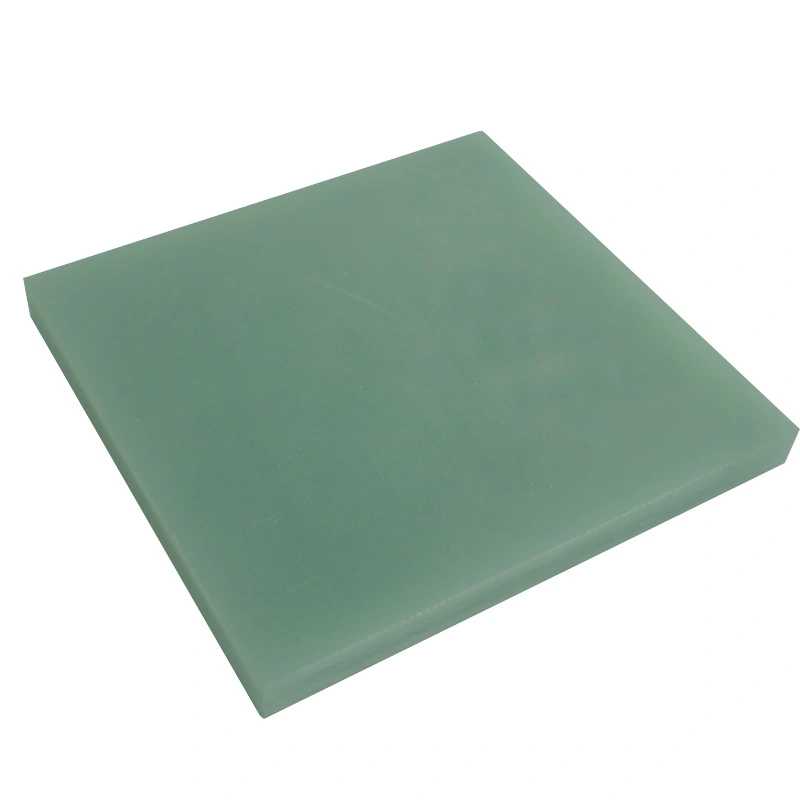
As the NEMA grade number "FR-4" indicates, FR4 Epoxy Sheet is a high-quality thermoset plastic laminate. "FR" stands for "Flame Retardant," which means that the mixture meets UL94 V-0 standards for flammability through brominated epoxy methods. This substance is made up of different layers of continuous-woven fiberglass cloth that have been mixed with an epoxy resin binder and then pressed together using controlled heat and pressure.
The manufacturing process changes raw materials in a number of very specific steps. Fires melt glass to make fiberglass filaments, which are then woven together to make fiber yarn. After being woven into fiberglass cloth, these yarns are coated with organosilane binding agents that make it easier for the organic resin and artificial glass to stick together. Before soaking the glass cloth to make prepreg, a glue made from petrochemicals is mixed with curing agents, flame retardants, and fillers. Several prepreg layers are heated together to make laminates. These laminates then get copper foil deposits, which make them copper-clad laminates that are ready to be used to make circuits.
Key Thermal and Physical Properties
Because of how well it handles heat, this material directly fixes important problems in industrial settings. The Glass Transition Temperature (Tg) for standard grades stays between 130°C and 140°C, while High-Tg grades hit 170°C or higher. This lets it work continuously at 130°C under Class B thermal ratings without delamination or Z-axis expansion while lead-free soldering is being done.
Its density is between 1.85 and 2.10 g/cm³, it absorbs less than 0.2% water according to ASTM D570, and its flexural strength is more than 340 MPa. The breakdown voltage is more than 40kV when viewed perpendicular to the laminates, and the arc resistance lasts more than 60 seconds. The dielectric strength usually goes up to 500 V/mil, and it works the same way in dry and wet situations. The standards for these parameters are NEMA LI 1-1998, IEC 60893, and MIL-I-24768/27.
Moisture Resistance in Challenging Environments
Insulation resistance stays stable even in warm temperatures or marine settings as long as water absorption rates are less than 0.25%. This quality is very important for power distribution tools and car battery barriers that have to be exposed to the outdoors. When phenolic paper-based materials are exposed to humidity, they break down. But the epoxy-glass combination keeps its shape and electrical properties even in a wide range of operating conditions.
Comparing FR4 Epoxy Sheet with Alternative Materials for Industrial Use
Performance Benchmarking Against G10 and Phenolic Materials
The main difference between G10 and FR4 Epoxy Sheet is that G10 is flame retardant while FR4 is made of glass-epoxy and is mechanically strong. G10 doesn't have any bromine added to it, so it doesn't meet the UL94 V-0 standards that most companies that make electronics and electrical goods need. Self-extinguishing features of FR4 have mostly replaced G10 in safety-critical uses where failures could be very bad.
Phenolic cotton sheets are cheaper to make, but they don't keep heat in or keep out moisture as well as other sheets. Their highest continuous operating temperature is rarely higher than 105°C, and in humid places, they can absorb up to 1.5% of their weight in water. Machinery makers might choose phenolic for mechanical spacers that aren't very important, but FR4 is needed for electrical uses because it is a more reliable insulation.
Ceramic and Aluminum Alternatives
Ceramic substrates are very good at withstanding heat above 300°C, which makes them useful for high-temperature uses in aircraft or specialized power systems. Ceramics, on the other hand, are brittle, expensive, and hard to machine, which makes them impractical for mass production. FR4 is a good mix of thermal strength and mechanical flexibility. It can be machined with CNC to make complicated shapes and still keep its shape under mechanical stress.
Aluminum sheets are great at getting rid of heat, but they can't keep electricity from flowing. To control temperature and keep electricity from flowing, engineers often put together aluminum heat sinks and FR4 insulation layers. This mixed method is often used in shields for car battery packs and high-power LED systems.
Material Selection Criteria for B2B Buyers
When making a purchase choice, you should look at more than just the original cost of the materials. The total cost of ownership is affected by how reliable something is over time, how hard it is to process, and whether it meets safety standards. Reputable material brands offer uniform quality across batches and full test results that include details about mechanical, electrical, and heat requirements. Before committing to big orders, buyers should check the certifications of the seller and ask for material datasheets that show compliance with ROHS and UL standards.
How to Handle and Work with FR4 Epoxy Sheets in Industrial Environments
Machining Best Practices for Thermal Integrity
To keep the material's qualities, CNC cutting of FR4 Epoxy Sheets needs special tools and methods. When working with the rough glass fiber content, tools with carbide or diamond tips stay very sharp. Cutting speeds should stay moderate so that heat doesn't build up and damage the resin in one place or cause tiny cracks to form along the edges.
When drilling, extra care needs to be taken. Through-holes and vias need to have clean edges that don't peel or get resin on them. Peck drilling cycles with regular tool removal let chips fall away and heat escape. When compared to regular twist drills, PCB drill bits with split-point shapes make hole walls that are cleaner and reduce walking.
Safety Protocols During Processing
Fine glass dust is made during machining and is known to be harmful to the lungs and skin. At all cutting stations in professional manufacturing shops, HEPA dust capture systems are used. Using coolant or water mist for wet cutting stops dust from forming and cools both the cutting tools and the workpieces at the same time. Individuals working with raw materials or finishing operations are still required to wear protective gear like respirators and eye shields.
Storage Conditions and Material Handling
When stored correctly, moisture absorption and mechanical damage can be avoided before processing. Until it is used, materials should stay in covered containers and be kept in climate-controlled spaces with a relative humidity of 40% to 60%. Large sheets don't get warped when they're stored vertically, and foam dividers keep surfaces from getting scratched. First-in, first-out rotation should be used for material inventory to make sure that it stays fresh and can be processed properly.
Procurement Guide for FR4 Epoxy Sheets: What B2B Buyers Need to Know
Understanding Supply Chain Dynamics
Standard sheet sizes are 1020mm × 2040mm and 1020mm × 1200mm, but custom cutting services can be used to meet the needs of any project. The thickness can be anywhere from 0.2mm to 50mm, so engineers can choose the best size to meet the needs for electrical insulation, mechanical strength, and weight.
Quality Indicators and Certification Requirements
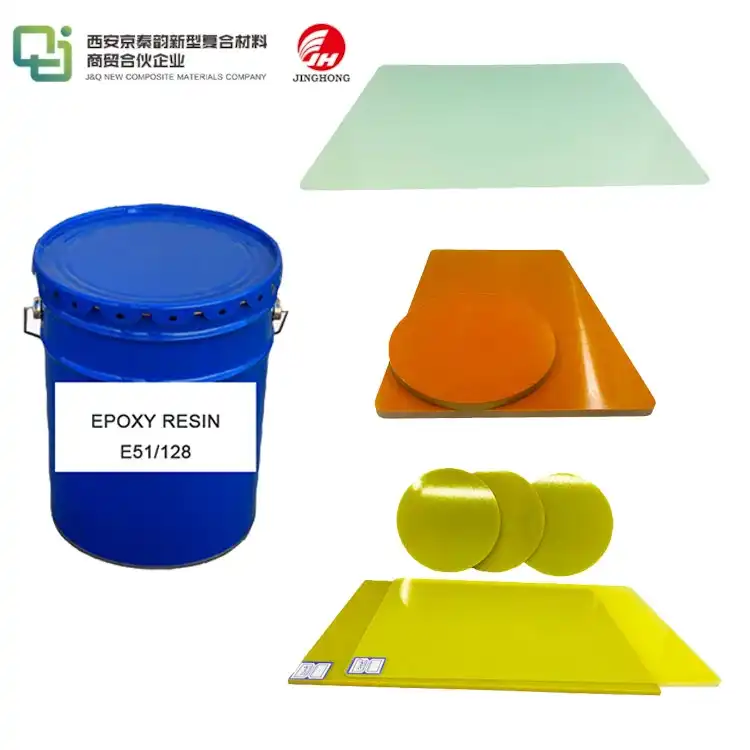
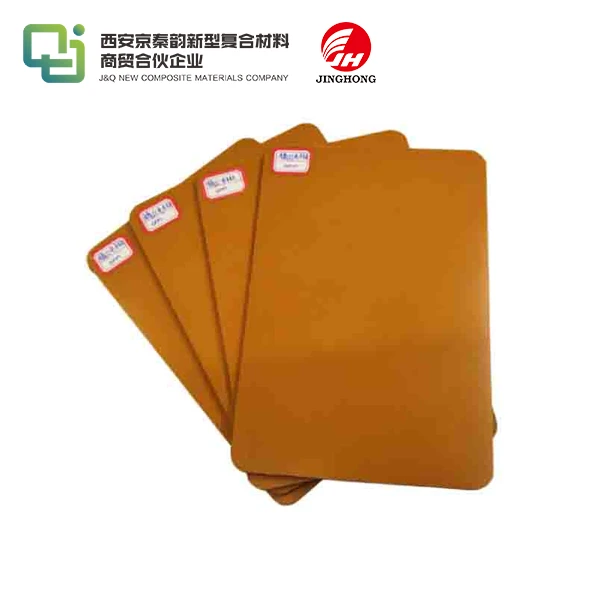
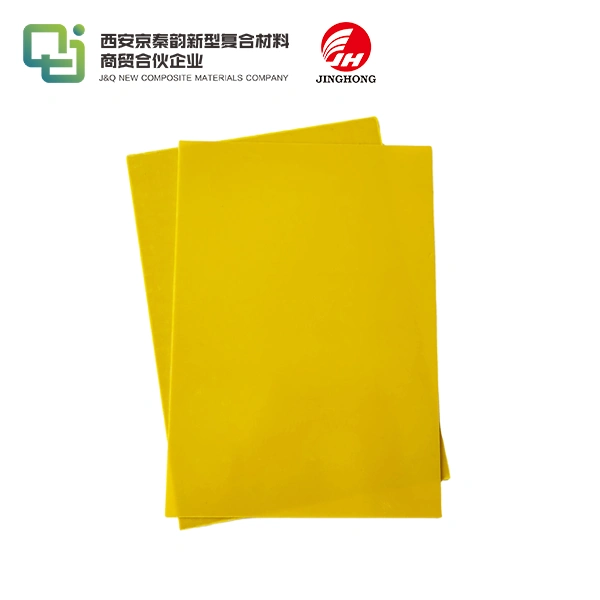
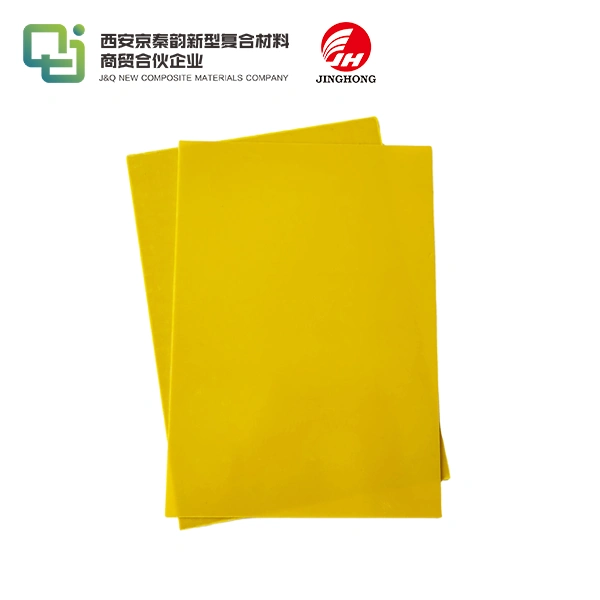
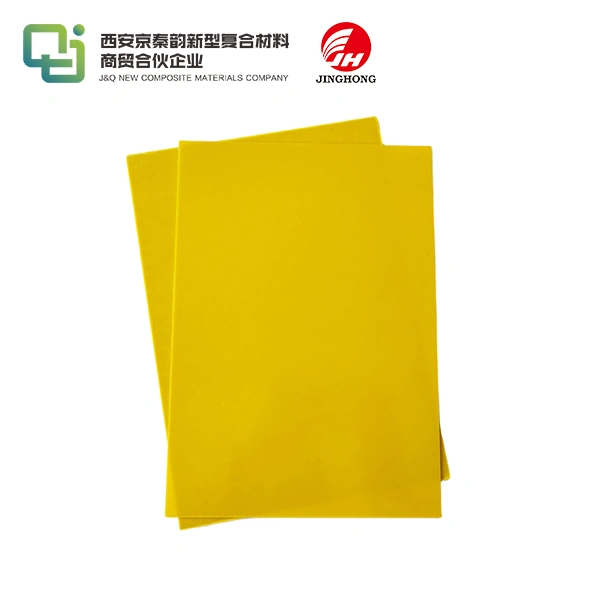
Real, high-quality FR4 Epoxy Sheet has a color that stays the same all the way through. Depending on the resin mixture, this color could be natural green, yellow, or black. Color alone doesn't tell you much about quality, but differences within a single batch are a sign that the manufacturing controls weren't done right. Suppliers with a good reputation give out badges of conformance that show they meet certain NEMA grades and international standards.
Important factors like dielectric strength, flammability rating, thermal properties, and mechanical strength should be confirmed in test reports. Before committing to large orders, buyers should ask for samples to test in-house to make sure they are correct. In this step of the verification process, any possible problems with compatibility with current manufacturing methods or performance gaps in application-specific tests are found.
Cost Considerations and Value Assessment
Prices are usually given per square meter and depend on the thickness, grade, and number of square meters ordered. Even though High-Tg versions cost more, their better thermal performance keeps expensive fails from happening in demanding situations like industrial motor controls or car electronics. Instead of just looking at the cost of buying materials, procurement teams should think about the total cost of ownership, which includes things like processing output rates, field reliability, and possible guarantee claims.
By working with suppliers who have a lot of knowledge, you can get professional support and help with application engineering. These partnerships help choose the best materials, set the best processing parameters, and make sure that quality control rules are followed. This makes production more efficient, and the products work better.
Industrial Applications of FR4 Epoxy Sheets Leveraging Thermal Stability
Electronics Manufacturing and PCB Assembly
FR4 Epoxy Sheets are the base material for multi-layer printed circuit boards. During solder reflow processes, where board temperatures temporarily rise above 200°C, the material's ability to keep its shape is very important. Standard FR4 keeps its dimensions stable even when the temperature changes. This keeps parts from becoming misaligned or solder joints from breaking, which could lead to failures in the field.
Power Distribution and Uses for Transformers
Insulation shields and arc chutes made of this material are used in switchgear assemblies and motor control circuits. The ability to put out fires on its own keeps electricity problems from turning into huge fires, which protects people and property. Electrical engineers choose this material because they know it keeps its dielectric strength even after being exposed to arc discharge or long-term overcurrent conditions.
Epoxy laminates are used by transformer makers for coil insulation, phase barriers, and structural supports in both oil-filled and dry-type units. Because the material doesn't absorb much water, it doesn't track or break down on the surface in high-voltage situations. Temperature stability makes sure that the insulation stays in place even when the load changes every day and the temperature changes with the seasons.
When there is a fault, the arc barriers in medium-voltage switchgear systems have to be able to handle both heat stress and mechanical pressure. Epoxy-glass composites are the best choice for these safety-critical parts because they are resistant to flames, have high mechanical strength, and don't change size. Utilities and factories only use certified materials because they know they pass strict tests for electrical clearances and arc resistance.
Automotive and Transportation Components
In electric cars, the battery pack units have insulation pads and thermal barriers that keep sensitive devices from getting too hot when the batteries are quickly charged or discharged. Because the material is thermally stable, it doesn't break down in a way that could lead to thermal runaway. Automotive engineers like how the CNC machinability lets them fit parts precisely in tight areas and how the uniform batch quality lets them make a lot of parts.
The electrical separation and mechanical strength of this material are what make insulation frames in electric motor housings work. When an automobile is in use, vibrations and temperature changes happen, and the mounting frames have to hold the loads on the parts while keeping the electrical clearances. In this competitive market, the choice of material has a direct effect on the cost of warranties and the reputation of the brand.
Conclusion
The main benefit of FR4 Epoxy Sheet that makes it the best insulation material for many industrial uses is that it doesn't change temperature easily. It can keep its electrical, mechanical, and physical stability at constant temperatures up to 140°C, which is very important for industries that make electronics, distribute power, build cars, and make machinery. The material meets international safety standards and has high dielectric strength and heat resistance, which gives engineering teams faith in its long-term dependability. When purchasing choices are made by weighing the need for thermal performance against cost and processing options, epoxy-glass laminates always provide the best value by having lower failure rates and longer service lives in places that need to handle high temperatures.
FAQ
What thickness options are available and how do they affect thermal properties?
Thicknesses range from 0.2mm to 50mm. Thinner sheets can get rid of heat faster, but they are weaker mechanically. The structural support and voltage isolation are better in thicker sections, but the thermal response is slower. When engineers choose a thickness, they take into account the application's electrical clearance needs, mechanical load expectations, and thermal mass needs. The temperature rating for all thicknesses stays the same, which is set by the formulation of the epoxy resin.
How does High-Tg material differ from standard grades?
The standard Glass Transition Temperature is 130°C–140°C. High-Tg variants raise this temperature to 170°C or higher. This improvement stops the Z-axis from expanding and delaminating when lead-free soldering methods hit their highest temperature of 260°C. Even though they cost more, High-Tg formulations are better for uses that need to change temperatures often or keep them at high levels for a long time.
Can this material be safely machined in-house?
Because the glass fiber is rough, machining needs the right dust collection tools and carbide or diamond tools. Fine glass dust is dangerous to your lungs and needs HEPA filters and personal protective equipment. Facilities that don't have the right safety equipment should send their machining work to specialized fabrication shops that know how to work with composite materials.
Partner with J&Q for Reliable FR4 Epoxy Sheet Solutions
J&Q has been making high-quality products for over 20 years and has experience with foreign trade for 10 years. They can help industrial buyers who need reliable thermal insulation options. As a well-known company that makes FR4 Epoxy Sheets, we have strict quality control systems that make sure every sheet meets the NEMA grades and international standards for compliance. Our combined logistics services make delivery straight to your building easy, so there are no supply chain problems that stop production plans. Technical support teams are available to help engineering managers and procurement experts choose the right materials, make the best use of processes, and fix problems with applications. Whether your project needs standard sizes or unique CNC-machined parts, our production flexibility can handle both small quantities for prototypes and large quantities for mass production. Email our team at info@jhd-material.com to talk about your thermal stability needs and get samples that show the consistent quality that makes J&Q stand out in the global market. You can look at all of our insulation materials at jhd-material.com.
References
1. National Electrical Manufacturers Association (NEMA). Industrial Laminating Thermosetting Products Standards, Publication LI 1-1998, Washington, DC.
2. Institute of Electrical and Electronics Engineers (IEEE). Thermal Characterization of Printed Circuit Board Materials for High-Reliability Applications, IEEE Transactions on Components and Packaging Technologies, Volume 28, Issue 4.
3. Underwriters Laboratories Inc. Standard for Safety of Flammability of Plastic Materials for Parts in Devices and Appliances, UL 94, Northbrook, Illinois.
4. International Electrotechnical Commission (IEC). Specifications for Industrial Rigid Laminated Sheets Based on Thermosetting Resins for Electrical Purposes, IEC 60893 Series Standards, Geneva, Switzerland.
5. American Society for Testing and Materials (ASTM). Standard Test Method for Water Absorption of Plastics, ASTM D570, West Conshohocken, Pennsylvania.
6. Military Specifications and Standards. Glass-Cloth-Base Epoxy Resin Copper-Clad Laminates for Printed Wiring Boards, MIL-I-24768/27, Department of Defense, United States.
_1765441788610.jpg)
