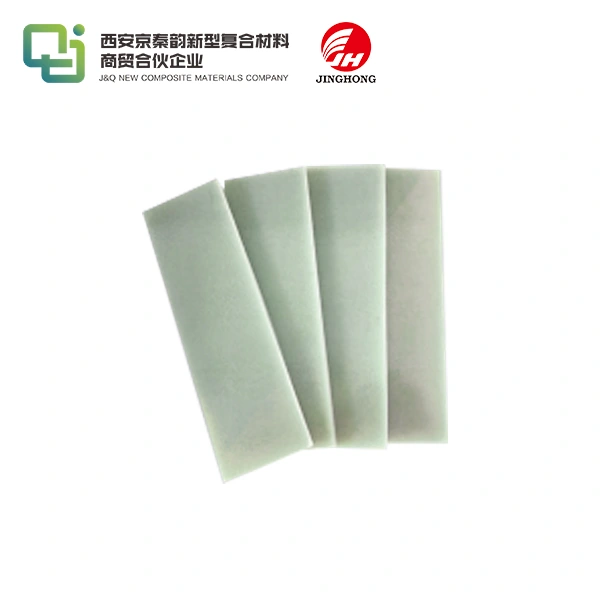
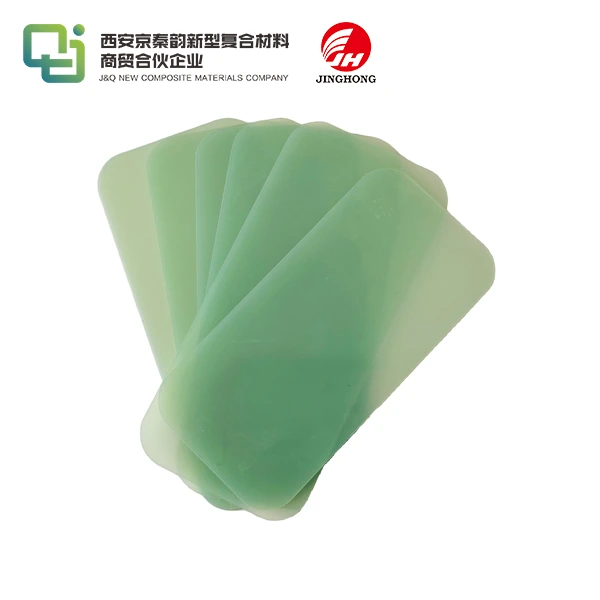
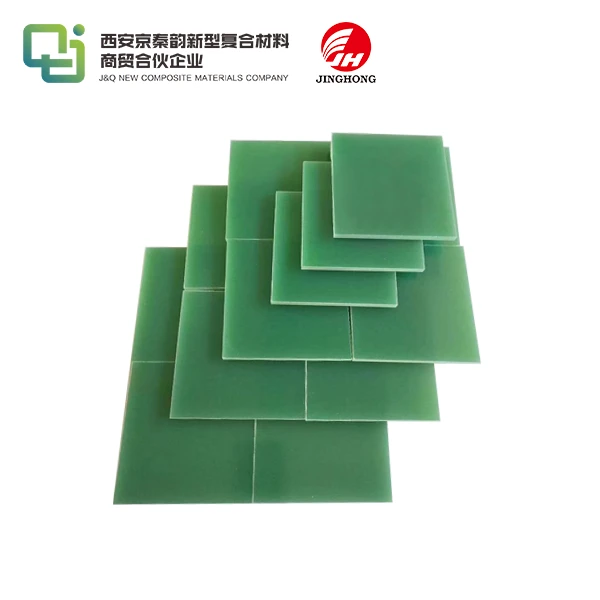
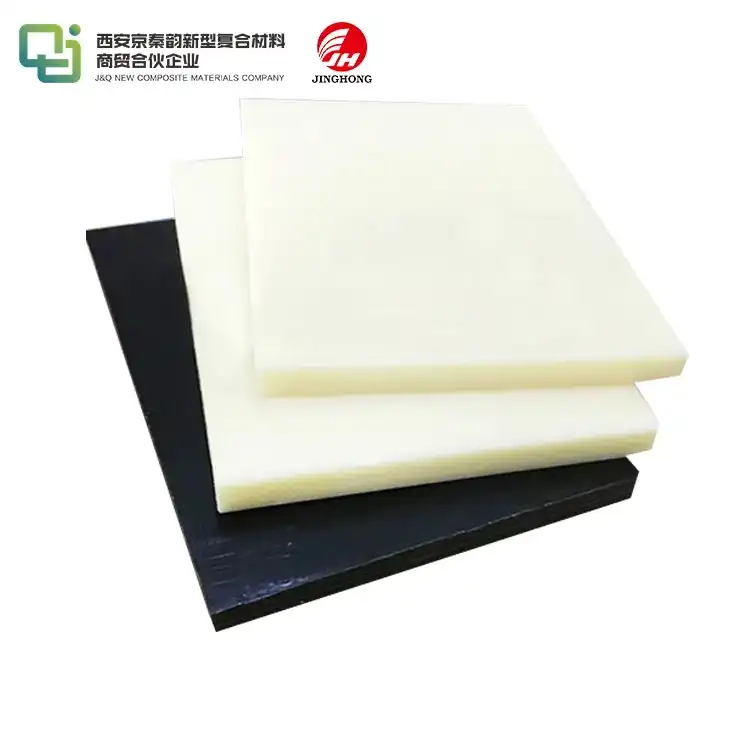
Phenolic Cotton Sheet Meets Heavy-Duty Industrial Component Needs
2026-08-05 17:25:09
When engineering managers and procurement teams evaluate materials for heavy-duty industrial components, Phenolic Cotton Sheet emerges as a critical solution. This composite laminate, formed by impregnating woven cotton fabric with phenolic resin under high temperature and pressure, delivers exceptional mechanical strength, thermal stability, and electrical insulation properties. Unlike purely metallic components that generate noise and vibration, or brittle alternatives that shatter under impact, this material bridges the gap between mechanical robustness and reliable insulation performance across multiple demanding applications.
Understanding Phenolic Cotton Sheets and Their Industrial Importance
What Makes Phenolic Cotton Cloth Laminates Essential?
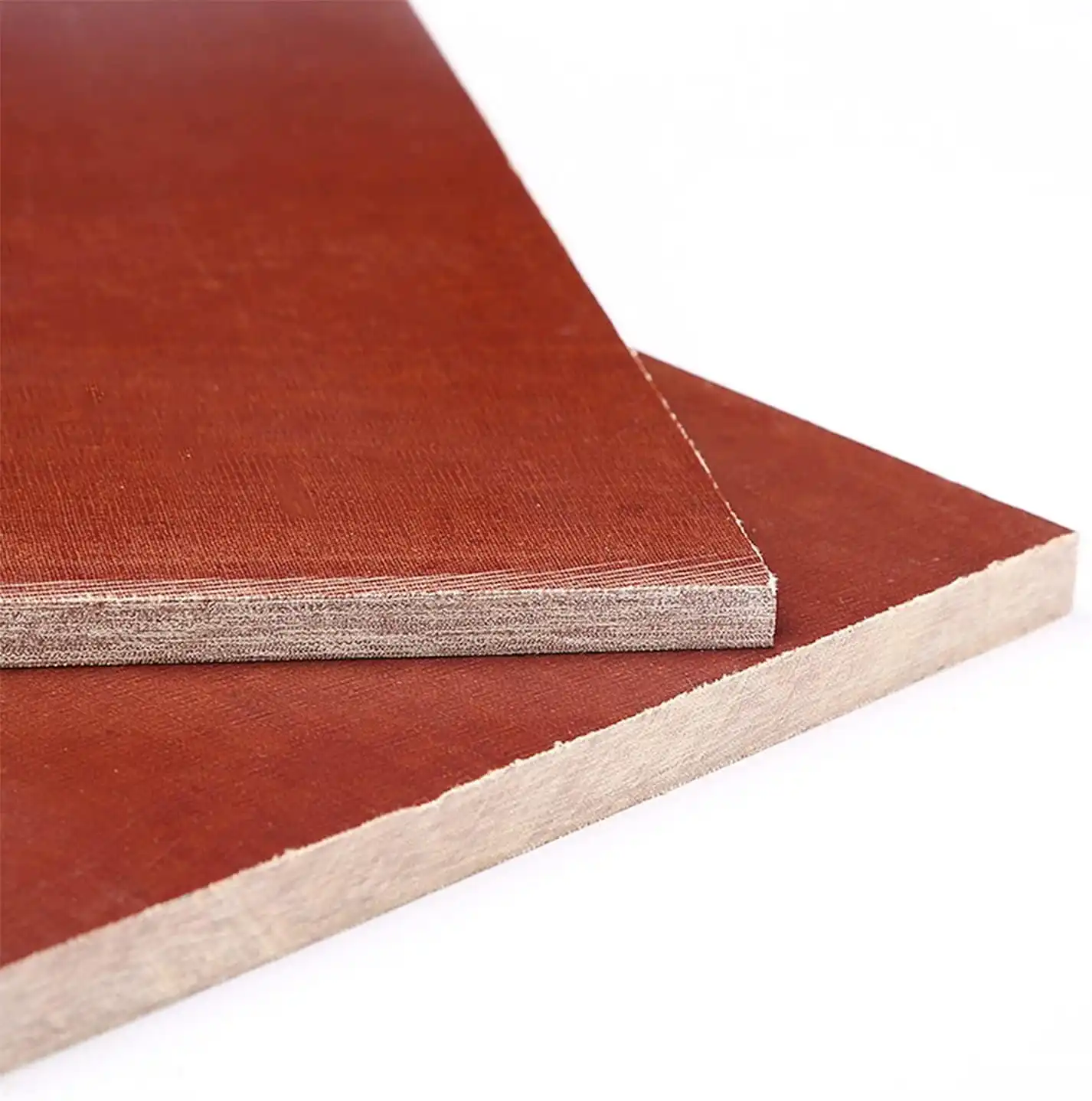
To make Phenolic Cotton Sheets, layers of cotton fabric that are saturated with phenolic resin are put on top of each other and then heated and pressed together at temperatures above 150°C. This makes a stiff, dimensionally stable material that doesn't warp and keeps its tight limits, which are very important when engineering managers are choosing parts for PCB support structures, switchgear systems, or transformer insulation barriers. The cotton base is more resistant to impact than phenolic laminates made from paper, so they don't fail catastrophically in high-stress situations.
Core Properties That Matter to Procurement Professionals
Dielectric strength is one of the most important things for companies that make electronics and electrical goods. Even when the voltage changes, Phenolic Cotton Sheets keep their insulation integrity. They can also handle constant temperatures of up to 120°C. Chemical protection against oils, acids, and industrial cleaners makes sure that things last a long time in places where machines are used. Mechanical engineers like that the material doesn't absorb much water—usually less than 1.5%—so measurements stay accurate and it doesn't swell, which could damage precision parts. The natural calming properties lower working noise in gear systems, a big plus for machinery builders who want to make equipment that is quieter.
Why Industrial Applications Demand This Material?
For heavy-duty parts, you need materials that can hold up under long-term loads without breaking down. Phenolic Cotton Sheets are better at absorbing mechanical shock than alternatives reinforced with glass. This makes them perfect for motor brackets, wear strips, and impact-resistant spacers. Because the material is easy to machine, CNC machines can make complex shapes with smooth edges and little tool wear. When power companies put up arc barriers in transformer housings, they depend on this laminate's flame-resistant qualities that are certified to UL standards. This makes sure that operations are safe and that the rules are followed.
Performance Comparison: Phenolic Cotton Sheets vs. Alternative Materials
Mechanical Strength Analysis
If you compare Phenolic Cotton Sheets to phenolic paper sheets, they have about 40% more tensile strength and a lot more bending stiffness. Even though FR4 epoxy glass laminates work better for electricity, they are not strong enough to be used for gears and other load-bearing parts. It is better for cutting, slicing, and drilling to work with Bakelite sheets that are reinforced with cotton than with thermoplastics that are not reinforced. This means that less scrap is made during mass production. Suppliers of automotive parts like this durability when they make battery pack barriers that have to withstand handling on the assembly line and vibrations from vehicles for the whole service life.
Thermal and Chemical Performance Metrics
Choosing a material often depends on how it reacts to heat. Phenolic Cotton Sheets keep their shape at temperatures where most plastics soften, but they are much cheaper than high-temperature ceramics. Their thermal conductivity is somewhere between metal and pure plastic, so they get rid of heat well without making hot spots. In fluid-contact uses, they are better than nylon or acetal because they don't react chemically with generator oils, hydraulic fluids, or coolants. Manufacturers of home appliances that use this resistance when designing motor insulation frames can keep their products from breaking down too quickly when they are exposed to cleaning chemicals during assembly.
Cost-Effectiveness in Volume Production
When budgets are tight, purchasing managers find that phenolic materials made from cotton are a good value. The cost of the raw materials is cheaper than for glass-epoxy composites, but the performance is still good enough for many commercial uses. It can be worked with more quickly than metals and clay, which cuts down on the time it takes to make things. Consistency from batch to batch cuts down on quality control rejects, which is especially important for appliance brands that have to stick to tight production schedules. When managers of OEM sourcing figures out the total cost of ownership, which includes material costs, machining costs, inspection costs, and the number of times a part needs to be replaced, these laminates often offer the best balance between performance and cost.
Manufacturing Process and Quality Assurance of Phenolic Cotton Sheets
Production Stages and Quality Control
Before going into the resin impregnation machine, the raw cotton cloth is checked for contamination and even weave. The end qualities are affected by the Phenolic Cotton Sheet formulation. A higher resin content helps electrical performance but makes the material more brittle. The fabric that has been impregnated goes through drying ovens that get rid of the solvents and partially cure the resin until it is just the right amount of sticky. Before pressing, multiple layers are stacked according to the required thickness. Hydraulic presses then apply even pressure across hot platens. The dwell times and temperatures used for curing have a direct effect on the mechanical properties and the stability of the dimensions. Post-cure cutting makes sure that sheets are the right thickness, usually within ±0.1mm for precise uses.
Certifications and Industry Standards
Procurement experts in the power sector need proof that electrical safety standards are being met. UL certification checks that flame resistance and tracking resistance are met under certain test settings. ROHS certification makes sure that there are no restricted chemicals, which is important for electronics companies that want to sell their products in controlled markets. ISO 9001 quality management systems show that controls on manufacturing are always the same. Suppliers who keep these licenses provide tracking paperwork that connects the qualities of materials to specific production batches. This is important information for electrical engineers who build safety-critical parts like transformer arc shields or circuit breaker housers.
Customization Capabilities for OEM Applications
These days, suppliers offer thicknesses from 0.5 mm to 100 mm, and they can cut to exact measurements based on technical models. Precision drilling, routing, and waterjet cutting for complex profiles are all things that CNC can do. For joining purposes, certain roughness levels can be reached by cutting or sanding the surface. When automotive R&D teams are making battery casings for electric vehicles, they often need to come up with their own special formulas that balance flame protection with weight reduction. Lead times for standard thicknesses are usually a few days, but for custom formulations, it could take weeks to develop and test the resin. Knowing these dates helps supply chain managers make sure that the dates they buy materials don't clash with the dates they make things.
Procurement Guide: Buying Phenolic Cotton Sheets for Heavy-Duty Use
Evaluating Supplier Credibility and Capabilities
Technical buying teams should check the factory's ability to make things by doing surveys or having a third party do the testing. When appliance brands go from making prototypes to mass production, their production volume skills become important. Suppliers must show that they can consistently produce high-quality Phenolic Cotton Sheets on thousands of sheets every month. Testing skills show how technically advanced a company is: suppliers with their own equipment for dielectric strength testing, mechanical property verification, and dimensional inspection can fix quality problems more quickly. Referrals from current customers in similar fields can help you figure out how reliable a business is during times of high demand.
Minimum Order Quantities and Pricing Structures
Different pricing models are used for industrial buyers based on the amount of orders they place. Standard sheet shapes and thicknesses usually have lower unit costs because they are easier to make. Custom sizes come with setup or tooling fees that are spread out over bigger orders. When mechanical engineers give specific measurements, they should ask for an economic order number analysis that compares the cost of keeping stockpiles with the price of a single piece. Long-term supply agreements with machinery builders often include commitments to volume, which keeps prices stable and makes sure that materials are distributed even when there aren't enough of them.
Logistics Considerations for Bulk Purchases
Proper packaging keeps edges from getting damaged and keeps wetness out during shipping, which is important for keeping the dimensions stable. Phenolic Cotton Sheets are usually shipped on pallets that have protective interleaving and wrapping that keeps moisture out. Wait times for things that are in stock in the United States are the same week, while wait times for custom orders are several weeks. When you ship things internationally, you have to think about things like import paperwork, tax labels, and longer transit times. Suppliers that offer integrated logistics services make it easier for buyers to buy things because they don't have to manage as many different suppliers. Shipments are also consolidated, which makes administration easier.
Advantages of Phenolic Cotton Sheets in Heavy-Duty Industrial Components
Exceptional Durability Under Mechanical Stress
When these gears get stuck in industrial machinery, they fail gradually instead of dramatically. This is because the Phenolic Cotton Sheet reinforcement shreds slowly, saving the expensive steel drive shafts from damaging shock loads. This "sacrificial" behavior cuts down on fixing costs by a large amount. In conveyor systems, wear strips keep the shape stable over millions of cycles, making them last much longer than plastics that aren't reinforced. The compressive strength of the material allows it to be used in bearing applications where distributed loads would crush softer materials. This means that machinery builders can go longer between maintenance visits.
Heat and Chemical Resistance in Demanding Environments
Manufacturers of transformers that install coil insulation count on it working reliably at high temperatures that are created when the load cycles. Phenolic Cotton Sheets keep their dielectric properties even when the temperature gets close to their rating limits. This keeps the electricity from breaking down. Chemical security against mineral oils used in transformers makes sure that the product will work for decades without breaking down. When auto makers make heat screens for battery packs, they value the flame-resistant properties that stop thermal runaway from spreading. These are important safety features as the production of electric vehicles grows.
Lifecycle Cost Benefits and ROI
When engineering managers figure out the total cost of ownership, they know that the cost of the materials at the start is only one factor. When you do maintenance less often, you spend less on labor and have less downtime. When parts last longer, capital equipment doesn't have to be replaced as often, which increases the return on investments in assets. When electrical engineers build equipment that will be used for 30 years, they choose materials that have been used for decades and worked well. Phenolic Cotton Sheets are reliable enough to be used in mission-critical situations, even though cheaper options are available that haven't been tested for sturdiness.
Conclusion
Heavy-duty industrial parts need materials that are strong mechanically, stable at high temperatures, insulating from electricity, and cost-effective. This mix is available in Phenolic Cotton Sheets, which are used in a wide range of situations, from transformer arc barriers to machinery gears, from motor insulation frames to automotive battery barriers. When engineering managers and procurement workers look at different material choices, they feel more confident when they know about the manufacturing methods, quality certifications, and performance characteristics. The material has a history of working well in harsh conditions, can be customized, and has good lifetime economics. These factors make it a good choice for industrial uses that need reliable long-term performance.
FAQ
Can phenolic cotton sheets replace metal components in machinery?
In some situations where electrical insulation, noise reduction, or sacrificial failure modes are needed, Phenolic Cotton Sheets can be used instead of metal gears, spacers, and structural parts. The choice is based on the load needs, the working temperatures, and the weather.
How do customization options affect lead times?
Standard sizes and widths usually ship in a week. Custom sizes cut from stock sheets take very little extra time. Lead times may go up to four weeks for special formulations that need resin changes or specialty tests, especially if licensing paperwork is sent with the delivery.
What thickness tolerances can manufacturers achieve?
For sheets less than 10 mm thick, precision grinding keeps the tolerances within ±0.1 mm. Different manufacturing methods may cause thicker materials to vary by ±0.2mm. Tolerance standards should be made clear in the procurement specs, since tighter control costs more because it requires more processing steps.
Partner with J&Q for Reliable Phenolic Cotton Sheet Supply
J&Q has been making insulation materials for more than 20 years and has also done a lot of business in other countries, working with companies in the electrical, machinery, automotive, and appliance industries. As a well-known company that makes Phenolic Cotton Sheets, we keep strict quality controls that meet UL and ROHS standards. We also offer unique sizes that are made to fit your engineering needs. Our integrated logistics skills make delivery faster, and our expert team offers application help to make sure that the performance of the material matches the needs of your component. Engineering managers and procurement specialists looking for reliable supply partners can email our team at info@jhd-material.com or visit jhd-material.com to look through our full catalog of products and talk about their specific material needs.
References
1. Harper, C.A. (2004). Handbook of Building Materials for Fire Protection. McGraw-Hill Professional Engineering.
2. Lubin, G. (1982). Handbook of Composites. Van Nostrand Reinhold Company.
3. Mottram, J.T. & Taylor, R. (2003). Physical Properties of Textile Fibers. Woodhead Publishing Limited.
4. Petrie, E.M. (2006). Handbook of Adhesives and Sealants. McGraw-Hill Professional.
5. Richardson, M.O.W. (1987). Polymer Engineering Composites. Applied Science Publishers.
6. Zweben, C. (2006). "Composite Materials" in Mechanical Engineers' Handbook: Materials and Mechanical Design. John Wiley & Sons.