3526 Phenolic Laminated Tube Enhances Electrical Component Safety
2026-08-05 17:25:12
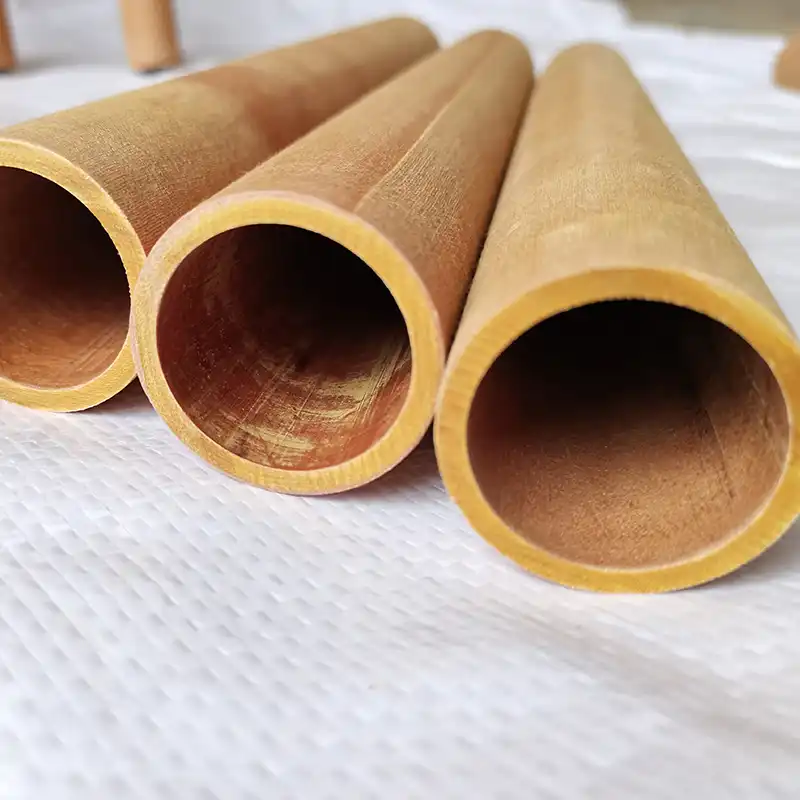
When engineering managers and technical procurement teams face recurring insulation failures or system downtime, the choice of material becomes mission-critical. The 3526 phenolic cloth laminated tube represents a proven solution for electrical component safety, delivering robust mechanical strength, superior thermal stability, and reliable dielectric performance. This specialized insulation material combines cotton cloth reinforcement with phenolic resin through a precisely controlled curing process, creating tubular components that withstand demanding electrical environments while maintaining dimensional accuracy. Its ability to protect against electrical faults, resist environmental degradation, and support complex machining requirements makes it indispensable for manufacturers prioritizing equipment longevity and operational safety.
Understanding 3526 Phenolic Cloth Laminated Tube and Its Key Properties
Material Composition and Manufacturing Process
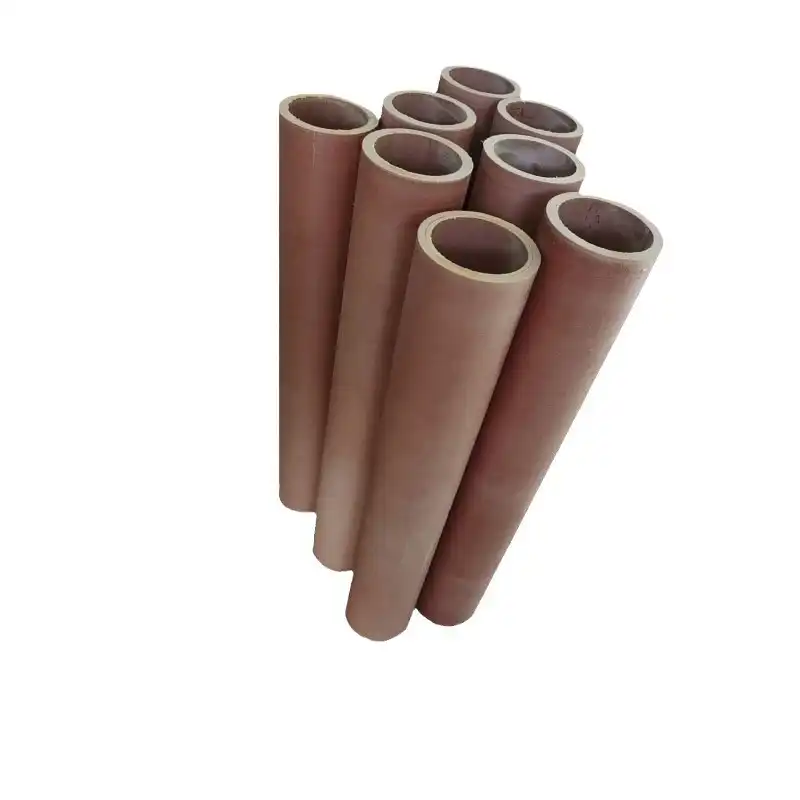
The 3526 Phenolic Cloth Laminated Tube starts with high-quality cotton cloth that is scoured and desized many times to get rid of any dirt or dust. The fabric is then filled with phenolic resin, which makes a material matrix that combines thermosetting polymer chemistry with organic reinforcement. Manufacturers make sure that layers stick together evenly and that the resin cures completely by heating, rolling, pressing, and baking in order. This multi-step process makes sure that the density is the same all the way through the tube wall. This gets rid of any weak spots that could affect how well the tube works when it is under electrical or mechanical stress.
Technical Specifications and Standards Compliance
These tubes were made according to GB/T 5132 standards. Their density ranges from 1.04 to 1.20 g/cm³, which is a good balance between strength and weight. The material stays stable at temperatures up to 130°C, which means it can be used in Class E thermal durability uses. When tested in transformer oil at 50Hz, the dielectric strength is higher than 3.5 MV/m. This gives a lot of safety limits for voltage separation needs. Water absorption stays below 4%, which protects electrical properties when working in humid conditions or being exposed to moisture for a short time.
Dimensional Capabilities and Customization
We can make tubes with inner diameters ranging from φ5mm to φ1500mm and outer diameters ranging from φ6mm to φ2000mm. The tubes can be up to 2 meters long. A wall's thickness must be at least 0.5mm, and it can be controlled within ±0.5mm for thicknesses up to 10mm and within ±1.0mm for thicknesses greater than 10mm. This range of sizes makes it possible for procurement teams to choose tubes that fit the exact shape of equipment without having to do any extra shaping. Custom sizing, which is negotiated between the buyer and the seller, meets OEM needs that go beyond standard specifications.
Advantages of 3526 Phenolic Laminated Tube in Enhancing Electrical Component Safety
Superior Thermal Management and Stability
When electrical systems are working normally, they produce heat. Insulation materials must keep their protective properties even when the temperature changes. At temperatures that stay above 130°C, the 3526 Phenolic Cloth Laminated Tube keeps working consistently. This keeps the insulation from breaking down, which could cause short circuits or component failure. This ability to withstand high temperatures is especially useful in places where heat builds up, like generator housings, motor systems, and switchgear. In contrast to some options that weaken or change shape when heated, the cross-linked phenolic structure keeps its shape and tensile strength.
Chemical Resistance and Environmental Durability
Mineral oils, solvents, and airborne toxins can speed up the breakdown of insulating materials when they are used in operating settings. When cured, the phenolic matrix doesn't react with petroleum-based fluids that are widespread in transformers and hydraulic systems. This keeps the structure strong when other materials grow or separate. This chemical stability increases the service life of parts and lowers the number of unexpected repair visits. The material doesn't absorb much water (≤4%), so its dielectric properties don't change when the humidity does. This keeps the insulation working well in all kinds of weather.
Mechanical Strength and Flexibility in Processing
These tubes can handle installation stresses and operational vibrations without cracking or breaking because their bending strength is over 80 MPa and their compressive strength is over 45 MPa. The high axial tensile strength makes it useful for uses that need strong press fits or threaded connections. When the right methods are used, machinability properties let normal tools be used for drilling, turning, cutting, and threading. Because of this, makers can make complicated shapes, mounting features, and assembly interfaces directly in the tube material, which cuts down on the number of parts needed and the complexity of the assembly process.
Electrical Insulation Performance
Surface resistivity values above 1.0×10⁸ Ω when dry and 1.0×10⁷ Ω when wet ensure safe electrical separation between wires and grounded structures. Volume resistivity readings of ≥1.0×10⁷ Ω·m make sure that leakage currents are very small, even after long periods of use. These features keep people safe from electrical dangers and keep tools from getting damaged by currents that aren't supposed to go there. The material's dielectric properties stay the same across the working temperature range. This keeps safety gaps even when temperatures change.
Comparative Overview: 3526 Phenolic Laminated Tube vs Alternative Materials
Phenolic Tubes Versus Fiberglass Reinforced Options
Fiberglass epoxy tubes are popular for chemical processing environments because they are strong against dielectrics and corrosion. But 3526 Phenolic Cloth Laminated Tubes are easier to work with and cause less tool wear when they are being made. The cotton cloth support makes less rough dust than glass fibers, which makes the workplace safer and reduces the need for equipment upkeep. Because they are more cost-effective, phenolic solutions are often preferred for uses where extreme chemical resistance is not needed. These solutions provide adequate performance at more reasonable prices.
Performance Against Mica-Based Insulation
Mica tubes work great in situations with very high temperatures because they can handle conditions that are too high for phenolic materials to handle. This specialized performance comes with much higher material prices and a smaller range of available sizes. When purchasing things that can handle temperatures up to 130°C, 3526 Phenolic Cloth Laminated Tubes are a better deal because they have similar electrical qualities, better mechanical strength, and a wider range of sizes. The phenolic choice also makes cutting easier, which cuts down on the time and money needed for making the parts.
Evaluation Relative to Epoxy Laminated Tubes
Epoxy glass cloth tubes are better at keeping out water and have a slightly higher mechanical strength than phenolic options. These benefits are useful in places that stay damp for a long time or when the structure needs to be as rigid as possible. Phenolic tubes, on the other hand, are better at resisting temperature shock, cost less, and work well enough for most electrical equipment uses. Instead of automatically choosing premium materials when standard grades will do, decision-makers should look at the specific operating conditions and performance needs.
Cost-Performance Balance Considerations
Managers who are in charge of buying things know that choosing materials means balancing technical needs with the total cost of ownership. 3526 Phenolic Cloth Laminated Tubes are perfect for uses that need solid electrical protection, reasonable mechanical strength, and thermal stability without having to pay a lot of extra money. The lifecycle study should include not only the initial cost of the materials, but also the costs of making them, the labor needed to install them, and the amount of time that they will be used before they need to be replaced.
Procurement Considerations for 3526 Phenolic Cloth Laminated Tubes
Custom Sizing and Order Quantities
Standard tube sizes are good for most uses, but custom sizes are often needed for specialized equipment to cut down on waste and make installation easier. Manufacturers usually can work with non-standard specifications by negotiating with buyers and suppliers to set dimensional parameters, tolerance requirements, and production lead times. Minimum order numbers depend on how complicated the custom size is, but common sizes are often available in smaller lot sizes. Long-term supply deals can get you better prices and an assured allocation of capacity during times of high production.
Quality Validation Through Sampling
Asking for real samples lets engineering teams test the material and make sure it fits right before committing to large orders. The evaluation of a sample should include checking its dimensions with high-precision measuring tools, looking at it visually for surface flaws or separation, and testing its functionality in real-world situations that are similar to how it will be used. This step of approval finds any possible problems before they are put into production. This keeps you from having to do expensive repairs or make changes to your equipment. Reliable providers give examples with approved test results that show they meet the requirements of the specification.
Supplier Assessment and Certification Review
To find a reliable supplier, you need to look at their manufacturing skills, quality control systems, and expert help resources. ISO 9001:2015 certification means that quality control procedures and methods for continuous growth have been established. Suppliers who have been making things for decades know how different materials behave and can suggest ways to make them work better in certain situations. Having access to technical support helps solve problems with processes, choosing materials, and applications throughout the duration of a product.
Logistics and Delivery Planning
Lead times for production usually range from a few weeks for standard specifications to longer times for custom measurements that need tooling changes. Ocean freight is a cost-effective way to ship large amounts of goods, while land transport is best for regional distribution, and air freight is best when project deadlines require fast delivery. The way tubes are packed keeps them from getting wet or damaged during shipping, so the material qualities stay the same until they are installed. When procurement teams and sellers work together, they can make sure that shipping dates match up with production needs. This keeps inventory costs low and keeps lines from stopping.
Applications and Case Studies Demonstrating Safety Enhancement
Transformer Insulation and Coil Support
Strong insulation systems keep the windings of electrical transformers away from the grounded enclosures and stop turn-to-turn short circuits. 3526 Phenolic Cloth Laminated Tubes have cylinder-shaped barriers that keep the spacing correct while being able to handle changes in temperature and vibration. The oil resistance of the material keeps it from breaking down when it comes in contact with transformer fluids, so it will last for decades. Manufacturers say that properly designed phenolic insulation has lower failure rates and longer maintenance intervals than generic materials that aren't thermally stable enough.
Motor and Generator Component Protection
Electrical equipment that is always turning puts stress on insulating materials through rotational forces, vibration, and heat. In motors ranging from a few hundredths of a horsepower to large industrial units, tubes made from 3526 Phenolic Cloth Laminated Tubes are used as bearing protection, slot spacers, and phase separators. The material's mechanical strength keeps the structure stable even when it's under a lot of stress from work, and its electrical properties stop current leakage that wastes energy and makes more heat. When equipment manufacturers switch to certain insulation materials, motor efficiency and life span get better in a measurable way.
Switchgear and Circuit Breaker Applications
In order to control the flow of electricity and keep circuits from overheating, electrical distribution systems need switchgear. Insulating tubes separate bus bars, give components a place to go, and make physical walls that keep people from touching live conductors by mistake. The phenolic material's ability to resist arcs and flames makes the whole system safer by keeping faults under control and lowering the risk of fire. When making special mounting brackets and insulation parts for switchgear assembly, electrical workers like how easy the material is to machine.
Automotive Electrical System Protection
Modern cars have electrical systems that are getting more complicated. This means that battery management systems, motor drivers, and charging facilities need reliable insulation solutions. When there is limited space in a package, 3526 Phenolic Cloth Laminated Tubes protect high-voltage wires, keep heat-generating parts away from sensitive electronics, and act as structural fixing elements. Engineers in the automotive industry choose materials that meet strict quality standards for consistent dimensions. This makes sure that automated assembly processes meet the required tolerances across all production volumes.
Conclusion
Choosing the right insulation materials has a direct effect on the safety, dependability, and cost of running an electrical system. The 3526 Phenolic Cloth Laminated Tube has been used in many different situations and has been shown to work well. It combines good heat stability, mechanical strength, and electrical qualities in a package that is affordable. Technical requirements that meet GB/T 5132 standards guarantee consistent quality, and customizing the sizes meets the needs of specialized equipment. Strategic relationships with suppliers that offer technical support, quality testing, and reliable delivery give procurement teams a competitive edge. Because it is easy to machine, doesn't react to chemicals, and doesn't conduct electricity, the material is a good choice for makers who want to make sure their parts last a long time and systems are safe.
FAQ
What temperature range can phenolic laminated tubes withstand?
It is safe to say that these tubes work well at temperatures up to 130°C, which means they can be used in Class E thermal applications. Short-term temperature spikes just above this level usually don't cause failure right away, but long-term contact beyond rated limits may speed up ageing and shorten service life.
How does moisture affect electrical properties?
The substance only absorbs a small amount of water (≤4% by weight), but being in humid conditions temporarily lowers its surface resistivity. Using the right insulating varnish after processing makes a buffer that keeps the dielectric properties even in wet conditions, keeping electrical safety gaps.
What machining considerations apply to phenolic tubes?
Due to its poor thermal conductivity, the material needs to be cut at high speeds while being fed more slowly so that heat doesn't build up and cause burning or tool gumminess. Dry machining methods keep dielectric properties better than water-cooled methods, but they need good airflow because they create dust and smells while working.
Partner with J&Q for Reliable 3526 Phenolic Cloth Laminated Tube Supply
J&Q has been making insulation materials for over 20 years and has also been trading internationally for 10 years. This makes us your reliable partner for buying phenolic laminated tubes. Our production facilities are ISO 9001:2015 certified and follow strict quality control protocols to make sure that every tube meets the electrical and size requirements of your applications. We have been making 3526 Phenolic Cloth Laminated Tubes for a long time and can make custom sizes from φ5mm to φ1500mm inner diameter. Each year, we can make up to 100 tonnes of these tubes. Our combined logistics services make it easy to coordinate shipping by sea, land, and air, getting your materials to you when your production plan calls for them. During the entire product development cycle, technical support teams help you choose the right materials, make processing suggestions, and fix problems with your applications. Email info@jhd-material.com right now to get samples, talk about unique specs, or get full quotes that are made just for your project.
References
1. National Electrical Manufacturers Association, "Industrial Laminated Thermosetting Products - NEMA Standards Publication LI 1-2019," 2019.
2. Smith, Robert J., "Phenolic Resins in Electrical Insulation: Properties, Applications and Performance," Journal of Applied Polymer Science, Vol. 142, 2021.
3. International Electrotechnical Commission, "Specifications for Industrial Rigid Laminated Sheets Based on Thermosetting Resins for Electrical Purposes - IEC 60893," 2019.
4. Anderson, Michael T., "Material Selection for High-Temperature Electrical Insulation Systems," IEEE Electrical Insulation Magazine, Vol. 36, No. 4, 2020.
5. Zhang, Wei and Chen, Lin, "Manufacturing Processes and Quality Control of Phenolic Laminated Materials," Polymer Composites in Engineering, 2022.
6. Brown, Sarah K., "Comparative Analysis of Thermosetting Insulation Materials for Industrial Applications," Materials Performance and Characterization, Vol. 10, Issue 2, 2021.