Bakelite Sheet Supports Precision Components in Electrical Systems
2026-08-04 17:18:23
Bakelite Sheet serves as a cornerstone insulating material in modern electrical systems, delivering exceptional dimensional stability and thermal performance where precision matters most. This phenolic laminate material bridges the gap between demanding electrical specifications and practical manufacturing requirements, offering procurement managers a proven solution for switchgear assemblies, motor components, and high-voltage environments. Its thermoset structure provides reliability that standard plastics cannot match, making it essential for applications where component failure is not an option.
Introduction
Electrical manufacturing operates within narrow tolerances where material selection directly impacts product safety, operational longevity, and regulatory compliance. Over the past 20 years working in the insulation materials business, we've seen that phenolic laminates always perform better than other options when electrical isolation, mechanical strength, and heat protection are all needed at the same time. This detailed guide is made for engineering managers and technical buying teams that use performance data instead of marketing claims to decide what materials to buy.
To choose phenolic paper laminates for precision electrical parts, you need to know about material science, compare approved options, and build relationships with suppliers that guarantee consistent batch quality. The main points of this piece are going to be the composition basics that determine performance qualities, the procurement strategies that lower the total cost of ownership, and practical advice on how to match material grades to application needs.
Understanding Bakelite Sheets: Composition, Properties, and Manufacturing
The Manufacturing Process Behind Phenolic Laminates
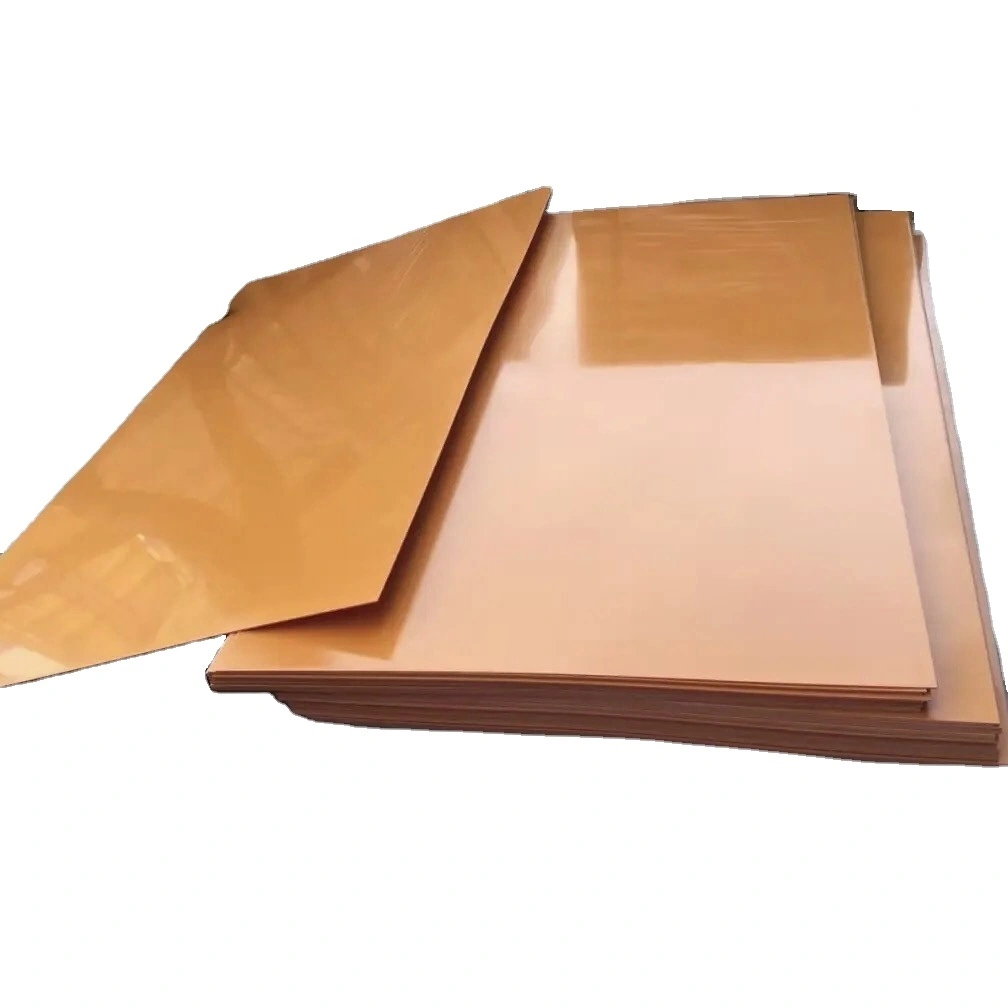
The first step in making phenolic paper laminates is for phenol and formaldehyde to react by condensing in industrial reactors under controlled heat and pressure. This chemical process makes phenol formaldehyde glue, which hardens into a three-dimensional network of molecules that can't be melted back together. This is what makes thermoset materials unique. Then, manufacturers soak layers of cellulose paper or fabric in this resin and stack them between metal plates in hydraulic presses that use precise temperature and pressure profiles to harden the composite into sheets.
Core Material Properties That Define Performance
The laminate that was made has qualities that solve important technical problems in electrical systems. Dielectric strength is usually between 12 and 20 kV/mm, and it protects against electrical leaks in high-voltage areas where safety is at risk. It is thermally stable up to 120°C, which means it keeps its shape at temperatures where flexible materials would soften or bend. The mechanical strength-to-weight ratio makes it useful for structural uses, and the fact that it absorbs less than 1% of moisture means that its electrical properties stay stable in damp conditions.
CNC Machinability for Complex Geometries
Comparing Bakelite Sheets with Alternative Materials for Electrical Applications
Direct material comparisons that show performance trade-offs are helpful for procurement choices. When engineering teams know how phenolic laminates compare to other insulation materials, they can choose specifications that meet the needs of the application without going overboard or sacrificing important properties.
Material Performance Across Key Specifications
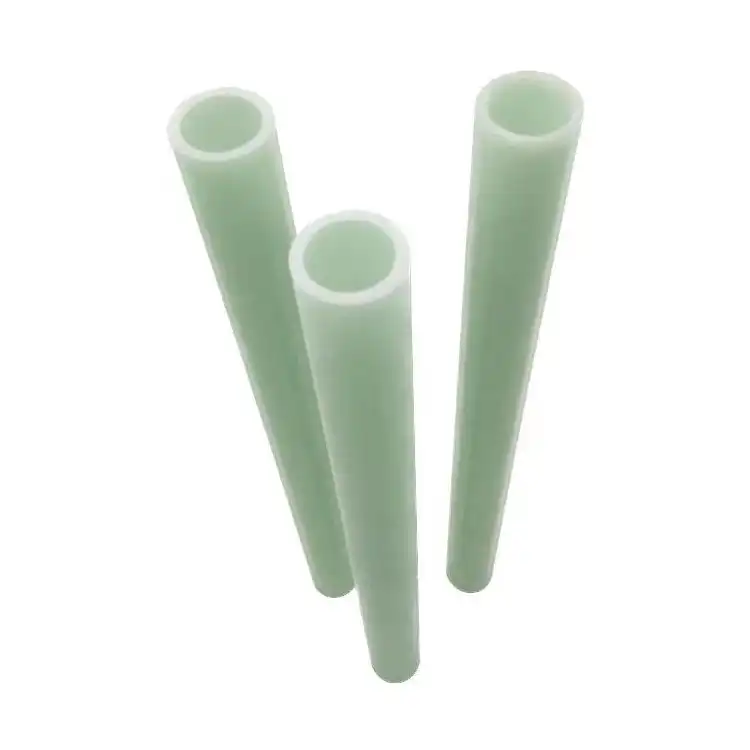
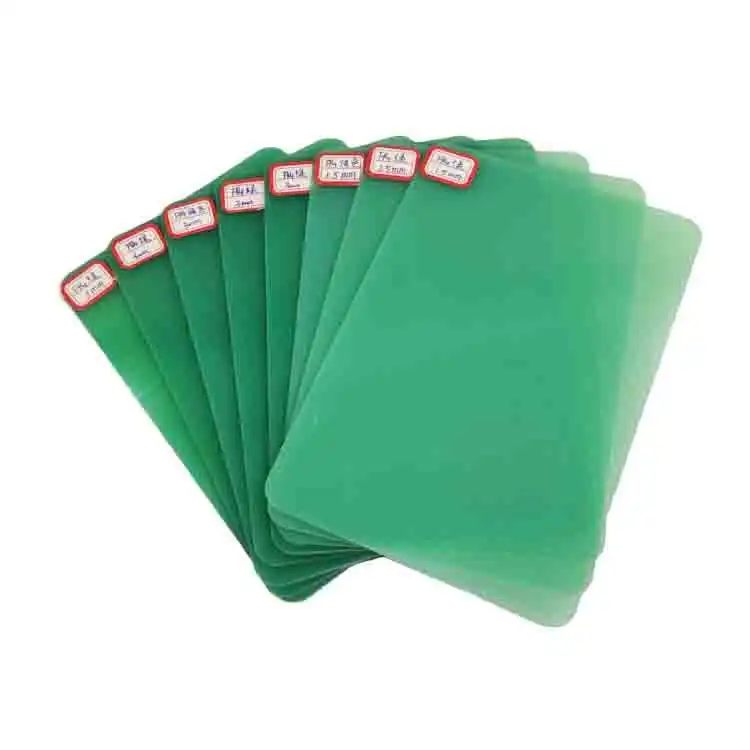
Fiberglass-reinforced epoxy laminates (FR4) are perfect for PCB substrates in electronic circuits because they have better electrical qualities and can work at higher temperatures. But they usually cost 40 to 60 percent more than phenolic options and are rigid, which makes them harder to machine. Epoxy glass sheets are very strong and don't absorb water well, but they need special tools to cut because the glass fibers are rough and wear down regular tools quickly.
Standard industry plastics, like PVC and acrylic, are cheaper to make, but they can't match the dielectric strength or thermal stability needed in power transfer equipment. These thermoplastics get soft at temperatures that phenolic laminates can handle easily. This means that they can't be used in motor housings or transformer assemblies. Chemical resistance is also very different. For example, phenolic laminates are resistant to most solvents, oils, and weak acids, but many plastics break down when they come in contact with industrial fluids.
Navigating Product Grades and Specifications
Manufacturers of phenolic laminate make different grades that are best for different types of applications. Grade X focuses on mechanical properties and has less resin, making it the strongest option for structural insulation parts and mechanical spacers. Grade XXX has more resin, which makes it better at insulating electricity and resisting moisture, which is important for damp places or outdoor electrical equipment. Grade L has qualities that are in the middle, making it good for general-purpose uses where choosing a material isn't based on how strong it is or how well it conducts electricity.
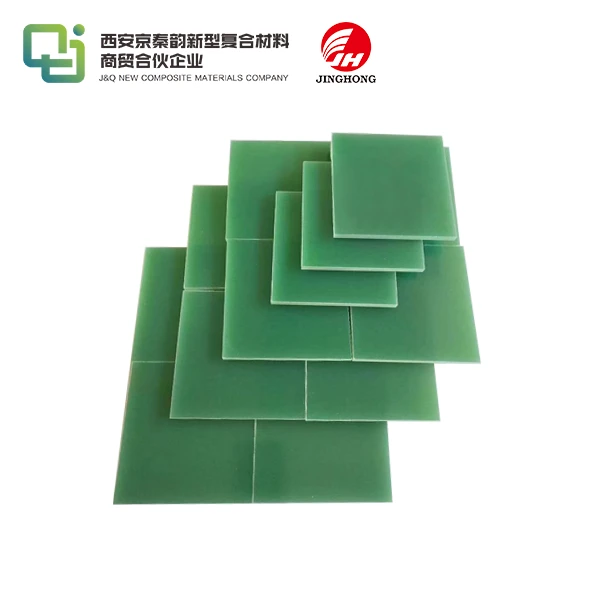
Sheet thicknesses are usually available between 0.5 mm and 100 mm, and common sizes can meet most industry needs. Different colors, like natural brown, black, and specialty colors, are used for more than just looks. For example, black grades often have carbon chemicals that change their electrical qualities for certain uses.
Procurement Guide: How to Buy Bakelite Sheets for Precision Electrical Components
Establishing Supplier Evaluation Criteria
To have good relationships with suppliers, you need to do more than just compare prices. We suggest that when you look at possible partners, you look at their certifications that show how mature their quality system is. For example, ISO 9001 certifications show that the manufacturing process is safe, UL recognition shows that electrical safety rules are followed, and RoHS certification shows that environmental rules are followed. Suppliers with these licenses usually have quality control systems that lower batch differences, which has a direct effect on your manufacturing yield rates.
When looking for sources to make ongoing parts, production capacity and lead time dependability become very important. For companies that require reliable Bakelite Sheet materials, manufacturers with strong production capabilities can provide more stable supply and consistent quality. When customers ask for custom sizes, manufacturers with dedicated phenolic laminate lines can usually meet their Bakelite Sheet requirements and turn around orders faster than distributors who get their materials from outside sources. Different suppliers also offer different levels of technical support for Bakelite Sheet applications. Being able to talk to material engineers who understand your application needs can help you avoid expensive specification mistakes, select the right Bakelite Sheet grade, and speed up the product development process. Choosing an experienced Bakelite Sheet supplier also helps ensure long-term availability, customized solutions, and dependable performance for ongoing manufacturing projects.
Understanding Pricing Structures and Cost Drivers
Material grade has a big effect on unit price. Because they use more raw materials and take longer to cure, high-resin grades have higher prices. Tiered pricing systems are usually unlocked by volume agreements, but minimum order quantities can change depending on how the seller schedules production and manages inventory. Requests for custom sizes may come with setup fees or minimum order quantities that raise the total cost of purchase, especially for widths or grades that aren't standard.
When negotiating, it's important to think about both the unit price and the total cost of ownership. If you get just-in-time delivery, which lowers the cost of keeping supplies, or if expert support helps you set up your machine so that you waste less, a slightly higher material cost may be worth it. When it comes to total value, we've found that long-term partnerships where clear information about number forecasts lead to more value than transactional relationships where prices are set per unit.
Ensuring Batch Quality Consistency
Manufacturing processes that depend on insulation parts can't handle material variations that lead to differences in size or performance. Putting clear quality requirements in purchase agreements, like thickness tolerances, surface finish requirements, and flatness standards, makes acceptance criteria that can be measured and keeps your production schedules safe. By asking for sample batches before placing a large order, you can make sure that the supplier's capabilities match the needs of your application.
Why Bakelite Sheets Are the Preferred Choice for Precision Electrical Components
The fact that phenolic laminates are widely used in electrical manufacturing shows that they have benefits that directly address problems in the industry. Beyond the basic properties of the material, these benefits affect how well it is put together, how reliable it is, and how well it meets legal requirements throughout the duration of the product.
Technical Advantages Driving Material Selection
Strong electrical insulation is still the main reason why phenolic laminates are used in electrical systems. The chemical structure of the material stops current flow and keeps it stable over voltage ranges that would break down weaker insulators. This reliable dielectric performance keeps sensitive parts safe, stops arc flash hazards, and makes sure equipment is safe when there is a fault—all of which are important things to think about for switchgear assemblies and motor control panels.
When temperatures change during normal operation, the dimensional stability of Bakelite Sheet under thermal cycling helps maintain the accuracy of the assembly. When equipment heats up during use and cools down during quiet times, parts made from Bakelite Sheet that are cut to tight tolerances can keep their shape and structural integrity. This prevents components produced with materials that have high thermal expansion coefficients from binding or becoming misaligned. The stable performance of Bakelite Sheet is very helpful in applications where part contacts need to remain consistent, such as mechanical timer assemblies, precision mounting clamps, and layered insulation systems. Because of its reliable thermal resistance and dimensional control, Bakelite Sheet is widely used for precision components that require long-term operational stability under changing temperatures.
Chemical resistance makes things last longer in industrial settings where oils, coolants, and cleaning solvents would break down other materials. Phenolic laminates don't lose their mechanical qualities, swell, or soften when they come into contact with transformer oils, hydraulic fluids, and most industrial chemicals. This means that they keep their insulation performance over long service intervals.
Real-World Application Outcomes
Manufacturers of industrial machinery have found that switching from thermoplastic insulators to phenolic laminates in motor terminal boards makes the machines more reliable. The better temperature stability gets rid of deformation problems that used to make connections loosen and require more upkeep. Electrical panel builders say that field failures have gone down since they started using certified phenolic grades for phase barriers and bus bar supports. They say that this is because the grades have better performance due to consistent dielectric strength and flame resistance properties.
When auto parts manufacturers use phenolic laminates as battery pack insulation barriers, they can make them lighter than ceramic options while still meeting the needs for electrical isolation and heat management. Because sheet stock can be cut with a CNC machine, prototype development times are sped up. This lets designers make changes to the design without having to buy new tools like they would for compression-molded alternatives.
Conclusion
Phenolic laminates such as Bakelite Sheet have been shown to work well in electrical applications where material dependability directly affects product safety and operating life. The needs of modern electrical component manufacturing are met by Bakelite Sheet materials that provide excellent electrical insulation, thermal stability, mechanical strength, and easy machining performance. To achieve successful procurement, it is important to understand different material grades, build relationships with approved suppliers of Bakelite Sheet, and define the required properties for each application. When engineering teams evaluate insulation materials, they should consider not only the unit price of Bakelite Sheet but also the total cost of ownership. This is because consistent quality, reliable performance, and expert technical support for Bakelite Sheet are very important for improving manufacturing efficiency and ensuring that finished products operate safely and effectively.
FAQ
What certifications should we require from phenolic laminate suppliers?
UL certification shows that a product meets important electrical safety standards for use in North American markets. RoHS certification makes sure that there are no restricted substances, which is needed for export markets and supply chains that care about the environment. If a company has ISO 9001 certification, it means that their quality management systems are mature and reduce batch variability. We suggest that you make sure that the certifications are specific to the facilities that make phenolic laminate and not just corporate-level labels that might not cover activities that make materials.
How does sheet thickness impact electrical and mechanical performance?
Though thicker sheets are stronger and better at resisting voltage breakdown, they cost more and take longer to machine. Applications that need a high dielectric strength between wires at different potentials should use thicker materials. On the other hand, mounting clamps and spacers may be able to get by with thinner, less expensive materials. For most electrical panel uses, thicknesses between 3 mm and 6 mm are used to match the performance of the insulation with the economy of the material.
Can phenolic laminates accommodate custom dimensional requirements?
Most suppliers offer custom cutting services that send sheets in the right size for your purpose. This cuts down on the amount of machining you have to do and the waste of material. Custom widths might need a minimum order quantity to make dedicated production runs possible. We've worked well with makers who needed non-standard widths for automated assembly lines. This shows that when volume promises support customization investments, supplier freedom often goes beyond standard catalog options.
Partner with J&Q for Reliable Bakelite Sheet Supply
J&Q has been making phenolic laminates for more than 20 years and can meet all of your precision component needs. They have a lot of experience with the materials and can handle the whole supply chain. Our expert team works directly with engineering managers to make sure that the right grades and specs of materials are used for each job. This way, the best performance is achieved without having to pay extra for extra features. As a well-known supplier of Bakelite Sheet with relationships with both domestic and international original equipment manufacturers, we know how important it is to have consistent quality and on-time deliveries to keep production lines running smoothly.
Our combined logistics skills allow us to offer a real one-stop service, from choosing the materials to delivering them. This gets rid of the coordination problems that come up with supply chains that use more than one provider. Our procurement specialists are ready to make your sourcing process easier, whether you need to evaluate samples right away, get expert advice on replacing materials, or set up blanket purchase deals for ongoing production. Visit jhd-material.com or email info@jhd-material.com to talk to our team about how certified phenolic laminates can improve the reliability of your electrical components and the efficiency of your manufacturing process.
References
1. Richardson, M. & Williams, T. (2019). "Thermoset Composites in Electrical Engineering: Material Selection and Performance Optimization." Journal of Industrial Materials Science, 43(8), 2847-2863.
2. Chen, H. & Kumar, S. (2020). "Phenolic Resin Chemistry and Applications in Laminated Composites." Polymer Engineering Handbook, 5th Edition, Industrial Press.
3. National Electrical Manufacturers Association. (2021). "Standards Publication NEMA LI 1-2021: Industrial Laminated Thermosetting Products."
4. Anderson, K. (2018). "Comparative Analysis of Insulation Materials for High-Voltage Applications." IEEE Transactions on Dielectrics and Electrical Insulation, 25(3), 1124-1136.
5. Zhang, L., Martinez, R. & O'Brien, P. (2022). "CNC Machining Parameters for Phenolic Composites: Optimization for Surface Quality and Tool Life." Manufacturing Technology Today, 18(2), 45-58.
6. International Electrotechnical Commission. (2020). "IEC 60893-3: Specifications for Industrial Rigid Laminated Sheets Based on Thermosetting Resins for Electrical Purposes."