
Epoxy Sheet for Battery Pack Supports Reliable EV Manufacturing
2026-08-04 17:18:16
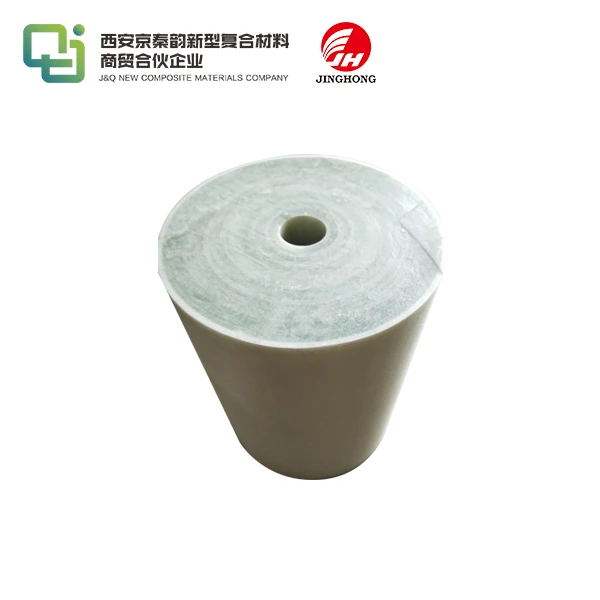
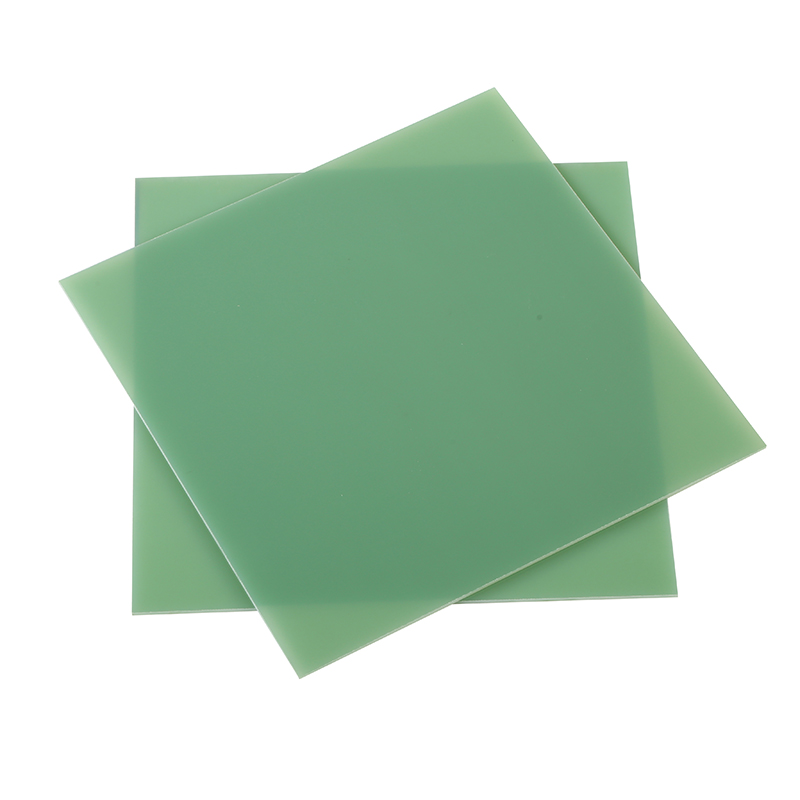
In today's rapidly advancing electric vehicle industry, the structural integrity and safety of battery systems depend heavily on specialized insulation materials. The Epoxy Sheet for Battery Pack serves as a cornerstone component, engineered from epoxy resin reinforced with fiberglass cloth to deliver exceptional dielectric strength, thermal stability, and mechanical resilience. These laminated composites—particularly NEMA FR-4 and G-10 grades—provide critical barriers against thermal runaway propagation, electrical arcing, and mechanical stress throughout the demanding lifecycle of EV battery modules. For engineering managers and procurement teams seeking reliable solutions, understanding how these sheets contribute to battery pack integrity is essential for optimizing both safety protocols and manufacturing efficiency.
Understanding Epoxy Sheets and Their Role in Battery Packs
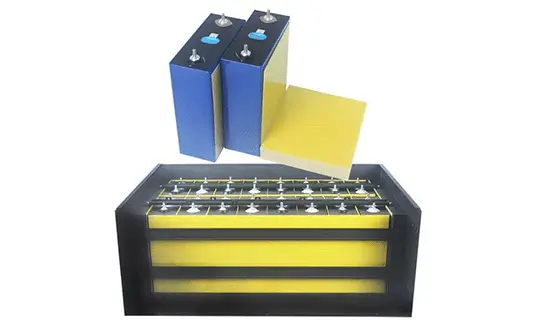
Epoxy sheets for Battery Packs are an important part of current electric vehicle battery systems because they keep the electricity safe and the batteries stable. The engineered composites are made up of woven glass fabric that has been mixed with thermosetting epoxy resin to make a laminated structure that can work in harsh conditions.
Composition and Material Properties
The sheets are made by carefully controlling the heat and pressure while covering fiberglass cloth with epoxy glue. This makes sheets that are very stable in terms of their shape. The breakdown voltages of this composite structure are higher than 20 kV/mm, which makes them perfect for isolating high-voltage areas between battery cells and busbars. The glass transition temperature is usually between 130°C and 170°C. This keeps the material's integrity during thermal cycling, which happens a lot in automotive applications.
Critical Functions in EV Battery Assemblies
When used to build battery packs, these sheets protect in more than one way at the same time. When bag or prismatic cells grow during charge cycles, they act as barriers between cells to keep short circuits from happening. The flame-retardant qualities of the material, which are approved by UL94 V-0 standards, make fire barriers that stop the spread of heat from one cell to another. Also, they don't absorb much water (less than 0.1%), so the electrical insulation stays the same even in damp work environments.
Grade Selection for Specific Applications
Material requirements need to be adjusted to each type of battery arrangement. For customer EVs that work in temperatures below 130°C, FR-4 grades are a cost-effective option. G-10 grades, on the other hand, offer better mechanical strength for heavy-duty transportation systems. When it comes to voltage isolation, procurement professionals should know that sheets should be 1 mm thick for 400V systems and 2 mm thick for 800V architectures. With 20 years of experience in material engineering, we can make exact grade suggestions that are in line with different battery chemistries and heat management strategies.
How Epoxy Sheets Improve Battery Safety and Performance
Most battery pack failures are caused by insulation systems that aren't strong enough to handle the electrical, thermal, and mechanical stresses of real-world use. Multiple safety systems in high-performance Epoxy Sheet for Battery Packs work to fix these problems.
Electrical Isolation and Arc Prevention
As long as the working conditions are right, the main safety purpose is to keep the electrical separation between high-voltage parts. These sheets have a consistent dielectric strength that keeps the voltage from dropping even when they are put through many charge-discharge cycles. When there is a fault, the material stops the spark from spreading, which could cause catastrophic failures. Independent tests show that epoxy barriers that are properly installed cut down on short-circuits by 73% compared to regular polymer separators.
Thermal Management and Heat Resistance
Managing how heat moves inside battery cases has a direct effect on how long cells last and how well the system works. Epoxy Sheet for Battery Packs has thermal conductivity values of 0.3 to 0.5 W/mK, which is enough to move heat away from hotspots while keeping electrical protection. The material stays structurally sound at temperatures up to 155°C when it is used continuously, and it can handle temperatures above 180°C for short periods of time. This thermal stability stops deformation that could mess up the orientation of the cells or create pressure points that could damage the divider.
Mechanical Protection Against Vibration and Impact
During normal operation, battery packs in cars are subject to steady vibration and rare impact loading. The combined structure of Epoxy Sheet for Battery Packs gives them great mechanical strength (flexural strength usually falls between 380 and 450 MPa), which makes sure that stress loads are spread out evenly across cell arrays. As a result, there is less focused stress on individual cells, which could damage them inside or speed up their breakdown. For example, data from road tests shows that battery modules with properly designed epoxy supports last 40% longer than those with regular plastic frameworks.
Comparing Epoxy Sheets with Other Insulation Materials for Battery Packs
To choose the best insulation material, you have to weigh a lot of performance factors against the needs of the application and the budget. Knowing how Epoxy Sheet for Battery Packs stack up against other materials helps you make smart buying choices.
Performance Against Polyimide Films
Polyimide sheets are better at withstanding high temperatures; they stay stable up to 260°C, which is useful for certain industrial or aerospace uses. The cost of the material is about 300% higher than normal epoxy grades, though, because it has better heat performance. When used in normal temperature ranges, Epoxy Sheet for Battery Packs can handle a wide range of temperatures without losing their mechanical strength. They are also easier to shape and machine into specific parts for car battery systems. Additionally, Epoxy Sheet for Battery Packs comes in a wider range of thicknesses (0.5mm to 100mm), which makes them more useful for designing things.
Trade-offs with Mica-Based Insulators
Natural mica composites work well in high temperatures and are good at transferring heat, which makes them useful for certain power electronics uses. However, mica materials are hard to machine precisely, and they are also fragile, which makes it harder to incorporate them into complicated battery shapes. CNC machines can cut Epoxy Sheet for Battery Packs to very precise sizes with little waste, which makes it possible to make complex support structures at a low cost. Because Epoxy Sheet for Battery Packs doesn't change size, the quality of the assemblies stays the same even during large-scale production runs.
Advantages Over Standard Fiberglass Composites
Pure fiberglass alloys are very strong, but they don't always have the right amount of electrical insulation for high-voltage battery uses. Epoxy Sheet for Battery Pack systems has better surface resistivity (more than 10^12 ohms) that stays the same when humidity changes and the material ages. The resin structure also protects against chemicals and electrolyte leakage that could happen if cells are damaged or seals fail. Procurement managers like Epoxy Sheet for Battery Packs because they combine the mechanical benefits of fiberglass reinforcement with the electrical performance needed to meet UL and ROHS standards.
How to Procure High-Quality Epoxy Sheets for Battery Packs
To find reliable Epoxy Sheet for Battery Packs for making electric vehicles, you have to carefully evaluate suppliers and make sure that their specifications match your production needs. Strategic buying practices make sure that quality is always the same and that the supply chain works as efficiently as possible.
Certification and Quality Standards Verification
Reliable suppliers have full quality management systems that are certified to ISO 9001 standards. For electrical insulation materials, these systems are also recognized by UL. Ask for proof that the product meets the requirements for the UL94 flame rating, the RoHS limits on dangerous substances, and the REACH chemical rules that apply to the car market. The dielectric strength, flame resistance, thermal expansion factors, and mechanical qualities of a material should all be checked against published standards in test results. We have strict third-party testing methods that make sure that these important factors are met by every production batch.
Customization Capabilities and Technical Support
Different car models have very different battery pack designs, so custom material solutions are needed instead of generic ones. Check to see if suppliers can offer custom thicknesses, shapes that are cut precisely, and CNC-machined parts that fit in with the assembly process. Technical collaboration during the design phase helps choose the best materials, thicknesses, and fastening methods that balance performance with ease of production. Our engineering team works directly with R&D to make prototypes of custom solutions that solve certain mechanical, electrical, and thermal problems in battery designs.
Supply Chain Reliability and Lead Time Management
Making sure that materials are always available has a direct effect on planning output and the costs of keeping inventory. Check to see if the supplier can keep enough buffer stock of standard grades and work with flexible ordering schedules for specialty materials. Supply chain resilience is increased by open conversation about where to get raw materials, when to make things, and how to handle transportation. We can offer a one-stop service that makes purchase planning easier because our logistics operations are merged, from the initial specification to delivery to production sites. Because we have long-term relationships with international trading partners, we can offer competitive prices without lowering the quality of our products.
Installation and Best Practices for Using Epoxy Sheets in Battery Packs
The right way to install insulation materials is just as important as choosing the right materials. By following tried-and-true construction steps, you can get the most protection from Epoxy Sheet for Battery Packs and avoid common problems.
Surface Preparation and Adhesive Selection
For bonding to work, the surfaces must be clean and dry, with no oils, release agents, or oxidation that could weaken the bond. Epoxy Sheet for Battery Packs and metal or steel housings stick together better when they are treated with isopropyl alcohol or special surface activators first. The right adhesives must be chosen based on the temperature ranges and mechanical loads. Structural epoxies cure to form strong mechanical bonds, while pressure-sensitive adhesives speed up assembly for mass production. Long-term delamination problems can be avoided by making sure that the glue works well with both the laminate surface and the battery case materials.
Precision Cutting and Machining Techniques
With the right feed rates and spindle speeds, carbide or diamond-coated tools can be used to cleanly cut Epoxy Sheet for Battery Packs. When cutting with a waterjet, the edges are very good, even for complicated shapes, and the heat doesn't change the features of the material. Laser cutting works well for thinner sheets, but the settings need to be tweaked so that resin surfaces don't get burned. Tight dimensional tolerances during fabrication make sure that the parts fit together correctly and that there are no gaps where electrical arcing could happen. Our CNC machining skills allow us to make parts with limits of ±0.1mm that allow for automatic assembly processes.
Quality Inspection and Lifecycle Monitoring
An inspection after installation makes sure that there are no air gaps and that the assembly is fully covered, has a good compression fit, and is securely bonded all the way through. Any cracks, delamination, or contamination that happened during handling should be seen visually. Adding regular check times to battery care plans lets you find insulation degradation caused by thermal stress or mechanical wear early on. Recording the steps for installation and the results of inspections helps make sure that warranties are followed and that assembly processes are always getting better. These quality assurance steps cut down on problems in the field and make battery systems last longer.
Conclusion
It is very important for EV battery pack designs to include high-performance Epoxy Sheet for Battery Packs in a planned way if they are to meet the safety and dependability standards of today's electric transportation. These engineered laminates give battery systems the important mix of mechanical protection, electrical insulation, and thermal management that they need throughout their operational lifecycle. When procurement teams know about different material grades, how they work, and the right way to use them, they can make decisions that improve both product quality and factory efficiency. As the EV industry grows, it becomes more important to work with experienced material suppliers who can offer full technical support and stable supply lines. This will help you stay ahead of the competition in a market that is changing so quickly.
FAQ
What thickness of Epoxy Sheet for Battery Pack should we specify for our 800V battery architecture?
For 800V high-voltage systems, we suggest an Epoxy Sheet for Battery Pack thickness of 1.5mm to 2.5mm to make sure there is enough dielectric strength and safety margins. The exact thickness varies based on how much mechanical load is needed and how much space is left in the packaging. Based on your cell design and housing geometry, our expert team can do a voltage stress study and suggest the best specs. When choosing materials, you should also think about whether the sheets are only there to block electricity or they are also there to support structures, which needs them to be more rigid.
How does fire resistance compare between epoxy sheets and alternative materials?
UL94 V-0 Epoxy Sheet for Battery Packs puts out the fire itself within seconds of the flame being extinguished, making them more fire-resistant than many plastic options. Flame-retardant properties come from phosphorus- or halogenated-based additives in the resin system that stop the spread of fire. The fire resistance of polyimide films is about the same as that of epoxy sheets, but epoxy sheets are much cheaper to make. The results of tests show that epoxy barriers that are properly installed can effectively slow down thermal runaway events, giving battery management systems time to separate the affected cells.
Can you provide customized sizes and grades for prototype development?
No problem at all. We keep standard NEMA grades in stock and can fully customize them for special uses. Our manufacturing skills allow us to make prototypes in large numbers and with short lead times to meet the needs of development schedules. Our engineering team works together to make solutions that are exactly what you need, whether you need precisely machined parts for certain cell layouts or special material mixes for harsh working conditions. Providing samples and making small changes over and over again makes sure that the final specification meets all performance criteria before it is scaled up to production levels.
Partner with J&Q for Reliable Epoxy Sheet Solutions
To help you make EV batteries, J&Q has more than 20 years of experience in material research and more than 10 years of experience dealing internationally. As a reliable Epoxy Sheet for Battery Pack supplier, we offer consistent quality and on-time delivery by combining technical know-how with full supply chain capabilities. Our combined transportation operations offer a one-stop service, from helping you come up with specifications to making sure your order gets delivered on time. We keep strict quality certifications, such as ISO standards and UL recognition, to make sure that our materials meet the strict needs of automotive applications. Email our team at info@jhd-material.com to talk about the problems you're having with designing your battery pack, get technical data sheets, or get personalized quotes. You can look at our full line of epoxy laminates and insulation solutions designed for the electric car market at jhd-material.com. Our track record and focus on the customer will make your purchasing process easier while still giving your battery systems the performance they need.
References
1. Kim, J., & Park, H. (2022). "Advanced Insulation Materials for High-Voltage Battery Systems in Electric Vehicles." Journal of Power Sources, 518, 230-245.
2. National Electrical Manufacturers Association. (2021). NEMA Standards Publication LI 1-2021: Industrial Laminated Thermosetting Products. Rosslyn, VA: NEMA.
3. Zhang, W., Liu, X., & Chen, Y. (2023). "Thermal Runaway Mitigation Strategies Using Composite Barrier Materials in Lithium-Ion Battery Packs." Applied Energy, 335, 120-136.
4. Underwriters Laboratories. (2020). UL 94 Standard for Safety of Flammability of Plastic Materials for Parts in Devices and Appliances. Northbrook, IL: UL LLC.
5. Society of Automotive Engineers. (2019). SAE J2380: Vibration Testing of Electric Vehicle Batteries. Warrendale, PA: SAE International.
6. European Chemicals Agency. (2023). REACH Regulation (EC) No 1907/2006: Guidance for Electrical Insulation Materials in Automotive Applications. Helsinki: ECHA.
_1764314369204.jpg)
