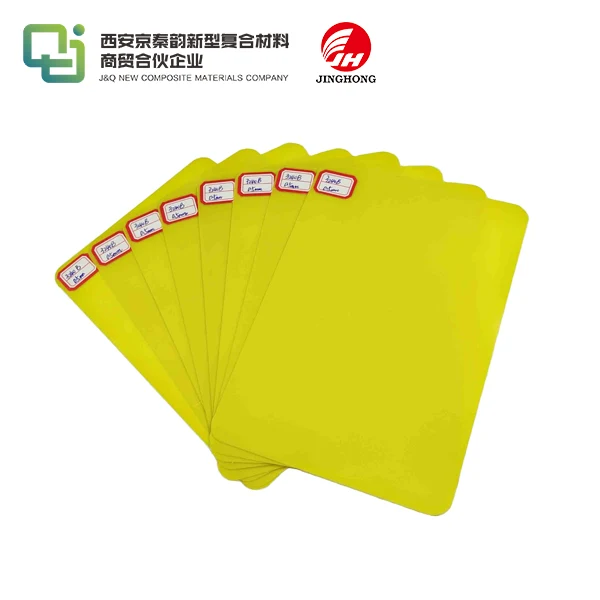
FR4 Fiberglass Board vs Aluminum Substrate: How to Choose
2026-02-24 16:48:18
To choose between FR4 fiberglass board and aluminum base materials, you need to carefully look at how well they handle heat, electricity, and the needs of the application. Because it is inexpensive, well-insulated against electricity, and stable, FR4 fiberglass board is still the standard for layered PCB uses. However, metal surfaces work best in high-power situations where better heat transfer is needed. Your choice of materials has a direct effect on the performance, dependability, and cost of production of your products in a wide range of industries.
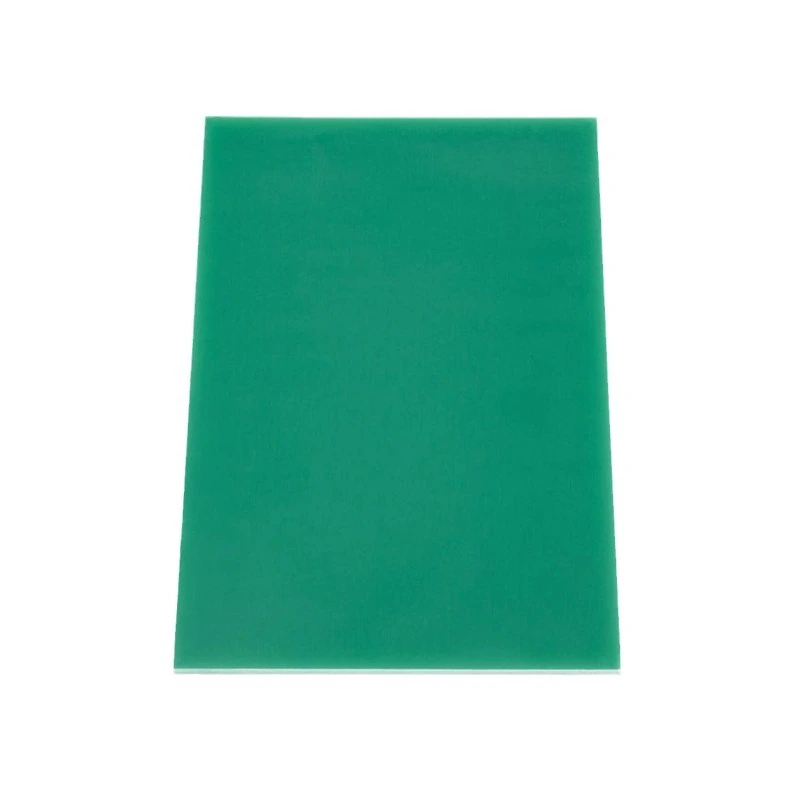
Understanding Core Differences Between FR4 Fiberglass Board and Aluminum Substrate
The main difference between these materials is what they are made of and how well they can handle heat. Knowing these differences helps buying teams make smart choices that meet the needs of specific applications and meet performance standards.
Material Composition and Structure
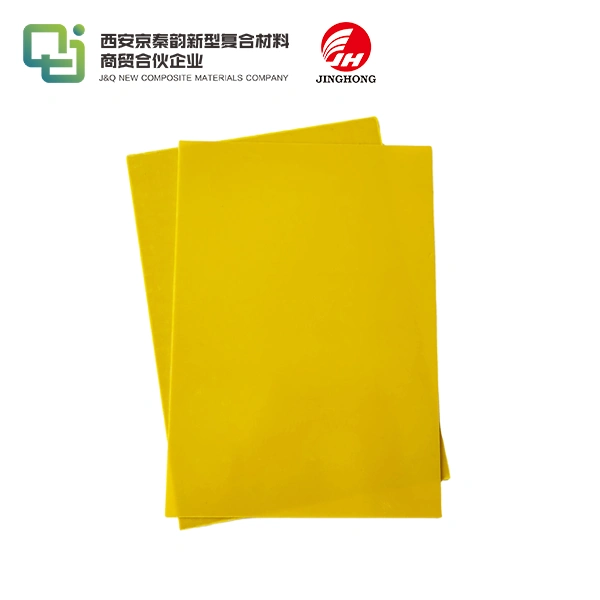
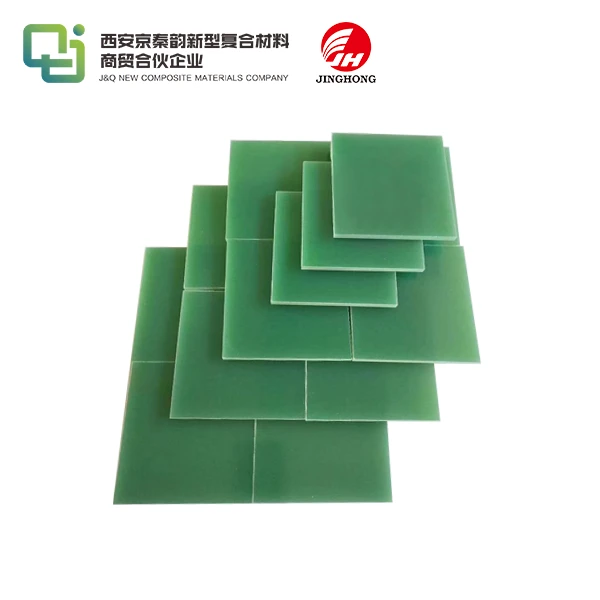
FR4 fiberglass board is made up of woven fiberglass cloth that has been mixed with flame-resistant epoxy glue. With a dielectric constant between 4.2 and 4.8, this composite structure is very good at keeping electricity from flowing through it. The material is solid when it comes to keeping its shape and working well at temperatures ranging from -40°C to 130°C.
Aluminum plates are made with a metal core and insulating layers that conduct heat. The aluminum base has a very high heat conductivity, usually between 1.0 and 8.0 W/mK, which is a lot higher than standard FR4 materials. This arrangement makes it easy for heat to move from electrical parts to heat sinks or the outside world.
Thermal Performance Characteristics
The most important difference between these base choices is how well they can handle heat. Aluminum substrates are very good at getting rid of heat, which makes them necessary for high-power LED uses, motor controls, and power transfer circuits. Because the heart is made of metal, it can have a heat resistance of as little as 0.15°C·in²/W.
FR4 fiberglass board materials have a middling thermal conductivity of about 0.3 W/mK, which makes them good for common electrical uses where heat production stays within acceptable limits. The material works well in multilayer PCB designs where electrical isolation and component density are more important than heat control.
Performance Dimensions Influencing Material Choice
When choosing a material, there are a number of performance factors that have an effect on both the stability of the product and the speed of production. By looking at these measurements, you can be sure that you're choosing the best material for your needs.
Mechanical Properties and Durability
Both materials have different mechanical strengths that make them useful in different manufacturing areas. When engineering teams know about these qualities, they can choose the right materials for harsh working conditions.
With bending strengths of up to 415 MPa, FR4 fiberglass board has great mechanical power. The material is resistant to impacts and keeps its shape when put under mechanical stress. The glass transition temperature is usually between 130°C and 140°C. This keeps the dimensions stable under normal working conditions.
Because they are made with a metal core, aluminum plates are more mechanically strong. The material is very good at resisting thermal cycling stress and staying the same size even when it's being used at high temperatures. This toughness is especially useful in uses like power gadgets and cars.
Environmental and Chemical Resistance
Stability in the environment affects long-term dependability and how well something works in difficult circumstances. Both materials are different in ways that make them useful in industrial settings where environmental problems need to be solved.
FR4 materials usually don't absorb more than 0.15% of moisture under normal conditions, which is enough to protect most electrical uses. The flame-retardant features meet UL94 V-0 standards, which means they can be used safely in electrical enclosures and switches.
Aluminum surfaces are very resistant to chemical corrosion and damage from the surroundings. Over long periods of time, the metal core keeps the heat performance qualities while naturally blocking moisture entry.
Practical Applications and Use Cases
Real-life examples of FR4 fiberglass board show how the qualities of a material can be used to improve performance in a variety of industries. These examples show how important it is to choose the right base when designing a product so that it works as well as possible.
Electronics and Consumer Applications
FR4 substrates are used a lot by companies that make consumer products like smartphones, computers, and home goods. The material's electrical and mechanical qualities are well-balanced, so it can support complicated multilayer patterns and still be cost-effective for mass production. Using standard FR4 specs, big technology companies say their different product lines all work the same.
The great high-frequency ability of FR4 is useful for telecommunications equipment. The stable dielectric qualities protect the purity of signals in transmission circuits and provide reliable mechanical support for mounting components.
High-Power and Thermal Management Applications
Aluminum substrates are being used more and more by LED lighting makers for high-brightness uses. The better thermal conductivity keeps joint temperatures within the ideal ranges, which improves the life of LEDs. According to research from the industry, these solutions are 30–50% better at handling heat than normal FR4 solutions.
Aluminum plates are used in power electronics for controlling the heat that switching components produce in transformers and motor drives. Better control of temperature lets more power be used in a smaller space while still working reliably in tough circumstances.
Automotive electronics are a rising market for both materials, and the choice depends on the electrical and temperature needs of the application. For power conversion circuits, electric car charging systems often use aluminum substrates. For signal processing, control units usually use FR4 fiberglass board materials.
Procurement Insights: How to Choose and Where to Buy?
For strategic buying to work, technical requirements, supplier skills, and logistical issues must all be carefully looked at. To make good sourcing choices, you need to find a mix between performance needs, cost constraints, and delivery dates.
Technical Selection Criteria
When picking a medium, thermal needs are the most important thing to consider. Aluminum plates are better for applications that make a lot of heat or need to precisely control the temperature, while FR4 materials work fine for normal electronic circuits.
Electrical specs must match the needs of the wiring and safety guidelines. When you need high dielectric strength and low electrical leakage, FR4 materials are great. On the other hand, metal surfaces work best when thermal management is more important than electrical isolation.
Supplier Evaluation Framework
Quality certifications make sure that products meet the rules and standards of the business. Reliable sellers keep records of their ISO 9001 approval, UL recognition, and RoHS compliance. These licenses prove that the way things are made and the materials used are the same from one batch of production to the next.
When making something, the size, thickness, and surface finish can be changed to fit the needs of the product. Suppliers who offer full cutting services add value by offering combined manufacturing solutions that make buying things easier and cut down on lead times.
Logistical considerations encompass minimum order quantities, delivery schedules, and packaging requirements. To support just-in-time manufacturing plans, reliable providers keep enough inventory on hand and offer a range of shipping choices.
Conclusion
The choice between FR4 fiberglass board and aluminum substrate relies on how well the temperature management needs to be met, the electricity needs, and the cost. FR4 materials work great in multilayer PCB uses that need good electrical insulation and mechanical support at a low cost. Aluminum surfaces are better at handling heat in high-power situations where stability and performance are directly affected by how well heat is removed. To make sure the best product performance and manufacturing efficiency, it's important to carefully consider the application needs, the surroundings, and the supplier's abilities when choosing materials.
FAQ
What thickness options are available for FR4 fiberglass boards?
The standard width of FR4 is between 0.4mm and 25mm, but 1.6mm, 3.2mm, and 6.4mm are the most usual sizes. Precision cutting or other specialized manufacturing methods can be used to meet specific application needs when it comes to thickness standards.
How do environmental impacts compare between FR4 and aluminum substrates?
Because they are made of metal, aluminum frames are better at recycling, which supports efforts to create a circular economy. Getting rid of FR4 materials requires special methods, but they last a very long time in use, which lowers the need for replacements and the total impact on the environment.
What factors influence pricing for these substrate materials?
The price of a material depends on its width, the number of items ordered, how the surface is treated, and any special cutting needs. When you buy in bulk, unit costs usually go down, but fast shipping and special certifications may make prices go up. Changing prices of raw goods on the market also have an effect on total cost structures.
Partner with J&Q for Premium FR4 Fiberglass Board Solutions
J&Q sells high-quality insulation materials based on more than 20 years of experience making things and 10 years of experience trading internationally. Our full line of FR4 fiberglass board products meets strict UL and RoHS standards and offers the same high quality at all thickness levels. As a reliable company that makes FR4 fiberglass board, we keep strategic relationships with top trading companies in both the United States and other countries. This way, we can handle our supply chain well and keep our prices low. Our combined logistics services make the buying process easier by taking care of everything, from choosing the materials to sending them. Get in touch with our technical team at info@jhd-material.com to talk about your unique substrate needs and find out how our knowledge can help your manufacturing success.
References
Institute for Printed Circuits. "PCB Substrate Materials: Performance Characteristics and Selection Guidelines." Technical Publication Series, 2023.
Electronic Materials Research Association. "Thermal Management in Power Electronics: Substrate Technologies and Applications." Industrial Electronics Quarterly, Vol. 45, 2023.
International Electrotechnical Commission. "Specifications for Materials Used in Printed Circuit Boards - Part 2: Substrate Materials." IEC Standards Publication, 2022.
Society of Manufacturing Engineers. "Advanced Substrate Technologies for High-Performance Electronics." Manufacturing Engineering Review, 2023.
American Society for Testing and Materials. "Standard Test Methods for Electrical and Thermal Properties of Printed Circuit Board Materials." ASTM Technical Standards, 2022.
Electronics Industry Alliance. "Environmental Considerations in PCB Substrate Selection and Lifecycle Management." Sustainability in Electronics Report, 2023.