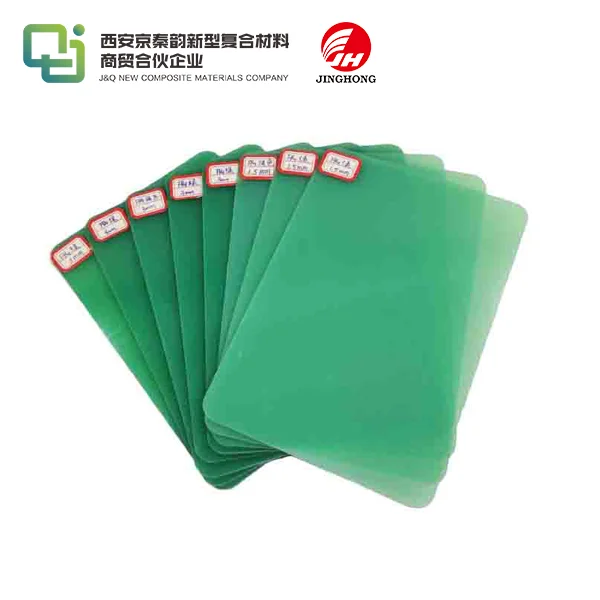
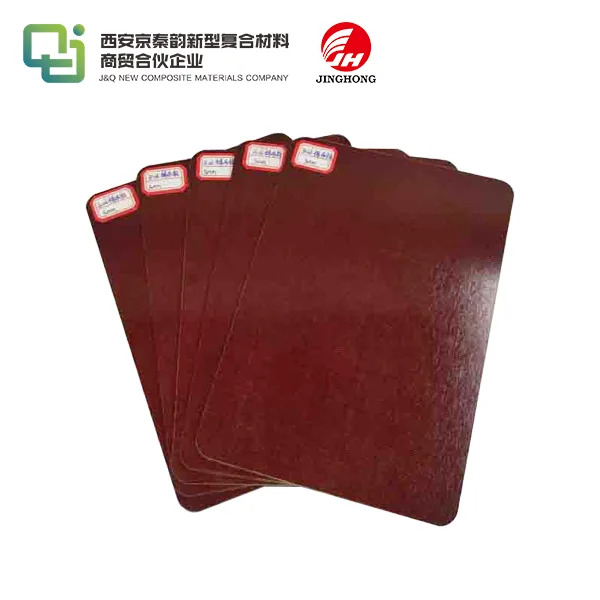
How to Choose Zero-Cut 3240 Epoxy Board?
2026-02-24 16:48:17
When choosing zero-cut 3240 epoxy board for commercial use, pay attention to important technical details like dielectric strength, thermal resistance ratings, and dimensional accuracy limits. The 3240 epoxy board is great at keeping electricity from flowing and can handle temperatures up to 155°C, which makes it perfect for tough electronic systems. Check the certifications of the seller, the consistency of the materials, and the ability to customize the boards to make sure they meet all of your exact technical needs. When making your final purchase choice, think about the different thickness options, whether it can be machined on a CNC machine, and whether it meets UL standards. This will help you get the best performance in electrical and electronics manufacturing.
Understanding Zero-Cut 3240 Epoxy Board - Core Specifications and Properties
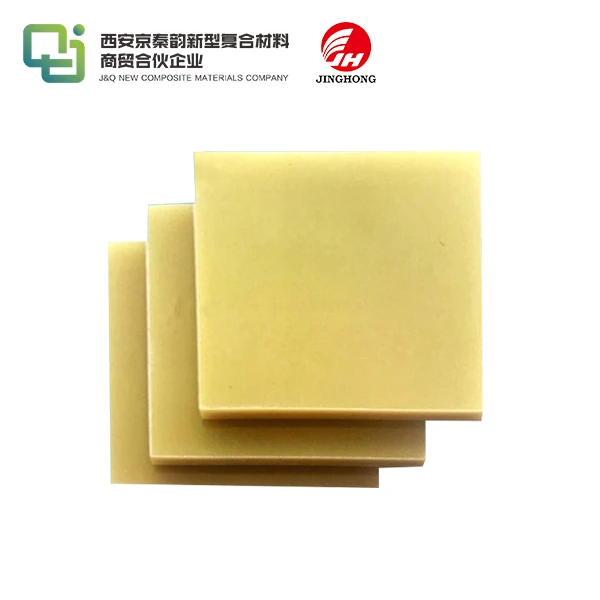
The 3240 epoxy board is a special layered material that was made for high-performance electrical protection uses in many different fields. This glass-epoxy hybrid base has great thermal stability and strong mechanical qualities, making it perfect for supporting complex electronic systems and industrial parts.
Technical Specifications and Material Composition
Traditional board production is changed by zero-cut technology, which uses precise cutting methods that get rid of waste materials and improves the accuracy of measurements. This advanced processing method makes sure that thickness tolerances stay within ±0.05mm, which is very important for electrical systems and motor parts that need to fit perfectly.
The material is made up of woven glass cloth that has been mixed with high-quality epoxy glue to give it great dielectric qualities. Standard requirements include a dielectric strength of 16–20 kV/mm, a volume resistivity of more than 10²⁴ ohm-cm, and a temperature conductivity of 0.3 to 0.4 W/m·K. Because of these qualities, epoxy laminate sheets work really well in high-frequency situations where electrical safety is very important.
Comparative Analysis with Alternative Materials
Buying teams can make better decisions when they know how 3240 boards stack up against other insulation materials. The analysis below shows clear benefits across a number of success measures.
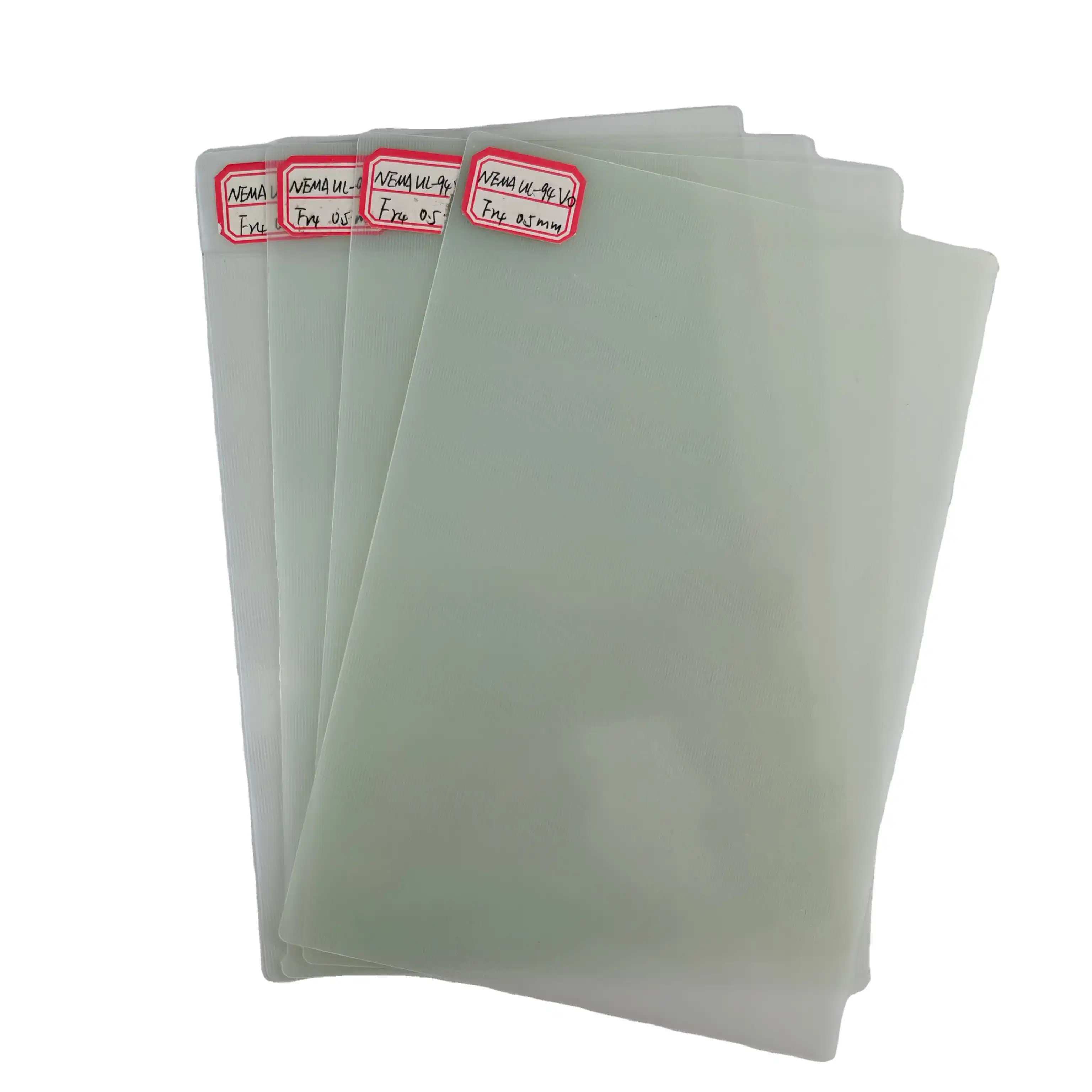
FR4 boards can keep things from catching fire, but they usually have less heat protection than 3240 materials. FR4 works well up to 130°C, but the 3240 epoxy board stays structurally sound at temperatures that never drop below 155°C. This temperature edge is very important for transformers and other equipment that moves electricity around, where heat dissipation problems need better material performance.
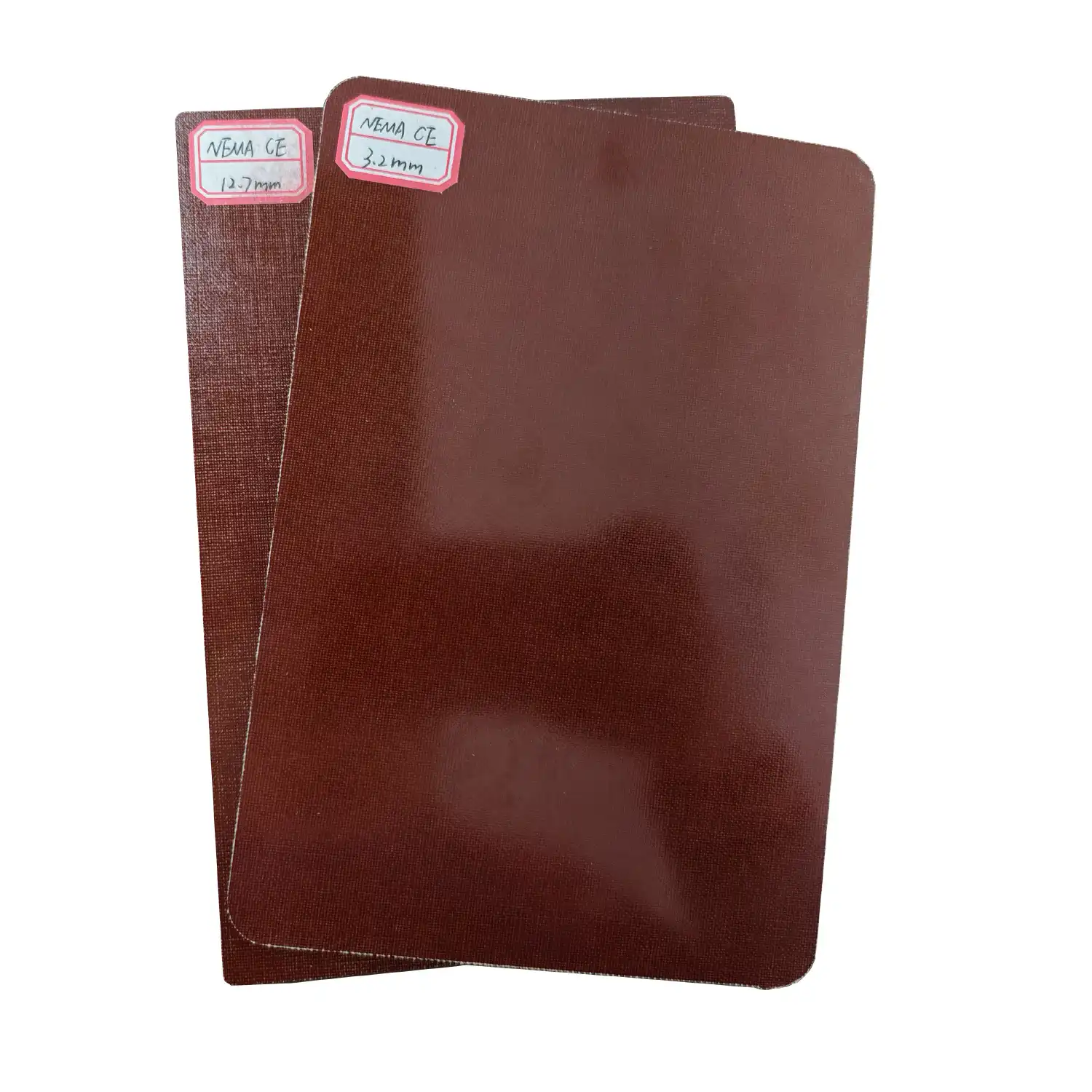
Phenolic cotton sheets are a cheap way to get basic insulation, but they don't stay the same size when used in precise uses compared to a 3240 epoxy board. It takes 0.15% of the 3240 material to absorb water, compared to 1.5% for phenolic options. This makes sure that the electrical properties stay the same in a variety of environmental situations.
Mechanical and Electrical Performance Characteristics
Flexural strength tests show that the material is very strong and durable when put under mechanical stress. Standards for testing show bending strengths of more than 380 MPa when viewed parallel to the direction of the glass weave and 280 MPa when viewed opposite to the direction of the weave. These qualities make it possible for industrial tools to work reliably in places where resistance to vibration and load-bearing ability are still important design factors.
According to ASTM D495 testing guidelines, electrical performance traits include spark resistance values that last longer than 180 seconds. Due to its high arc resistance, the material is perfect for use in switches and electrical distribution panels, where arc fault protection is necessary to keep things running safely.
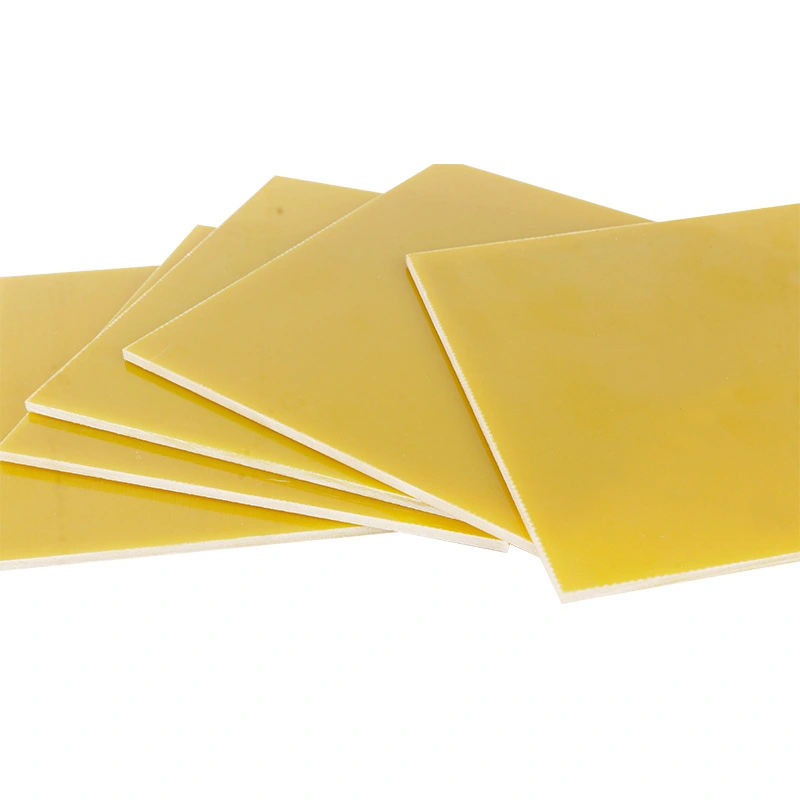
Why Choose Zero-Cut 3240 Epoxy Board? Benefits and Applications?
Precision engineering is built into zero-cut production processes, which has real benefits that affect both the quality of the product and the efficiency of the business. By knowing these benefits, engineering teams can choose materials in a way that improves the long-term success of the project.
Enhanced Precision and Manufacturing Efficiency
With zero-cut technology, the differences in size that are common with older cutting methods are gone. This accuracy means that parts fit together better and take less time to put together. This is especially helpful for automatic manufacturing processes that depend on parts being the same size.
Cutting down on material waste is another big benefit. Zero-cut processes can cut down on waste by 15-20% compared to traditional cutting methods. This improvement in efficiency lowers the overall cost of materials and supports green efforts that are important to makers who care about the environment.
Superior Performance in Demanding Environments
Because 3240 epoxy boards have great thermal qualities, they can work reliably in a wide range of temperatures. The material's ability to keep its dielectric strength during thermal cycling between -55°C and +155°C makes it useful in aircraft electronics. This makes sure that the material works well in a wide range of challenging operating conditions.
Chemical protection gives materials more benefits in industrial settings where they are constantly exposed to oils, solvents, and cleaning products. The epoxy matrix is very resistant to hydrocarbon-based fluids that are common in machinery and automobile uses. This means that the structure stays strong even after long service intervals.
Real-World Application Examples
Power plants use 3240 epoxy board a lot for transformer insulation systems where effective electrical isolation keeps breakdowns from being catastrophic. The material's temperature stability and insulating strength make it safe to use at high voltages while also dealing with the problems that come with high-power electrical equipment's need to get rid of heat.
Precision is useful for PCB support uses in electronics manufacturing, where accurate measurements affect the quality of the assembly. Zero-cut processing makes thickness limits that are always the same. This makes attaching components more reliable and improves the integrity of solder joints during large production runs.
The material's great machining properties make it useful for making motors because they let you make the complicated shapes needed for insulation walls and support structures. CNC processing makes it easy to make unique forms quickly while keeping tight control over dimensions that are necessary for motor assembly and performance.
How to Evaluate and Select the Right 3240 Epoxy Board Supplier?
Choices about which suppliers to use have a big effect on the quality of the materials, the dependability of delivery, and the long-term success of the project. Procurement teams use thorough review methods to find partners who can meet specific technical needs and provide consistent help throughout the lifecycle of a project.
Industry Certifications and Quality Systems
UL recognition is an important requirement for electrical shielding materials used in business settings. Verified UL approval makes sure that materials meet strict safety standards and keep the same level of quality across all production batches. ISO 9001 approval means that there are well-established quality control systems that support reliable ways of making things and keeping records.
As environmental laws spread around the world, RoHS compliance becomes more and more important. Suppliers who keep certified RoHS-compliant products in stock show they care about the environment and make sure that regulations are followed in all foreign markets.
Technical Capabilities and Customization Options
A supplier's ability to meet specific project needs is directly related to how well they can make things. Check the precision cutting tools, the ability to control the thickness, and the unique sizing choices to make sure they meet the needs of the application. Advanced CNC machining tools allow suppliers to provide complicated shapes while still meeting the needs for dimensional accuracy.
The testing methods that possible suppliers use show how committed they are to quality assurance. According to industry norms, thorough testing methods should include checking the dielectric strength, the thermal properties, and the mechanical strength.
Supply Chain Reliability and Support Services
Consistency in lead times for a 3240 epoxy board affects how production plans are made and how material is managed. Reliable sellers keep enough raw materials on hand and show that they can stick to regular production schedules that meet customer shipping needs. The ability to place an emergency order adds to the safety of important uses where lack of materials could delay production plans.
Having access to technical help makes the connection with the supplier better than just providing materials. Having access to application engineering knowledge, help choosing materials, and solving support is very helpful during the creation and production stages of a project.
Logistics prices and shipping options are affected by where goods can be sent. Strategic inventory locations by suppliers can mean faster reaction times and lower shipping costs. This is especially important for just-in-time manufacturing processes, where minimizing inventory is key to running efficiently.
Practical Guide on Procuring Zero-Cut 3240 Epoxy Board for Your Business
To make procurement work, you need to use organized methods that match technology needs with business needs. Structured buying processes make sure that the best materials are chosen and that good business terms and stable supply chain partnerships are reached.
Sample Evaluation and Testing Procedures
In the first sample request, you should be clear about the exact sizes you need, the finish you want on the surface, and any other processing needs. Before committing to bigger purchases, a full sample review helps confirm the qualities of the material and the supplier's abilities.
Important qualities like dielectric strength, thermal resistance, and dimensional correctness should be checked during testing. Work with the tech teams inside the company to come up with acceptance standards that meet the needs of the application and its performance requirements.
Negotiating Commercial Terms and Conditions
Structures that set prices based on volume often give big discounts for buying in bulk. When you know the minimum order amounts, price break levels, and payment terms, you can negotiate in a way that minimizes your total cost of ownership while still allowing for supply flexibility.
Custom sizes may come with extra costs for tools or longer lead times. Look at how custom requirements affect business compared to standard sizing choices to find the best ways to match performance needs with cost concerns.
Inventory Management and Supply Chain Optimization
Using strategic inventory methods can help you find a good mix between supply security and handling costs. You might want to set up blanket purchase orders with planned releases to make sure you have the materials you need while also reducing the amount of goods you need to buy and store.
Having ties with more than one qualified seller protects your supply chain against problems that might happen. Dual-sourcing methods make sure that materials are always available and keep prices low by competing with other suppliers.
Quality agreements make it clear what is expected of materials in terms of their qualities, how they must be tested, and how to fix problems. Clear quality agreements protect against major flaws and set the rules for ongoing improvement projects that strengthen relationships with suppliers over the long run.
Conclusion
To choose the best zero-cut 3240 epoxy board, you need to carefully look at the technical specs, the supplier's skills, and the cost. The material is perfect for challenging electrical and industrial uses because it has excellent thermal resistance, better dielectric qualities, and the ability to be manufactured precisely. To make buying go smoothly, you need to know the exact needs of the application, use thorough criteria to find qualified sellers, and use strategic sourcing methods that build trusting supply chain partnerships. Investing in good materials and dependable suppliers pays off in the long run by making products work better, lowering upkeep costs, and making operations more reliable in a wide range of industry settings.
FAQ
What thickness options are available for zero-cut 3240 epoxy boards?
Standard thickness ranges are usually between 0.5 mm and 50 mm, and 1.0 mm, 1.5 mm, 3.0 mm, 6.0 mm, and 10.0 mm are popular industrial widths. Custom thickness choices can be made to fit the needs of a particular application, but for non-standard specs, there may be a minimum order quantity.
How does zero-cut technology improve PCB manufacturing accuracy?
Zero-cut cutting gets rid of waste material and keeps limits for dimensions within ±0.05mm, which greatly improves the quality of fit and assembly. This level of accuracy cuts down on mistakes during production and makes it possible for automatic building processes that need parts to have the same size.
What are typical lead times for bulk orders?
Standard wait times for stock thickness materials are between 10 and 15 business days. For custom specs, it may take 20 to 25 business days, based on the handling needs. For important uses, rush order options may be possible with the right business arrangements.
Which industry certifications should I verify when selecting suppliers?
UL certification for electricity safety, ISO 9001 certification for quality management systems, and RoHS compliance for environmental standards are all important qualifications. In the car industry, extra licenses like IATF 16949 may be useful.
Can 3240 epoxy boards be machined using standard CNC equipment?
Yes, the material can be machined very well with carbide tools and the right cutting speeds and feed rates. Surface speeds of 200 to 300 feet per minute and sharp tools are some of the factors that should be used to get the best surface finish and measurement accuracy.
Partner with J&Q for Premium 3240 Epoxy Board Solutions
J&Q has been making insulating sheets for more than 20 years and has been dealing internationally for ten years. This gives them the skills to provide excellent 3240 epoxy board options. Our zero-cut processing allows us to precisely control the sizes of our products, and our thorough quality systems make sure that the properties of the materials are the same in every production batch. As a reliable 3240 epoxy board maker, we keep a large stockpile and offer customization services to meet the needs of each application. Our integrated logistics skills allow for quick and easy shipping around the world, and our expert support team helps with choosing the right materials and giving advice on how to use them. Email us at info@jhd-material.com to talk about your needs and get samples that show how committed we are to quality and accuracy.
References
Institute of Electrical and Electronics Engineers. "Electrical Insulation Materials: Properties and Applications in High-Temperature Environments." IEEE Transactions on Dielectrics and Electrical Insulation, 2023.
American Society for Testing and Materials. "Standard Test Methods for Electrical Insulating Materials: Thermal and Mechanical Property Evaluation." ASTM International Standards, 2024.
National Electrical Manufacturers Association. "Industrial Laminated Sheets: Specifications and Testing Protocols for Electrical Applications." NEMA Publication, 2023.
International Electrotechnical Commission. "Glass-Epoxy Composite Materials for Electrical Insulation: Performance Standards and Quality Requirements." IEC Technical Report, 2024.
Society of Plastics Engineers. "Advanced Composite Materials in Electrical Applications: Manufacturing Processes and Quality Control." SPE Technical Papers, 2023.
Electronics Industry Association. "PCB Substrate Materials: Comparative Analysis of Thermal and Electrical Properties." EIA Industry Guidelines, 2024.