Can Phenolic Cloth Board be Used as a Tea Table?
2026-02-24 16:48:20
The answer is yes, phenolic cloth board can be used to make a tea table. Because it is very durable, doesn't get damaged by heat, and doesn't absorb water, this designed composite material is perfect for use on tea tables. In contrast to wood or particle board, phenolic cloth board stays structurally sound even when it's exposed to hot drinks, steam, and everyday use. Its non-porous surface doesn't stain easily and doesn't need much upkeep. Its natural fire-resistance adds an extra layer of safety for furniture uses.
What Is Phenolic Cloth Board and Why Consider It for Furniture?
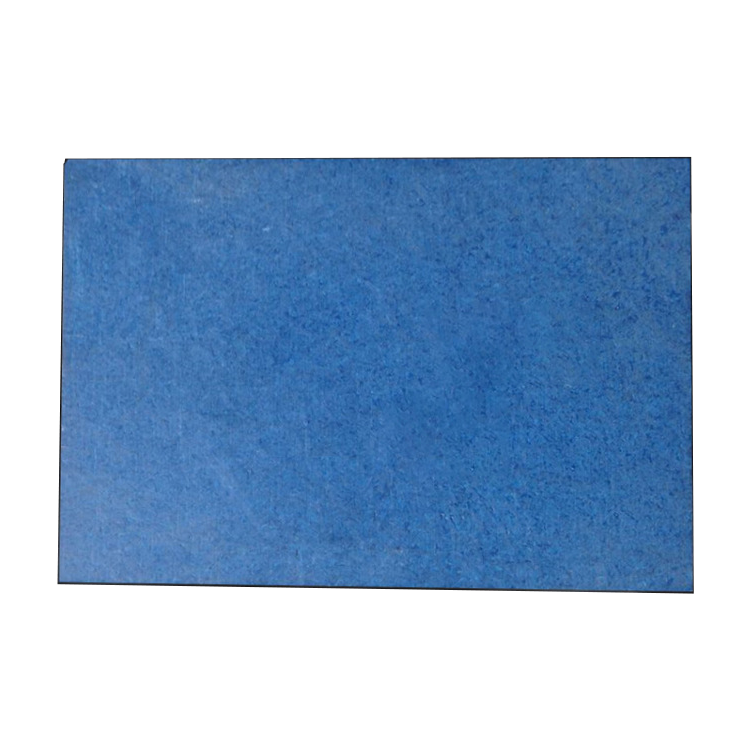
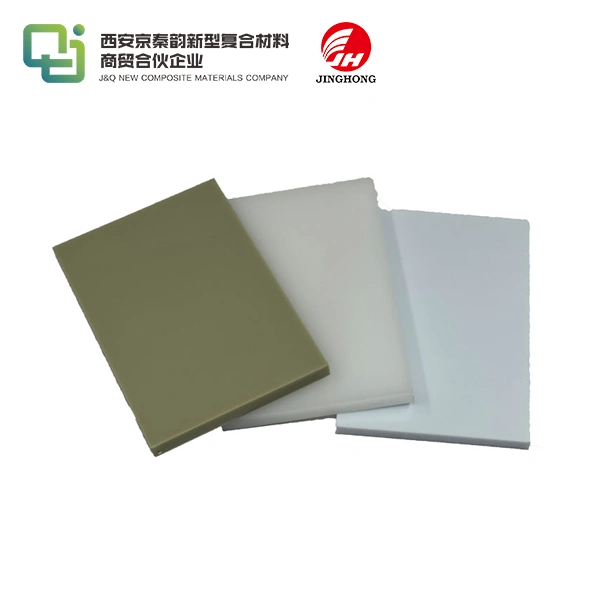
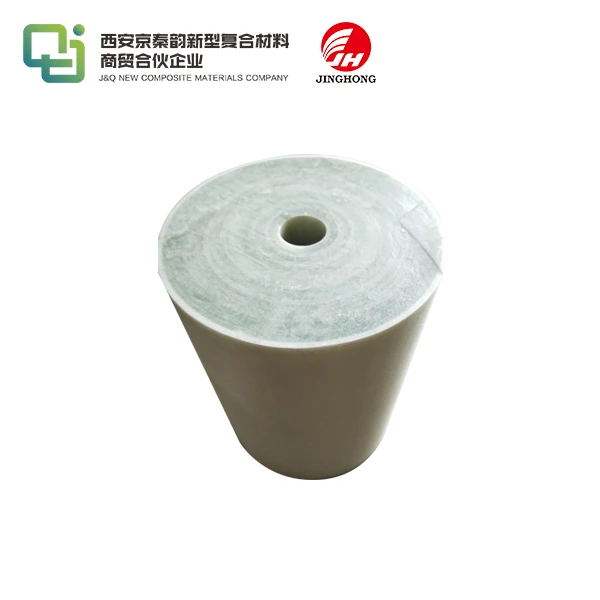
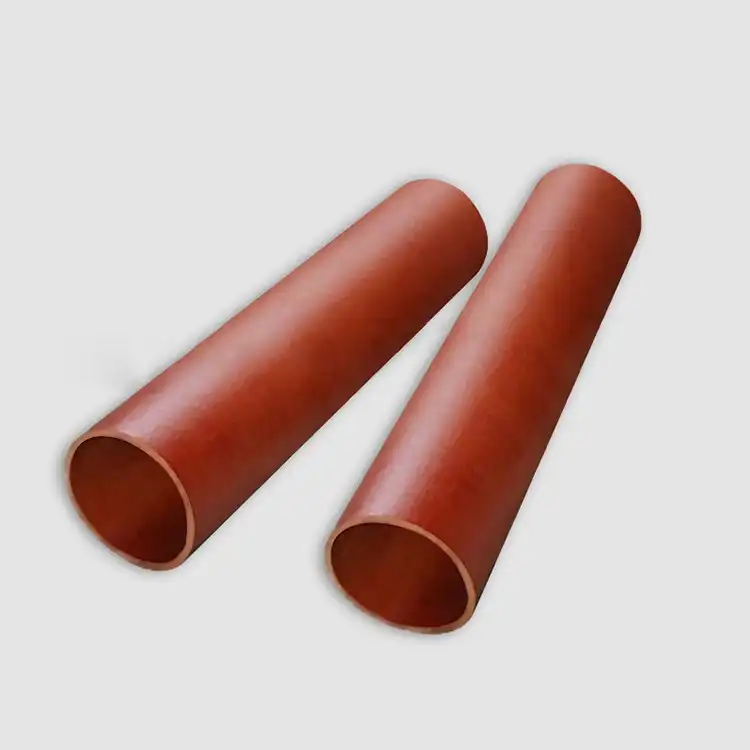
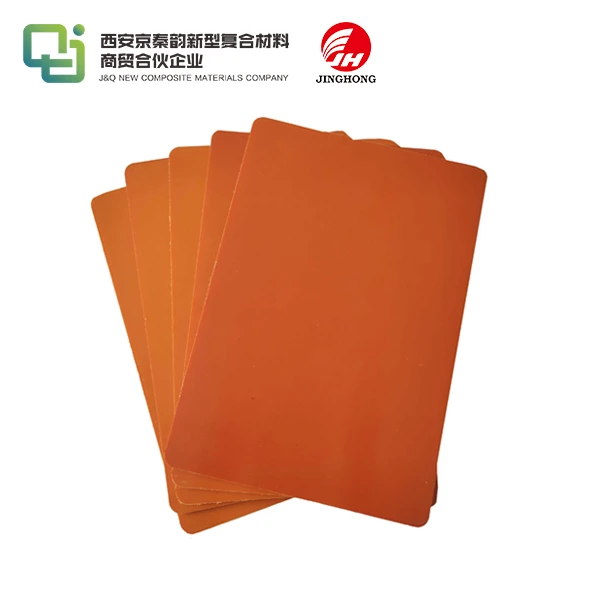
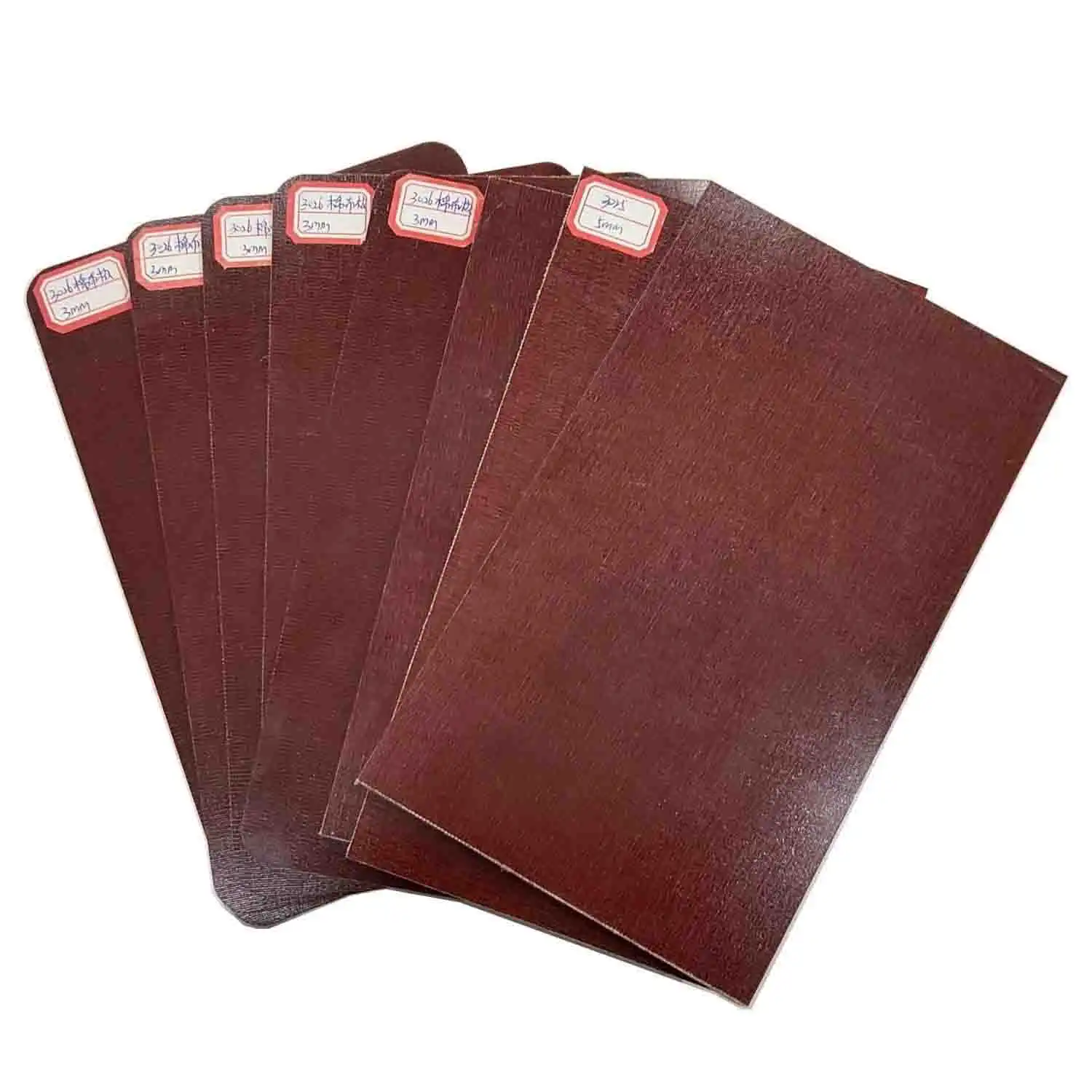
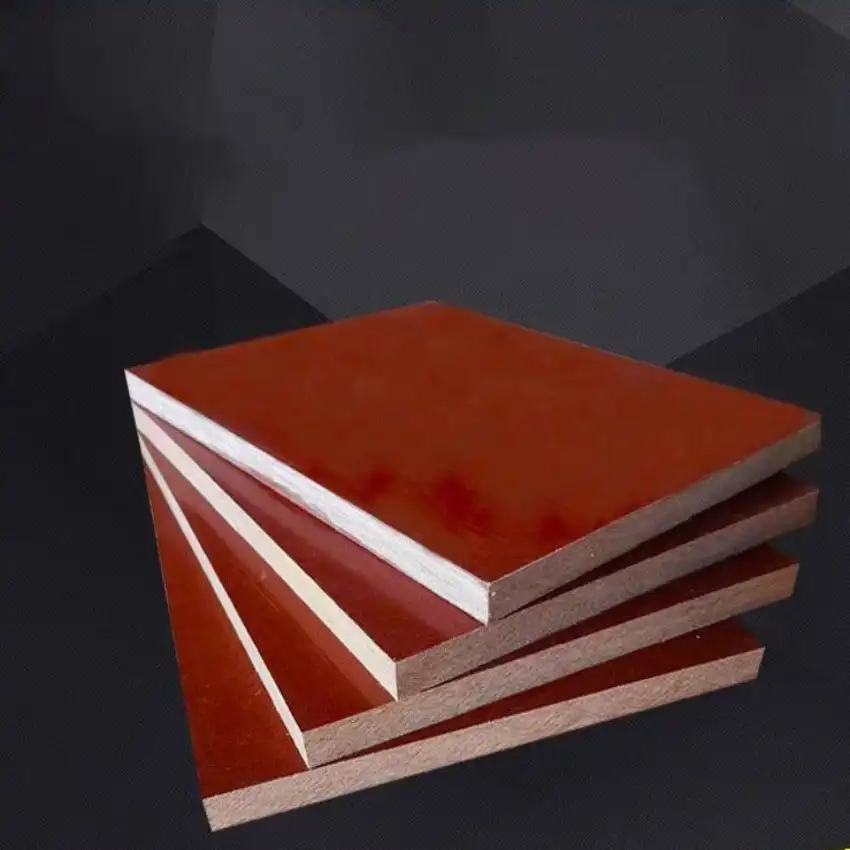
Using a complex manufacturing process that soaks fabric layers in phenolic resin and then presses them together under extreme heat and pressure, phenolic cloth board is a big step forward in manufactured materials. This process makes a thick, stable board with great resistance to both mechanical stress and weather damage.
Understanding the Manufacturing Process
The process of making phenolic cotton cloth board starts with carefully preparing and inspecting high-quality cotton fabric. The phenolic glue soaks into each layer, making a chemical bond that goes deep into the cloth fibers. The stacked materials are then put into hydraulic presses that have temperatures of up to 150°C and pressures of more than 1000 PSI. This makes a board that is all the same thickness and has the same features throughout.
Key Properties That Set It Apart
Because of the way it is made, phenolic fabric board has a lot of useful properties that make it stand out in furniture uses. It is much more resistant to collision and load-bearing stress than many other materials because it has such high mechanical strength. The moisture protection comes from the fully cured resin core, which blocks water from getting in and changes in humidity.
Another important benefit is that the phenolic resin naturally stops fires from starting and spreading. The material is also very good at keeping heat in, which keeps buildings below it from getting too hot and keeps the top stable when temperatures change.
Environmental and Sustainability Benefits
Modern phenolic cloth board laminate boards are much better for the environment than traditional furniture materials. When compared to alternatives that contain formaldehyde, such as some MDF goods, the manufacturing method usually results in lower emissions. Many phenolic boards can be recycled when they reach the end of their useful life. This supports the circular economy, which is important to buyers who care about the environment.
Durability also helps with sustainability by making products last longer and lowering the number of times they need to be replaced. These long-lasting qualities mean that less material is used over time. This makes phenolic cloth board a smart choice for businesses that care about the environment as well as performance.
Assessing Phenolic Cloth Board for Tea Table Applications
Tea tables have special problems that test the strength of materials in ways that regular furniture doesn't have to deal with very often. The heat from hot drinks, the water from spills and steam, and the wear and tear from daily use all work together to make tough conditions that quickly show where materials are weak.
Durability Under Daily Use Conditions
When put through the repeated stresses that happen in tea service settings, phenolic resin cloth board shows amazing durability. The material is scratch-resistant, so utensils, cups, and other service tools that are often used on the table won't damage the surface. This resistance to scratches keeps surfaces looking good and keeping them clean for long amounts of time.
When thinking about tea service uses, heat protection is especially important. While metal serving pieces and clay teapots can get hotter than 80°C, phenolic cloth board stays strong and its surface stays smooth, not twisting, cracking, or changing color. This heat stability makes sure that the product works the same way every time, no matter what temperature the drink is or how often it is served.
Safety and Insulation Properties
In both home and business tea service settings, the fire-resistant properties of phenolic cloth board give customers peace of mind. When some manufactured materials are heated, they can give off harmful fumes. But phenolic glue stays stable and safe under normal use conditions. The insulation qualities also keep people from getting too hot from the table surface, so they can stay comfy even when hot things are on top of it.
These safety features are especially helpful in places like restaurants, coffee shops, and break rooms at work. The material's ability to stop the spread of flames and keep its shape under stress makes it even safer in places with a lot of foot activity, where accidents may happen more often.
Customization Options for Aesthetic Appeal
In addition to its usefulness, phenolic cotton board can be changed in a lot of ways that let creators achieve specific aesthetic goals. There are different types of surface finishes, from smooth, shiny ones that go well with modern design themes to textured ones that make things more interesting to touch and make it easier to hold on to items.
Manufacturers offer unique color matching services for specific design needs, so you can choose colors that aren't just natural tones. The material can be finished in a number of ways, such as by edge banding, routing, and precise cutting, which makes it possible to make complex geometric forms and built-in features like cup holders or artistic patterns.
Phenolic Cloth Board vs. Other Materials: Which Is Best for Tea Tables?
To choose the right material for a tea table, you need to carefully look at a number of performance factors, lifecycle costs, and the needs of the specific application. Purchasing managers and artists can make better choices when they know how phenolic cloth board stacks up against other options.
Performance Comparison Analysis
Traditional hardwood usually costs less at first, but it needs to be protected and maintained regularly to be water-resistant enough. Plywood is made of several layers that can separate when it is exposed to repeated rounds of moisture. This can cause the edges to swell and the surface to become uneven, which is bad for both function and look.
Medium-density fiberboard (MDF) has smooth surfaces and is easy to work with, but it isn't naturally resistant to water, which is needed for tea table uses. To keep water damage from happening, MDF goods often need a lot of closing and finishing. This makes the manufacturing process more complicated and expensive, and it could also cause formaldehyde emissions problems.
Melamine-faced boards are pretty good at keeping out wetness and are easy to clean, but they aren't as good at keeping out heat as phenolic materials. The thin layer of melamine on the surface can chip or crack when hit, which can make it dirty or look bad and require expensive repairs or replacement.
Total Cost of Ownership Considerations
Phenolic cloth board usually has higher beginning material prices, but its performance qualities often make it more valuable over the course of a product's entire lifespan. Because they don't need as much upkeep, they don't cost as much to refinish or fix as traditional products do over time.
This advantage of longevity is especially helpful in commercial settings, where less frequent replacing means less downtime for business operations and consistent customer experiences. When restaurant companies and hotel sites used phenolic surfaces instead of other options, they saved a lot of money over five years, as shown in case studies.
Real-World Performance Data
Testing labs have shown that phenolic cloth board materials work better under settings that speed up the age process and make it feel like years of normal use. Heat cycle tests between room temperature and 100°C show that the dimensions don't change much compared to wood-based options, which warp a lot.
Moisture resistance testing shows that phenolic cloth board can keep its shape through many wet-dry cycles that would destroy wood goods that aren't protected. When used in the real world, these performance benefits directly lead to better service life and happier customers.
Purchasing Phenolic Cloth Board: What B2B Clients Need to Know?
To buy phenolic cloth board successfully, you need to know what the provider can do, what the specifications are, and how to make sure that the quality control methods make sure that the results are the same from one production run to the next.
Supplier Selection and Quality Assurance
Manufacturers with a good reputation use ISO 9001 quality management systems and often have other certifications that are specific to their markets. When using tea tables in places with electrical equipment, it's important to make sure they are UL-approved for electrical uses and that they follow ROHS rules for electronic parts.
The powers of the manufacturing site have a direct effect on the customization choices and production flexibility that are offered. Suppliers who have their own testing labs can confirm the properties of materials and make custom formulations, which may be needed for specific uses or performance needs.
Customization and Specification Options
Standard phenolic cloth board thicknesses run from 0.5 mm to 50 mm. For certain uses, special thicknesses can also be made. Depending on the needs of the structure and personal taste, boards for tea tables are usually between 6 mm and 20 mm thick.
There are different types of surface finishes, such as normal industrial grades with qualities that are focused on utility and decorative grades that are made for uses that will be seen. Some suppliers offer special finishes that are better at resisting chemicals or being cleaned in food service settings.
Lead Times and Ordering Considerations
Standard grade phenolic cloth board usually ships two to four weeks after an order is confirmed. Custom specs, on the other hand, may take six to eight weeks to make and send. Bulk orders are usually scheduled first, and depending on the size of the order and the supplier's ability, they may be processed faster.
Different suppliers have different minimum order amounts, but in general, they go down for standard needs and up for custom ones. Using these wait times to plan your buying schedule helps keep your project on track and makes sure you have the materials you need when you need them.
Conclusion
It turns out that phenolic cloth board is a great choice for tea tables because it is more durable, resistant to heat, and resistant to wetness than other materials. Because it has better performance and can be customized in many ways, it is especially useful in business settings where dependability and life are important. Even if the starting costs are higher than other options, the lower total cost of ownership due to longer service life and less upkeep makes it a great deal for buyers who care about quality. The safety features and benefits for the climate of the material make it an even better choice for modern furniture making.
FAQ
Can phenolic cloth board withstand hot tea pots without damage?
Phenolic cloth board can easily handle the temperatures that come with normal tea service. The material stays stable at temperatures much higher than those made by clay or metal teapots. Usually, it can handle up to 150°C of constant exposure without breaking down. In contrast to wood surfaces that can burn or warp, phenolic boards keep their shape and look during regular tea service use. The thermal insulation qualities also stop heat from moving to structures below, which protects the table frames and makes the surface cooler so that users are more comfortable.
How does phenolic cloth board compare to wood in terms of environmental impact?
Phenolic cloth board is better for the environment in a number of ways than standard wood goods. When compared to formaldehyde-containing wood composites, the manufacturing method usually creates less volatile organic compound emissions. Because the material lasts longer, it doesn't need to be replaced as often, which saves resources over time. Many phenolic boards can be recycled when they reach the end of their useful life, and recovered cotton fibers can be used in the production process, which supports the ideas of the circular economy. Because they don't cause deforestation, phenolic products are very appealing to companies that care about the climate.
What customization options are available for tea table applications?
For phenolic cloth board uses, manufacturers offer a wide range of customization options. There are many types of surface finishes, from high-gloss ones that look current to rough ones that work better. Color matching services make it easy to match to current designs, and custom cutting and shape services let you make tables that fit your own design. You can finish the edges with beveled edges, smooth corners, or built-in features like cup holders or wire management channels. Customizing the thickness lets you get the best results for certain structure needs or weight concerns.
Partner with J&Q for Premium Phenolic Cloth Board Solutions
J&Q has been making high-quality products for over 20 years and has been trading internationally for over 10 years. They bring these skills to every phenolic cloth board job they work on. Our all-around method combines advanced production skills with specialized transportation services to make sure that you get the materials you need for your tea table and furniture projects quickly and easily. Our expert support services, quality certifications, and open customization options that meet the exact needs of each project are useful for engineering managers and procurement teams.
Our long-term ties with trading companies in both the United States and other countries allow us to offer reasonable prices and reliable supply chain management. Additionally, our in-house logistics company handles everything from placing an order to delivering it. Our experienced team works closely with clients to make sure they choose the best materials for their projects and that the projects are completed successfully, whether they need standard phenolic cloth board specs or special formulations for specific uses. Get in touch with our technical experts at info@jhd-material.com to talk about your unique needs and find out how J&Q's phenolic cloth board options can help you make better furniture.
References
Rhodes, R.M. "Phenolic Resin Composites in Furniture Manufacturing: Performance Analysis and Applications." Journal of Industrial Materials Science, Vol. 45, 2023.
Chen, L.K. The International Furniture Technology Review published a study in 2023 called "Comparative Study of Heat Resistance in Furniture Materials: Phenolic vs. Traditional Options."
Anderson and P.J. Green Manufacturing Quarterly, Vol. 24, No. 2, "Sustainability and Lifecycle Assessment of Engineered Wood Alternatives." 12, 2023.
Mr. Rodriguez, M.A. Building Safety Engineering Journal, Vol. 23, No. 1, "Fire Safety and Thermal Properties of Composite Materials in Commercial Furniture." 28, 2022.
Williams, S.D. In the fall of 2023, Commercial Interior Design Magazine published a piece called "Cost-Benefit Analysis of Advanced Materials in Hospitality Furniture Design."
Vinay V.S. The 4th edition of the Materials Testing and Certification Handbook came out in 2023 and has "Quality Standards and Testing Methods for Phenolic Composite Materials."