FR4 Glass Epoxy Laminate: Properties, Uses, and How to Choose the Right Grade
2026-03-03 17:27:17
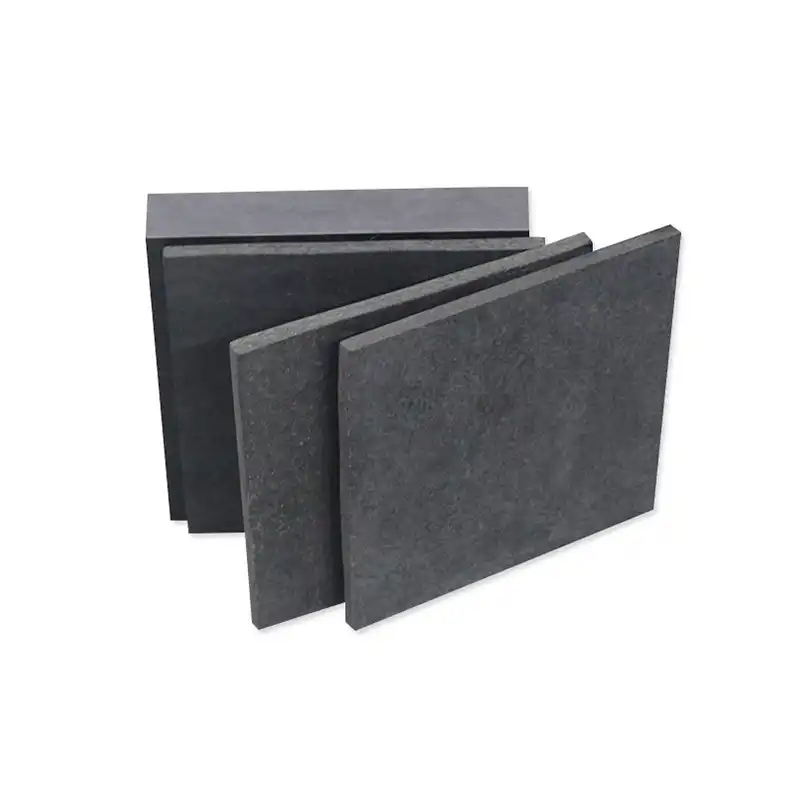
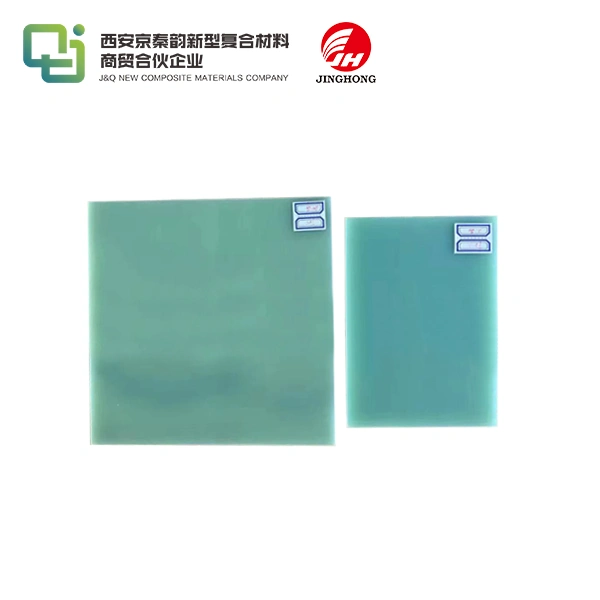
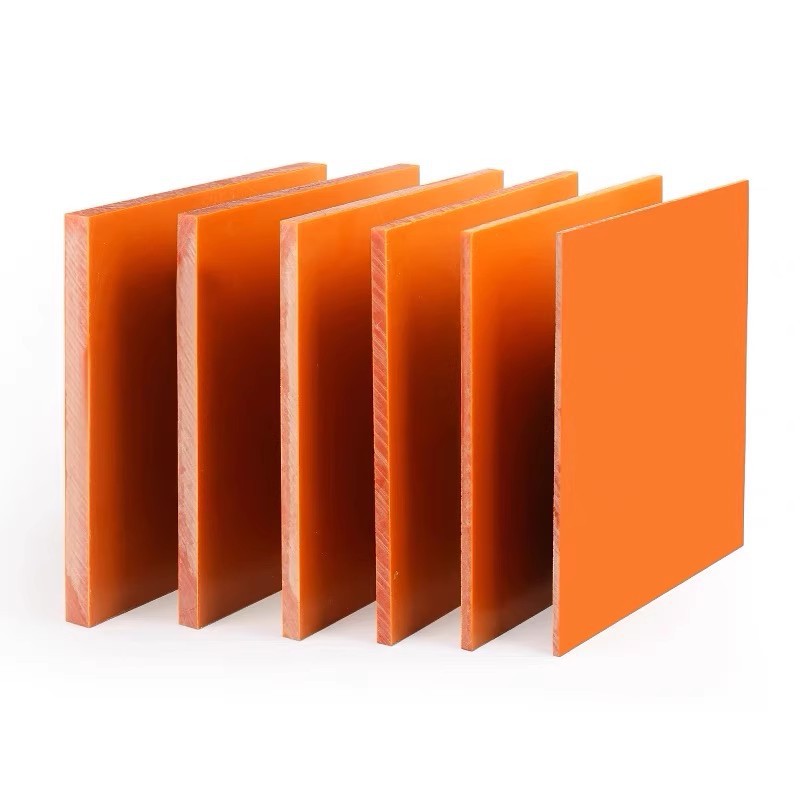
FR4 glass epoxy laminate is the best electrical insulator material available. It is made by mixing flame-resistant epoxy resin with woven glass fibers to make a composite that can handle the tough demands of modern electronics and industrial uses. Because it is very dielectrically strong, thermally stable, and mechanically durable, this thermosetting material is the best choice for printed circuit boards, electrical covers, and structural insulation parts in many fields. Engineering managers, procurement teams, and design professionals who need reliable, high-performance insulation solutions need to know about the features, uses, and grade selection criteria for FR4 glass epoxy laminate.
What is FR4 Glass Epoxy Laminate: Composition and Manufacturing
Understanding FR4 Material Composition
An FR4 glass epoxy laminate's carefully designed composite structure is what holds it together. The mechanical backbone is made of woven glass fabric, which has a high tensile strength and stays the same size even when the surroundings changes. This glass fiber reinforcement is usually made up of E-glass fibers arranged in a plain weave design. This makes the strength of the material the same all the way through its thickness.
The matrix is made of epoxy resin, which holds the glass fibers together and gives the material flame protection and electrical insulation. The resin system goes through a controlled hardening process that makes cross-linked polymer networks. This gives the system thermoset properties that keep it stable at high temperatures. The mechanical rigidity needed for structural uses is met by this combination, while the electrical properties needed for electronic components are kept.
Fire retardant additives play a crucial role in achieving UL94 V-0 flammability ratings. These brominated compounds mix with the epoxy matrix and give it self-extinguishing qualities that stop long-term combustion. The "FR" name specifically refers to its ability to resist flames, setting it apart from regular G10 materials that don't have this important safety feature.
Key Material Specifications and Standards
Industry standards govern the production and quality control of FR4 materials, ensuring consistent performance across different manufacturers. The National Electrical Manufacturers Association (NEMA) Grade FR4 standard lists the electrical, thermal, and mechanical properties that materials must have in order to be certified. For electronics uses, Institute for Printed Circuits (IPC) guidelines go even further and set up testing procedures for dielectric constant, dissipation factor, and thermal expansion characteristics.
Underwriters Laboratories (UL) certification is an independent way to make sure that flame resistance qualities are correct. For the UL94 V-0 grade, test specimens must put out themselves within 10 seconds of the flame being extinguished, and there must be no burning particles that can light cotton placed below the test specimen on fire. This license is needed for electronics jobs that need to follow fire safety rules.
During production, quality control measures include checking the glass-to-resin ratio, keeping an eye on the resin content, and analyzing the void content. These things have a direct effect on the long-term dependability, electrical properties, and mechanical power. Controlling the thickness error makes sure that precision applications work consistently even when the accuracy of the dimensions affects how well they work.
FR4 vs Other Laminate Materials
When you compare FR4 to G10 phenolic materials, it's clear that FR4 is better at resisting flames. G10 has similar mechanical and electrical properties, but it doesn't have the ability to put itself out, which is needed for many safety-critical uses. Because of this difference, FR4 is the best material for making devices in places where fire safety rules require flame-resistant materials.
Compared to FR4 glass epoxy laminate, ceramic surfaces are better at conducting heat and withstanding high temperatures, so they can be used in high-power situations. But ceramics are only useful in certain situations where their superior thermal performance explains their much higher cost and brittleness. FR4 glass epoxy laminate is the best choice for most industry uses because it is both high-performing and low-cost.
Phenolic cotton materials are less expensive than FR4, but they don't work as well with electricity or avoid damage from the environment. Paper-based reinforcements in phenolic materials soak up water, which lowers their dielectric strength and makes them less stable in terms of size. The glass fiber support in FR4 gets rid of these moisture problems, so it works the same way even when the humidity level changes.
Essential Properties of FR4 Glass Epoxy Laminate
Electrical Properties and Performance
When it comes to electrical protection, dielectric strength is one of the most important performance factors. The dielectric strength of FR4 materials is usually between 15 and 20 kV/mm, which makes them reliable for high-voltage uses. This property stays the same at normal working temperatures, so the insulation will always work well for the whole life of the equipment.
At room temperature and 1 MHz frequency, FR4's dielectric constant is between 4.2 and 4.8. This means it can be used in a lot of different electrical circuits. But because it has a fairly high dielectric constant compared to certain low-loss materials, it might not work as well in high-frequency uses above 1 GHz. Loss tangent values are usually between 0.02 and 0.03, and they lower the signal strength in RF uses.
For good FR4 materials, the volume resistance is higher than 10^14 ohm-cm, which means they are very good at keeping electricity from flowing. This high resistance stops current from moving between wires, which keeps the signal strong and stops electrical problems. Surface resistivity values above 10^13 ohms guarantee steady performance even in humid places where surface contamination may happen.
Thermal Properties and Temperature Resistance
The glass transition temperature (Tg) tells us how well FR4 materials can handle heat. High-temperature grades reach 170°C or higher, while standard grades have Tg numbers between 130°C and 140°C. This feature tells you the highest temperature at which the material will still have the same mechanical and electrical properties.
The thermal conductivity of FR4 is usually between 0.3 and 0.4 W/mK, which means it can only moderately get rid of heat. This material's thermal conductivity makes it less useful for high-power uses that need to get rid of a lot of heat, but it works fine for most electronics and industrial uses that need to use outside cooling systems.
Because the glass fiber support is not uniform, the coefficient of thermal expansion (CTE) changes with temperature and direction. Copper conductors work well with in-plane CTE values of 12 to 16 ppm/°C, which reduces thermal stress in PCB uses. When thermal cycling happens in multilayer systems, through-thickness CTE values of 50 to 70 ppm/°C need to be carefully thought through.
Mechanical Properties and Durability
Flexural strength is a key measure of how well a machine works when it is bent. The flexural strength of good FR4 materials is between 400 and 500 MPa, which is enough for structural uses and fastening needs. This strength stays the same at normal working temperatures, so it works well even when it's under a lot of mechanical stress.
Because it is resistant to impact, FR4 can be used in places where there are shaking and shock loads. Impact forces are spread out by the glass fiber reinforcement, which stops the fatal failure modes that often happen with brittle materials. This toughness is especially useful in aerospace and automotive uses where equipment needs to be able to handle changing loads.
Because it is resistant to chemicals, FR4 can be used in harsh manufacturing settings. Common industrial chemicals, cleaning solvents, and environmental pollutants can't break down the cross-linked epoxy matrix. This resistance makes the product last longer in places where it will be regularly exposed to harsh chemicals.
Common Applications and Industry Uses
Electronics and PCB Manufacturing
The most common use for FR4 materials is as supports for printed circuit boards. FR4 is great for supporting electronic parts and making connections because it is electrically insulated, doesn't catch fire, and can be machined. FR4 is used as an insulation and mechanical support layer in single-layer boards. For multilayer designs, it is used to bond the layers together.
The mechanical strength and steadiness of FR4 make it a good choice for mounting components. Substrates that can hold a lot of weight, like those used for transformers and heat sinks, are needed for heavy components. The way FR4 expands and contracts when heated or cooled is pretty close to how other materials expand and contract, which keeps stress from building up during temperature cycles.
For high-frequency uses, special low-loss FR4 types are used that are made to keep signals from getting weaker. Standard FR4 works well for digital circuits that work below 1 GHz, but for RF uses, you need materials with lower loss tangent and dielectric constant values. These better electrical qualities are made possible by modified resin systems and treatments on the glass fabric.
Industrial and Mechanical Applications
The mechanical strength and electrical isolation qualities of FR4 glass epoxy laminate are used in structural insulation parts of industrial machinery. For motor end bells, transformer spacers, and circuit barriers to work, they need materials that can handle both mechanical loads and electrical stress. FR4 glass epoxy laminate's resistance to flame adds an extra layer of safety in situations where electricity problems could happen.
FR4 is used for internal barriers, mounting panels, and insulation parts in electrical cabinets. Because FR4 is machinable, it can be made into complex shapes using normal woodworking tools. This makes custom solutions affordable. Electrical protection and mechanical strength work well together, which is especially helpful for terminal boards and bus bar supports.
FR4's ability to keep its shape and prevent wear is useful for making precision gears and other mechanical parts. The glass fiber support gives the material great strength-to-weight ratios, and the epoxy matrix makes it good for low-speed uses as a bearing. Custom machining lets you make shapes that are too complicated to be possible with plastic materials.
Specialized Applications by Industry
In order to be used in medical devices, materials must be biocompatible and provide electrical protection. Some grades of FR4 are certified by the USP as Class VI, which means they can be used in medical tools. Because these materials are resistant to chemicals and can be sterilized, they can be used in diagnostic tools and gadgets that keep an eye on patients.
High-thermal-grade FR4 materials are used for insulation walls and mounting components in power electronics. Because these grades have better temperature protection, they can be used at high temperatures that are common in power conversion equipment. To keep stress-related failures from happening, thermal expansion matching needs to be carefully thought out in thermal interface apps.
Base station tools and network hardware depend on low-loss FR4 variants for their functionality. These special grades have electrical properties that make signal transfer reliable while still having the mechanical strength needed for outdoor installations. When choosing a material for these uses, lightning protection and covering against the elements are two things that are often taken into account.
How to Choose the Right FR4 Grade for Your Application?
Defining Your Application Requirements
Operating temperature needs have a big impact on grade selection choices. Standard FR4 grades can safely work at temperatures up to 130°C for long periods of time, while enhanced thermal grades can do the same thing at temperatures up to 170°C or higher. When lead-free soldering is used, high-Tg types are usually needed so the materials can handle the high processing temperatures without breaking down.
The acceptable range for dielectric constant, loss tangent, and dielectric strength values is set by the electrical performance standards. For high-frequency uses, low-loss grades with a lower dielectric constant are needed. For high-voltage uses, dielectric strength and resistance to electrical aging over time are most important. For better heat dissipation, power uses may need grades with higher thermal conductivity.
Conditions of environmental exposure affect material selection factors, such as the need for chemical resistance, moisture absorption, and UV stability. For outdoor use, UV-stabilized grades are needed, and for chemical processing, better chemical protection is needed. When exposed to humidity, you need to think about how moisture absorbs and how that affects electrical qualities.
Key Selection Criteria and Decision Framework
The availability of thickness is a real limitation in material choice. Standard FR4 sheets are easy to find in a range of thicknesses, from 0.4mm to 25mm. Thicknesses of 0.8mm, 1.6mm, and 3.2mm are popular in electronics. Custom thicknesses can be made, but there may be longer wait times and lower minimum order quantities, which can hurt the project's bottom line.
Specifications for grades include standard, high-Tg, halogen-free, and specialty types made for certain uses. Standard grades are good for general electronics uses because they are cost-effective, while high-Tg grades can work at higher temperatures. Halogen-free grades meet the needs of markets that have recycle laws and environmental rules.
Volume requirements significantly impact material costs and availability. Standard grades with established supply lines and competitive pricing are good for high-volume uses. Premium grades with better qualities may be right for low-volume or prototype uses, but custom grades need minimum quantities that may be higher than what the project needs.
Matching Specifications to Performance Needs
For high-frequency circuit uses, it's important to carefully look at the dielectric qualities and how they change with frequency. For microwave uses, loss tangent values below 0.01 may be needed, which calls for special resin systems and treatments for the glass fabric. When choosing materials, signal security concerns often push people toward higher-grade options, even if they cost more.
Places with high temperatures need better thermal grades with higher glass transition temperatures. Power electronics, industrial process equipment, and under-the-hood uses in cars often need to run continuously at temperatures above 150°C. In these situations, the thermal expansion properties are very important to keep stress-related breakdowns from happening during temperature cycling.
Standard FR4 grades offer good performance at reasonable prices, which is good for uses that need to save money. Standard grades are often used to keep material costs low in consumer electronics, general industrial equipment, and uses that aren't very important. Avoid over-specification, which adds cost without improving efficiency. This is the most important thing.
Custom Solutions and Special Requirements
Custom cutting and grinding services make it possible to make FR4 glass epoxy laminate parts exactly the way the customer wants them. With CNC machining, water jet cutting, and laser cutting, it is possible to make complicated shapes with very tight tolerances. These services are especially helpful for making prototypes and small batches of products because the costs of making tools for plastic parts are not worth it.
Specialized grades are made to meet the needs of specific applications that normal materials can't. Low-outgassing grades are used in aerospace, and enhanced thermal conductivity variants help power systems get rid of heat faster. Medical grades meet the needs for biocompatibility, and low-smoke versions meet the needs for fire safety in transportation uses.
Help with technical issues and application engineering makes choosing the right materials for a job easier. Services like thermal modeling, electrical design testing, and mechanical analysis make sure that the right materials are chosen and that the right applications are designed. This support is especially helpful for extremely important tasks where a failure of the material could have major effects.
Procurement Best Practices and Supplier Selection
Evaluating Suppliers and Quality Standards
Certification requirements vary by application and industry, with aerospace, medical, and automotive sectors maintaining stringent supplier qualification processes. ISO 9001 quality management systems provide baseline quality assurance, while AS9100 aerospace certification and ISO 13485 medical device standards address sector-specific requirements. Supplier audit capabilities and quality documentation become critical evaluation factors.
Supply chain reliability encompasses raw material sourcing, production capacity, and geographic distribution capabilities. Multiple production facilities provide supply security, while local warehousing reduces lead times and shipping costs. Emergency supply capabilities and allocation policies during material shortages affect long-term supplier relationships and project continuity.
Technical support capabilities include application engineering assistance, material testing services, and product development collaboration. Suppliers with in-house testing laboratories can provide rapid material characterization and custom property verification. Field application support and failure analysis capabilities add value beyond basic material supply.
Pricing Factors and Cost Optimization
Volume pricing structures reward large quantity purchases with significant cost reductions. Annual volume commitments often secure preferred pricing tiers and supply allocation priorities. However, inventory carrying costs and material obsolescence risks must be balanced against volume discount benefits, particularly for applications with uncertain demand forecasts.
Standard versus custom specifications impact both pricing and availability. Standard materials benefit from established production processes and supply chains, resulting in competitive pricing and shorter lead times. Custom specifications require development costs and minimum volumes that may not align with project requirements, making standard materials preferable when performance requirements permit.
Total cost of ownership includes material costs, processing expenses, and application-specific factors like waste generation and machining time. Higher-grade materials may justify premium pricing through improved processing characteristics or enhanced reliability that reduces total system costs. Life cycle cost analysis provides a more comprehensive evaluation framework than initial material cost alone.
Ordering Process and Lead Time Management
Sample evaluation procedures enable material qualification before large quantity purchases. Representative samples should undergo the same testing protocols used for production qualification, including electrical, thermal, and mechanical property verification. Accelerated aging tests and environmental exposure studies provide confidence in long-term performance characteristics.
Minimum order quantities vary by material grade and supplier, with standard grades typically available in smaller quantities than specialized variants. Packaging options include full sheets, custom-cut pieces, and machined components, each with different minimum orders and pricing structures. Blanket orders with scheduled releases help manage inventory while securing advantageous pricing terms.
International shipping considerations include customs documentation, hazardous material classifications, and delivery time variability. Air freight reduces transit time but increases cost, while ocean freight offers economic advantages for large shipments with flexible delivery schedules. Regional warehousing and distribution partnerships can optimize shipping costs and delivery reliability.
Conclusion
Selecting the appropriate FR4 glass epoxy laminate requires careful consideration of application requirements, performance specifications, and cost objectives. The diverse range of available grades enables optimization for specific applications, from cost-effective standard grades for general electronics to specialized high-performance variants for demanding industrial applications. Understanding the relationship between material properties, manufacturing processes, and application requirements enables informed decision-making that balances performance and cost considerations. Successful procurement strategies emphasize supplier partnerships that provide technical support, quality assurance, and supply chain reliability essential for long-term project success.
FAQ
What is the difference between standard FR4 and high-Tg FR4?
High-Tg FR4 exhibits a higher glass transition temperature, typically exceeding 170°C compared to 130-140°C for standard grades. This enhanced thermal performance enables operation in elevated temperature environments such as automotive electronics or lead-free soldering processes. The improved thermal characteristics come with premium pricing but provide essential performance advantages for temperature-critical applications.
Can FR4 laminate be machined or cut to custom sizes?
FR4 responds well to conventional machining operations including drilling, routing, milling, and cutting using standard woodworking or metalworking tools. Carbide tooling provides optimal cutting performance and tool life when machining glass-reinforced materials. Proper dust collection systems are recommended due to glass fiber content, and cutting speeds should be optimized to prevent delamination or edge chipping.
What thickness options are available for FR4 glass epoxy laminate?
Standard thickness ranges span from 0.4mm to 25mm, with electronics industry standard thicknesses including 0.8mm, 1.6mm, and 3.2mm for printed circuit board applications. Custom thicknesses can be manufactured to specific requirements, though minimum order quantities and extended lead times may apply. Thickness tolerance typically ranges from ±10% for thin sheets to ±5% for thicker materials.
Partner with J&Q for Premium FR4 Glass Epoxy Laminate Solutions
J&Q delivers exceptional value through our comprehensive FR4 glass epoxy laminate solutions backed by over 20 years of manufacturing expertise and a decade of international trade experience. Our vertically integrated approach includes dedicated production facilities, quality assurance systems, and logistics capabilities that ensure reliable supply chain performance. We offer complete technical support from material selection through custom fabrication services, enabling optimal solutions for your specific application requirements. Contact our engineering team at info@jhd-material.com for detailed specifications, sample evaluation, or to discuss your project requirements with experienced FR4 glass epoxy laminate suppliers.
References
National Electrical Manufacturers Association. "NEMA Grade Designations for Electrical Insulation Materials." Industrial Laminate Standards Publication, 2023.
Institute for Printed Circuits. "IPC-4101 Specification for Base Materials for Rigid and Multilayer Printed Boards." Electronics Industry Standards, 2022.
Underwriters Laboratories. "UL94 Standard for Tests for Flammability of Plastic Materials for Parts in Devices and Appliances." Fire Safety Testing Protocols, 2023.
International Electrotechnical Commission. "IEC 61249 Materials for Printed Boards and Other Interconnecting Structures." Global Electronics Standards, 2022.
American Society for Testing and Materials. "ASTM D790 Standard Test Methods for Flexural Properties of Unreinforced and Reinforced Plastics." Materials Testing Standards, 2023.
Electronics Manufacturing Research Institute. "Thermal Management and Material Selection in High-Performance Electronics." Advanced Materials Engineering Journal, Volume 45, 2023.