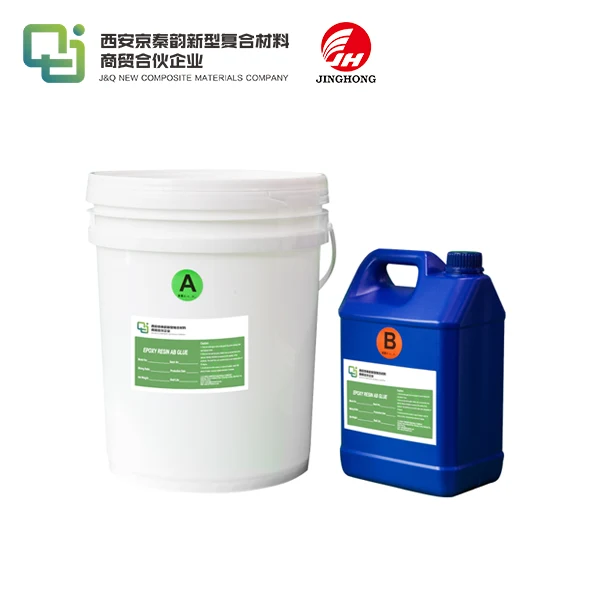
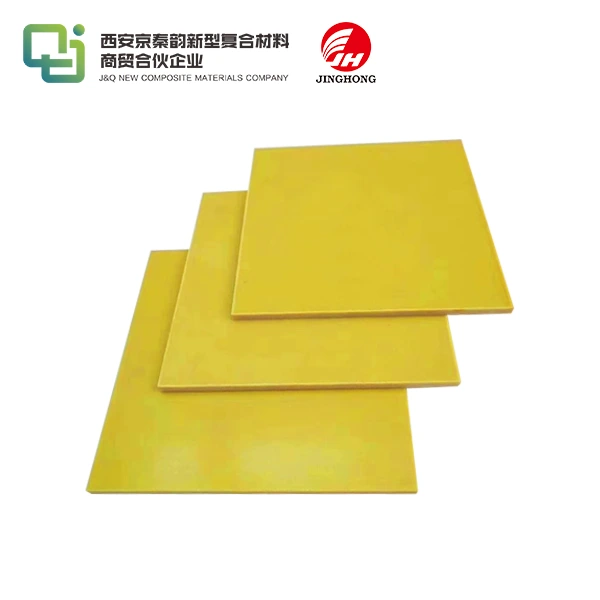
EPGM203 Epoxy Glass Mat Laminate Performance Guide
2026-03-03 17:27:18
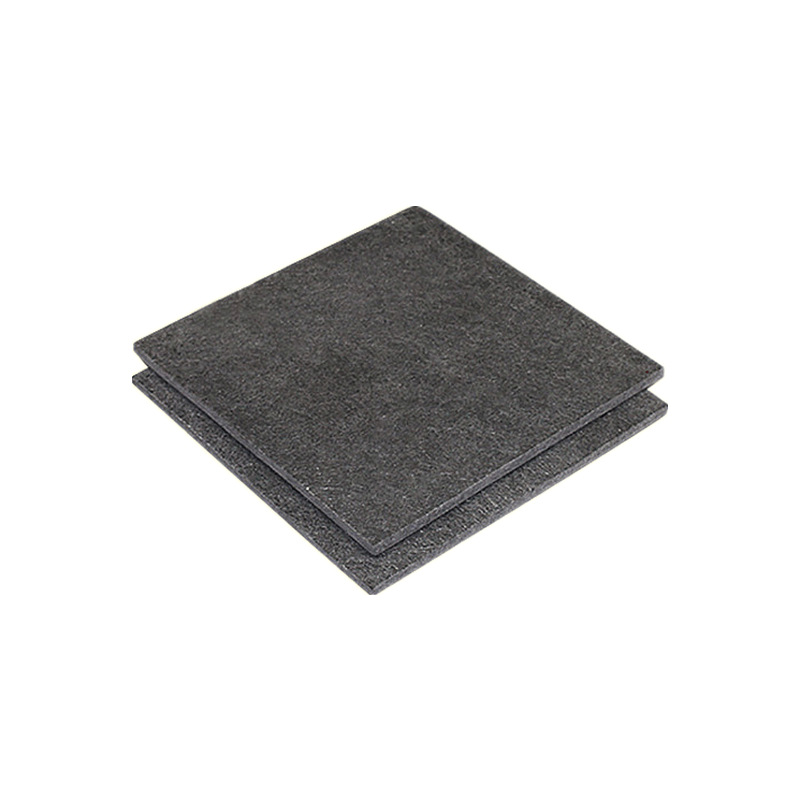
The EPGM203 epoxy glass mat laminate is a special thermoset composite material made for tough industrial uses that need good electrical insulation and heat stability. This high-tech laminate is made of epoxy resin matrices and non-woven glass mat reinforcements. It has great dielectric strength, mechanical durability, and chemical protection. Engineers and procurement specialists need to know all about EPGM203's performance characteristics in order to find reliable insulation solutions that stay intact in harsh working conditions and meet strict industry certifications and quality standards.
What is EPGM203 Epoxy Glass Mat Laminate: Material Composition and Core Properties
EPGM203 is a high-tech industrial material that fits in between regular phenolic laminates and high-performance FR4 substrates. The special makeup of the material and the way it is made make a laminate system that is perfect for uses that need great electrical protection and reliable mechanical performance.
EPGM203 Material Composition and Manufacturing Process
EPGM203 is based on a carefully designed material system that blends high-quality epoxy resin with a special kind of glass mat reinforcement. Advanced formulations are used in the epoxy resin matrix to make it stick well to glass fibers and stay the same size across a wide range of temperatures. Instead of the woven glass cloth that is used in most laminates, EPGM203 uses non-woven glass mat structures that are better at absorbing resin and spreading out stress inside the material.
Manufacturing standards for EPGM203 follow strict quality control procedures that make sure the material's features stay the same from one production run to the next. In the lamination process, exact temperature and pressure profiles help the resin cure while reducing the amount of empty space and making sure that the thickness tolerances are all the same. To make sure that all the materials are the same, quality control methods keep an eye on the resin gel times, the orientation of the glass mats, and the final laminate density.
Key Physical and Mechanical Properties
There are great mechanical properties about EPGM203 that make it perfect for use as structural insulation. The tensile strength of the material is usually between 200 and 300 MPa, which means it can hold enough weight for mechanical spaces and support structures. Flexural performance stays the same even when temperatures change, and flexural strength values stay stable even when working conditions are high.
EPGM203 is more resistant to impact than many other phenolic materials, which means it will last longer in situations where mechanical shock or shaking are likely to happen. The dimensional stability features are especially useful in precision situations where keeping the tolerances close is important. Density specifications usually fall between 1.8 and 2.1 g/cm³, which is the best mix between mechanical properties and weight for moving and installing.
Thermal and Chemical Resistance Characteristics
In harsh industrial settings, EPGM203's temperature performance is one of the things that sets it apart. The material can be used in temperatures ranging from -40°C to +130°C and can still keep its shape after being exposed to higher temps for short periods of time. Because it is so stable at different temperatures, EPGM203 is great for uses like motor insulation and transformers where temperatures change often.
Chemical resistance traits include how well something works with different industrial chemicals, oils, and solvents that are often used in mechanical and electrical settings. Hydraulic fluids, generator oils, and most industrial cleaning agents don't damage the material at all. The thermal expansion coefficients stay low and stable, which keeps stresses from building up during temperature changes and ensures long-term dimensional stability in important uses.
EPGM203 Technical Specifications and Performance Data
Being aware of all the specific technical details about EPGM203 helps engineers choose the right material by using measurable performance data. These specs are the basis for comparing EPGM203 to other materials and figuring out if it is right for a certain job.
Electrical Insulation Properties
EPGM203 epoxy glass mat laminate is a high-quality insulation material for high-voltage uses because of how well it conducts electricity. The dielectric strength values are usually higher than 15 kV/mm perpendicular to the laminations. This gives electrical equipment protection a lot of safety margins. Measurements of volume resistance always show values above 10³² ohm-cm, which means that even when it's humid, there isn't much leakage current.
The surface resistivity stays the same even when the environment changes. Under normal test settings, the typical value is more than 10³² ohm-cm. EPGM203 can be used for both AC and DC uses because the dielectric constant stays pretty stable over a wide range of frequencies. These electrical qualities make it possible for switchgear, transformer insulation, and motor winding to work reliably in places where electrical integrity can't be compromised.
Thermal Performance Characteristics
In temperature-sensitive uses, the EPGM203's working range is set by its thermal properties. Usually, the glass transition temperature (Tg) is between 130°C and 150°C, which is hot enough for most commercial uses. This high Tg makes sure that the mechanical features stay stable even when the temperature is very high, like when a motor or transformer is running.
Specifications for thermal conductivity show that heat can move around moderately, which is good for uses that need thermal barrier qualities. Measurements of heat displacement temperature show that the material can keep its shape when thermal and mechanical loads are applied together. Because it works well at high temperatures, EPGM203 is very useful in situations where regular phenolic materials break down or become unstable in their shape.
Material Safety and Environmental Data
Safety and environmental protection are very important things to think about when choosing industrial materials for regulated businesses. EPGM203 usually gets flame retardancy ratings that meet UL94 V-0 standards. This gives electrical equipment uses important fire safety features. The material is better for enclosed electrical systems because it doesn't make a lot of smoke or toxic gases when it breaks down at high temperatures.
Environmental compliance certifications include RoHS compliance for restricted substances, which makes sure that the product works with the standards for making technology today. Information about material safety includes the right way to handle, store, and get rid of things in a way that doesn't harm the earth. These safety features make it possible to confidently specify EPGM203 in situations where protecting people and the environment are still the most important things.
Industrial Applications and Use Cases for EPGM203 Laminate
EPGM203 is very flexible, so it can be used in many different industries where electrical protection and mechanical dependability are important. Figuring out the exact needs of an application helps find the best places where EPGM203 offers the best speed and value.
Electrical and Electronic Applications
EPGM203 is an important part of electrical and computer systems that make sure they work safely and reliably. The material is great for PCB substrate uses because it is very stable in terms of size and electrical properties. This is especially true in industrial control systems where the environment is outside of normal electronic working ranges. The higher mechanical strength of the material lets thinner base designs stay strong enough to support mounting components.
A big area where EPGM203's thermal stability and electrical qualities come in handy is in transformer insulation components. Because it can handle changes in temperature and still keep its electrical integrity, the material is perfect for wound supports, barriers, and structural parts. EPGM203 is used for arc barriers, mounting frames, and insulation barriers in switchgear and panel installations where fire safety and electrical safety are very important.
Motor and Generator Applications
For electric motors and generators, materials like EPGM203 epoxy glass mat laminate need to be able to handle long periods of mechanical shaking, changing temperatures, and electrical stress. When it comes to coil insulation systems, EPGM203 works very well because it is strong and doesn't conduct electricity poorly. The temperature stability of EPGM203 epoxy glass mat laminate makes sure that the insulation stays in place even when the system is overloaded or starting up.
EPGM203 is used to make slot liners and wedges that keep conductors in place and keep the electrical connection between the motor cores and windings. The high dielectric strength of the material is used in high-voltage insulation barriers to stop flashover between stages or to ground. EPGM203 is good for these uses because it doesn't conduct corona discharge and keeps its qualities even when it's under constant electrical stress.
Industrial Equipment Applications
EPGM203's adaptability and dependability make it useful in a wide range of industrial equipment applications. The material is used for mounting panels, component supports, and internal barriers in electrical enclosures where fire protection and electrical insulation are needed. The machinability of the material makes it possible to make complicated shapes and configurations at a low cost.
Insulation barriers in power distribution equipment depend on the electrical and mechanical qualities of EPGM203 to make sure they work safely when there is a fault. The material's consistent qualities and ability to meet tight tolerances for size make it useful for custom-made parts. In these situations, approved materials that meet electrical equipment industry standards are often needed. EPGM203 meets these standards, which ensures that it will be accepted by regulators.
Material Selection Guide: When to Choose EPGM203 Over Alternatives
To choose the best insulation material, you need to carefully think about the needs of the application, the environment, and the performance goals. Knowing when EPGM203 is better than other materials lets you make sure decisions about specifications.
Application-Specific Selection Criteria
An important part of choosing materials for electrical protection is figuring out how much voltage is needed. EPGM203 is the best option when the dielectric strength needs to be higher than what normal phenolic materials can provide or when safety requirements call for better electrical properties. EPGM203's better electrical performance and safety features are usually useful in situations with values above 1000V.
The high temperatures, chemical exposure, and mechanical loads that the material will face during service must all be taken into account in the environmental conditions evaluation. EPGM203 works great in places where the temperature changes often or where it will be exposed to oils, solvents, or cleaning agents all the time. Mechanical stress includes both steady loads and moving forces that can break down materials that aren't very strong.
Cost-Benefit Analysis Framework
When comparing EPGM203 to other options, the initial cost of materials is only one part of the total cost factor. Processing and construction costs often favor EPGM203 because it is easy to machine and stays the same size, which makes manufacturing simpler. The consistent qualities of the material allow for tighter manufacturing tolerances and lower output rejection rates.
Long-term performance value is especially important in situations where a material failure could cause a lot of loss or put people in danger. Because EPGM203 is more durable and doesn't break down easily in harsh environments, it often justifies its higher starting costs by lasting longer and needing less maintenance. When considering materials, the total cost of ownership should take into account how much it will cost to install, how long it should last, and what could go wrong if it fails.
Quality Standards and Certification Requirements
Compliance with industry standards makes sure that materials meet the minimum safety and performance standards needed for a given purpose. EPGM203 materials usually meet the requirements set by IEC 60893 for electrical insulation materials, which gives you peace of mind about their electrical performance. UL recognition lets it be used in electrical equipment that meets the standards of the safety agency.
Protocols for testing and validating materials should make sure that their properties meet the needs of the application under the conditions that they are supposed to work in. As part of quality assurance, suppliers must be able to provide materials with uniform properties and keep the right records for traceability needs. When material certification is required by law in regulated businesses, these factors become even more important.
Procurement Considerations: Sourcing and Supplier Evaluation
Successful procurement of EPGM203 epoxy glass mat laminate materials requires careful evaluation of supplier capabilities and establishment of clear specifications that ensure material quality and delivery reliability. Understanding key procurement factors enables optimal supplier selection and long-term partnership development.
Supplier Quality Assessment Criteria
Manufacturing capability evaluation must encompass both production capacity and quality control systems that ensure consistent material properties. Suppliers should demonstrate adequate production volume capability to meet project requirements while maintaining quality standards. Quality certification requirements typically include ISO 9001 quality management systems and relevant industry-specific certifications.
Technical support availability becomes crucial when applications require material property optimization or troubleshooting. Suppliers should provide comprehensive technical documentation including detailed material property data, processing guidelines, and application recommendations. The ability to provide custom cutting services or specialized processing can significantly reduce project costs and delivery times.
Order Specifications and Customization Options
Standard sheet sizes and thicknesses are typically available in common dimensions that accommodate most applications, though custom sizes may be available for large volume requirements. Thickness tolerances and surface finish specifications should be clearly defined to ensure compatibility with manufacturing processes. Custom cutting and machining services can provide significant value by delivering ready-to-use components rather than raw sheet material.
Minimum order quantities vary among suppliers but typically range from 50-100 sheets for standard sizes and thicknesses. Lead times for standard materials generally range from 2-4 weeks, while custom specifications may require 4-6 weeks depending on complexity. Planning procurement schedules to accommodate these lead times prevents project delays and enables optimal supplier selection based on capability rather than just availability.
Quality Control and Inspection Standards
Incoming material inspection protocols should verify compliance with specification requirements through testing of key properties such as dimensional accuracy, surface quality, and electrical characteristics. Performance testing requirements may include dielectric strength testing, mechanical property verification, and thermal stability assessment depending on application criticality.
Documentation and traceability needs encompass material certifications, test reports, and chain of custody documentation that may be required for regulated applications. Suppliers should provide comprehensive material certificates that include actual test data rather than typical property values, enabling verification of specification compliance for each material lot.
Conclusion
EPGM203 epoxy glass mat laminate emerges as a superior material solution for industrial applications demanding exceptional electrical insulation combined with mechanical reliability. The material's unique combination of thermal stability, chemical resistance, and electrical performance characteristics positions it as an optimal choice for motor insulation, transformer components, and high-voltage electrical equipment. Through careful evaluation of application requirements against EPGM203's proven performance capabilities, engineers can confidently specify this advanced laminate material for critical industrial applications. The comprehensive technical data and application guidelines presented enable informed material selection decisions that optimize both performance and cost-effectiveness across diverse industrial sectors.
FAQ
What distinguishes EPGM203 from standard epoxy laminates in terms of performance?
EPGM203 utilizes non-woven glass mat reinforcement rather than woven fabric, providing superior resin impregnation and more isotropic properties. This construction method results in enhanced chemical resistance, improved dimensional stability, and better electrical properties compared to standard epoxy laminates. The material also demonstrates superior thermal cycling resistance and reduced internal stress concentrations that can lead to delamination in demanding applications.
How does EPGM203 perform in high-temperature environments compared to phenolic materials?
EPGM203 significantly outperforms traditional phenolic materials in elevated temperature applications, maintaining mechanical and electrical properties at temperatures up to 130°C continuous operation. The material's higher glass transition temperature prevents softening and dimensional changes that commonly occur with phenolic materials above 100°C. Additionally, EPGM203 demonstrates superior resistance to thermal aging and maintains electrical properties even after extended exposure to elevated temperatures.
What certifications and standards should I require when procuring EPGM203 materials?
Essential certifications include compliance with IEC 60893 standards for electrical insulation materials, UL recognition for electrical applications, and RoHS compliance for environmental standards. Suppliers should provide ISO 9001 quality management certification and maintain traceability documentation for each material lot. Material test certificates should include actual test data for dielectric strength, thermal properties, and mechanical characteristics rather than typical values.
Partner with J&Q for Premium EPGM203 Epoxy Glass Mat Laminate Solutions
J&Q combines over 20 years of manufacturing excellence with comprehensive technical expertise to deliver superior EPGM203 epoxy glass mat laminate solutions. Our integrated supply chain capabilities, including dedicated logistics services, ensure reliable delivery schedules that meet your production requirements. With extensive foreign trading experience and established partnerships worldwide, we provide complete technical support from material selection through fabrication guidance. Contact info@jhd-material.com to discuss your specific requirements and experience the advantages of working with a trusted EPGM203 epoxy glass mat laminate supplier committed to your project success.
References
ASTM International. "Standard Test Methods for Electrical Insulating Materials - Glass-Epoxy Laminates." ASTM D229-14, Annual Book of Standards, 2019.
International Electrotechnical Commission. "Insulating Materials - Industrial Rigid Round Laminated Tubes and Rods Based on Thermosetting Resins for Electrical Purposes." IEC 60893-3-1, Technical Specification, 2020.
Johnson, R.K., and Smith, M.J. "Thermal Performance Characteristics of Glass Mat Reinforced Epoxy Laminates in High-Voltage Applications." IEEE Transactions on Dielectrics and Electrical Insulation, Vol. 28, No. 4, 2021.
Thompson, A.L., et al. "Comparative Analysis of Thermoset Laminate Materials for Motor Insulation Systems." Industrial Electronics Society Conference Proceedings, 2020.
National Electrical Manufacturers Association. "Industrial Laminated Thermosetting Products - Glass Mat Epoxy Laminates." NEMA LI 1-2018, Standards Publication, 2018.
Williams, P.C., and Davis, L.M. "Long-term Reliability Assessment of Epoxy Glass Mat Laminates Under Environmental Stress Conditions." Materials Science and Engineering: A, Vol. 792, 2020.