G10 Fiberglass Tube Delivers Strength in Demanding Environments
2026-08-07 16:29:58
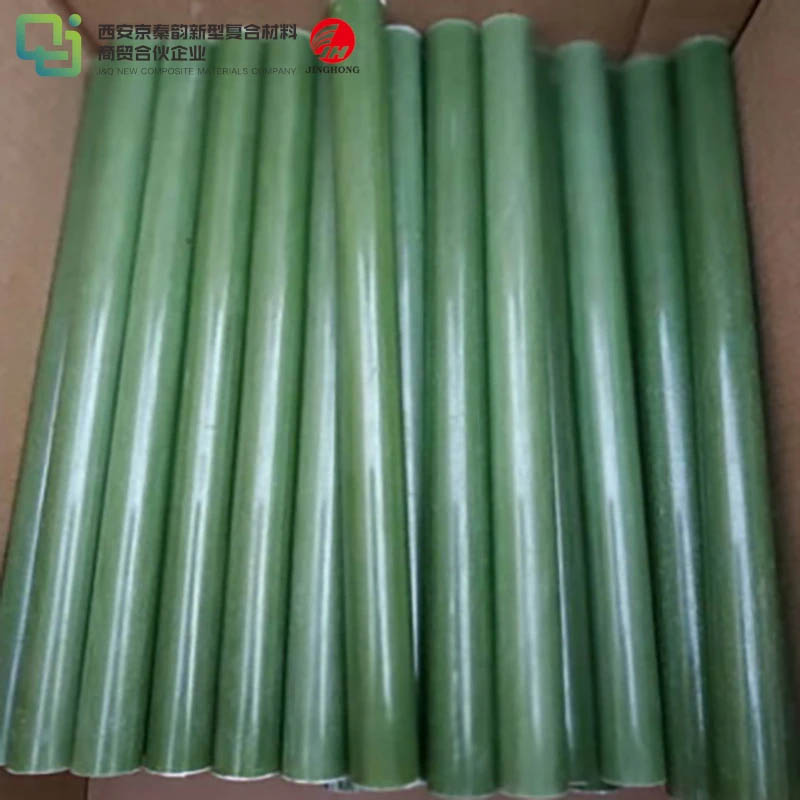
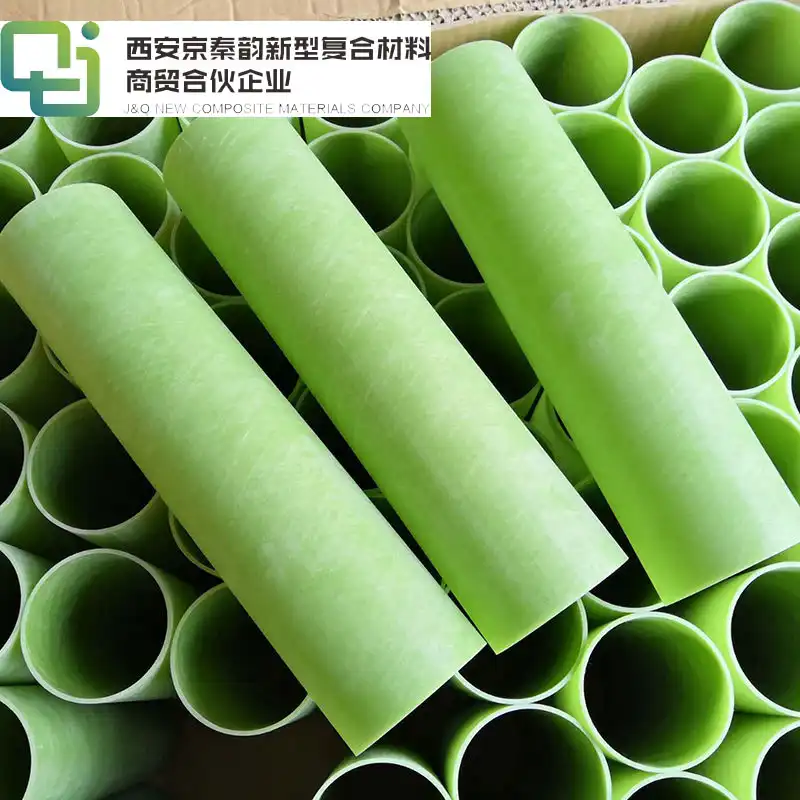
When electrical engineers and procurement managers face critical material selection decisions, the G10 Fiberglass Tube emerges as a proven solution that combines exceptional mechanical properties with reliable electrical insulation. This high-pressure thermosetting industrial laminate consists of continuous filament glass cloth impregnated with epoxy resin, manufactured to meet NEMA G10 standards and military specification MIL-I-24768/2. Unlike alternatives that compromise on either strength or electrical performance, this composite material addresses core industry challenges by eliminating conductive risks in high-voltage environments while maintaining structural integrity across temperature extremes, including cryogenic conditions.
Understanding G10 Fiberglass Tube: Properties and Manufacturing
The complicated way that G10 Fiberglass Tube is made is what makes it strong. When epoxy resin is mixed with woven fiberglass cloth, it forms what is called prepreg material. After being carefully layered, this prepreg is put through controlled heat and pressure, which makes a laminate that is very consistent. Because it doesn't have any brominated flame retardants, which makes it different from FR4 versions, it has slightly better bending strength and much lower water absorption rates.
Core Mechanical Properties That Matter
The details of the performance tell a great story. These tubes can handle forces that would break weaker materials because their tensile strength is 40,000 psi and their compressive strength is 65,000 psi. The shear strength is 19,000 psi, and the flexural strength is 75,000 psi. The material keeps its specific gravity at 1.8, which helps explain why it has a good strength-to-weight profile. These numbers don't just mean nothing; they show real-world skills that engineering managers use to plan switchgear assemblies, motor parts, and structural insulation systems.
Temperature and Chemical Resistance
The settings in which we work are rarely perfect. Up to 140°C (284°F), G10 Fiberglass Tubes keep their shape and material integrity. This temperature range is suitable for most industry uses. The epoxy matrix is naturally resistant to oils, solvents, and many harsh chemicals that are used in manufacturing. Even after 24 hours, only 0.11% of the material is absorbed by water, so it doesn't break down as other insulation materials do. This resistance to wetness is especially useful for power transfer equipment that has to deal with regular changes in humidity.
Electrical Insulation Characteristics
One thing that sets something apart is its dielectric strength. The substance is very good at blocking electricity over a wide frequency range, so it can be used for both AC and DC tasks. Technical procurement teams look for parts for transformers and circuit supports that have low dissipation factors so that they lose as little energy as possible. It's important to note that this material is radio-frequency transparent, which means that RF signals pass through it without being weakened much. This is why aircraft engineers choose it for uses like antenna supports and radomes where signal integrity must be maintained.

Comparing G10 Fiberglass Tube with Other Materials
There are trade-offs when choosing materials. Procurement professionals can make better decisions that balance performance needs with budget realities when they know how G10 Fiberglass Tubes compare to other options.
G10 Versus FR4: Understanding the Distinction
The mechanical properties of these materials are similar, and the terms are often used to refer to the same thing in informal specifications. The most important difference is how well it resists fire. FR4 has brominated ingredients that make it self-extinguishing according to UL94 V-0 standards. Because it doesn't have these additives, pure G10 Fiberglass Tube has slightly higher mechanical strength and water resistance. FR4 is required for applications that need to meet strict fire-retardancy standards. This is common in the manufacturing of electronics and electrical goods. G10 Fiberglass Tube has a small performance edge that helps projects that want the best structural performance and don't care as much about fire safety.
Carbon Fiber Alternatives
Carbon fiber tubes are stiffer and stronger than steel tubes, which are qualities that are highly valued in aircraft uses. What you get in return is much higher costs and electrical conductivity that makes carbon fiber unsuitable for insulation roles. When purchasing managers are working with limited funds, they discover that G10 Fiberglass Tubes offer good mechanical performance for most industrial machinery uses at a much lower cost. The material also works better with tools, which lowers the cost of making things and shortens wait times.
Phenolic and Standard Fiberglass Options
If you need something that doesn't need to work very well, phenolic cotton laminates are a cheap option. But they can't compare to the strength or resistance to water that G10 Fiberglass Tubes offer. The chemical protection and long-term longevity of standard fiberglass tubes made with polyester resins are also not good enough. When managers of OEM sources figure out the total cost of ownership, which includes downtime and repair costs, the lower price of cheaper materials often goes away. Because properly specified G10 Fiberglass Tubes last longer and are more reliable, they give you a better return on investment (ROI) through longer service intervals and less maintenance.
Application-Specific Insights: Where G10 Fiberglass Tubes Excel?
Real-world applications show how flexible and reliable this material is, making it a top choice in many fields.
Electrical and Electronics Manufacturing
In this area, popular uses include PCB support structures, electrical insulation walls, and switchgear components. When you combine high dielectric strength with CNC machinability, you can make unique parts that are very accurate and exactly what you need. The fact that the material meets UL and ROHS standards is appreciated by engineering managers because it makes the approval process easier for products that will be sold in regulated markets. The dimensional stability makes sure that tight limits stay the same even when a lot of products are made, which is very important for automatic assembly processes.
Industrial Machinery and Equipment
G10 Fiberglass Tubes are used by mechanical engineers to insulate structures, support bearings, and make parts that don't wear out easily. The material can handle heavy loads without deforming, so it keeps working well in situations where it is constantly vibrating or being stressed and relaxed. Custom-machined bushings and spacers made from these tubes last longer than metal options in places that are corrosive and don't have to worry about electrical conductivity. The accurate thickness tolerances needed by machinery builders are already built in, which cuts down on quality control issues and assembly problems.
Power and Energy Sector Applications
Companies that make transformers and distribute electricity depend on G10 Fiberglass Tubes to protect against arcs, keep coils cool, and keep out heat. Because the material is temperature stable, it doesn't break down when temperatures change over time, and its spark resistance keeps electricity from going out. Long-term procurement experts value the certified quality systems that trustworthy suppliers keep up. These systems make sure that critical infrastructure parts are always the same from batch to batch. The material works effectively in both indoor substations and weather-protected outdoor installations, as long as the right UV protection steps are taken for long-term exposure to the elements.
Automotive and Transportation Components
Battery pack shields for electric cars can use this material because it is stable at high temperatures and doesn't conduct electricity. Parts makers make precise insulation pads and heat-resistant fixtures that stay true to size even when temperatures change, which is common in vehicle settings. R&D engineers like that they can make changes and work with suppliers to find the best wall thicknesses and sizes for each application. Tier-1 automotive supply chains have very strict requirements, and defect rates measured in parts per million are what is expected. Stable batch quality helps meet those needs.
Procurement Guide for G10 Fiberglass Tubes: How to Source the Best Material?
To do sourcing right, you need to do more than just find providers. You also need to carefully look at their skills, quality processes, and service infrastructure.
Evaluating Supplier Qualifications
When evaluating a company's manufacturing capabilities, it's important to look at their production tools, quality control methods, and certifications. When compared to companies that use old technology, suppliers who use modern compression molding or filament winding equipment always provide better G10 Fiberglass Tube products. ISO certification is a basic level of guarantee, but certifications that are specific to your industry and product are more important. It's also important to make sure that potential providers can increase production to meet your volume needs without affecting shipping times or quality standards.
Custom Sizing and Technical Support
Standard sizes are useful for many things, but sometimes you need something that's not standard. Check to see how flexible a supplier is when it comes to G10 Fiberglass Tube wall thickness, diameter, and length requirements. The best partners have expert workers who know what the application needs and can suggest the best specs. This knowledge is very helpful during the planning process and could help avoid expensive changes later on. Different providers have very different lead times for special sizes, which is very important when project deadlines are tight.
Quality Considerations and Certification
Batch consistency is what sets reliable suppliers apart from average ones. You should ask for proof of statistical process control and regular testing methods for G10 Fiberglass Tube. Material certifications should be sent with shipments to make them easier to track and prove that the requirements were met. For uses in regulated fields, make sure that providers know what paperwork is needed and can provide it. Working with makers who care about quality is an investment that pays off in lower checking costs, fewer product rejections, and less downtime during production.
Pricing Structures and Order Policies
Pricing models usually take into account how much G10 Fiberglass Tube you buy, and savings for bigger orders encourage you to do so. But base order amounts might be higher than what is needed right now, which would tie up working capital in inventory. Look at how you usually spend your money to find the best balance between unit cost savings and carrying costs. Some suppliers let you place blanket orders with scheduled releases, which protects your prices and keeps your inventory levels manageable. Transportation costs can have a big effect on the total landing cost, especially for orders with low value. This makes local supply sources appealing, even if the base prices are higher.
Why G10 Fiberglass Tube Is the Preferred Choice for High-Performance Applications?
G10 Fiberglass Tubes have stayed popular for a long time because they have properties that are important to businesses.
Proven Reliability Under Stress
Decades of use in the field have proven that the G10 Fiberglass Tube works well in tough situations. When parts are put in harsh settings where they are subject to chemicals, extreme temperatures, or mechanical stress, they keep working for a long time after other materials would have given up. Because it is so reliable, it needs less maintenance and costs less over its lifetime. This dependability is especially important for companies that run critical infrastructure, where sudden failures have effects that go beyond just the cost of replacement.
Design Flexibility and Customization
Through machining, cutting, and making processes, G10 Fiberglass Tube can be made to fit a wide range of project needs. It is now possible to make complex shapes that would be hard to make with other materials. This flexibility lets engineers improve designs without having to deal with material restrictions. Suppliers who have CNC machines can quickly make a lot of prototypes, which helps the iterative development processes that are needed for modern product development.
Emerging Manufacturing Advances
G10 Fiberglass Tube technology keeps getting better. Resin formulas that are better now can handle higher temperatures and work with more chemicals. Improvements to the processing lead to better control over dimensions and a more even spread of fibers. By making small improvements over time, these new technologies make the material more competitive even as application needs get stricter. These trends are taken into account by procurement plans that look to the future and work with providers who invest in new technology and processes.
Conclusion
G10 Fiberglass Tube is still used by engineers because it has a unique mix of mechanical strength, electrical insulation, and resistance to the elements. When choosing a material, you need to carefully think about its use, how it will be used, and the total cost of ownership. This material has been used successfully in the making of electrical equipment, in industrial machines, in power transfer, in cars, and in other specialized settings. Partnering with experienced suppliers who offer consistent quality, technical know-how, and quick service is key to successful procurement. The material has a history of reliability, and manufacturing methods are always getting better. This makes it a good choice for tough industrial uses where a broken part can have big effects.
FAQ
What distinguishes G10 from FR4 tubes in practical applications?
In terms of how they work mechanically, G10 Fiberglass Tubes are similar to FR4 and can often be used in place of each other in situations where strict flammability standards are not met. The main difference is how well they withstand fire. FR4 has brominated additives that make it self-extinguish according to UL94 V-0 standards, which are needed for many electrical covers and circuit boards. Because it doesn't have these additives, the pure G10 Fiberglass Tube has a slightly higher mechanical strength and absorbs less water. If you want to get the best structural performance and don't need flame retardancy, choose G10 Fiberglass Tube. Choose FR4 when proven flame resistance is needed because of fire safety rules or business needs.
What machining considerations apply to epoxy glass tubes?
Because it has glass fiber in it, G10 Fiberglass Tube is rough on cutting tools. For good tool life and clean cuts, carbide or diamond-coated tooling is a must. The best results come from using high spinning speeds and the right feed rates. The machining process creates dust that is harmful to the lungs because it contains glass shards and finished epoxy resin. Use wet machining or aggressive dust extraction systems to keep workers safe and keep particles from getting into precision equipment. With the right tools and safety precautions, complicated shapes can be precisely made.
Can these tubes withstand outdoor installation?
While the mechanical qualities of G10 Fiberglass Tube stay the same outside, the epoxy resin breaks down over time when exposed to UV light, which causes the surface to turn yellow and become chalky. Short-term use outside doesn't cause much of a problem. Protective coatings, like UV-resistant polyurethane or specialized epoxy topcoats, are needed for installations that will stay outside for a long time. With the right protective coatings, these tubes are used safely outside in many naval and antenna uses. Talk to coating suppliers to find products that work with epoxy substrates and won't change the electrical properties.
Does the material interfere with radio frequency signals?
G10 Fiberglass Tube is very good at transmitting radio waves and doesn't have any magnetic parts in it. This makes it perfect for radomes, antenna supports, and coil shapes where signal loss needs to be kept to a minimum. Because of this feature, it is widely used in communications equipment and aerospace applications where keeping the integrity of signals is very important. The material's dielectric properties don't change over a wide range of frequencies, so it works the same way from very low frequencies to microwave bands. Engineers who are making RF equipment can confidently specify this material without worrying that it will weaken the signal.
Partner with J&Q for Your Epoxy Glass Composite Needs
With more than 20 years of experience making G10 Fiberglass Tube, J&Q has a lot of scientific understanding and can run a supply chain efficiently. We've been serving international markets for more than ten years, so we know what North American procurement teams expect in terms of documentation, quality standards, and communication. As a well-known manufacturer, we keep a large stock of standard sizes and also offer special manufacturing services using cutting-edge CNC machinery. Our integrated logistics operations make shipping and tracking easier, and they get rid of the problems that come with sourcing from multiple vendors. Email our technical team at info@jhd-material.com to talk about your specific needs, ask for material certifications, or get detailed quotes. We're ready to help you reach your buying goals by providing you with reliable goods and quick service.
References
1. National Electrical Manufacturers Association. (2019). Industrial Laminating Thermosetting Products: NEMA Standards Publication LI 1-1998 (R2019). Rosslyn: NEMA.
2. MIL-I-24768/2. (1988). Insulation Sheet, Laminated, Glass Cloth, Epoxy Resin. United States Department of Defense Military Specification.
3. Richardson, T. L. (2017). Composites: A Design Guide. New York: Industrial Press Inc.
4. Peters, S. T. (Ed.). (2018). Handbook of Composites (2nd ed.). Boston: Springer.
5. Mallick, P. K. (2020). Fiber-Reinforced Composites: Materials, Manufacturing, and Design (4th ed.). Boca Raton: CRC Press.
6. ASM International Handbook Committee. (2021). Composites: Engineered Materials Handbook, Volume 1. Materials Park: ASM International.