How Does FR4 Epoxy Laminate Improve PCB Production Reliability?
2026-08-07 16:30:07
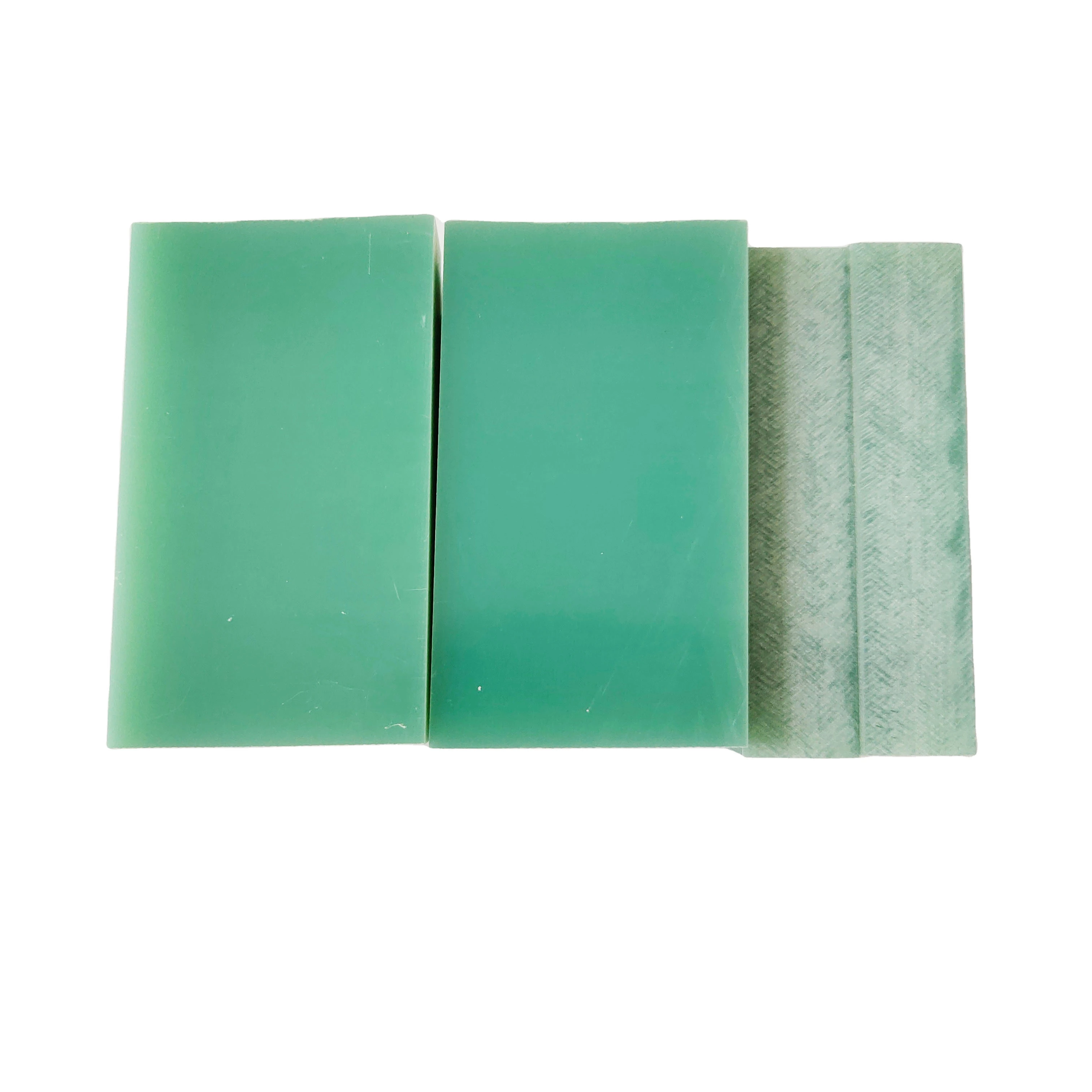
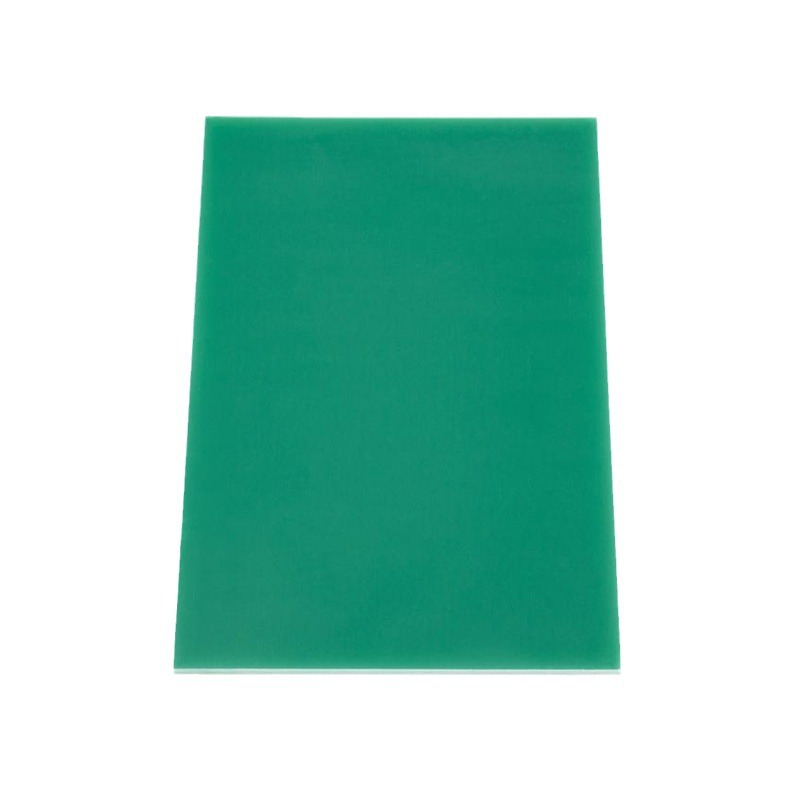
FR4 Epoxy Laminate transforms PCB production reliability through its engineered composition of woven fiberglass and flame-retardant epoxy resin. This material delivers dimensional stability during thermal cycling, prevents delamination under soldering temperatures reaching 260°C, and maintains dielectric integrity across multilayer board constructions. The glass-reinforced structure offers predictable mechanical performance that directly reduces defect rates in automated assembly lines, while its brominated flame retardants achieve UL94 V-0 certification—a non-negotiable safety requirement for electronics entering global markets.
Understanding FR4 Epoxy Laminate and Its Core Properties
Picking the right materials is the first step in making sure your PCBs are reliable, and FR4 Epoxy Laminates have become the standard for good technical reasons.
Composition and Manufacturing Process
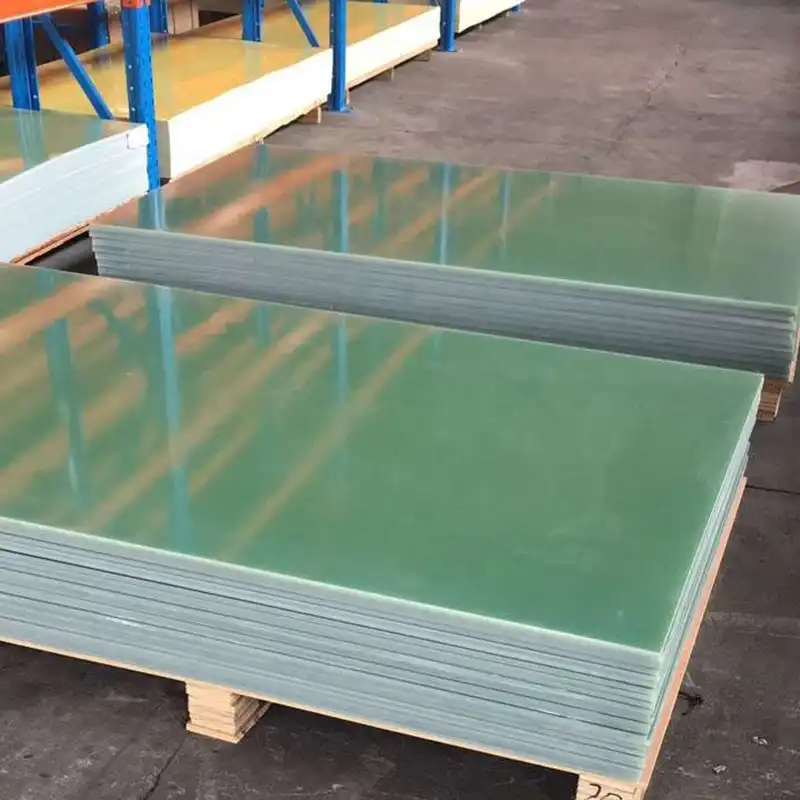
Woven fiberglass cloth is mixed with resin in controlled settings where epoxy mixtures stick to E-glass strands. Under heat and pressure in hydraulic presses, several prepreg layers are stacked on top of each other to make sheets with a specific gravity of 1.80 to 1.90 g/cm³. This level of accuracy in manufacturing makes sure that thickness tolerances are all the same, which is important for automatic drilling processes that put thousands of via holes in each board. During the hardening process, liquid resin changes into a cross-linked polymer matrix that holds glass fibers in place. This gives the material an anisotropic strength of more than 400 MPa in the direction of the sheet.
Key Electrical and Thermal Characteristics
Dielectric constant stability is what sets professional-grade laminates apart from cheaper options. At 1 MHz, standard grades keep dielectric values around 4.5, and dissipation factors below 0.02 keep signals from getting weaker in high-frequency circuits. The glass transition temperature (Tg) tells you how the material will react to heat from soldering. Standard versions are safe to use at Tg values of 135°C, but lead-free assembly processes need High-Tg versions with ratings above 170°C to stop Z-axis expansion that cracks barrels in plated through-holes.
After 24-hour immersion testing, water absorption stays below 0.10%. This keeps electricity from leaking in damp working conditions. A thermal conductivity of about 0.25 W/mK is enough to get rid of heat for most digital circuits, but power electronics may need metal-core options.
Flame Retardancy and Safety Compliance
The "FR" label confirms that brominated compounds in the epoxy matrix stop fires from starting. When put near a flame, the material goes out on its own in 10 seconds on vertical test specimens, meeting UL94 V-0 standards for flammability. This trait is very important in consumer electronics, where broken parts could otherwise cause a chain reaction of heat events. Following the rules set by ROHS makes sure that the amount of halogens in products stays within the acceptable range for foreign distribution. This meets both safety requirements and environmental worries that procurement teams keep a close eye on.
Common Challenges in PCB Production and How FR4 Addresses Them
Printed circuit boards are made using harsh chemical, mechanical, and thermal processes that show where materials are weak. We've seen that the choice of FR4 Epoxy Laminate has a direct effect on yield rates in factories that make a lot of things.
Preventing Warping and Delamination
Automatic pick-and-place machines that need accurate Z-height readings can't work when the substrate warps. When boards twist more than 0.75%, surface-mount components don't line up correctly when they're being placed, which requires expensive repair steps. When the temperature goes from room temperature to peak reflow, the controlled glass-fiber weave in good epoxy laminates doesn't change shape. When layers split during heat stress because the resin doesn't stick well to the fibers, this is called delamination. When the material is properly cured, the bond stays strong through multiple soldering cycles. This stops the catastrophic failures that happen when copper traces lift off of substrate surfaces.
Maintaining Signal Integrity
For high-speed digital signals and RF applications, modern electronics need impedance traces that can be controlled. Changes in the dielectric constant lead to impedance mismatches, which lower the quality of signals and cause communication systems to make mistakes with data. As long as the resin content stays the same across the width of the laminate, the electrical qualities will be the same. This lets designers reach their impedance goals while keeping trace shapes predictable. When dissipation factors are low, transmission lines lose less energy. This is especially important for 5G infrastructure and server backplane applications, where signal attenuation directly limits data throughput.
Thermal Management During Assembly
During wave soldering and reflow processes, boards are briefly exposed to temperatures close to 260°C. If a material doesn't have enough heat resistance, the glue breaks down, leaving holes that make it less strong and less able to conduct electricity. High-Tg formulations keep the structure strong throughout lead-free assembly profiles, which stops the lifting of pads that break electrical connections. Dimensional stability during thermal cycles also keeps solder joints physically sound, so they don't crack from differences in the coefficients of thermal expansion.
Case studies from companies that make electronics for cars show that switching to premium FR4 Epoxy Laminates cut field failures by 40% in applications under the hood where temperature changes make parts less reliable.
Comparative Insights: FR4 Versus Alternative PCB Substrates
When choosing a material, you have to balance performance needs with price limits. Knowing the trade-offs between substrates helps buying teams make smart choices.
Performance Against Lower-Grade Laminates
Substrates FR1 and FR2 are made of phenolic resins that are reinforced with paper instead of glass fiber. These alternatives are less expensive, but they absorb more than 1.5% of water, which is fifteen times more than FR4 Epoxy Laminates. This sensitivity to moisture makes the dimensions unstable and creates electrical leakage paths that are not good for precision electronics. CEM-1 has a paper core and glass top layers. It's a good compromise for single-sided boards, but it doesn't have the strength through-thickness needed for complex layered builds.
The mechanical properties make the point very clear: phenolic laminates have a flexural strength of about 200 MPa, while alternatives reinforced with glass have a strength of over 400 MPa. This difference has a direct effect on how rigid the board is and how easily it can be damaged during assembly.
High-Performance Alternatives
Polyimide surfaces work well in settings with high or low temperatures; they can keep working at 250°C for extended periods of time. The 5–10 times higher prices for these specialized materials are worth it for military and aerospace uses. Metal-core boards have an aluminum backing that makes them better at transferring heat (up to 2.0 W/mK), which is important for LED lights and power systems that produce large amounts of heat. These special uses are specific situations where regular FR4 Epoxy Laminates can't meet the performance needs.
The best substrate to use depends on the temperature ranges, mechanical stress loads, electrical performance requirements, and the number of products that need to be made. The vast majority of business gadgets use standard grades because they are cost-effective and have been shown to be reliable.
Procurement Guidance for B2B Clients: Sourcing Reliable Epoxy Glass Laminates
To build reliable supply chains, you need to check suppliers' technical skills, quality systems, and ability to handle logistics.
Evaluating Supplier Credentials
When a company gets ISO 9001 approval, it means that they have well-thought-out quality management systems that can be tracked and follow guidelines for constant growth. UL certification makes sure that materials are tested by a third party to make sure they are safe for electricity and fire safety. Suppliers should give detailed datasheets that list the temperature at which the FR4 Epoxy Laminate changes to glass, its electrical properties, its bending strength, its thermal expansion coefficients, and its chemical resistance profiles. When material specifications are clear, engineering teams can check that they work with design requirements and assembly processes.
Customization and Lead Time Considerations
Standard sheet sizes might not fit with the plan of production panels, which leads to a lot of waste. Custom cutting services from suppliers make the best use of materials while cutting down on the number of steps needed to handle them in fabrication facilities. When supply is limited, volume commitments can often unlock price benefits and better assignment of priorities. Lead times are very different between domestic and international sources. For example, it usually takes two to four weeks for imported goods to arrive, but only five to ten days for local providers with stock. These dates must be included in production plans so that lines don't have to be shut down because of a lack of materials.
Technical Support and Documentation
When choosing materials and improving processes for complex uses, it's helpful to have technical help from the supplier. Product development cycles can be sped up by having access to application engineers who know about thermal management, impedance control, and assembly compatibility. Having a lot of paperwork, like Material Safety Data Sheets (MSDS), compliance certificates for ROHS and REACH rules, and test results showing that something meets IPC-4101 standards, makes the qualification process easier for buying teams to handle.
Best Practices for Testing and Verifying Laminate Quality
Protocols for incoming inspection keep production lines safe from bad materials that cause expensive yield losses.
Physical and Dimensional Inspection
When you look at the surface, you can see flaws like resin hunger (fibers that are showing), measling (white spots that show fiber separation), pits, holes, and contamination. Acceptable defect densities are based on surface quality classifications that range from Class A (for cosmetic uses) to Class C (for industrial use). For precision uses, thickness errors are usually kept to ±0.1mm, which can be checked with a micrometer. Too much variation in thickness leads to differences in drill depth that hurt tools and leave gaps in the rock.
Electrical and Thermal Testing
Dielectric breakdown voltage testing uses a high voltage that is perpendicular to the lamination planes to make sure that the resin has fully cured and that the insulation strength is sufficient. For normal thicknesses, test voltages usually go above 45 kV, and failures show that the product was not made correctly. Differential Scanning Calorimetry (DSC) checks that the FR4 Epoxy Laminate meets the High-Tg requirements that are necessary for lead-free assembly by measuring the actual glass transition temperature. Line stops that cost a lot of money happen when boards delaminate during reflow operations. This lab test stops those stops.
Warp and Twist Measurement
Planarity has a direct effect on how well automatic construction equipment works. Multiple measurements are taken of boards that are put on reference surfaces to figure out how far they are from being flat. Automated optical scanning devices can make maps of whole panel surfaces that show how much warp there is in percentages. Specifications depend on the size and use of the board, but values higher than 1.5% usually mean that the material isn't of good quality or that it was stored in a way that let moisture in.
Building strong relationships with suppliers lets you keep improving quality through feedback loops where production data helps you figure out how to best use materials. This way of working together builds trust and makes the whole supply line more reliable.
Conclusion
FR4 Epoxy Laminates provide the performance base that current PCB manufacturing needs, dealing with important issues like signal integrity and temperature cycles. The engineered properties of the material—its ability to stay the same size, keep out electricity, and not catch fire—directly lower the number of defects while allowing for complex multilayer designs. When making decisions about what to buy, it helps to know how the specifications of the substrate affect the production yield and the reliability over time. Standardized testing methods for quality control make sure that materials always work the same way, which keeps assembly lines going smoothly.
FAQ
What distinguishes standard from High-Tg glass-epoxy laminates?
The heat efficiency limits are set by the glass transition temperature. Standard grades (Tg <135°C) work well for standard tin-lead soldering. High-Tg versions (Tg >170°C) keep the layers from coming apart during lead-free reflow profiles that hit 260°C. The higher FR4 Epoxy Laminate material keeps its shape even after being heated and cooled many times, which stops barrel cracking in metal through-holes and pad lifting that breaks component connections.
How does moisture content affect board assembly?
Even very small amounts of moisture trapped inside the laminate structure expand very quickly when heated to soldering temperatures. This causes "popcorning," which is the explosive separation of layers due to steam pressure inside the structure. Keeping things in vacuum-sealed containers with desiccants stops them from absorbing water. Baking boards at 120°C for a few hours before putting them together gets rid of any moisture that has built up in damp places.
Can epoxy laminates withstand industrial solvents?
When fully hardened, FR4 Epoxy Laminates can't be damaged by alcohols, chlorinated hydrocarbons, or the normal flux removers that are used to clean PCBAs. This chemical stability makes sure that substrates don't break down during the rough washing steps that get rid of flux leftovers and ionic contamination.
Partner with J&Q for Premium Glass-Epoxy Laminate Solutions
J&Q has been making electrical insulation materials for more than 20 years and helps electronics manufacturers in the telecommunications, industrial controls, and power systems industries. We have standard and High-Tg versions of FR4 Epoxy Laminate in stock, along with all the necessary UL/ROHS certification paperwork. Technical datasheets with information on temperature, mechanical, and electrical qualities are available to engineering teams. These sheets make the process of qualifying materials faster and easier. Custom cutting services make the best use of your panel plans and cut down on waste. Our integrated logistics network makes sure that deliveries happen on time so that production lines don't run out of materials. Email our team at info@jhd-material.com to talk to skilled application engineers about your substrate needs. As an established FR4 Epoxy Laminate supplier, we deliver the quality consistency and technical support that demanding electronics applications require. Visit jhd-material.com to explore our complete product range.
References
1. Institute for Printed Circuits. (2020). IPC-4101D Specification for Base Materials for Rigid and Multilayer Printed Boards. IPC International Standards.
2. Coombs, C.F. (2018). Printed Circuits Handbook, Seventh Edition. McGraw-Hill Education.
3. Blackwell, G.R. (2019). The Electronic Packaging Handbook. CRC Press.
4. UL Standards & Engagement. (2021). UL 94: Standard for Safety of Flammability of Plastic Materials for Parts in Devices and Appliances. Underwriters Laboratories.
5. Harper, C.A. (2017). Electronic Materials and Processes Handbook, Fourth Edition. McGraw-Hill Professional.
6. IPC Association Connecting Electronics Industries. (2019). Laminate and Prepreg Materials Used in Printed Wiring Board Fabrication: Technical Review. IPC Technical Publications.