FR4 Epoxy Laminate Meets Strict Industrial Insulation Standards
2026-08-06 17:21:55
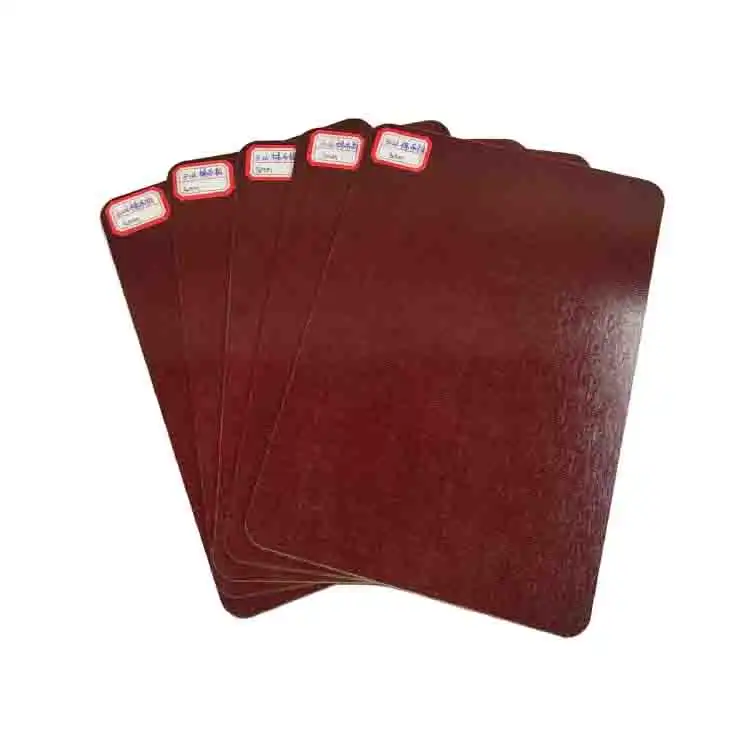
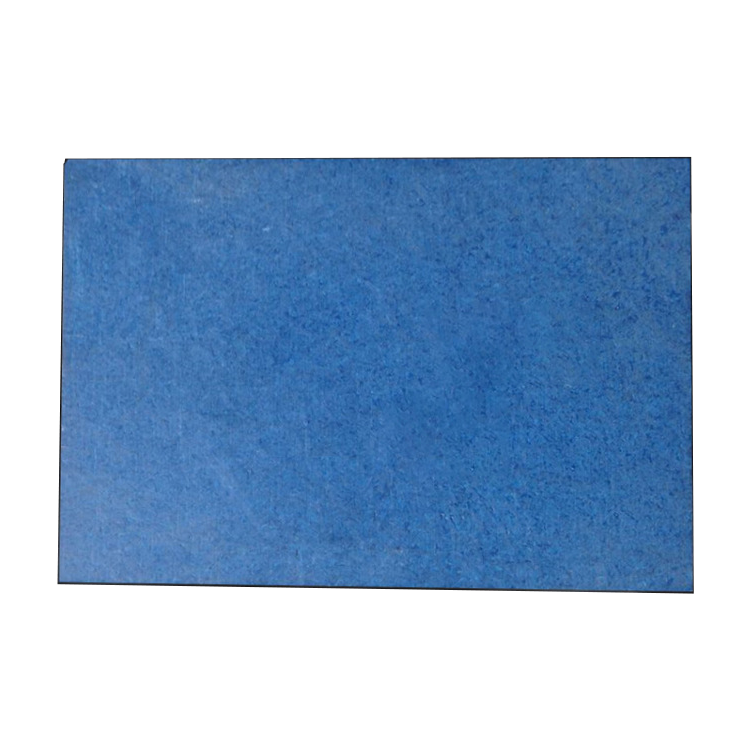
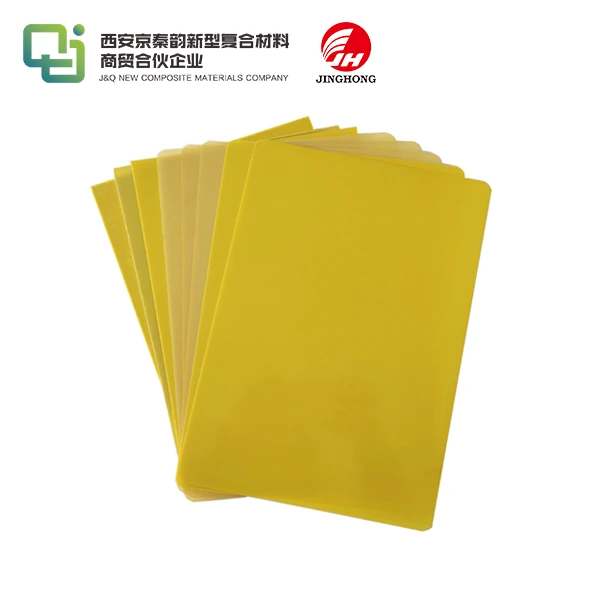
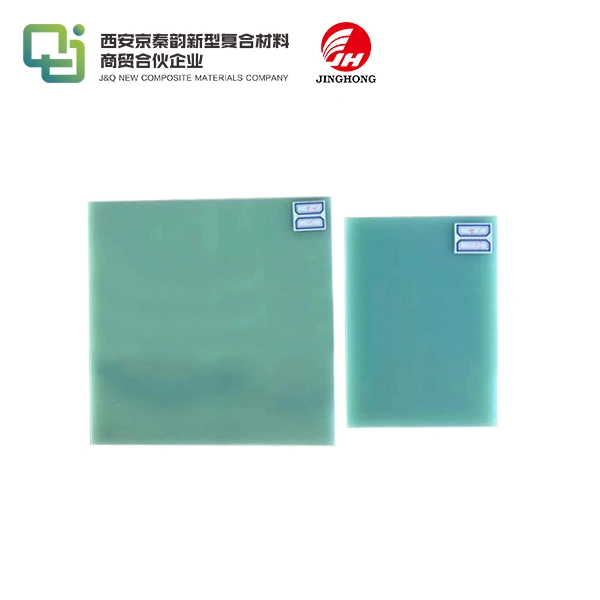
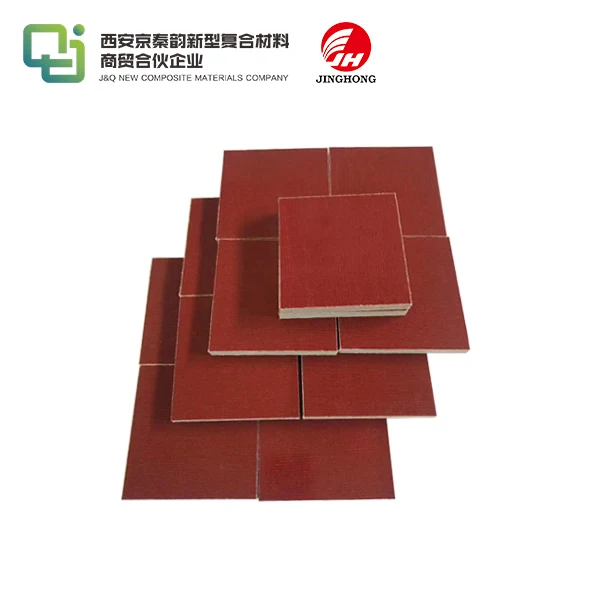
When we talk about materials that power modern industrial operations, FR4 Epoxy Laminate stands as a cornerstone in electrical insulation. This glass-reinforced epoxy resin composite delivers exceptional dielectric properties and mechanical durability that engineers across sectors depend on daily. Adhering to UL94 V-0 flame retardancy classifications and IPC-4101 specifications, this material has become the go-to solution for applications where electrical safety cannot be compromised. In my two decades working with insulation materials, I've witnessed how this laminate consistently outperforms alternatives in demanding environments ranging from transformer substations to automotive battery assemblies.
Understanding FR4 Epoxy Laminate and Its Industrial Insulation Properties
Composition and Core Structure
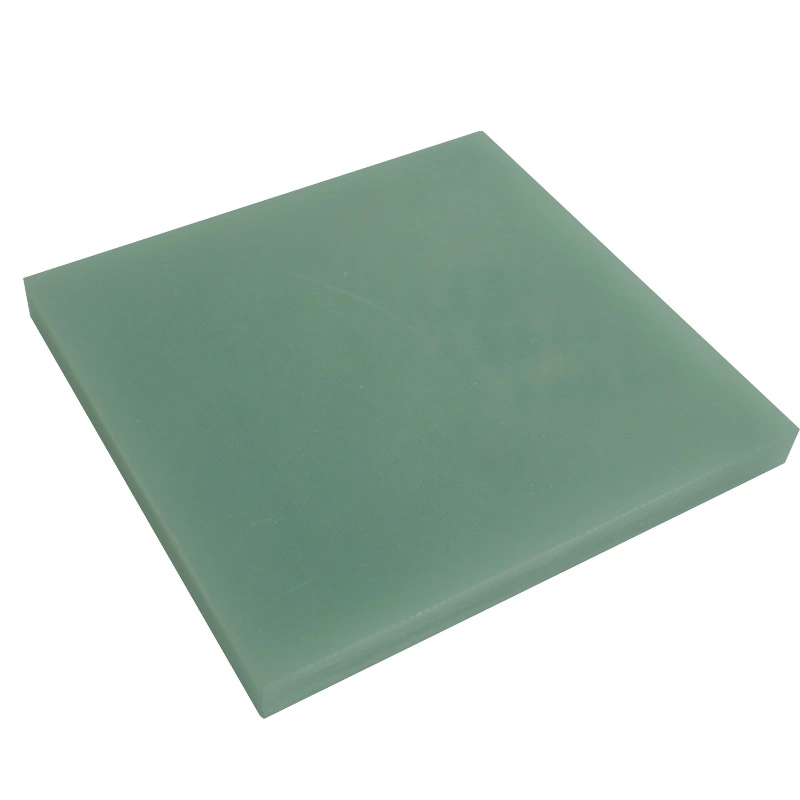
The FR4 Epoxy Laminate composite is a high-tech material made of woven fiberglass cloth and flame-resistant epoxy glue that cures under controlled conditions. The fiberglass reinforcement has a tensile strength of more than 400 MPa along its length, and the epoxy matrix provides better electrical isolation. This uneven structure makes the X and Y axes behave in a predictable way, which is very important for engineering managers who are making insulators for motor or switchgear parts. The brominated chemicals in the resin system make it self-extinguishing, which means that the fire can't spread once the sources of burning are taken away.
Dielectric and Thermal Performance
The material has a dielectric strength greater than 20 kV/mm, which means it can be used in high-voltage areas where arc resistance keeps failures from being catastrophic. With a dissipation factor below 0.02 at 1 MHz, the purity of the signal stays the same in conversations. The glass transition temperature (Tg) tells the difference between product grades. Standard versions work reliably up to 135°C, while High-Tg versions keep their shape at 170°C and higher, which means they can handle lead-free soldering processes that reach 260°C during assembly cycles.
Dimensional Stability and Customization
Consistent electrical performance in humid situations is ensured by water absorption rates below 0.10% after 24 hours of immersion. Controlled heat loss is possible thanks to a thermal conductivity of about 0.25 W/mK in the flat direction. Thicknesses of sheets can be made from 0.5 mm to 100 mm, and limits are kept to ±0.1 mm for precise cutting needs. Because it is flexible, mechanical engineers can give exact measurements for gear blanks, structural spacers, or motor brackets without worrying about the strength of the material.
Comparing FR4 Epoxy Laminate with Alternative Materials for Industrial Insulation
Performance Against Common Laminates
When compared to other options, such as FR1 paper-phenolic composites or polyimide films, this FR4 Epoxy Laminate has better resistance to moisture and bending. FR1 materials break down quickly above 105°C, but our epoxy-based options stay strong in 130°C settings all the time. There are cost benefits to phenolic cotton laminates, but they don't have the consistent dielectric needed for multilayer PCB applications. Polyimide sheets can handle higher temps, but they are hard to get because they need special tools and take a long time to make.
Metal-core PCBs are great at getting rid of heat, but they don't offer good electrical separation, so they can't be used in high-voltage situations. Paper and glass are mixed in CEM-1 composites, which makes their mechanical properties unpredictable when they are loaded. Glass-epoxy laminates have a balanced profile that meets both electrical and structural needs without the problems that come with materials that only have one property. This flexibility is appreciated by procurement professionals who are looking for things like telecommunications backplanes and industrial power distribution tools.
Fire Safety and Compliance Distinctions
In safety-critical installations, flame retardancy makes the difference between materials that meet the requirements and those that don't. The UL94 V-0 grade promises that a vertical flame will go out within ten seconds, which is in line with international electrical standards. Similar materials make up G10 laminates, but they don't have any flame retardants, so they can only be used for non-electronic tasks. When electrical engineers define shielding for switchgear, arcing faults could spark materials that don't meet standards. This difference becomes very important. Formulations that are RoHS-compliant get rid of dangerous substances, which is in line with environmental rules in the automotive and consumer electronics industries.
How FR4 Epoxy Laminate Meets Strict Industrial Insulation Standards
Certification and Quality Frameworks
Following the rules in IPC-4101 makes sure that the FR4 Epoxy Laminate materials are the same from one production batch to the next. UL certification makes sure that a product is flame-resistant by testing it thoroughly, and IEC 60893 standards set the limits for mechanical and electrical properties. Our factories keep their ISO 9001 certification up to date by using statistical process controls to keep an eye on things like resin content, cure cycles, and the consistency of the thickness. Traceability systems keep track of lots of raw materials all the way through to finished things. This lets problems in the field be quickly found and fixed.
Before shipments get to customers, dielectric breakdown voltage, peel strength, and dimensional stability are checked by testing labs that are not part of the company. Differential Scanning Calorimetry shows that the glass transition temperatures are the same as what is written in the datasheet. This keeps the pads from rising during reflow soldering. Inspections of the surface quality find problems like resin hunger, measling, or fiber exposure that could make it harder for copper wrapping to stick. When engineering managers choose materials for mission-critical uses, these multi-layered quality gates give them the confidence they need.
Real-World Application Performance
In telecommunications infrastructure, High-Tg variants are used as bases for server backplanes that handle 5G data rates. The low dissipation factor keeps data security at gigabit speeds by reducing signal loss across multiple layers. Power companies use these sheets to make arc chutes and phase barriers. They rely on breakdown voltages above 45 kV to keep medium-voltage switchgear from flashing over. Automotive battery pack systems have precisely cut barriers that can withstand temperature changes from -40°C to 125°C. These barriers protect lithium-ion cells for the life of the car.
This material is used by aerospace companies to insulate structures in avionics bays, where it meets NASA guidelines for vibration protection and outgassing. The track record in these tough industries shows that strict obedience leads to reliable performance in the field. This validation is used by technical buying teams to judge sellers because they know that certifications are more than just paperwork and help with operations.
Practical Guide to Procuring FR4 Epoxy Laminate for Industrial Applications
Supply Chain and Sourcing Strategies
Global availability through well-established supply networks makes sure that FR4 Epoxy Laminate materials can always be accessed for planning production. Reliable makers keep standard sheet sizes in stock—1000x2000 mm is still common—and offer custom cutting services for unique shapes. Buying in bulk can save you money, especially if you use more than 500 kilograms of something a year. Lead times are usually between two and four weeks for stock thicknesses and up to six weeks for non-standard specifications that need custom layup schedules.
Requesting technical datasheets before purchase decisions allows direct comparison of mechanical properties, thermal ratings, and certification levels. Quality engineers can use sample evaluation tools to make sure that the parts can be machined with existing CNC equipment and that they can be used with existing assembly processes. Supplier audits look at how well they can make things, how they store them, and their quality control systems. This lowers the risks of buying fake or low-quality materials that end up in production settings.
Critical Procurement Considerations
To keep placement accuracy, automated pick-and-place machines need planarity within 0.75%, which means that thickness tolerances have a direct effect on later operations. Surface finish requirements affect how well copper covering sticks and how precisely it etches during PCB manufacturing. The moisture level at delivery shouldn't be more than 0.05%, which means that the goods need to be shipped in vacuum-sealed containers with desiccants. Protocols for storage in temperature-controlled areas stop the absorption of moisture that leads to popcorn during reflow processes.
Getting things ready for review is easier when you have documentation packages with things like Certificates of Compliance, Material Safety Data Sheets, and test results. Partnership-oriented vendors are different from transactional suppliers because they are quick to respond to technical questions and willing to help with application engineering. Long-term contracts with performance guarantees protect against material swaps that might affect qualification status in regulated fields like aerospace or medical devices.
Why Leading Brands Choose FR4 Epoxy Laminate: Trust and Reliability in B2B Procurement
Supplier Reputation and Value Proposition
Global technology companies work with FR4 Epoxy Laminate providers that can show they have decades of experience making things and always give high-quality goods. Companies like Isola Group and Nelco Products have built their reputations by coming up with new high-performance laminates that meet the changing needs of the industry. Their dedication to technological progress is shown by the money they have put into research labs that are making low-loss dielectrics and halogen-free formulations. Testimonials from customers of car tier-one suppliers and telecommunications equipment makers show that the material works well in production settings.
Industry recognition through awards and certifications shows that a supplier can do what they say they can do. Being a part of groups that create standards makes sure that material specs are in line with new needs, such as the integrity of 5G signals or the management of heat in electric vehicles. Technical support teams that offer application engineering help procurement professionals choose the best materials for each use case, which cuts down on approval times and sample iterations.
Innovation and Sustainability Initiatives
Being good to the environment leads to the creation of bio-based plastic systems and reusable laminates that lower carbon footprints without lowering performance. Closed-loop water cleaning systems in factories reduce the damage they do to the environment, which helps companies meet their green goals. Conflict-free minerals and fair labor practices are guaranteed by transparent supply chain buying, which meets the due diligence needs of publicly traded customers.
Material improvements are still being made with the goal of making them better at conducting heat for use in power electronics and lowering their dielectric constants for use in high-frequency circuits. Because of these improvements, glass-epoxy laminates are now at the cutting edge of new technologies like self-driving cars and renewable energy systems. When procurement professionals choose materials from forward-thinking suppliers, they get early access to next-generation solutions, which gives them a competitive edge.
Conclusion
We've looked at how the FR4 Epoxy Laminate composition, compliance with certifications, and agreements between suppliers work together to make reliable industrial insulation options. Because they are electrically isolated, strong, and don't catch fire, these composites are essential in the production of electronics, the spread of power, the design of car systems, and the production of industrial machines. International standards and strict quality control procedures are what make sure that products always work well in tough situations. When purchasing managers work with global supply chains, knowing these technical details and what suppliers can do helps them make choices that balance performance needs with business goals. This supports both high-quality production and safe operations.
FAQ
What distinguishes standard FR4 from High-Tg variants in practical applications?
Standard grades stay the same size up to 135°C, so they can be used for normal welding and places with mild temperatures. High-Tg formulations can handle lead-free soldering temperatures up to 260°C without the risk of delamination. The higher glass transition temperature stops the Z-axis from expanding during heat cycles, which is very important for multilayer PCBs and electronics in cars. When buying things, decisions should be made that match the types of materials with the temperatures and conditions used in the assembly process. High-Tg materials cost more, but they don't need to be fixed as often because they don't lift or warp.
How does moisture content affect electrical insulation performance?
Even very small amounts of water, less than 0.10%, can lower the dielectric strength and cause popcorn, which is explosive delamination when the water that was absorbed evaporates during reflow heating. When stored properly in sealed containers with desiccants, low levels of moisture are kept until the food is processed. Materials that have been in wet conditions can be fixed by baking them at 105°C for four hours. Before putting materials on production lines, quality control methods should use Karl Fischer titration to check the moisture level. This is especially important for high-reliability applications like medical devices or aerospace.
What tooling requirements apply to machining these laminates?
Because the glass fibers are rough, you need cutting tools with carbide or diamond tips. Fast wear makes high-speed steel dull faster, which extends cycle times and causes surface finish flaws. When compared to metal cutting, CNC programming should lower feed rates by 30% while keeping tool speeds right for resin systems. Dust filtering systems keep workers safe from breathing in glass particles. Using coolant stops heat stress that could lead to microcracking. Investing in the right tools can lower the cost of cutting each unit by making the tools last longer and making the measurements more accurate.
Partner with J&Q for Certified FR4 Epoxy Laminate Supply
J&Q brings more than twenty years of experience making insulation sheets directly to the process of buying them. As a well-known provider of FR4 Epoxy Laminate, we offer both high-quality production and easy operations through our combined shipping services. Our technical team can help you with application engineering, sample programs, and full datasheets that are specific to your insulation needs. Every shipment is backed by UL and IPC certifications, so engineering managers and procurement specialists don't have to worry about where to get parts. Visit jhd-material.com or email us at info@jhd-material.com to talk about how our one-stop service model can help you get the quality your applications need while streamlining your supply chain.
References
1. Institute for Printed Circuits (2021). IPC-4101E Specification for Base Materials for Rigid and Multilayer Printed Boards. Bannockburn: IPC Publications.
2. Underwriters Laboratories (2020). UL 94 Standard for Safety of Flammability of Plastic Materials for Parts in Devices and Appliances. Northbrook: UL Standards Division.
3. International Electrotechnical Commission (2019). IEC 60893-3-2 Insulating Materials - Industrial Rigid Laminated Sheets Based on Thermosetting Resins for Electrical Purposes - Part 3: Specifications for Individual Materials - Sheet 2: Requirements for Epoxy Resin Laminated Sheets. Geneva: IEC Central Office.
4. Coombs, Clyde F. (2018). Printed Circuits Handbook, Seventh Edition. New York: McGraw-Hill Education.
5. Harper, Charles A. (2017). Electronic Materials and Processes Handbook, Fourth Edition. New York: McGraw-Hill Professional.
6. National Electrical Manufacturers Association (2022). NEMA LI 1-1998 (R2022) Industrial Laminated Thermosetting Products. Rosslyn: NEMA Standards Publication.