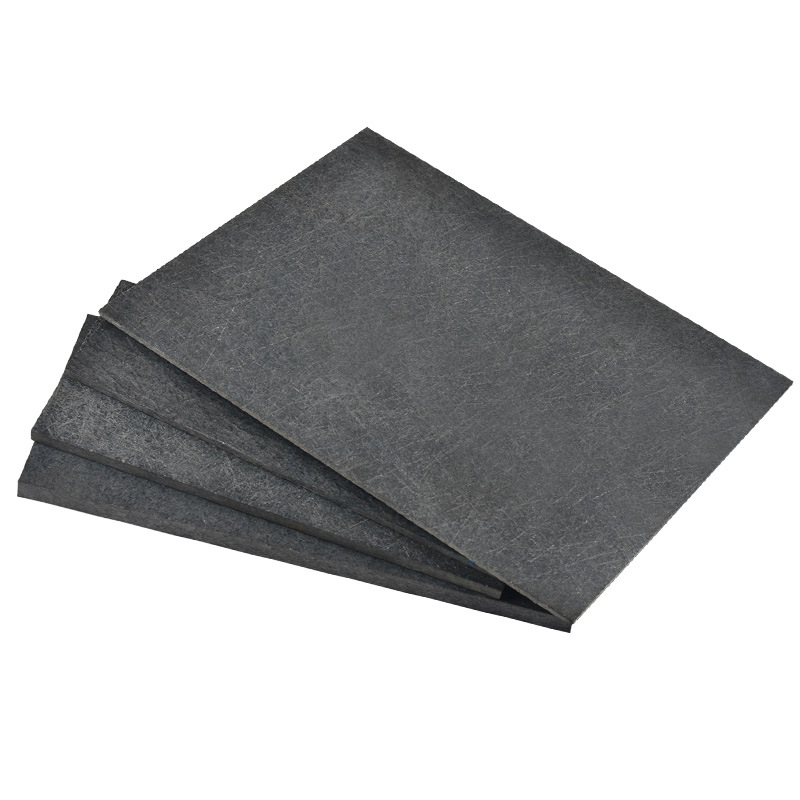
How Does Bakelite Board Perform in Electrical Insulation Systems?
2026-08-06 17:18:25
When engineering managers and procurement specialists evaluate insulation materials for high-voltage applications, bakelite board consistently emerges as a proven solution. This phenolic laminated sheet delivers reliable dielectric strength—often exceeding 10kV/mm—combined with dimensional stability that withstands mechanical stress and temperature fluctuations. Unlike thermoplastic alternatives that soften under heat, bakelite board maintains its rigid structure in demanding environments, making it indispensable for switchgear, motor components, and transformer barriers. Its cost-effectiveness and superior machinability further position it as a strategic choice for both legacy systems and modern electrical infrastructure.
Understanding Bakelite Board and Its Role in Electrical Insulation
The Composition and Manufacturing Process
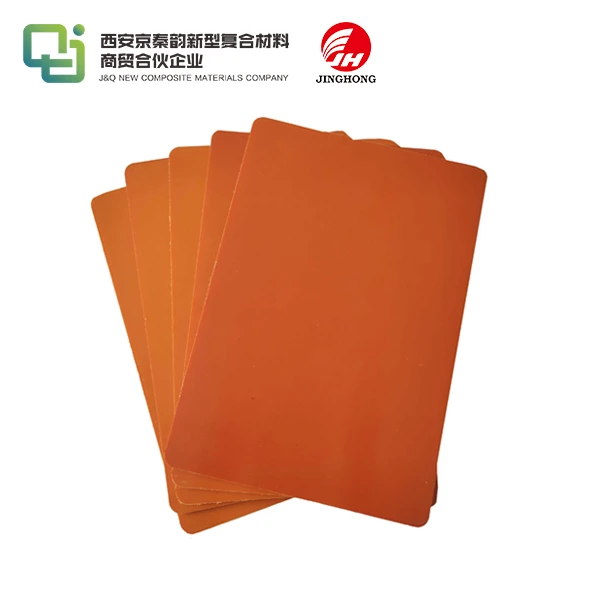
Leo Baekeland's 1907 patent led to the creation of bakelite board, which was the first manufactured plastic material in the world. Layers of paper or glass cloth are saturated with phenol-formaldehyde resin, and then they are heated and pressed in an exact way to make this thermosetting phenolic resin material. The end result is a thick, rigid sheet that can't be burned once it's hardened. This gives it the best physical stability possible. We've been making things for 20 years and know that quality control during the curing stage has a direct effect on how well the board works electrically and how reliable it is in the field over time.
Key Characteristics That Define Performance
The specific gravity of the material is between 1.30 and 1.45 g/cm³, which is the best range for weight and structural stability. It can handle common industrial contact situations because it is resistant to acids, solvents, and natural oils that don't oxidize. The amount of water that is absorbed meets NEMA standards, which protects the insulation's resistance over long periods of service. Because of these natural qualities, electrical engineers still use phenolic laminates even though newer synthetic materials have become very popular in recent years.
Why It Remains Relevant in Modern Systems
For modern electricity systems to work, the materials used must be able to connect old structures with new safety standards. Bakelite board meets the requirements of NEMA LI-1 in a number of grades: X, XX, and XXX for paper-based versions; C, CE, L, and LE for versions strengthened with canvas and linen. Because it can be used in so many different ways, buying teams can choose the exact grade needed for everything from low-voltage control screens to high-voltage transformer insulation. Because the material can be treated to be anti-static and is easy to machine, it can be used with automatic production lines without slowing them down or losing accuracy.
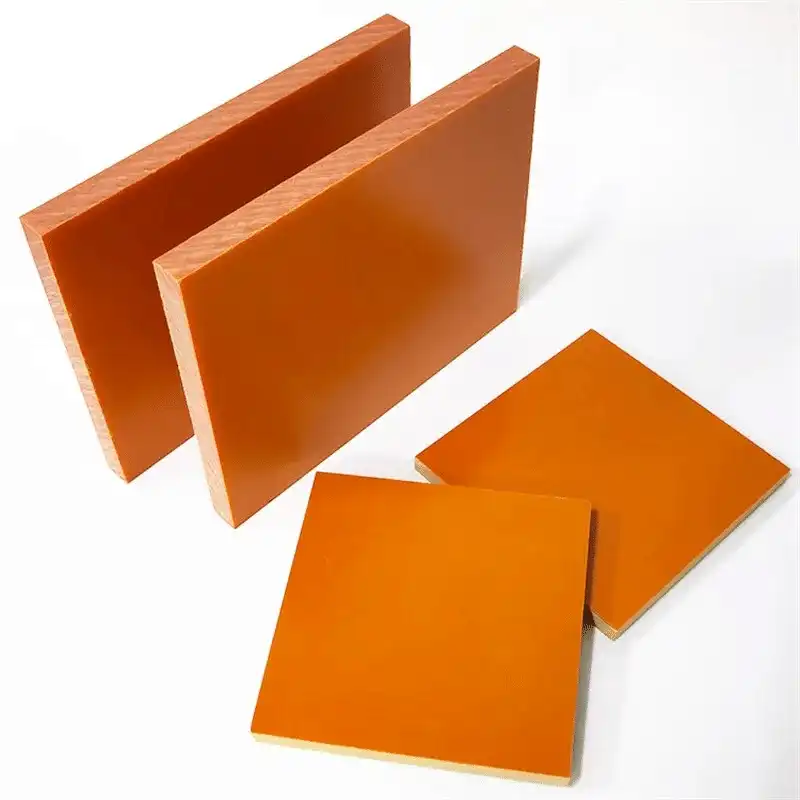
Performance Dimensions of Bakelite Board in Electrical Insulation Systems
Dielectric Strength and Insulation Resistance
The main thing that is used to judge insulation materials for electrical uses is their breakdown voltage capacity. In oil step-by-step tests done according to ASTM D149 guidelines, bakelite board usually shows breakdown voltages higher than 10kV/mm. Because of this dielectric strength, the material can be used for electrical insulation classes E (120°C) and B (130°C), which are enough for most industrial motor and circuit needs. Insulation resistance stays the same under normal working conditions. This stops current leakage that could make the system less safe or cause annoying circuit breaker hits.
Thermal Stability and Operating Temperature Limits
The highest temperature that standard bakelite board grades can handle continuously is between 120°C and 130°C. Above 150°C, the phenolic resin structure starts to break down, which causes carbonization and a gradual loss of insulation qualities. When engineers design motor housings or transformer coil barriers, they have to take into account both the temperature of the environment and the heat that is produced when electricity is lost. During our technical discussions, we often talk about this thermal envelope. We help our clients choose the right sheet thickness and cooling systems to keep working temperatures within safe limits.
Mechanical Robustness Under Load
The mechanical qualities of a material often decide whether it can be used in situations with vibration, rising pressure, or impact forces. Flexural strength testing according to ASTM D790 shows that bakelite board keeps its flat surface and doesn't shift when stressed. This quality is very important in switchgear assemblies where insulation barriers need to keep the exact distance between bus bars that are powered on and enclosures that are grounded. The lamination bond strength between the resin and filler layers stops delamination during punching, drilling, and shearing processes, which is a typical way for poor phenolic sheets to fail.
Chemical and Moisture Resistance
Hydraulic fluids, cleaning solvents, and air moisture can get into insulation materials in industrial settings. The phenolic core in bakelite board doesn't break down easily with most chemicals that don't oxidize. This keeps the structure strong where thermoplastic insulators would grow or dissolve. Water absorption tests according to ASTM D570 confirms that sheets that were made correctly absorb very little water, keeping their dielectric strength even when it's wet outside. This makes it last longer between repair visits and lowers the total cost of ownership for people who build machines and run power distribution systems.
Comparing Bakelite Board with Alternative Insulation Materials
Bakelite Board Versus FR4 Epoxy Glass
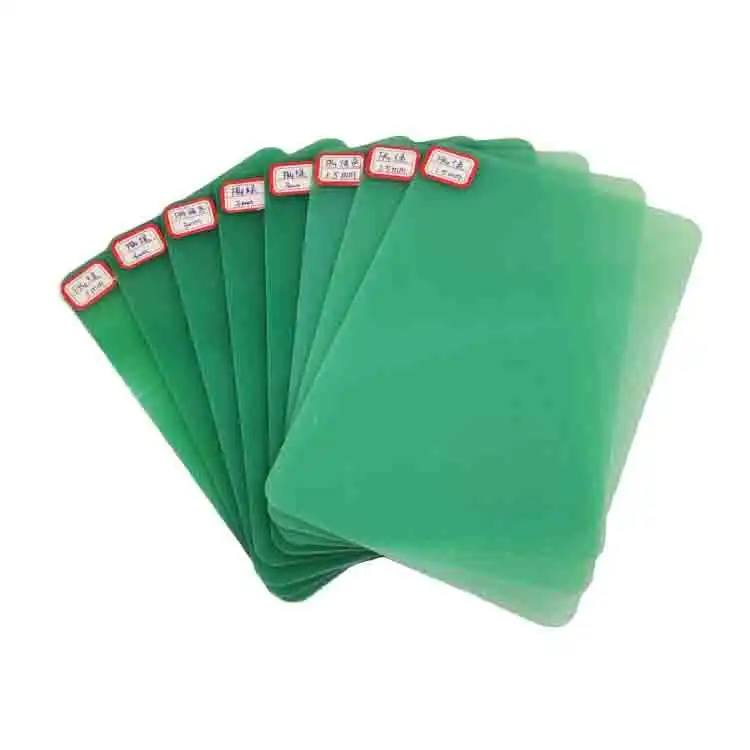
When compared to regular phenolic laminates, FR4 fiberglass-reinforced epoxy boards are stronger and better at keeping fires out. The epoxy matrix is better at keeping out water and can work at slightly higher temperatures. FR4, on the other hand, costs a lot more than similar bakelite board grades—often 40 to 60 percent more. When purchasing managers look at general-purpose insulation jobs that don't need to meet FR4's strict requirements, they find that phenolic laminates work just as well at much lower material costs. In high-volume production situations like making appliances or putting together car parts, this difference in cost becomes very big.
Performance Comparison with Mica and Ceramic Insulators
When the temperature is very high, above what bakelite board can handle, mica sheets and ceramic insulators work really well. Mica keeps its insulating qualities above 500°C, which makes it essential for furnace parts and some aircraft uses. Ceramics have similar temperature benefits and can't catch fire at all. But both materials are hard to work with because they are rigid and hard to machine. This makes mechanical assembly more difficult. Because bakelite board is so good at CNC machining, it can be used to make complex shapes, precise holes, and tight tolerances without the need for special tools. This processing advantage cuts down on the time it takes to make something and the money it costs to hire workers.
Canvas Phenolic Versus Paper Phenolic Grades
The choice between phenolic types made from cloth and paper depends on whether the application needs to be mechanical or electrical. The X, XX, and XXX grades of paper phenolic are the best for electrical voltage insulation and punching, which makes them perfect for transformer barriers and PCB drilling backup boards. The C and L grades of canvas phenolic offer better impact strength and mechanical toughness, making them better for gears, structural spacers, and wear-resistant parts in industrial machinery. In this grade selection process, our expert team helps clients make sure that the material specs match the main stress factors in their application.
Procurement Insights for Bakelite Board in Global B2B Markets
Evaluating Supplier Reliability and Certifications
When making sourcing decisions, you need to check the quality systems and material certifications of suppliers. Manufacturers with a good reputation make sure their products meet the requirements of NEMA LI-1, IEC 60893, and JIS K 6912 by getting third-party test results that show the dielectric strength, water absorption, and mechanical qualities. UL approval and ROHS compliance licenses meet the rules in the European and North American markets. Ten years of experience trading with other countries has taught us that suppliers with clear inspection protocols and batch tracking provide more consistent material quality than those who don't have documented quality management systems.
Thickness Tolerance and Dimensional Accuracy
For important assembly fits, thickness tolerances must be very close, usually within ±0.1mm to ±0.5mm, based on the sheet size and grade. Bad manufacturing methods make sheets with too many differences in thickness, which makes it hard for automatic assembly lines and PCB cutting machines to fit the sheets together. Tolerance requirements and verification methods should be made clear in the procurement specifications. Requesting pre-shipment dimensional inspection reports is helpful for large buyers because they prove conformance before materials enter production processes. This proactive quality check stops production delays and repair situations that cost a lot of money.
Customization Services and Lead Time Considerations
For OEM uses, sheets often need to be cut to particular sizes, have holes already drilled in them, or have special surface processes applied to them. Suppliers that offer full customization services make the buying process easier by combining steps that would normally need to be done by different vendors. Our combined logistics skills allow us to provide a one-stop service that includes preparing materials, cutting them precisely, and sending them internationally all under one project management umbrella. Lead times range from two weeks for normal sheet sizes to four weeks for fully personalized parts, depending on how complicated the customization is and how many items are ordered. Planning buying cycles around these dates keeps schedules from getting thrown off.
Case Studies and Application Examples Demonstrating Bakelite Board Performance
Switchgear Insulation Barrier Success
A power distribution company in the Midwest updated old equipment by using Grade XXX paper phenolic barriers that were made to handle 15kV. The material's high dielectric strength and flame resistance kept people safe from arc flashes, and its ability to be machined made it easier to install in tight panel spaces. Over the course of three years, the installations had no problems with the insulation and needed less upkeep than fiberglass options that had been used before. This result proved the process of choosing the materials was correct and set phenolic laminates as the standard for future improvements.
Motor Component Optimization
Instead of injection-molded plastic housings, a Tier 1 car supplier changed the design of motor insulation frames to use Grade L canvas phenolic sheets. Because phenolic material is thermally stable, it didn't bend like plastic models did when they were used continuously. With precision CNC machining, tight fitting specs were reached without the need for extra finishing steps. The cost of production went down by 18% while thermal management got better. This shows that switching out materials can improve performance and lower costs at the same time.
Transformer Coil Insulation Enhancement
After field failures with other materials, a transformer maker with industrial clients switched to Grade XX paper phenolic coil barriers. The phenolic sheets didn't absorb much water, so they kept their insulation properties in wet coastal areas where other insulators broke down. Five-year failure rate data showed a 72% drop in warranty claims, which saved a lot of money on repair costs and helped the company's image. This case shows how important it is to match the properties of a material to its actual use, rather than just meeting the minimum requirements.
Conclusion
Its stable dielectric strength, thermal stability within defined working windows, and low cost make it easy to machine all show that bakelite board is still useful in electrical insulation systems. It has been used for over a hundred years in everything from old telephone switchboards to current car battery barriers. This shows that basic qualities of the material are still useful even as technology changes. When purchasing things, phenolic laminates are always the best choice when electrical performance, mechanical needs, and budget constraints are all taken into account. When engineering teams know about grade differences, thickness tolerances, and performance requirements specific to an application, they can choose materials that will last for a long time in harsh industrial settings.
FAQ
What thickness works best for high-voltage insulation applications?
The choice of thickness relies on the power and the limitations of the installation. For uses below 5kV, sheets 3mm to 6mm are common. For higher voltages, sheets 10mm or more may be needed to keep safety margins at a good level. Checking IEC standards and doing voltage withstand tests proves that the width is right.
How does bakelite board compare to fiberglass sheets regarding durability?
Fiberglass-reinforced epoxy is better at keeping out water and has a slightly higher mechanical strength. For most industry uses, phenolic laminates are durable enough and don't cost as much. Instead of assuming that one material will always perform better than another, material selection should focus on the most important stress factors, such as electrical, mechanical, or environmental.
Can the material withstand harsh industrial chemicals?
Mineral oils, non-oxidizing acids, and most liquids can't damage phenolic resin. Over time, strong alkalis and chemicals that oxidize may break down the material. Material compatibility is ensured by going over specific chemical exposure scenarios with suppliers.
Partner with J&Q for Proven Bakelite Board Solutions
Engineering managers looking for a reliable bakelite board provider will find that J&Q has both manufacturing skills and a wide range of service skills that have been built up over 20 years. Before they are sent out, our quality control methods make sure that every sheet meets the requirements of NEMA, IEC, and UL. Customization services, such as precise cuts and pre-drilled designs, effectively meet the needs of OEMs. We make it easier to buy things for complicated electrical insulation projects by combining logistics support and direct access to technical advice. Visit jhd-material.com or email info@jhd-material.com to talk to our team about your application needs and get full product specs. Because we've worked with electrical makers, machinery builders, and power distribution companies before, we can provide materials that meet both performance standards and delivery dates.
References
1. Baekeland, L.H. (1909). "The Synthesis, Constitution, and Uses of Bakelite," Industrial and Engineering Chemistry, Volume 1, Issue 3.
2. National Electrical Manufacturers Association (2018). "NEMA Standards Publication LI 1-1998: Industrial Laminated Thermosetting Products," National Electrical Manufacturers Association.
3. International Electrotechnical Commission (2019). "IEC 60893-1: Insulating materials – Industrial rigid laminated sheets based on thermosetting resins for electrical purposes – Part 1: Definitions, designations and general requirements," International Electrotechnical Commission.
4. Harper, C.A. (2004). "Handbook of Plastics, Elastomers, and Composites," Fourth Edition, McGraw-Hill Professional.
5. ASTM International (2017). "ASTM D149-09: Standard Test Method for Dielectric Breakdown Voltage and Dielectric Strength of Solid Electrical Insulating Materials at Commercial Power Frequencies," ASTM International.
6. Tanaka, T. and Greenwood, A. (1983). "Advanced Power Cable Technology: Present and Future," CRC Press.