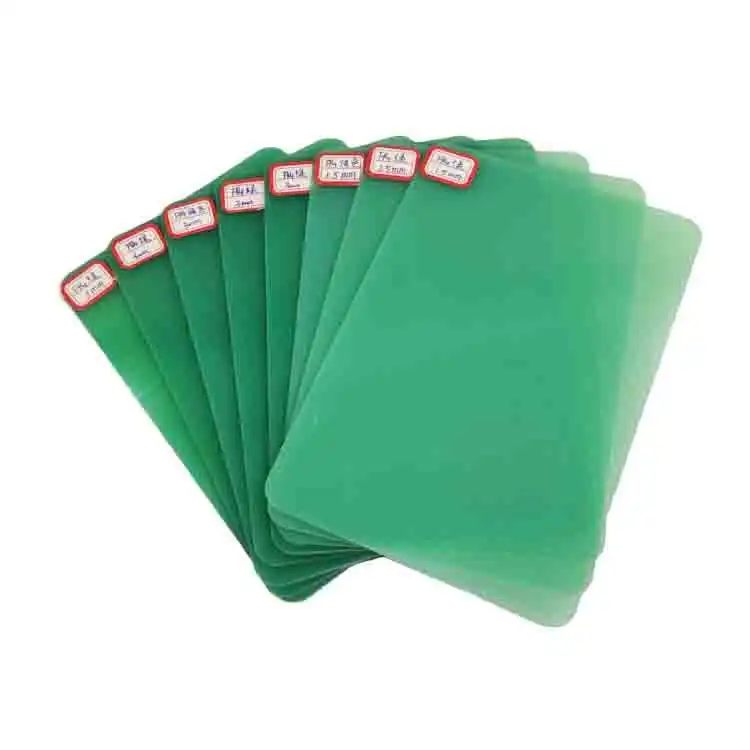
G10 Sheets for Robotics: Balancing Weight and Rigidity
2026-07-01 17:24:42
When robots engineers have to make parts that are both light and strong, G10 sheet stands out as a great option. The woven glass cloth and epoxy glue in this high-pressure fiberglass laminate give it an amazing strength-to-weight ratio that makes it stronger than metals and plastics. When it comes to robotics, where every gram matters for performance and power use, G10 sheet material gives the rigidity needed for precise moves while keeping the total system weight manageable. The use of this engineered composite solves important design problems that have been bothering robots companies for a long time as they try to find the best balance between longevity and speed.
Understanding G10 Sheets and Their Role in Robotics
Material Composition and Manufacturing Process
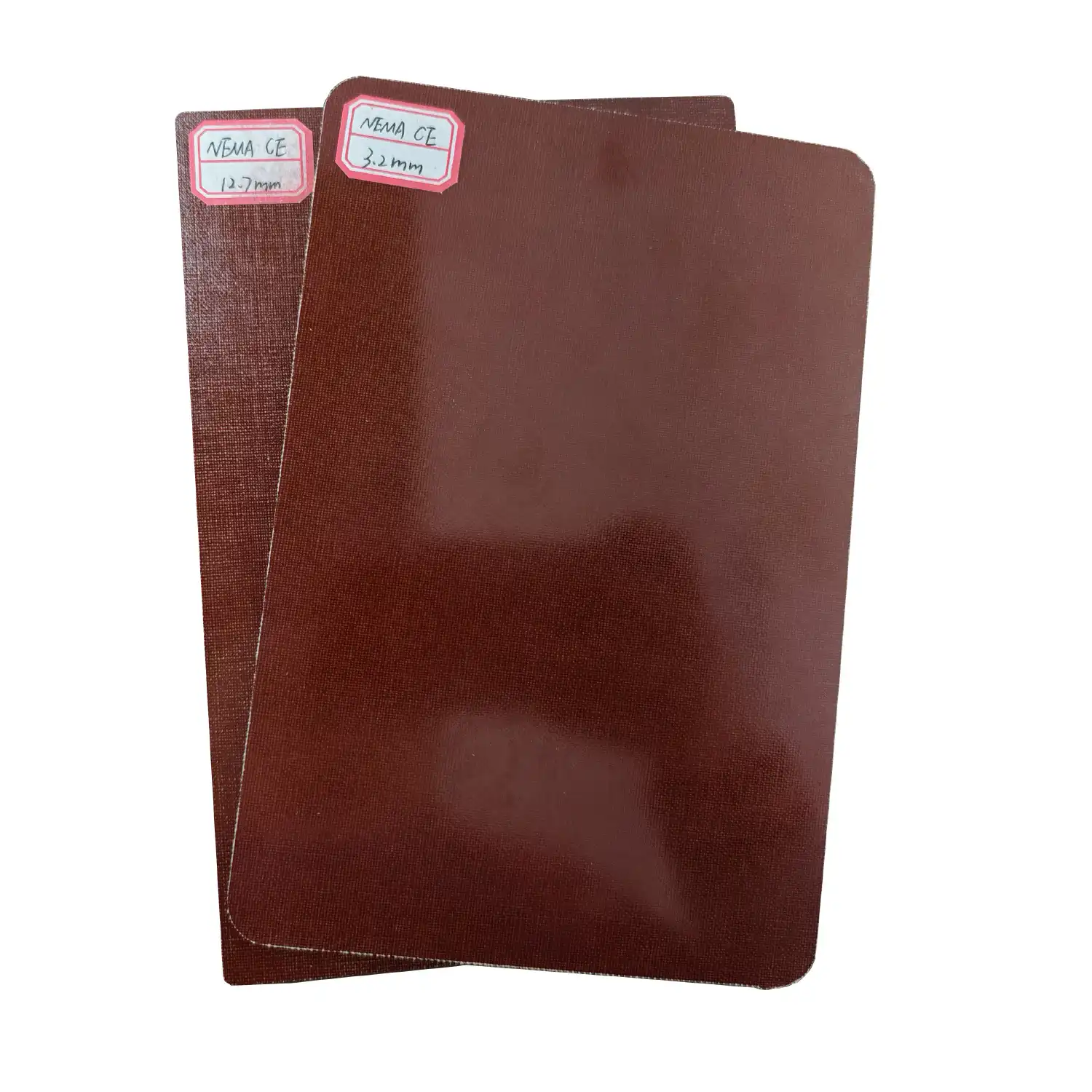
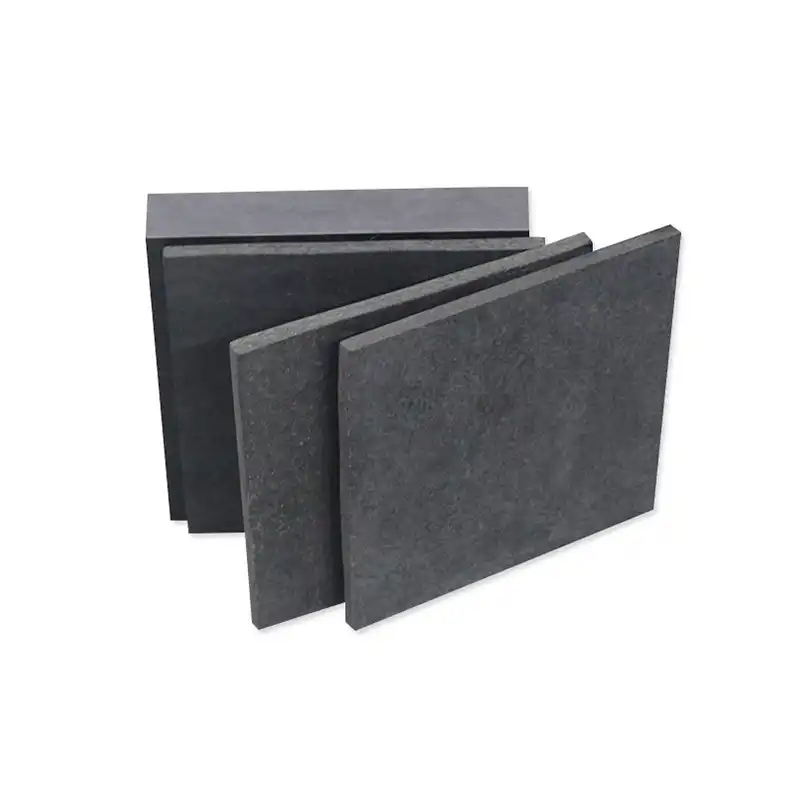
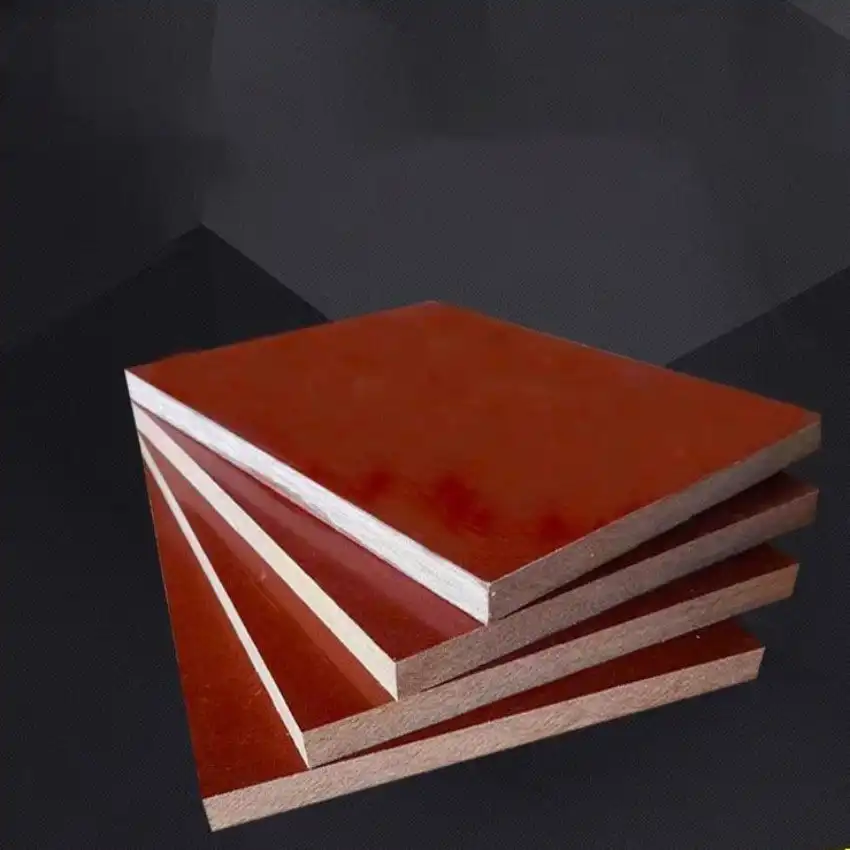
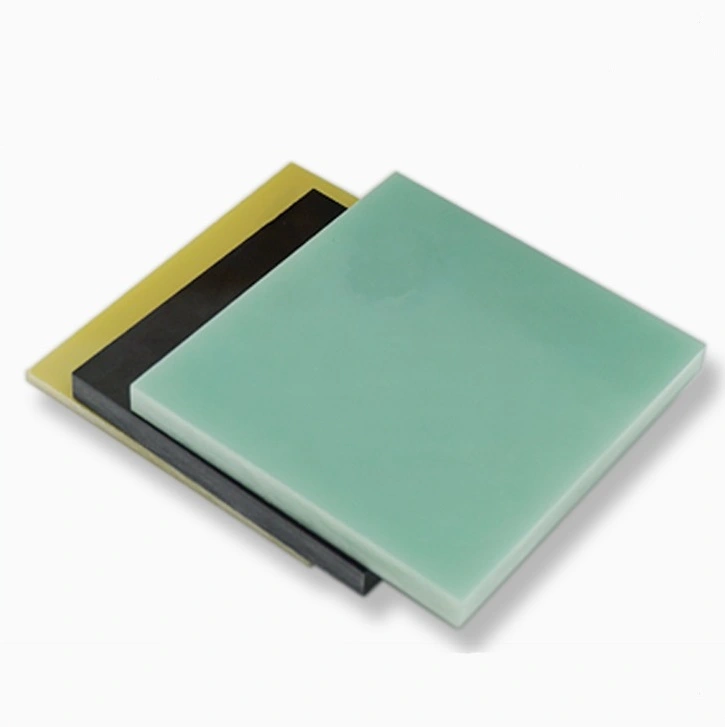
G10 sheet is a thermosetting industrial laminate made from continuous thread glass cloth that has epoxy glue soaked into it. Several layers of glass cloth are stacked on top of each other and fully covered in epoxy binder. The whole thing is then heated and put under a lot of pressure until the resin hardens into a solid mass. This controlled pressing process gets rid of air pockets and makes sure that the material's features stay the same across the whole thickness of the sheet. The glass reinforcement makes the phenolic laminates more stable and resistant to moisture than paper bases. This is especially important in robotics settings where changes in humidity could affect the accuracy of the parts.
Key Mechanical Properties for Robotic Applications
Because of how they behave mechanically, G10 sheet laminates are perfect for robotic structure parts. Tensile strength is around 40,000 psi perpendicular to the laminations, and flexural strength is around 60,000 psi, which means it is very resistant to the twisting forces that are common in robotic arm systems. The material keeps its bending stiffness at about 2.5 million psi, which means it doesn't bend much when it's loaded. It's also important that the dielectric strength is higher than 15 kV per millimeter. This provides electrical protection that keeps sensitive electronics safe from short circuits in small robotic designs. The almost-zero water absorption rate keeps the material from swelling, which would make it harder for servo mounting frames and sensor housings to meet precise standards.
Common Applications in Robotic Systems
Robotic makers use G10 sheet laminates in a number of important parts. Articulated arm pieces are stiffer and lighter than metal versions of the same strength thanks to the rigidity of the material. End effector fixing plates use the steadiness in dimensions to keep the tool precisely positioned during repeated operations. Insulating spacers inside motor housings use their great dielectric qualities to keep electricity from leaking between the high-voltage windings and the grounded frame elements. Gear plates made from G10 sheet are resistant to wear and are used in low-speed transmission units where metal gears would add extra weight.
Challenges in Balancing Weight and Rigidity in Robotics Components
The Weight-Performance Tradeoff Dilemma
Robotic system makers have to deal with the strain between keeping the structure strong and reducing the mass all the time. While heavier parts are naturally stiffer, they also raise inertial loads, which means that stronger motors are needed, which use more energy and produce heat that isn't needed. As a result, structure parts that are lighter immediately lead to fewer actuators being needed, less power being used, and better thermal management. Lightweight plastics solve the problem of mass, but they aren't always rigid enough, which can cause vibrations and positioning mistakes that make automated assembly jobs or quality inspection processes less accurate.
Material Limitations in Conventional Solutions
There are clear problems with using traditional materials in robots. Aluminum metals are strong for their weight, but they conduct electricity, so they need extra layers of insulation that take away any weight saves. Steel is very strong, but it adds too much weight to situations where acceleration and braking need to happen quickly. Standard industrial plastics, such as ABS or polycarbonate, are good at reducing weight, but they creep when they are loaded for a long time. This means that their dimensions change slowly over time, which makes them less accurate in the long run. Also, these materials grow a lot when the temperature changes, which can cause problems with placement in places where the temperature changes a lot.
How G10 Addresses Core Design Constraints
Through their designed composite structure, G10 sheet laminates meet all of these different needs. The constant glass fiber reinforcement makes the material stiff like metals while only having a quarter of the mass. The thermoset epoxy material doesn't grow, so it stays the same size even when it's under constant stress for a long time. The very low coefficient of thermal expansion keeps the same size across a wide range of temperatures, which keeps the calibration in robotic cells that are heated by welding operations nearby or cooled by areas that are kept cool. Industry research shows that robotic arms with G10 sheet structure parts have 30% faster cycle times than similar steel-framed designs. This is because they have 30% less moving mass.
Technical Insights: Optimizing G10 Sheets for Ideal Weight-to-Rigidity Ratio
Thickness Selection and Structural Design
To get the best performance, you need to carefully choose the thickness based on a load study. Thinner sheets, between 1.5 and 3 mm, work best in situations where weight reduction is important, like with drone-mounted robotic grippers or light collaborative robots. Thicknesses between 6 and 12 mm are a good compromise between stiffness and mass for general-purpose industrial robot parts that bend slightly. Heavy-duty uses, like large-scale robots that move materials, may need 19–25 mm sheets that can handle high pressure loads without deforming too much. Using beam displacement formulas and the material's flexural modulus, engineers can figure out how thick something needs to be to work under certain loading conditions.
Fiber Orientation and Layering Strategies
Engineers can make woven glass cloth stronger along main load lines by changing how it behaves in different directions. It is possible to arrange sheets so that the strongest warp direction lines up with the highest bending stress. This makes the structure work better. Some companies make cross-ply laminates, which have alternate layers that are angled at 90 degrees. These have more consistent features in all directions, but they are a little heavier. By knowing about these uneven properties, designers can carefully place materials, using thicker parts only where analysis shows high stress concentration and keeping thinner profiles in areas with low load.
Testing and Validation Methods
Multiple testing methods are needed to confirm the performance of G10 sheet components. Three-point flexural testing according to ASTM D790 measures the bending strength and stiffness to make sure the material meets the design standards. Predicting stress distribution and bending patterns with finite element analysis models before making a real prototype cuts down on development time. Samples are put through rounds of high temperatures and humidity during accelerated age tests, which confirms that the dimensions will stay the same over time. A lot of procurement teams ask for test papers that list these qualities. This makes sure that the material is the same from one production batch to the next. The proof data is especially useful when parts are being tested for robotics use in tough industries like making cars or moving drugs.
Hybrid Structure Design Approaches
In order to get the best performance, advanced robotic designs sometimes mix G10 sheet with elements that work well together. Metal plugs bonded into G10 sheet surfaces provide threaded connection points that are stronger than tapped holes in the laminate alone when it comes to pulling them out. For big robotic platform bases, sandwich designs with G10 sheet face sheets on top of lightweight honeycomb cores achieve very high stiffness-to-weight ratios. Selective reinforcement with carbon fiber cloth in areas that are under a lot of stress can improve strength without having to replace whole systems with more expensive carbon composites. These mixed approaches need careful attention to matching thermal expansion and gluing methods, but they offer performance benefits that are hard to get with designs made of just one material.
Procurement Considerations for G10 Sheets in Robotics Projects
Critical Selection Criteria and Specifications
When looking for G10 sheet material, purchasing managers have to look at a number of specs. Tolerances for thickness are very important, especially for parts that need to fit perfectly in robotic systems. The NEMA LI-1 grade number shows how well the material works at normal temperatures, and knowing the difference between G10 sheet and FR4 types helps teams choose the right flame resistance features. Dual-rated G10/FR4 material is useful for many robotic uses because it has good mechanical qualities and can put out fires on its own. In global markets, safety rules and environmental laws are met by certification paperwork that shows UL approval and RoHS compliance.
Cost-Performance Analysis
When buying things on a budget, you need to compare G10 sheet to other options based on their total cost, not just the price of the materials. Although G10 sheets are more expensive per pound than aluminum, the shorter time needed for grinding because they are easier to cut helps to cover some of the cost of the raw materials. More money can be saved by not having to do extra coating processes for electrical shielding. Logistics economics are better when finished parts that are lighter mean lower shipping costs. Service life is taken into account, as G10 sheet's resistance to rust and wear means that it doesn't need to be replaced as often as metals that oxidize or crack under stress.
Supplier Reliability and Technical Support
Building ties with skilled G10 sheet suppliers has benefits beyond just providing goods. Manufacturers with a lot of technical understanding help customers choose the right thickness and grade based on their needs. Quick technical support teams figure out problems with cutting and recommend the right tools for smooth edge cuts without delamination. Consistent quality systems make sure that differences in properties from batch to batch stay within acceptable limits. This stops performance from changing from one production run to the next. Reliable shipping plans and enough inventory keep projects on track when the time it takes to put together a robotic system depends on knowing when materials will be available.
Future Trends and Innovations in G10 Sheet Applications for Robotics
Emerging Composite Technologies
The composite materials business keeps improving G10 sheet formulations to meet the needs of robots. Changes made to epoxy resin systems make them tougher, which lowers worries about brittleness in uses that are likely to be hit, like self-driving mobile robots moving around in a warehouse. Thinner glass cloth weaves allow sheets to be thinner while keeping their mechanical qualities, which helps reduce weight even more. Some companies are looking into mixed supports that use both glass and aramid fibers. They want to find the best combination of properties that balance cost and performance for specific robotic uses.
Sustainability and Environmental Compliance
Bio-based epoxy resins that come from green sources instead of petroleum feedstocks are becoming more popular as people become more aware of environmental issues. These eco-friendly options cost more now, but as production goes up, prices should become equal in the future. As rules about end-of-life products change, recycling becomes more important. For example, researchers are looking into ways to get glass fiber out of finished laminates so that they can be used again. When customers put environmental responsibility along with technical performance, procurement strategies that include environmental effect assessments put forward-thinking robotics makers in a good situation.
Integration with Smart Manufacturing
Robotics can use G10 sheet more effectively thanks to new ways of making things. Automated CNC grinding with real-time tracking of tool wear improves cutting parameters and increases the life of carbide tools, even though the material is rough. Digital twin modeling suggests how a part will work under different loads before it is actually tested, which speeds up the development process. Digitizing the supply chain makes it possible to send pre-cut blanks just in time, which lowers the cost of keeping inventory and keeps production flexible. These technical additions make it easier for robotics makers to use G10 sheet's material benefits over the course of a product's lifecycle.
Conclusion
Robotics engineers love G10 sheet laminates because they are a great way to find the perfect mix between making structures that are light and strong. The material's high mechanical strength, electrical insulation, physical stability, and good strength-to-weight ratio solve some of the most important problems in designing robotic parts. By carefully choosing specifications, building relationships with suppliers, and making sure that quality standards are met, buying teams can find materials that meet strict performance standards and help production operations stay within their budgets. As composite technology improves and concerns about ecology grow, G10 sheet keeps changing to meet the needs of the robots industry in the future.
FAQ
What advantages do G10 sheets offer over aluminum in robotic arms?
G10 sheets are about 25% lighter than aluminum and have the same level of stiffness, so they can accelerate faster and use less motor power. Electrical insulation takes away the need to worry about grounding, and the material's resistance to rust makes it last longer in damp places without protective coats.
How do I prevent delamination when machining G10 components?
Sharp carbide or diamond-coated tools should be used with the right feed rates and spinning speeds. Hold the material firmly to keep it from shaking, and when you can, use climb milling methods. If you remove the dust properly, chips won't build up and cause tearout at the exit points.
Are there industry standards for G10 quality in robotics applications?
The ASTM D709 standard talks about thickness limits, while the NEMA LI-1 standard talks about basic qualities. A lot of companies that make robots need to be UL-approved for electrical insulation uses and RoHS-compliant for environmental reasons. To make sure that the material is consistent, you should ask for verified test results for its flexural strength and dielectric qualities.
Partner with J&Q for Premium G10 Sheet Solutions
We know that robotics uses put a lot of pressure on structure materials to be precise. J&Q has more than twenty years of experience making insulation sheets and more than ten years of experience trading internationally. This allows our team to offer complete G10 sheet solutions that are specifically designed to meet the needs of robotic components. We have developed partnerships with companies in both the United States and other countries that allow us to get approved materials that meet UL and RoHS standards.
Our service is unique because we have our own logistics department, which makes delivery easier from the time of creation to the end location. This one-stop method gets rid of the coordination problems that come up with supply chains with more than one source. Engineering support teams help choose materials by giving expert advice on things like thickness requirements and grade suggestions. No matter if you need standard sheets or blanks that are cut just for you, our quality assurance methods test the dimensions and mechanical properties and write them down.
Connect with our G10 sheet supply team at info@jhd-material.com to talk about the needs of your robots project. We give you samples of the materials to try to make sure they are correct, and we work with you to make sure that the specifications match your performance goals and price limits. Visit jhd-material.com to explore our complete range of high-performance laminates and discover how our years of experience translate into reliable component solutions.
References
National Electrical Manufacturers Association. (2021). "Industrial Laminating Thermosetting Products – NEMA LI 1-2021 Standards Publication." NEMA Technical Standards.
Richardson, T. & Ahmed, K. (2020). "Composite Materials in Advanced Robotics: Material Selection for Weight-Optimized Structural Applications." Journal of Robotic Engineering and Manufacturing, 34(2), 178-195.
ASTM International. (2022). "ASTM D709-22: Standard Specification for Laminated Thermosetting Materials." ASTM Standards & Publications.
Chen, W., Liu, S. & Zhang, H. (2019). "Performance Analysis of Glass-Epoxy Composites in Precision Automation Systems." International Conference on Advanced Materials for Industrial Applications, Conference Proceedings, 412-428.
Davis, M. J. (2023). "Fiberglass Reinforced Plastics: Engineering Properties and Industrial Applications in Automated Systems." Materials Science and Engineering Handbook, 3rd Edition, Technical Publishing Group.
Industrial Robotics Consortium. (2021). "Material Selection Guidelines for Lightweight Robot Structural Components: Technical Report 2021-07." Robotics Industry Standards Committee.