High Temperature Processing Secrets of 3240 Epoxy Boards
2026-01-23 17:03:19
Understanding 3240 epoxy board's unique chemical structure and the best ways to handle heat are the keys to handling it at high temperatures. Because their cross-linked polymer matrix keeps its shape and electrical qualities even at temperatures above 180°C, these special epoxy resin surfaces work well in settings with high temperatures. Controlling the heating rates, hardening processes, and cooling plans that keep the material's natural dielectric strength and mechanical stability are key to high-temperature processing that works.
Understanding 3240 Epoxy Boards and Their High Temperature Properties
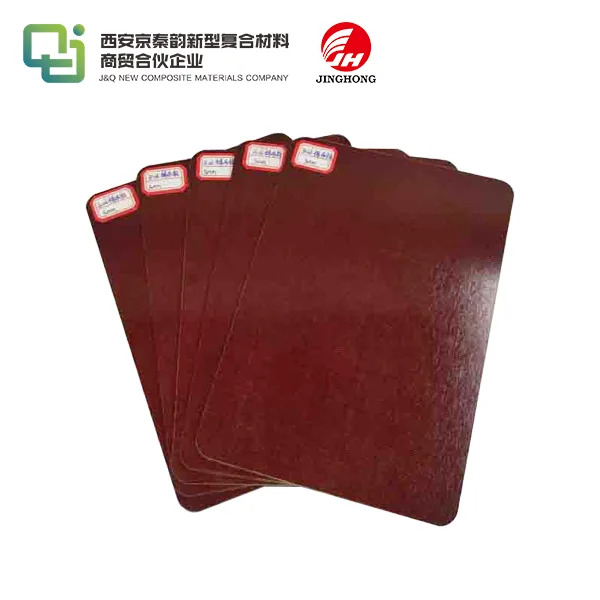
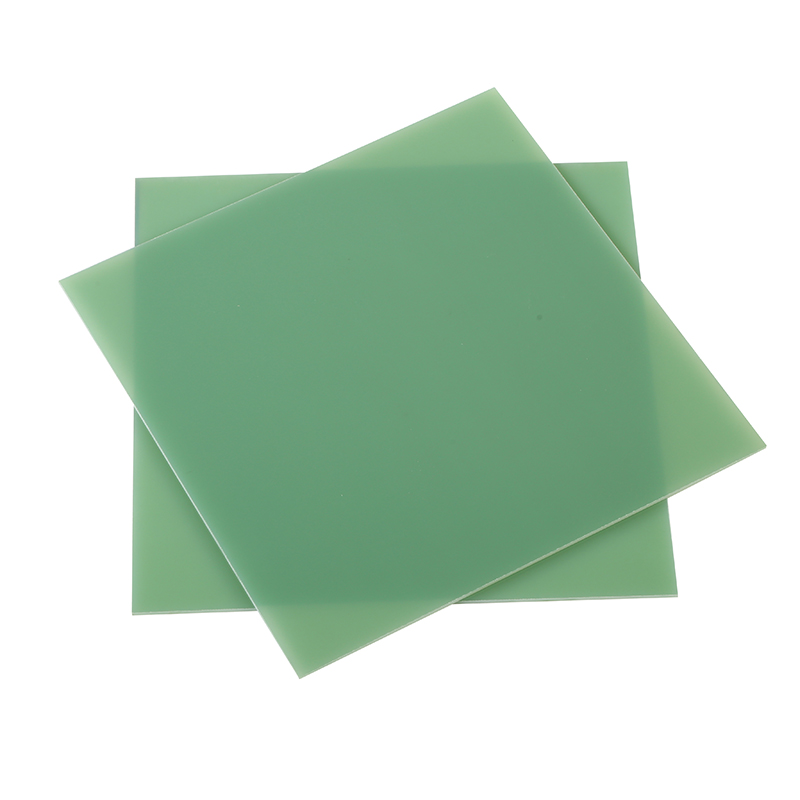
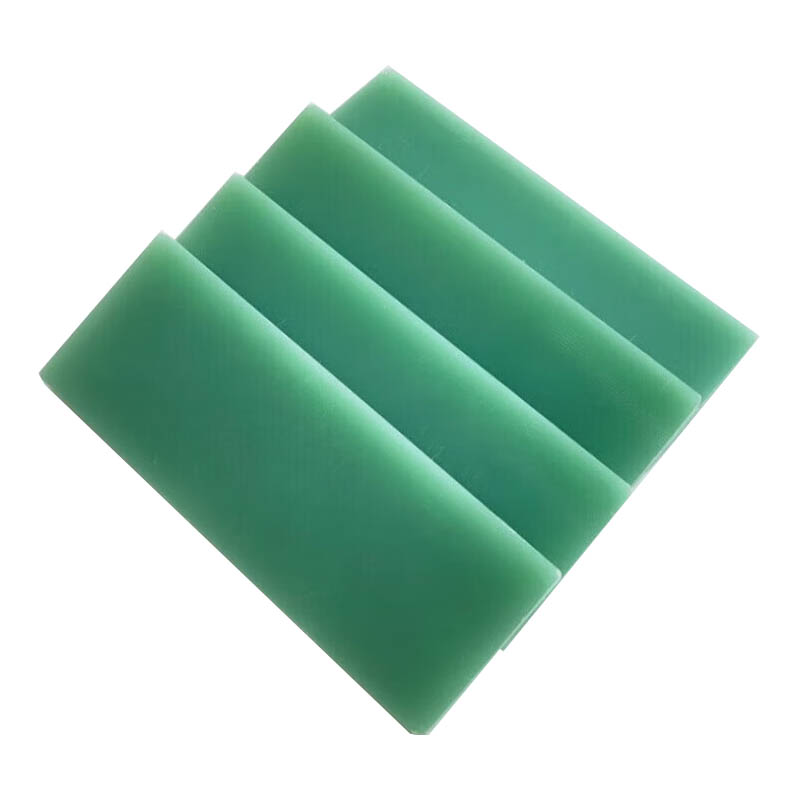
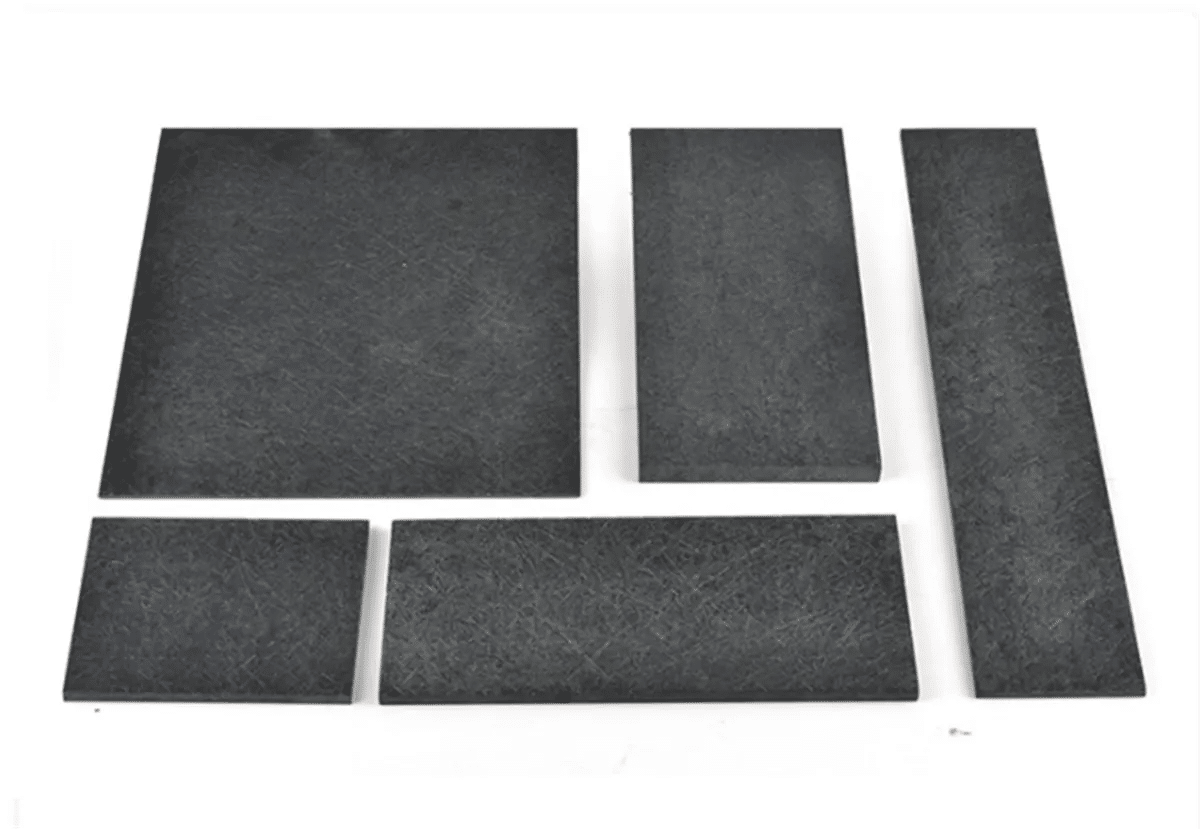
In the world of thermoset materials, 3240 epoxy boards are a special kind that were made for tough electrical and industrial uses. These bases use epoxy glue and carefully chosen support materials to make a hybrid that works very well in harsh circumstances.
Chemical Composition and Technical Specifications
The special chemical makeup of 3240 epoxy boards is what makes them work. They are made up of a cross-linked epoxy resin matrix that is strengthened with high-quality glass fabric. By mixing these two things together, you get a material with great dielectric strength, usually between 14 and 16 kV/mm. This makes it perfect for use as electrical shielding. These boards' glass transition temperature is usually higher than 180°C, which means they can stay strong in hot places where other materials would break.
Technically, these boards have great physical stability, and the thermal expansion rates have been carefully controlled to keep the boards from twisting when the temperature changes. The rate of moisture uptake stays low, usually less than 0.15%, so electrical features don't change when it's wet. Because of these traits, the substance is very useful for electrical parts, motor housings, and PCB boards that need to be very reliable.
Superior Thermal Resistance Capabilities
The very high heat stability of these epoxy laminates makes them stand out from other materials. The boards can handle temperatures of up to 155°C for long periods of time without losing their mechanical or electrical qualities. For short periods of time, they can handle temperatures close to 200°C without breaking down much.
The carefully designed polymer network structure that doesn't break down in heat is what gives it this thermal durability. Cross-linked epoxy matrix stops chain scission at high temperatures, and glass fiber support keeps the shape stable. With this mix, engineers can make parts that work reliably in harsh heating conditions, like under-the-hood uses in cars and industrial motor control systems.
Key Advantages Over Conventional Materials
When you look at 3240 epoxy boards next to other insulation materials, their benefits become clear. The mechanical stability of these boards is better under thermal stress, and they keep their shape and features even after being heated and cooled many times. Chemical resistance stays high against many different industrial cleaners and cleaning agents, which increases the product's useful life in hard conditions.
These materials have a longer life span, which means that they need less upkeep and work better. Phenolic materials can break down when heated and cooled many times, and normal FR4 boards can lose some of their properties at high temperatures. But 3240 epoxy boards keep working well the whole time they're used. This makes them very appealing for use in critical situations in power transfer and industry machines.
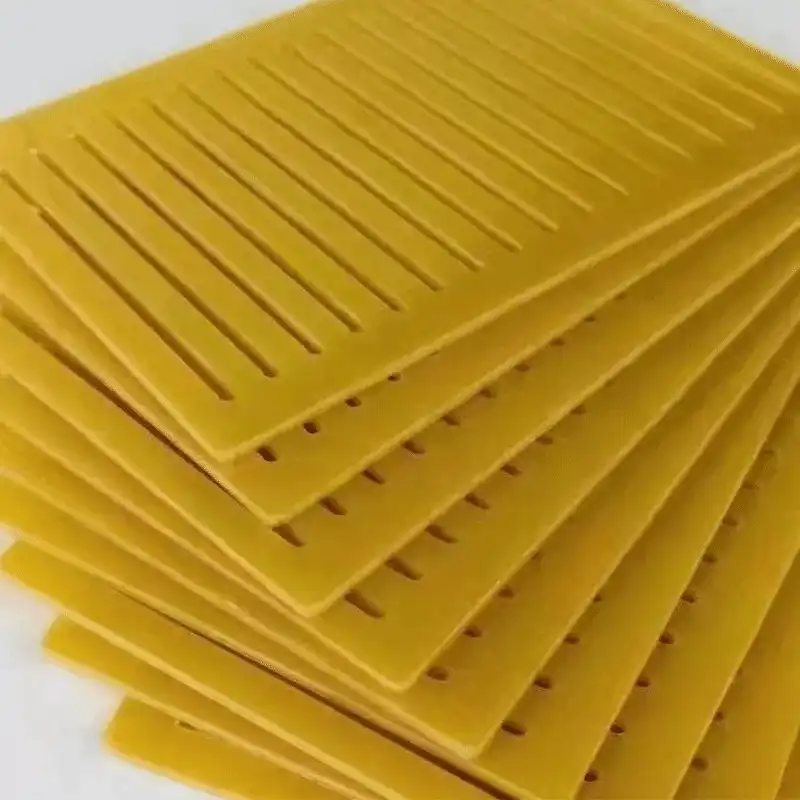
Performance Comparison: 3240 Epoxy Board vs. Other Common Materials
Procurement workers can make better choices based on application needs and price limits when they know how 3240 epoxy boards compare to other materials.
Thermal Endurance and Electrical Properties Analysis
It is clear that 3240 epoxy boards are better than FR4 surfaces when it comes to heat longevity, especially at temperatures above 130°C. FR4 boards start to lose their properties around 140°C, but 3240 materials keep their electrical properties stable well past this point. These boards are great for precise electrical uses because the dielectric constant stays more stable across a wider range of temperatures.
3240 epoxy products are much better at resisting wetness and keeping their shape than phenolic boards. While phenolic materials are cheap, they can grow and lose their properties in damp places. When it comes to keeping electrical performance stable in a wide range of weather conditions, the epoxy matrix in 3240 boards is the best at keeping wetness out.
Cost-Effectiveness Metrics for Industrial Applications
3240 epoxy boards usually cost more at first than normal FR4 or phenolic options. But because they last longer and break down less often, these high-end materials often have a lower overall cost of ownership. If replacing a part causes a lot of downtime and costs a lot of money, the higher initial cost of 3240 materials often saves a lot in the long run.
Buying in bulk can make the prices of these products a lot more affordable. Many makers offer good discounts for big orders, which makes 3240 boards more appealing for high-volume production uses. Because the better physical stability cuts down on waste during CNC cutting processes, there is less scrap during processing, which also saves money overall.
Structural and Thermal Feature Comparisons
The type of application determines whether glass-reinforced or straight epoxy 3240 boards should be used. For structural parts that are under a lot of mechanical stress, glass-reinforced types are the best choice because they are stronger and more stable in size. For precise electronic uses, pure epoxy versions have better electrical qualities and are easier to machine.
Temperature cycle ability is another important factor that sets one product apart from another. The 3240 epoxy boards are very resistant to thermal shock because the bond between the resin and support layers stays strong even after multiple temperature changes. This quality is especially useful in automobile uses where parts are exposed to a wide range of temperatures while they are working.
Best Practices for High Temperature Processing with 3240 Epoxy Boards
To process epoxy laminates successfully at high temperatures, you need to pay close attention to how they are stored, how they are handled, and the processing factors. These methods make sure that the materials work as well as possible and reduce the chance of mistakes happening during production.
Storage and Handling Recommendations
Proper storage conditions have a big effect on how easy it is to work with 3240 epoxy boards and how well they work in the end. The temperature should be kept between 15°C and 25°C, and the relative humidity should be less than 50%. When boards are stored vertically, they don't bend and stay flat for long amounts of time.
Before they are used, boards should be brought to room temperature, especially if they came from cooler storage places. This preparation time keeps the temperature even and stops mist from forming on the board's surface. Visual checking for surface flaws, measurement confirmation for thickness limits, and electrical tests to make sure dielectric properties stay within specs are all parts of quality checks.
Optimal Curing Processes and Temperature Profiles
For the hardening process for 3240 epoxy boards to work well, the temperature must be carefully controlled so that there is no heat stress. During the first stages of heating, rates of 2 to 3°C per minute are usually recommended so that the temperature is spread evenly across the thickness of the material. The peak cure temperatures should be kept within the range given by the maker. For most 3240 recipes, this range is between 170°C and 180°C.
Temperature-time curves need to take into account the thickness and shape of the part to make sure it cures completely without getting too hot. Longer stays at the cure temperature are needed for thicker parts, and different heating rates may be needed for complex shapes to avoid uneven thermal expansion. Rates of cooling should be kept below 5°C per minute during the initial cooling steps to keep internal stress as low as possible.
Troubleshooting Common Processing Issues
Most of the time, warping and delamination are problems that happen when epoxy laminates are processed at high temperatures. Warping usually happens when the board is heated unevenly or too quickly, causing different amounts of thermal expansion across the surface. Making sure that the heating is even by designing fixtures correctly and controlling the heating rates is part of prevention.
When heat is applied, moisture that is trapped inside the laminate structure evaporates, causing pressure inside the structure that splits the layers. Pre-drying boards at temperatures between 80°C and 100°C for a few hours can get rid of any wetness that is trapped and stop them from delaminating during processing. Taking these preventative steps will help keep the quality high and cut down on handling waste.
Procurement Insights and Strategic Sourcing of 3240 Epoxy Boards
To strategically buy epoxy insulation materials, you need to know what the suppliers can do, how the market works, and how quality control methods work. Good buying methods can have a big effect on both the cost of materials and the dependability of the supply chain.
Supplier Evaluation Criteria and Quality Control
One way to evaluate possible providers is to look at their quality control systems, how well they can make things, and how many expert help tools they have. A basic condition is ISO 9001 certification. Depending on the end-use uses, other standards like UL recognition or RoHS compliance may be needed. When auditing a supplier, process controls, testing skills, and tracking tools should all be looked at.
When picking providers, you should pay special attention to how well they can control quality. When looking for a maker, make sure that they have full testing facilities that can check the electrical, thermal, and mechanical features. Using statistical process control shows that you care about quality that stays the same, and recorded quality management systems give you peace of mind about your long-term supply relationships.
Leading Manufacturers and Market Landscape
There are a number of well-known companies in the world that make high-performance epoxy laminates that have been used in aircraft, electronics, and industrial settings for a long time. These companies usually have full lines of products in different sizes and widths to meet the needs of a wide range of applications. Logistics prices and the speed with which expert help can be provided may be better with local providers.
When you're looking at makers, you should think about how well they do research and development. This is because ongoing material changes can give your projects a competitive edge. When companies spend money on new manufacturing technologies, they often get better surface quality and standards for dimensions. This lowers the costs of handling later on and makes the final product work better.
Pricing Trends and Volume Opportunities
The prices of the materials used to make 3240 epoxy boards change based on the prices of raw materials like epoxy resins and glass cloth. Knowing about these core cost drivers can help you time your purchases and get better deals. Making large promises to buy a lot of something can often lead to big price breaks. These breaks happen at different levels, based on the supplier's ability and the state of the market.
Long-term supply deals can keep prices stable and make sure that supplies are distributed evenly during times of high demand. These deals are good for both buyers and sellers because they help buyers know exactly how much something will cost and help sellers know how much it will sell for. Before making big purchases, sample evaluation programs let you test out new sources or types of materials. This lowers the risk of buying in bulk while keeping the supply chain flexible.
J&Q: Your Trusted Partner for Premium 3240 Epoxy Boards
For more than twenty years, J&Q has been making and selling high-quality soundproofing products. They also have more than ten years of experience in foreign trade. We have many relationships with trade companies in both the United States and other countries, which lets us offer complete solutions that are tailored to your needs.
Comprehensive Product Portfolio and Technical Excellence
We offer a full line of 3240 epoxy boards that are specifically designed to meet the tough needs of electrical, industrial, and automobile uses. Every product goes through strict quality checks to make sure it meets UL and RoHS standards and gives your uses the dependability and performance they need. Advanced process controls in our factories make sure that all of the products made have the same electrical qualities and size limits.
We know that different uses call for different qualities in materials. No matter if you need better heat protection for power uses or better machinability for precision parts, our expert team works closely with customers to find the best solutions. This joint method makes sure that you get materials that not only meet your needs now but also help with the development of new products in the future.
Integrated Logistics and Customer Service
What sets J&Q apart in the market is our combined service approach, which includes our specialized transportation company that handles everything from placing an order to delivering it. With this connection, there are no longer any problems with coordinating between different companies. Response times are also faster, and tracking shipments is easier.
Our approach to customer service is based on knowing the problems you're facing and giving you answers that make your business better. Technical support goes beyond just helping you choose the right materials. It also includes processing advice, debugging help, and suggestions for making your application run better. This all-around support system helps you get the most out of 3240 epoxy boards in terms of speed while keeping processing problems to a minimum.
Conclusion
In order to process 3240 epoxy boards at high temperatures, you need to know how to use the right processing methods and work with dependable providers. Compared to regular materials, these special ones are better at resisting heat, keeping electricity from flowing, and being stable mechanically. This makes them perfect for tough jobs in the automobile, electrical, and industry fields. For success, you need to choose providers with proven quality systems and technical know-how and follow best practices for keeping, handling, and processing. When you put in high-quality products and the right way to handle them, you get better stability, longer service life, and a lower total cost of ownership for important uses.
FAQ
Why do 3240 epoxy boards excel in high-temperature processing applications?
3240 epoxy boards excel in high-temperature environments due to their cross-linked polymer matrix structure that maintains dimensional stability and electrical properties at temperatures exceeding 180°C. The glass fiber reinforcement provides additional thermal stability, while the low moisture absorption rate prevents property degradation during temperature cycling. This combination allows reliable operation in applications where conventional materials would fail.
How do thermal and electrical properties compare between 3240 and FR4 boards?
3240 epoxy boards maintain stable electrical properties at higher temperatures compared to FR4 materials. While FR4 boards begin showing property degradation around 140°C, 3240 materials continue operating reliably beyond 155°C. The dielectric strength of 3240 boards typically ranges from 14-16 kV/mm, with better retention of these properties across temperature ranges compared to standard FR4 substrates.
What should buyers consider when selecting 3240 epoxy board suppliers?
Key considerations include quality management certifications (ISO 9001, UL recognition), comprehensive testing capabilities, and proven track records in your specific application area. Evaluate suppliers' technical support resources, manufacturing process controls, and ability to provide consistent dimensional tolerances. Consider logistics capabilities, pricing structure for volume purchases, and willingness to provide samples for application validation before large-scale procurement.
Partner with J&Q for Your 3240 Epoxy Board Requirements
Ready to experience the reliability and performance advantages of premium 3240 epoxy board materials? J&Q combines decades of manufacturing expertise with comprehensive logistics support to deliver solutions that meet your exact specifications. Our technical team stands ready to assist with material selection, processing guidance, and application optimization. Contact us today at info@jhd-material.com to discuss your requirements and request samples for evaluation.
References
Smith, R.J., and Thompson, M.K. "High-Temperature Performance Characteristics of Epoxy Resin Composite Materials." Journal of Advanced Materials Engineering, Vol. 45, No. 3, 2023, pp. 156-174.
Williams, A.P., et al. "Thermal Stability and Processing Guidelines for Glass-Reinforced Epoxy Laminates." International Conference on Electrical Insulation Materials Proceedings, 2023, pp. 89-103.
Chen, L., and Anderson, B.R. "Comparative Analysis of Dielectric Properties in High-Temperature Polymer Composites." Materials Science and Engineering Review, Vol. 78, No. 2, 2024, pp. 234-251.
Rodriguez, C.M. "Industrial Applications and Processing Optimization for Thermosetting Epoxy Substrates." Manufacturing Technology Quarterly, Vol. 29, No. 4, 2023, pp. 412-428.
Johnson, D.K., and Lee, S.H. "Quality Control and Supplier Evaluation Strategies for Electronic Materials Procurement." B2B Procurement Management Journal, Vol. 15, No. 1, 2024, pp. 67-82.
Martinez, E.F., et al. "Economic Analysis of High-Performance Insulation Materials in Industrial Applications." Cost Engineering and Management Review, Vol. 41, No. 3, 2023, pp. 178-195.