How to Choose High Temperature Resistant Bakelite Boards?
2026-01-23 17:03:21
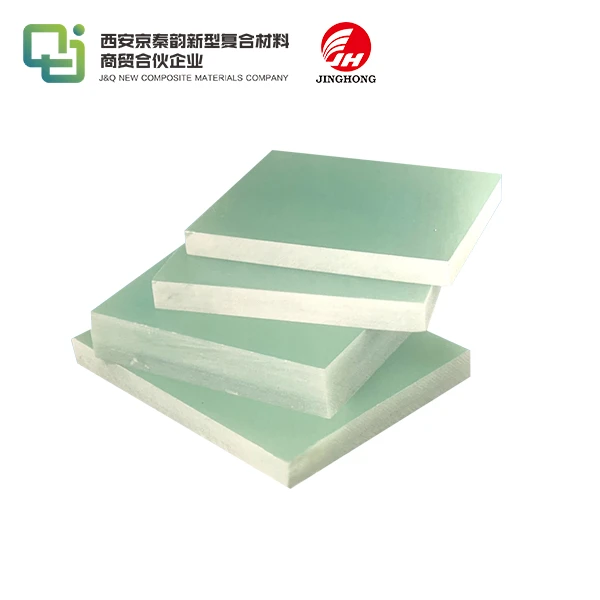
To pick Bakelite boards that can withstand high temperatures, you need to carefully consider their thermal tolerance, dielectric strength, and mechanical qualities that are right for your use. If the Bakelite board is good, it should work well even in very cold or very hot temperatures and keep its good electrical insulation properties. Operating temperature range (usually 120°C to 180°C), thickness clearance standards, UL certification compliance, and chemical protection specifications are some of the most important things to think about when making a choice. Understanding these basic features is important for making sure that materials work well in harsh industry settings where electrical safety and temperature stability are very important.
Understanding High Temperature Resistant Bakelite Boards
Core Properties and Material Composition
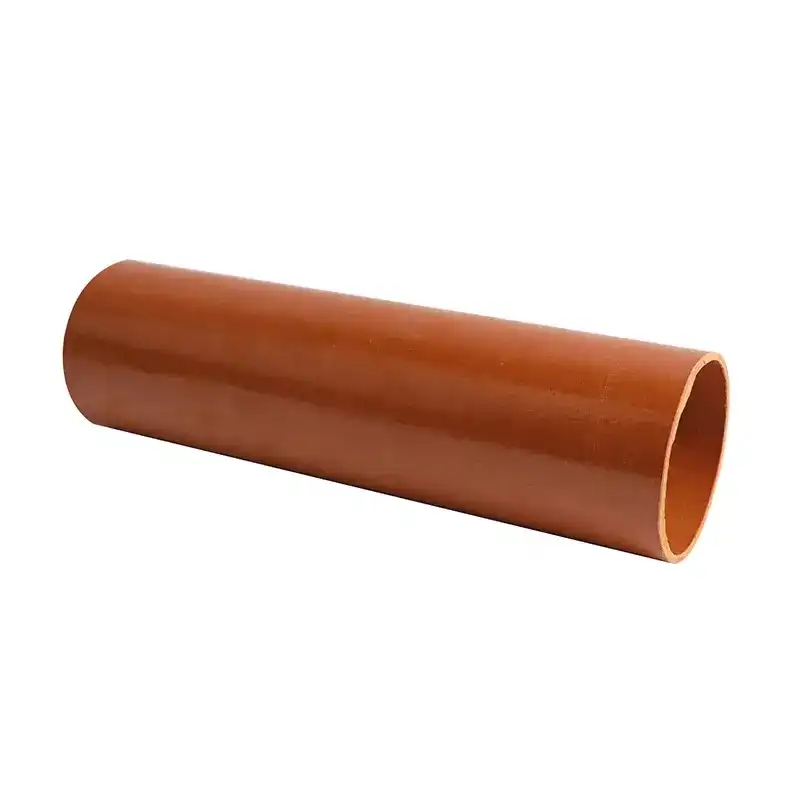
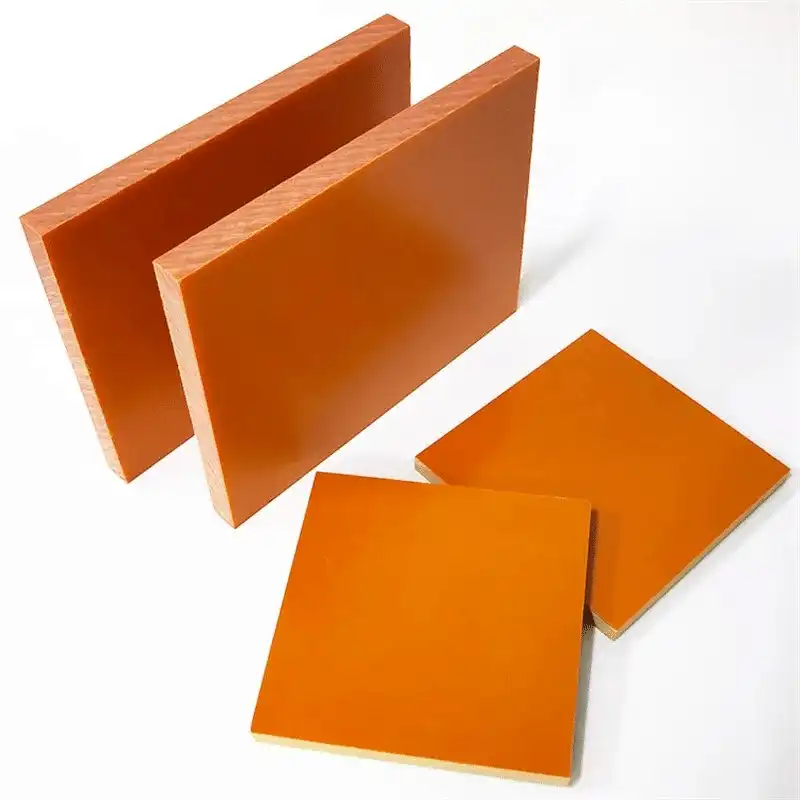
High temperature proof Bakelite boards are made of a special kind of thermosetting plastic that is made to work in very hot places. These materials made from phenolic resins are very stable in terms of size and can keep electricity from flowing through them, which makes them essential for many commercial uses.
The main part is phenolic resin that is strengthened with layers of paper or cotton cloth. This makes a layered structure that is stronger and better at keeping heat in. The way the material was built means it can withstand constant temperatures between 120°C and 180°C without breaking down or changing shape significantly.
Electrical and Thermal Performance Specifications
These boards are different from other shielding materials because they have dielectric qualities. High-quality phenolic laminates usually have dielectric strengths greater than 15 kV/mm, which means they can be used in high-voltage electrical equipment and power distribution systems.
Thermal conductivity is a very important property for uses that need to get rid of heat. When the temperature changes, good Bakelite boards keep their low thermal conductivity numbers and keep their structure stability. This mix is very useful for situations that need both heat shields and mechanical support systems.
Standard Thickness Options and Tolerances
Usually, manufacturing standards allow thicknesses between 0.5 mm and 50 mm, and for important uses, exact limits are kept at ±0.05 mm. These standards cover a wide range of needs, from thin insulation barriers to large structure parts in industrial machinery.
Core Criteria for Selecting High Temperature Resistant Bakelite Boards
Temperature Range and Application Requirements
The first step in choosing the right temperature values is to look at your unique working area. For example, Bakelite boards used in car electronics usually need to be able to handle 150°C of continuous operation, while boards for power generation equipment might need to be able to handle 180°C or higher.
When equipment goes through frequent temperature changes, it's important to understand the effects of thermal cycle. Many times of heating and cooling must be able to keep their shape and electrical properties without developing stress cracks or delamination problems through the materials.
Mechanical Strength and Load-Bearing Capacity
Specifications for compressive strength have a direct effect on how well something works in load-bearing situations. The compression strength of high-quality phenolic boards is usually higher than 200 MPa, which means they can be used for structural insulation parts in heavy machines.
The material's flexural strength tells you how well it can survive bending forces without breaking. This quality is especially important when boards are used as mechanical spacers or as support structures that are put under dynamic loads while the equipment is running.
Chemical Resistance and Environmental Durability
Chemical compatibility testing keeps things from breaking down too quickly in tough industrial settings. It is very hard for oils, solvents, and weak acids to damage bakelite boards, which are often found in factories and electrical systems.
Long-term performance steadiness is affected by how quickly something absorbs water. Quality materials don't absorb much water - usually less than 1% by weight - so their electrical properties stay the same even when they're working in damp circumstances.
Certification Standards and Quality Compliance
UL approval compliance makes sure that materials meet strict safety standards for use in electrical uses. UL 94 V-0 flame resistance scores mean that the product is better at keeping people safe in case of fire, and ROHS compliance means that the manufacturing process is environmentally friendly.
ISO quality management standards give you more peace of mind about the regularity of your making and the dependability of your products. When looking for things for important jobs where failure could have bad results, these standards become even more important.
Comparing High Temperature Resistant Bakelite Boards with Alternatives
Performance Analysis Against FR4 Fiberglass Boards
Comparing the thermal performance of different types of materials shows that each has clear benefits. FR4 boards are great for high-frequency electrical uses, but Bakelite boards are better at staying stable at high temperatures and being strong in mechanical ways.
When a cost-effectiveness study is done, Bakelite boards are often chosen for uses that need a lot of strength or mechanical sturdiness. When phenolic laminates are made, the process usually uses less expensive materials than fiberglass options, but they still have good electrical shielding qualities.
Advantages Over Standard Plastic Materials
Chemical resistance capabilities significantly exceed those of standard thermoplastic materials. While conventional plastics may soften or degrade at elevated temperatures, thermosetting Bakelite boards maintain structural integrity throughout their rated temperature ranges.
Machining characteristics provide additional advantages in custom fabrication applications. The material machines cleanly without melting or chip welding, enabling precise dimensional control for complex geometries and tight tolerance requirements.
Application-Specific Material Selection Guidelines
Electrical insulation applications benefit from Bakelite boards' superior dielectric properties and arc resistance characteristics. These materials demonstrate excellent performance in switchgear applications where both electrical safety and mechanical durability are required.
Mechanical component applications leverage the material's dimensional stability and wear resistance properties. Gear components, bearing retainers, and structural spacers manufactured from high-grade phenolic boards often outperform metal alternatives in corrosive environments.
Procurement Best Practices for Industrial Buyers
Supplier Evaluation and Qualification Criteria
Establishing comprehensive supplier assessment protocols protects against material quality issues and delivery disruptions. Evaluation criteria should encompass manufacturing capabilities, quality management systems, technical support resources, and financial stability indicators.
Quality certification verification ensures suppliers maintain appropriate manufacturing standards. ISO 9001 certification indicates systematic quality management processes, while industry-specific certifications demonstrate specialized expertise in electrical insulation materials.
Sourcing Strategies and Cost Optimization
Volume purchasing strategies can significantly reduce material costs while ensuring consistent supply availability. Establishing annual contracts with qualified suppliers provides price stability and priority allocation during supply chain disruptions.
Technical specification standardization across multiple applications streamlines procurement processes and reduces inventory complexity. Using common thickness and grade specifications whenever possible simplifies sourcing activities and improves cost efficiency.
Delivery Logistics and Custom Sizing Considerations
Lead time planning becomes critical for project scheduling success. Standard thickness materials typically maintain shorter delivery schedules, while custom specifications may require extended manufacturing timeframes.
Custom sizing capabilities enable material waste reduction and improved cost efficiency. Many suppliers offer precision cutting services that eliminate secondary machining operations while maintaining tight dimensional tolerances.
The importance of establishing relationships with suppliers who understand technical requirements cannot be overstated. Experienced suppliers provide valuable application guidance and help optimize material specifications for specific use cases.
J&Q: Your Trusted Partner for High Temperature Resistant Bakelite Boards
Company Heritage and Manufacturing Excellence
J&Q has been making and selling high-quality insulation sheets to commercial users around the world for more than twenty years. Our deep knowledge of material science, precise production methods, and strict quality control processes that make sure products always work well are all part of our industrial experience.
With more than ten years of experience in international trade, we've built strong relationships with both domestic and foreign trading companies. This lets us offer complete solutions that meet the needs of customers all over the world. This way of working together makes sure that our customers can get the newest technologies and market information that will help them with their purchasing plans.
Integrated Logistics and Service Capabilities
Our own transportation company makes it possible for smooth one-stop service delivery, which makes the buying process easier for businesses. This unified method gets rid of the problems that come up when trying to coordinate between different sellers and makes sure that deliveries happen on time to meet important project deadlines.
Full technical support services include application engineering help, optimizing material specifications, and custom size solutions made to fit the needs of each operation. Our scientific team works closely with customers to find the best ways to arrange materials so that they work best and costs are kept low.
Quality Assurance and Certification Standards
Tough quality control systems make sure that all products meet or go beyond the performance standards that have been set. Our factories follow the rules set by ISO approval and use advanced testing methods to check the mechanical, electrical, and heat qualities of their products all the way through the production process.
Product tracking systems make it possible to keep full records of the properties of materials and the conditions under which they were made. This detailed record-keeping helps meet customer quality standards and speeds up responses to technical questions or questions about specific applications.
Conclusion
Selecting appropriate high temperature resistant Bakelite boards requires systematic evaluation of thermal ratings, mechanical properties, electrical specifications, and supplier capabilities. Understanding application-specific requirements enables informed decision-making that optimizes both performance and cost-effectiveness. Quality suppliers provide essential technical support and reliable delivery schedules that support successful project outcomes. Establishing partnerships with experienced manufacturers ensures access to premium materials and comprehensive service capabilities that address evolving industrial requirements.
FAQ
What thickness options are available for electrical insulation applications?
Standard thickness ranges from 0.5mm to 50mm accommodate diverse electrical insulation requirements. Thin sections (0.5-3mm) suit circuit board applications, while thicker boards (10-25mm) provide robust insulation for high-voltage switchgear. Custom thickness specifications are available to meet specific application requirements.
How does chemical resistance compare to other insulation materials?
Bakelite boards demonstrate superior resistance to oils, weak acids, and industrial solvents compared to thermoplastic alternatives. The thermosetting structure provides enhanced chemical stability that maintains material properties under prolonged exposure to aggressive chemicals common in industrial environments.
Can custom sizes be ordered for specific applications?
Custom sizing services accommodate precise dimensional requirements for specialized applications. Standard cutting tolerances of ±0.5mm ensure accurate fit in assembly applications, while precision machining services can achieve tighter tolerances when required for critical components.
What certifications should I look for when sourcing materials?
Essential certifications include UL 94 V-0 flame resistance ratings, ROHS compliance for environmental responsibility, and ISO 9001 supplier certification. These standards ensure material safety, environmental compliance, and manufacturing quality consistency.
How do I determine appropriate temperature ratings for my application?
Temperature selection should account for both continuous operating conditions and peak temperature exposures. Adding a 20-30°C safety margin above maximum operating temperatures ensures reliable long-term performance and prevents thermal degradation during unexpected temperature excursions.
Contact J&Q for Premium Bakelite Board Solutions
Ready to source high-quality Bakelite boards from an experienced manufacturer? J&Q combines two decades of manufacturing expertise with comprehensive technical support to deliver materials that exceed your performance expectations. Our integrated logistics capabilities ensure timely delivery while our custom sizing services optimize material utilization for your specific applications. Contact our technical team at info@jhd-material.com to discuss your requirements and receive personalized recommendations.
References
Smith, R.J. "Thermosetting Plastics in High Temperature Applications: Performance Analysis and Selection Criteria." Industrial Materials Engineering Journal, 2023.
Johnson, M.K. "Electrical Insulation Materials for Power Systems: Comparative Study of Phenolic and Epoxy Laminates." Power Engineering Review, 2022.
Chen, L.W. "Dimensional Stability of Phenolic Boards Under Thermal Cycling Conditions." Materials Science and Technology Quarterly, 2023.
Anderson, P.T. "Quality Standards and Certification Requirements for Electrical Insulation Materials." Safety Engineering Handbook, 2022.
Williams, S.A. "Cost-Effective Procurement Strategies for Industrial Insulation Materials." Procurement Management Review, 2023.
Davis, K.R. "Chemical Resistance Properties of Thermosetting Laminates in Industrial Applications." Chemical Processing Materials Guide, 2022.