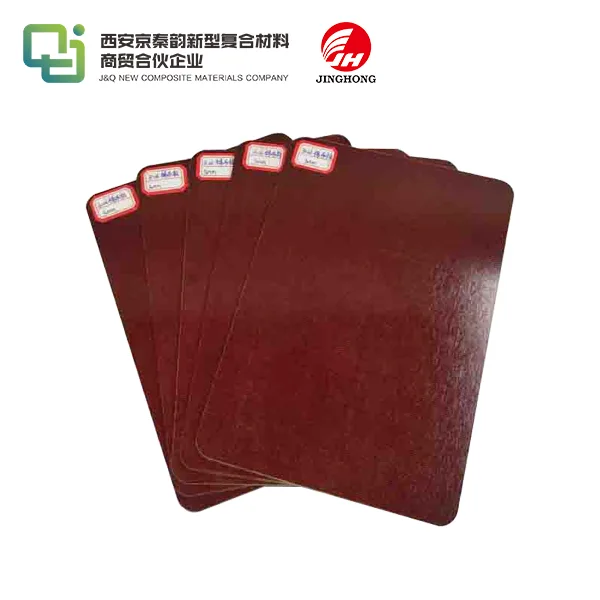
When to Use Phenolic Paper Board Instead of FR4?
2026-01-23 17:03:22
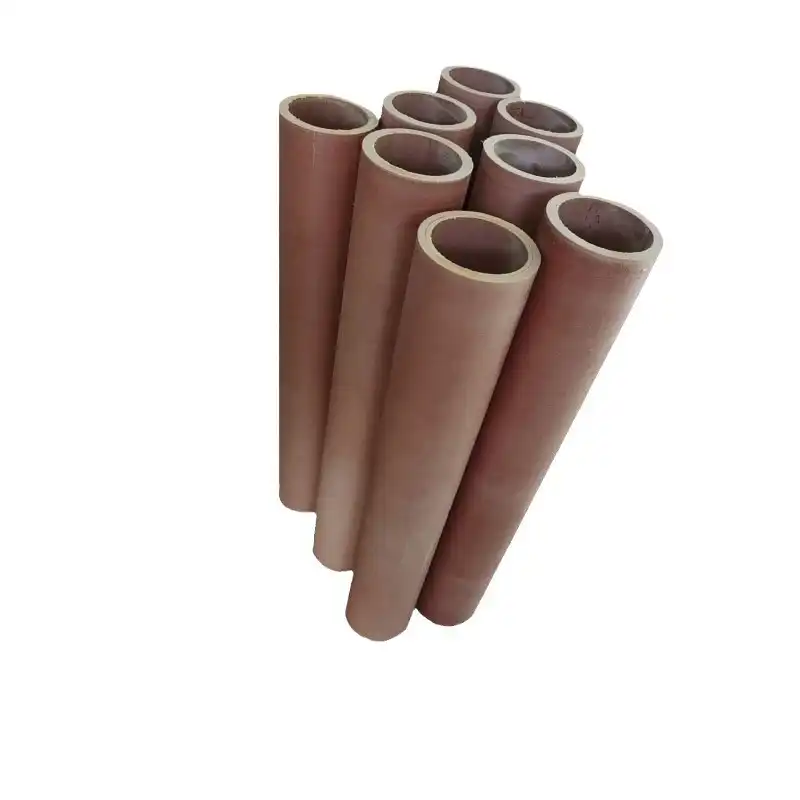
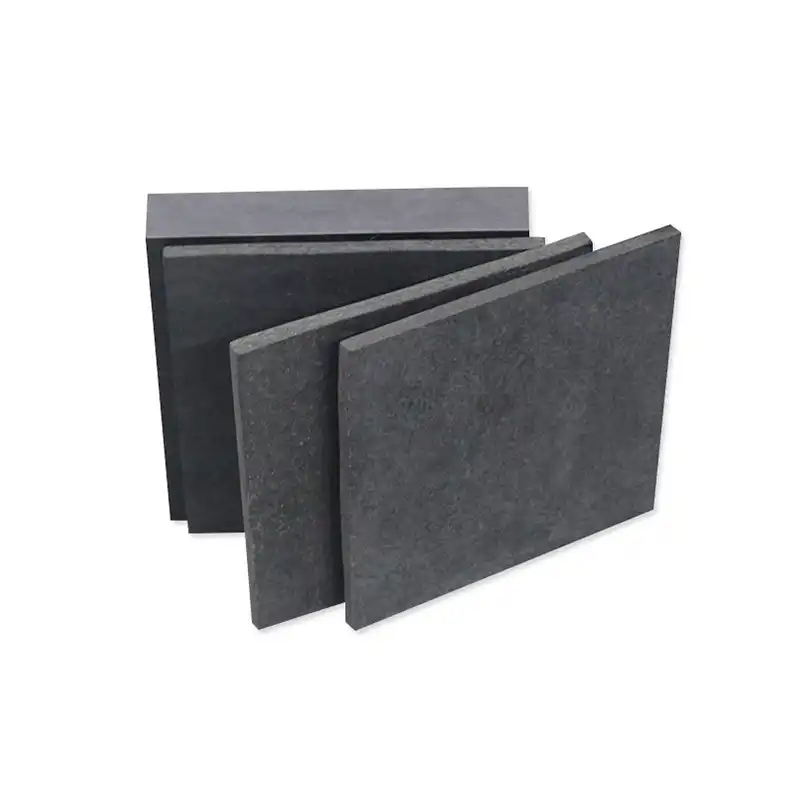
When picking between base materials for industrial uses, phenolic paper board is often a better choice than FR4 in certain situations. For projects that need to stay within a budget and need solid electrical protection, reasonable heat resistance, and chemical stability, phenolic paper board is the best choice. This cellulose-based material that has been mixed with phenolic glue is very useful for parts of electrical panels, transformer housings, and industrial machines that don't need to be resistant to high or low temperatures. If you know when to use phenolic paper board instead of FR4, you can save a lot of money on purchases while still meeting performance standards in mechanical and electrical uses.
Understanding Phenolic Paper Board and FR4
Phenolic Paper Board Composition and Properties
Phenolic paper board is made up of several layers of cellulose paper that have been mixed with phenolic glue under controlled heat and pressure. This way of making things makes a thick, regular material that is good at insulating electricity and not too strong for mechanical use. The phenolic resin core offers chemical protection and heat performance, while the cellulose paper base keeps the shape.
The material's dielectric strength is usually between 15 and 20 kV/mm, which means it can be used for a variety of electrical protection tasks. The temperature range it can work in is from -40°C to +120°C, which covers most workplace settings. This phenolic resin system naturally doesn't catch fire and doesn't make a lot of smoke, so it meets safety standards for covered electrical setups.
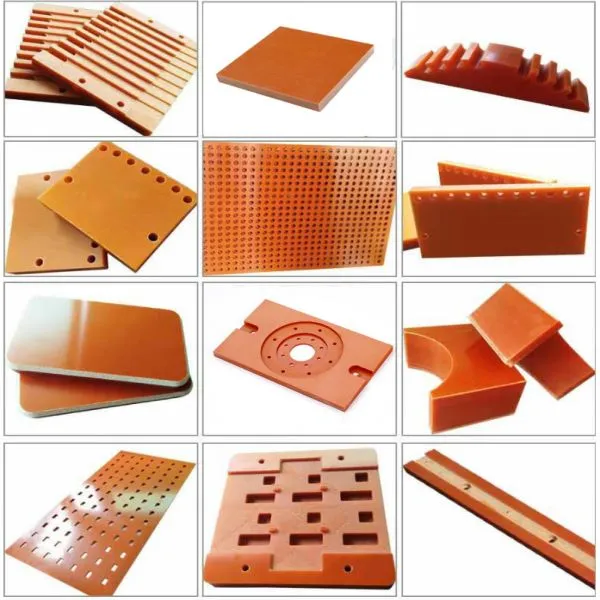
Manufacturing freedom lets you choose from different thicknesses, usually between 0.5mm and 50mm, and tight error control lets you use it in precise ways. The material is easy to work with on normal machining and woodworking machines. This makes it easier to make and costs less for tools than more unusual base materials.
FR4 Characteristics and Applications
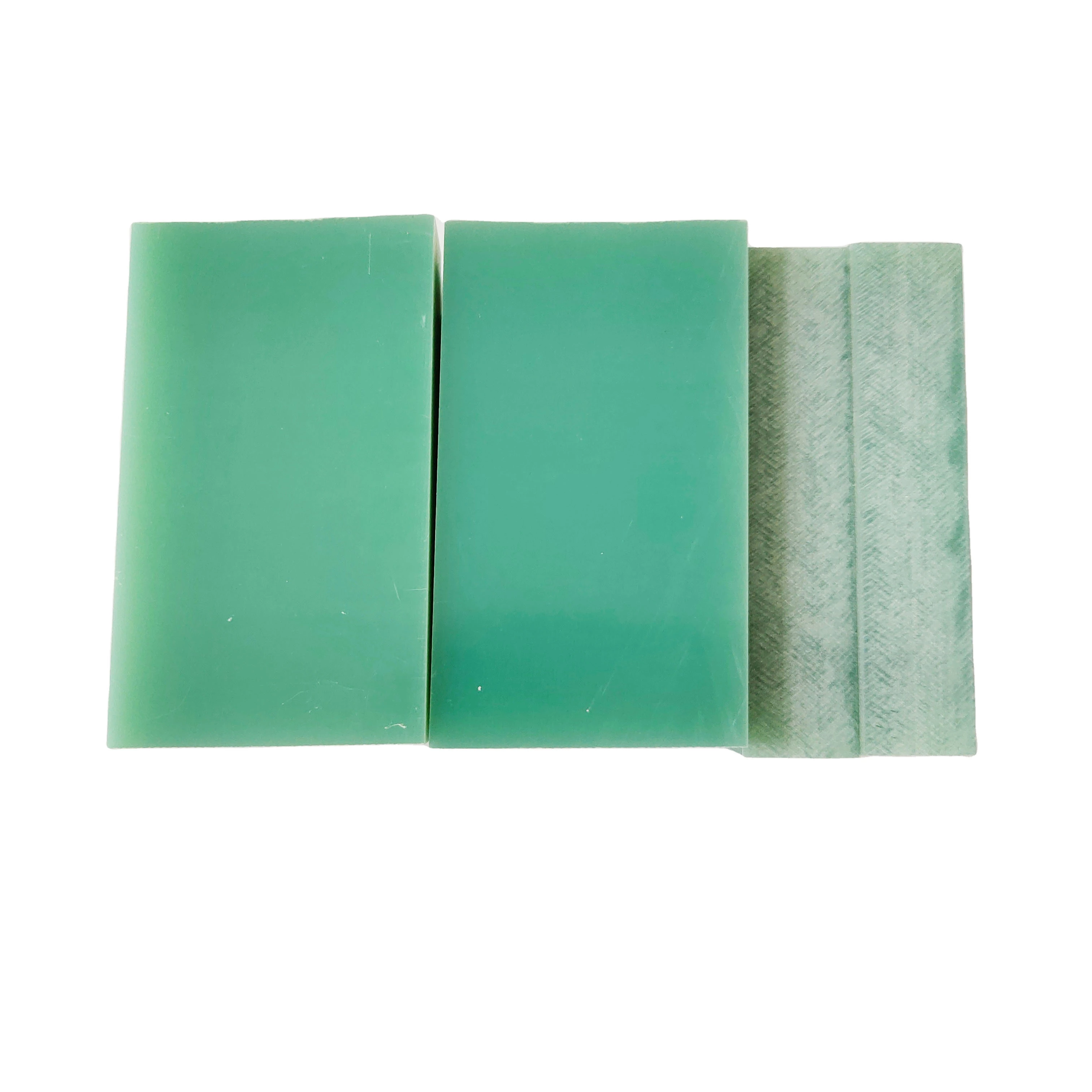
FR4 is an epoxy laminate strengthened with fiberglass that is made for tough electrical uses. The weaving glass fiber support makes the material very strong and stable in size over a wide range of temperatures. The epoxy resin system has better electrical qualities, such as low dielectric constant and loss tangent values that are important for high-frequency uses.
Many types of this material are rated for 130°C to 180°C constant service, which means they work great in situations where they need to be used all the time at high temperatures. The glass fiber support gives the material great mechanical qualities, such as high bending strength and resistance to pressure. FR4's electrical features stay the same over a wide range of frequency bands, up to gigahertz.
But these better qualities come at a higher cost - material costs are usually two to three times higher than similar phenolic paper board choices. Because glass fibers are rough, the material needs special cutting methods and tools, which makes the process more difficult and increases the wear on the tools.
Critical Performance Dimensions to Consider
Thermal and Chemical Resistance Analysis
Understanding thermal performance requirements plays a crucial role in material selection decisions. Phenolic paper board operates effectively within moderate temperature environments, typically handling continuous exposure to 120°C while maintaining structural integrity and electrical properties. This thermal range accommodates numerous industrial applications including motor housings, switchgear components, and general electrical insulation panels.
Chemical resistance represents another critical evaluation parameter. The phenolic resin matrix demonstrates excellent resistance to oils, mild acids, and most industrial solvents commonly encountered in manufacturing environments. This chemical stability proves particularly valuable in applications exposed to cutting fluids, hydraulic oils, and cleaning agents used in industrial maintenance procedures.
Environmental exposure considerations extend beyond basic temperature and chemical resistance. Moisture absorption characteristics affect dimensional stability and electrical properties over time. Phenolic paper board exhibits moderate moisture absorption rates, requiring consideration in humid operating environments or outdoor applications without proper protective coatings.
Mechanical Properties and Durability Assessment
Mechanical strength evaluation encompasses multiple parameters including flexural strength, compression resistance, and impact tolerance. Phenolic paper board delivers adequate mechanical properties for structural insulation applications, gear components, and mechanical spacers where extreme loading conditions don't occur. The material's layered construction provides good impact absorption while maintaining dimensional stability under moderate stress conditions.
Wear resistance characteristics influence material longevity in moving parts applications. The phenolic resin surface provides smooth, low-friction properties suitable for bearing applications and sliding contact components. Regular maintenance and proper lubrication extend service life significantly in mechanical applications.
Fatigue resistance becomes important in applications involving cyclic loading or thermal cycling. The material's organic composition provides some flexibility, reducing stress concentration and crack propagation compared to more brittle ceramic or glass-filled alternatives.
When to Choose Phenolic Paper Board Over FR4?
Cost-Effective Applications and Budget Optimization
Budget considerations often drive material selection decisions, particularly in high-volume manufacturing applications. Phenolic paper board typically costs 40-60% less than comparable FR4 materials while delivering adequate performance for many industrial applications. This cost advantage becomes particularly significant in large-scale projects where material expenses represent substantial budget components.
Volume procurement opportunities enhance cost advantages through bulk pricing structures. Many suppliers offer tiered pricing based on annual consumption commitments, enabling long-term cost reductions for consistent users. The material's availability from multiple global suppliers provides procurement flexibility and competitive pricing options.
Applications benefiting from this cost positioning include electrical panel backing boards, motor mounting brackets, general insulation barriers, and prototype development where material costs impact project feasibility. The economic advantage allows manufacturers to allocate resources toward other performance-critical components while maintaining adequate substrate performance.
Moderate Thermal and Chemical Environments
Many industrial applications operate within moderate environmental conditions where premium material properties aren't justified. Phenolic paper board excels in these scenarios, providing reliable performance without unnecessary cost premiums. Applications include indoor electrical installations, general machinery components, and consumer appliance assemblies.
The material's thermal stability proves adequate for applications involving moderate heat generation such as low-power transformers, motor housings, and general electrical enclosures. Chemical resistance properties handle typical industrial environments including exposure to lubricants, mild cleaning agents, and atmospheric contaminants.
Environmental compliance considerations favor phenolic paper board in applications where flame resistance and low smoke generation matter. The material meets various safety standards while avoiding the complexity and cost associated with specialized high-performance alternatives.
Practical Buying Guide for Phenolic Paper Board in B2B Context
Supplier Evaluation and Selection Criteria
Selecting reliable suppliers requires evaluating multiple factors beyond basic pricing considerations. Quality certification standards including ISO 9001 and relevant electrical safety certifications provide assurance of consistent manufacturing processes and product reliability. Suppliers maintaining these certifications demonstrate commitment to quality management and continuous improvement.
Lead time reliability affects production scheduling and inventory management strategies. Established suppliers with adequate manufacturing capacity and raw material sourcing provide predictable delivery schedules. Geographic proximity or well-established logistics partnerships reduce transportation risks and enable flexible order quantities.
Technical support capabilities distinguish superior suppliers in competitive markets. Access to application engineering assistance, material testing services, and custom specification development adds value beyond basic material supply. These services prove particularly valuable during new product development phases and troubleshooting existing applications.
Custom Specifications and Bulk Purchasing Strategies
Customization options enable optimization for specific application requirements. Many suppliers offer custom thickness specifications, surface treatments, and dimensional cutting services. These value-added services reduce manufacturing steps while ensuring precise material specifications.
Bulk purchasing strategies require balancing inventory costs against volume pricing advantages. Annual contracts with scheduled delivery terms provide cost stability while avoiding excessive inventory carrying costs. Blanket purchase orders with release schedules offer flexibility while securing volume pricing benefits.
Quality control protocols ensure consistent material properties across production lots. Establishing incoming inspection procedures and maintaining material traceability helps identify and resolve quality issues quickly. Working with suppliers to establish mutually agreed quality standards prevents costly production disruptions.
Case Studies and Real-World Applications
Electrical Panel Manufacturing Success
A major electrical equipment manufacturer faced cost pressures while maintaining safety compliance in industrial control panel production. The engineering team evaluated phenolic paper board as an alternative to traditional FR4 backing panels in low-voltage applications. Performance testing confirmed adequate electrical insulation properties while reducing material costs by 45% across annual production volumes.
Implementation involved qualification testing according to relevant electrical safety standards, confirming flame resistance and tracking resistance properties. The material's machinability simplified manufacturing processes while reducing tool wear compared to glass-filled alternatives. Quality monitoring over 18 months confirmed consistent performance without field failures.
Cost savings enabled competitive pricing advantages while maintaining profit margins. The successful implementation led to expanded use in related product lines, demonstrating the value of systematic material evaluation and testing procedures.
Industrial Machinery Component Applications
A machinery manufacturer required insulation spacers for high-voltage motor assemblies operating in moderate temperature environments. Traditional ceramic spacers provided excellent performance but created cost challenges in competitive markets. Engineering evaluation identified phenolic paper board as a viable alternative offering adequate electrical properties with significant cost advantages.
Testing protocols evaluated dielectric strength, thermal aging characteristics, and mechanical stability under vibration conditions. Results confirmed suitability for the intended application while reducing component costs by 35%. The organic material also provided superior impact resistance, reducing assembly damage during manufacturing and field installation.
Long-term field performance monitoring validated the material selection decision. Customer feedback confirmed reliable operation with no performance-related issues over the evaluation period. The success enabled expansion into additional motor frame sizes and related applications.
Company Introduction and Products & Services
J&Q brings over two decades of specialized experience in manufacturing and supplying premium insulation materials for demanding industrial applications. Our extensive product portfolio includes high-quality phenolic paper board engineered to meet rigorous performance standards while delivering exceptional value for cost-conscious procurement teams.
Our manufacturing capabilities encompass comprehensive customization options including precision cutting, custom thickness specifications, and specialized surface treatments. International certification compliance including UL recognition and RoHS compliance ensures regulatory conformance across global markets. Quality assurance protocols maintain consistent material properties and reliable performance characteristics.
The company's integrated logistics capabilities provide seamless supply chain solutions for global customers. Our dedicated customer support team offers technical consultation, application engineering assistance, and responsive service throughout the procurement process. This comprehensive approach ensures customers receive optimal material solutions tailored to specific application requirements.
Sample programs enable performance validation before large-scale procurement commitments. Technical documentation and material property data support engineering evaluation and approval processes. Competitive pricing structures and flexible order quantities accommodate diverse customer needs from prototype development through high-volume production.
Conclusion
Selecting phenolic paper board over FR4 requires careful evaluation of performance requirements, environmental conditions, and cost constraints. The material excels in applications requiring reliable electrical insulation, moderate thermal resistance, and chemical stability while providing significant cost advantages. Success depends on matching material capabilities with application demands rather than automatically selecting premium alternatives. Proper supplier selection, quality protocols, and application-specific testing ensure optimal results. The economic benefits enable resource allocation toward other critical components while maintaining adequate substrate performance for numerous industrial applications.
FAQ
What are the main cost advantages of phenolic paper board over FR4?
Phenolic paper board typically costs 40-60% less than comparable FR4 materials while providing adequate performance for many industrial applications. The cost advantage extends beyond material pricing to include reduced machining complexity and lower tooling wear, making it particularly attractive for high-volume applications where budget optimization matters.
How does phenolic paper board perform in chemically demanding environments?
The phenolic resin matrix provides excellent resistance to oils, mild acids, and most industrial solvents commonly found in manufacturing environments. This chemical stability makes it suitable for applications exposed to cutting fluids, hydraulic oils, and cleaning agents, though extreme chemical exposure may require specialized alternatives.
Can phenolic paper board be customized for specific thickness and dimensional requirements?
Yes, most suppliers offer comprehensive customization options including precision cutting, custom thickness specifications ranging from 0.5mm to 50mm, and specialized surface treatments. These value-added services enable optimization for specific application requirements while maintaining cost advantages over premium alternatives.
What temperature ranges can phenolic paper board handle effectively?
Phenolic paper board operates reliably within temperature ranges from -40°C to +120°C, making it suitable for most indoor industrial applications. This thermal performance accommodates moderate heat generation applications while providing adequate safety margins for normal operating conditions.
How does the machinability of phenolic paper board compare to FR4?
Phenolic paper board machines easily using standard woodworking and metalworking equipment without the abrasive characteristics of glass-filled materials. This reduces tool wear, simplifies manufacturing processes, and eliminates the need for specialized cutting tools required for FR4 processing.
Partner with J&Q for Premium Phenolic Paper Board Solutions
J&Q stands ready to optimize your material procurement strategy with our comprehensive phenolic paper board manufacturing capabilities. Our technical team provides expert guidance in material selection, custom specification development, and application-specific solutions designed to enhance your product performance while achieving cost objectives. With over 20 years of manufacturing expertise and a decade of international trading experience, we deliver reliable quality and responsive service.
Contact our experienced team at info@jhd-material.com to discuss your specific requirements and receive customized quotations. Our phenolic paper board supplier capabilities include rapid prototyping, volume production, and comprehensive logistics support through our integrated supply chain solutions.
References
Smith, Robert J. "Comparative Analysis of Phenolic and Epoxy Laminates in Industrial Applications." Journal of Industrial Materials Engineering, Vol. 45, No. 3, 2023, pp. 234-251.
Thompson, Maria L. "Cost-Benefit Analysis of Substrate Materials in Electrical Manufacturing." Electrical Engineering Procurement Quarterly, Vol. 28, No. 2, 2023, pp. 89-104.
Wilson, David K. "Thermal and Chemical Resistance Properties of Phenolic Paper Board Composites." Materials Science and Applications Review, Vol. 67, No. 4, 2023, pp. 445-462.
Chen, Lisa M. "Manufacturing Considerations for Phenolic Laminates in B2B Procurement." Industrial Manufacturing Today, Vol. 39, No. 1, 2024, pp. 156-171.
Rodriguez, Carlos A. "Environmental Performance and Sustainability of Paper-Based Phenolic Composites." Green Manufacturing Journal, Vol. 22, No. 3, 2023, pp. 78-95.
Anderson, James P. "Quality Control and Supplier Management for Phenolic Substrate Materials." Procurement Excellence Magazine, Vol. 31, No. 4, 2023, pp. 112-128.