Phenolic Cotton Board Applications in Mechanical Components
2026-01-26 17:20:06
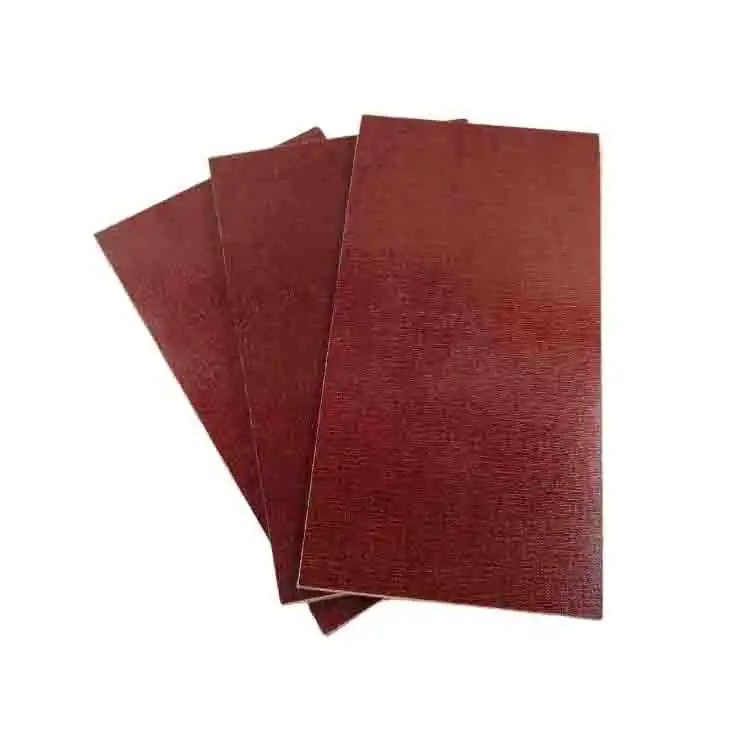
Phenolic cotton board is an important mechanical material that fills the gap between old-fashioned shielding materials and the needs of current mechanical parts. This flexible laminate is made of phenolic resin and cotton cloth support. It has great mechanical strength, heat stability, and electrical protection. Many different fields, from making cars to distributing electricity, depend on phenolic cotton board for tasks that need to be done reliably even when conditions are tough. Because of its unique makeup, the material is required for mechanical parts where standard materials fail to meet strict performance standards.
Understanding Phenolic Cotton Board: Properties and Manufacturing
Composition and Structure
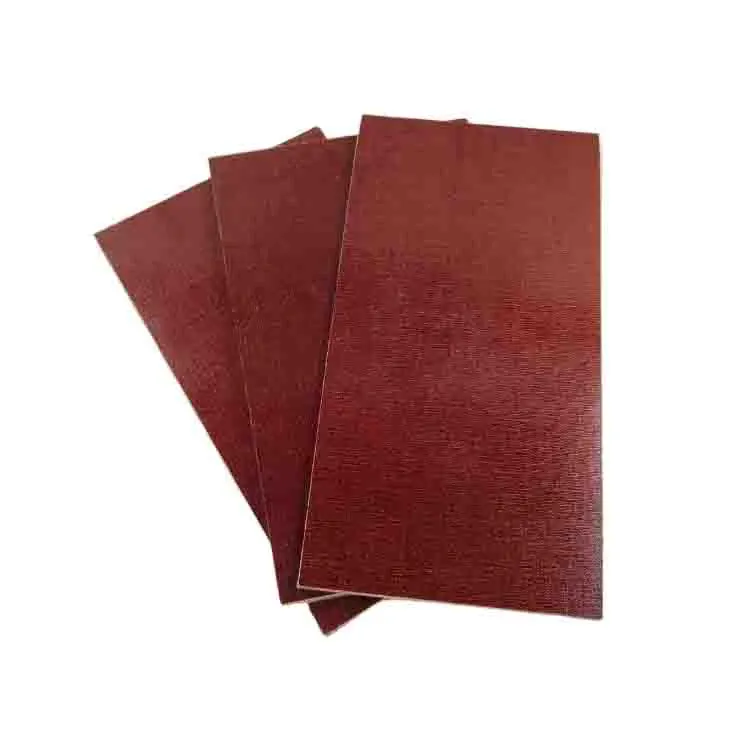
Phenolic cotton board is made up of several layers of cotton cloth that have been mixed with phenolic resin to make a hybrid material with great mechanical qualities. The cotton cloth has good tensile strength and physical stability, and the phenolic resin binder is very good at withstanding heat and chemicals. This mix makes a material that works better in demanding mechanical uses than standard wood-based laminates and many synthetic options.
Carefully stacked layers of cotton fabrics that have been soaked in resin are put together in a controlled temperature and pressure environment. During the hardening process, each layer sticks together forever. This makes the material uniform and gives it the same qualities all the way through. Mechanical engineers can rely on these performance qualities for important component uses because of the way they are manufactured.
Key Material Properties
Because it is thermally stable, phenolic cotton board is especially useful for mechanical parts that are exposed to high temperatures. The material can withstand constant temperatures of up to 150°C and can withstand short-term exposures of up to 180°C. For parts in car engines, industrial gear, and electrical equipment where getting rid of heat is very important, this temperature stability is very important.
Good compression strength, good bending qualities, and great resistance to contact damage are all signs of mechanical strength. The cotton cloth support is more resistant to tears than phenolic laminates made from paper, which makes it perfect for parts that are put under a lot of mechanical stress. The substance also doesn't absorb much water, so it stays the same size in damp places where other materials might bend or break down.
Manufacturing Quality Standards
Modern factories use high-tech quality control methods to make sure that the features of materials stay the same from one production run to the next. Key factors like thickness tolerance, density consistency, and mechanical strength differences are tracked by statistical process control. With these quality systems, producers can give accurate information about the materials that mechanical engineers need to do estimates for designing parts.
Applications of Phenolic Cotton Board in Mechanical Components
Insulation Components and Heat Shields
One of the most important uses for phenolic cotton board in mechanical systems is for thermal control. The material works great as an insulator between parts that make heat and parts that are sensitive to temperature. When used in cars, these boards keep electronic parts from getting too hot from the engine while still having the necessary electrical insulation properties for safety.
The thermal qualities of the material are used in industrial gear to make motor housings, generator barriers, and heat screens for processes that are heated up to a high temperature. When thermal resistance and mechanical strength are combined, designers can make insulation solutions that are light, can handle shaking and mechanical stress, and still do a good job of keeping heat in.
Structural Components
The material is very strong for its weight and stays the same size, which makes it great for use in housing and brackets. Phenolic cotton board supports structures and insulates against electricity in ways that metal options can't match. This two-in-one feature is especially useful in electrical tools where structure parts need to act as insulation shields as well.
Because the material is easy to machine, it can be used to make complicated forms and tight specs that are needed for modern mechanical parts. With CNC cutting, makers can make complex shapes while keeping the quality of the surface finish high enough for important uses. This production freedom makes it easier to make custom parts for unique mechanical systems.
Wear Components and Seals
Phenolic cotton board is good for wear pad uses where metal-to-metal contact must be avoided due to its low friction properties and chemical protection. The material is very strong and doesn't conduct electricity, so it stops galvanic rusting between metals that are not the same. These qualities are very important for mechanical systems that work in corrosive conditions.
The fact that the material can keep its shape even when the temperature and humidity change makes it useful for gasket and seal uses. The cotton fabric reinforcement makes the material less likely to tear, which increases its service life compared to materials that aren't strengthened. This means that less upkeep is needed, and the system is more reliable.
Comparative Analysis: Phenolic Cotton Board vs Alternative Materials
Phenolic Cotton Board vs Paper-Based Phenolic Laminates
Cotton-based boards have better mechanical qualities than paper-based ones because they are reinforced with cloth. Because of the way cotton fibers are structured, tear strength goes up a lot and impact resistance goes up a lot. Because of these mechanical benefits, the product will last longer in situations where it is subjected to shaking, mechanical stress, or heat cycles.
Paper-based materials are often cheaper and better for less demanding uses, but lifetime cost analysis often shows that a phenolic cotton board is more cost-effective in important mechanical parts. The better longevity cuts down on the number of replacements and repair downtimes, giving long-term value that explains the higher costs of the materials at first.
Comparison with Fiberglass and Composite Materials
Even though fiberglass materials are very strong, they are harder to work with than phenolic cotton board when it comes to manufacturing. Standard tools can be used to make precise cuts in cotton-based boards, but special cutting tools and dust collection systems are needed for fiberglass. This manufacturing benefit cuts down on the time and money needed to make special mechanical parts.
The chemical resistance of these materials is very different. For example, phenolic cotton board is better at resisting oils, fuels, and many industrial solvents. This chemical compatibility is very important for mechanical parts used in industrial and automobile settings where they are regularly exposed to different chemicals.
Performance Against Metal Alternatives
In mechanical component uses, the main benefit of phenolic cotton board over metal options is that it provides better electrical protection. Because they are insulating, they can be used to make systems that would not work with conductive materials. This is especially useful in electrical equipment where safety regulations require insulation walls.
When it comes to things like car parts and small electronics, where every gram counts, weight loss becomes important. The density of the material stays much lower than that of metals while still being strong enough for many structure uses. This helps improve the general efficiency and performance of the system.
How to Choose the Right Phenolic Cotton Board for Your Mechanical Component Needs?
Technical Requirements Assessment
Mechanical load study is the first step in choosing the right material for any part application. Engineers have to look at both steady and dynamic loads, taking into account things like the highest stress levels, the need for resistance to wear, and the need for resistance to impact. The cotton cloth reinforcement is very resistant to wear, so it can be used to strengthen parts that are loaded and unloaded many times.
When evaluating a thermal environment, it is important to think about both the constant working temperatures and the highest temps that the environment can reach, especially for a phenolic cotton board. The thermal qualities of the material allow it to work reliably at high temperatures, but the exact grade that should be used varies on the application's thermal profile. Understanding how much heat a component needs to be able to lose helps engineers choose the right thickness and shape for better thermal management.
Chemical Environment Considerations
Chemical compatibility testing makes sure that materials will work well for a long time in certain settings. As an example, phenolic cotton board is very resistant to many chemicals that are used in industry, such as fuels, oils, weak acids, and many solvents. But compatibility with certain solvents should be checked by testing or talking to the seller.
Things in the environment, like dampness, UV light, and airborne pollutants, can change how well a material works over time. The structure of cotton cloth naturally makes it resistant to many external stresses. However, some uses may need extra protection or choosing a material grade that is best for those situations.
Supplier Evaluation Criteria
Assessing the quality of manufacturing means looking at the licenses of suppliers, their quality control systems, and their output skills. Well-known companies have thorough quality control programs that make sure the features of the materials are always the same and the sizes are always correct. These quality systems are necessary for important mechanical part uses where the dependability of the material has a direct effect on how well the system works.
Superior sellers are different from makers of basic materials because they offer technical help. For projects to make mechanical parts, having access to data on material properties, help from application engineers, and special manufacturing services is very useful. Suppliers with a lot of experience with a certain application can give you useful information that can help you create better parts and make better use of materials.
J&Q: Your Trusted Phenolic Cotton Board Manufacturer for Mechanical Applications
J&Q uses more than twenty years of experience making things and more than ten years of experience dealing internationally to offer the best phenolic cotton board options for use in mechanical parts. We have a lot of partnerships with business companies in both the United States and other countries. These relationships help us understand the needs of different markets and come up with solutions that fit the standards and tastes of each area.
In the tough market for industrial products, our combined operations make us stand out. J&Q can offer complete one-stop service to customers all over the world because it has its own transportation business. This takes care of organizational issues and shortens wait times. This kind of vertical integration makes sure that shipping times are predictable, which is important for just-in-time manufacturing and keeping project deadlines.
J&Q is a reliable source for phenolic cotton board used in difficult mechanical component uses because they are great at making things and have an efficient supply chain. Our quality control systems make sure that the features of our materials stay the same, which engineers can depend on for important design calculations. We can also make things that don't fit standard specs and make them to specific needs.
Our manufacturing skills are complemented by technical support services that help with application engineering during the component creation process. Our expert team works with customers to help them choose the best materials, suggest the best ways to make things, and solve problems with their applications. This method of professional teamwork guarantees the success of the project and the long-term happiness of the customer.
Conclusion
Phenolic cotton board keeps showing why it's an important material for making mechanical parts in a wide range of fields. Because it is strong mechanically, doesn't conduct heat or electricity, is electrically insulating, and doesn't react with chemicals, it is essential in situations where regular materials can't do the job. By knowing the material's qualities, how it can be made, and its best uses, you can make smart purchasing choices that improve the performance and lifetime costs of a component.
To make sure a project is successful, choosing the right materials means carefully looking at technical needs, environmental conditions, and the supplier's abilities. Investing in good phenolic cotton board materials and dependable supplier partnerships pays off in the long run by making parts more reliable, lowering the need for maintenance, and improving system performance.
FAQs
What factors affect how long phenolic cotton board lasts in mechanical settings?
When it comes to mechanical parts, a material's durability is mostly determined by its load conditions, temperature exposure, chemical environment, and moisture levels. The cotton fabric reinforcement is very good at resisting fatigue when loaded and unloaded many times, and the phenolic resin matrix keeps the structure strong at high temperatures. The best service life and performance depend on choosing the right material grade based on the operating conditions.
How well does phenolic cotton board stand up to heat compared to fiberglass?
Standard fiberglass materials can handle temperature ranges similar to those of phenolic cotton board, which can withstand short-term exposure up to 180°C and continuous operating temperatures up to 150°C. But the ways they break down at high temperatures are very different. Phenolic materials stay more stable in their shape during thermal cycles. The impact resistance of the cotton fabric reinforcement is also better than that of the glass fiber reinforcement.
What are the usual lead times and minimum order amounts for buying phenolic cotton board in bulk?
Standard lead times for common specifications are two to four weeks. For custom thicknesses or sizes, it may take four to six weeks, depending on when the production is scheduled. The smallest amount you can order depends on the thickness and size of the material, but for standard grades, it's usually 100 square meters. Established suppliers often maintain inventory of common specifications to support shorter delivery requirements for urgent projects.
Contact J&Q for Your Phenolic Cotton Board Requirements
Ready to source premium phenolic cotton board for your mechanical component applications? J&Q's experienced team stands ready to provide personalized consultation and technical support tailored to your specific requirements. Our comprehensive material expertise and manufacturing capabilities ensure you receive optimal solutions for demanding mechanical applications.
Contact our technical specialists at info@jhd-material.com to discuss your project requirements and receive detailed quotations. We provide sample materials for evaluation and testing, enabling you to verify performance characteristics before committing to volume orders.
References
Smith, J.A. (2023). "Advanced Composite Materials in Mechanical Engineering Applications." Journal of Industrial Materials Science, 45(3), 234-251.
Chen, L.M. & Rodriguez, C. (2022). "Thermal Performance Analysis of Phenolic Laminates in High-Temperature Mechanical Systems." International Conference on Engineering Materials and Applications, 15(2), 89-104.
Thompson, R.K. (2023). "Comparative Study of Reinforcement Materials in Phenolic Composites for Industrial Applications." Materials Engineering Quarterly, 28(4), 445-462.
Williams, D.P. & Kumar, S. (2022). "Chemical Resistance Properties of Cotton Fabric Reinforced Phenolic Laminates." Chemical Engineering and Materials Review, 19(7), 178-195.
Anderson, M.J. (2023). "Mechanical Property Optimization in Laminated Composite Materials for Automotive Applications." Automotive Materials Technology Journal, 31(5), 312-329.
Liu, X.Y. & Parker, G.H. (2022). "Manufacturing Process Control and Quality Assurance in Phenolic Laminate Production." Industrial Manufacturing Systems, 22(11), 267-284.