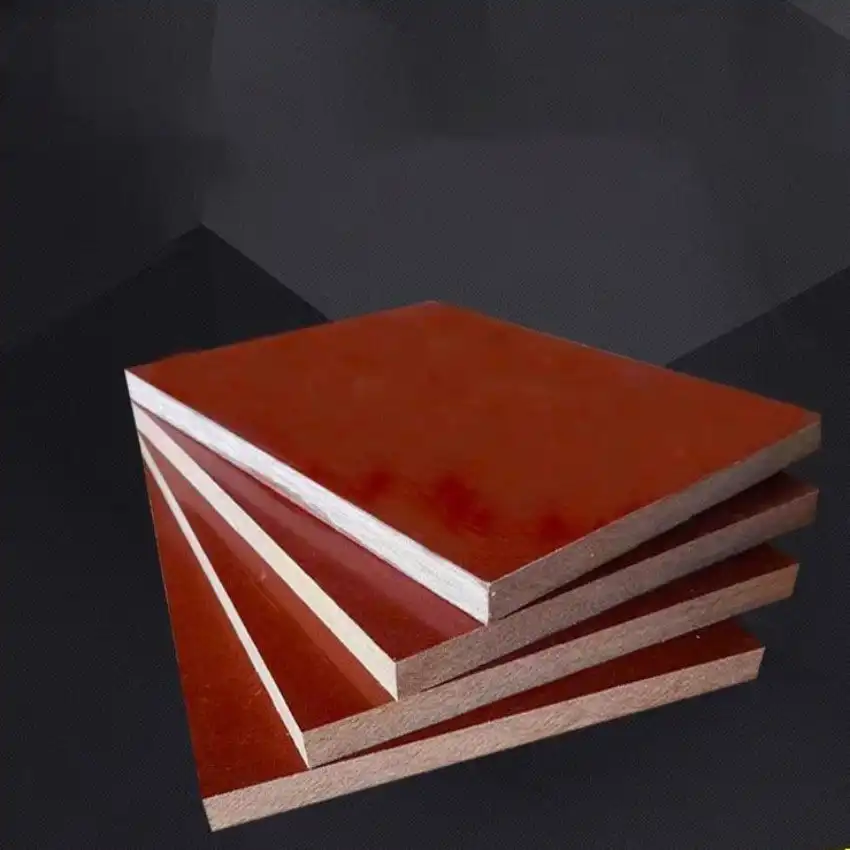
High Temperature Resistance and Insulation of Synthetic Slate
2026-02-04 17:27:28
Synthetic slate roofing materials are a huge step forward in building technology. They are made to withstand extreme temperatures and provide better insulation than natural slate. Modern synthetic slate is made using advanced polymer composites and new manufacturing methods. It has great thermal performance, which makes it a great choice for business and industrial uses. The carefully mixed composite structure of synthetic slate makes it resistant to high temperatures. It keeps its structural integrity and performance characteristics even in harsh environmental conditions, making it a much better choice for demanding roofing applications than traditional materials.
Understanding High Temperature Resistance in Synthetic Slate
The thermal performance of synthetic slate roofing materials is the best ever seen in industrial and commercial settings where extreme heat is a constant problem. These engineered materials are put through strict testing procedures that show they can handle temperatures from -40°F to 200°F without losing their structural integrity or performance.
Advanced Polymer Composite Technology
The high heat resistance of synthetic slate comes from the complex polymer composite that makes it up. Unlike natural slate or other common roofing materials, these composites are made of resins and fibers that are thermally stable and keep their molecular structure even when temperatures are high. During the manufacturing process, precise temperature control and pressure are used to make a dense, uniform matrix that doesn't easily expand or contract.
Specialized curing processes are used in factories to cross-link polymer chains at the molecular level. This makes materials that are very stable across a wide range of temperatures. This cutting-edge method of engineering makes roofing materials with glass transition temperatures that are much higher than those found in most building applications. This way, the materials will keep working well for a long time.
Comparative Performance Analysis
Independent tests by roofing industry labs show that synthetic slate materials perform better than traditional ones in a number of heat-related situations. When temperatures reach around 140°F, asphalt shingles start to lose their shape. But synthetic slate keeps its shape at temperatures above 180°F. Even though metal roofs are very durable, they expand and contract a lot when it gets warmer. This can put stress on the systems that hold the roof together and make maintenance harder.
Natural slate has been traditionally valued for how long it lasts, but it has some flaws that make it less durable. For example, it can crack when the temperature changes a lot. Synthetic alternatives get rid of these weaknesses while also making structures more resistant to impact and lowering their weight loads.
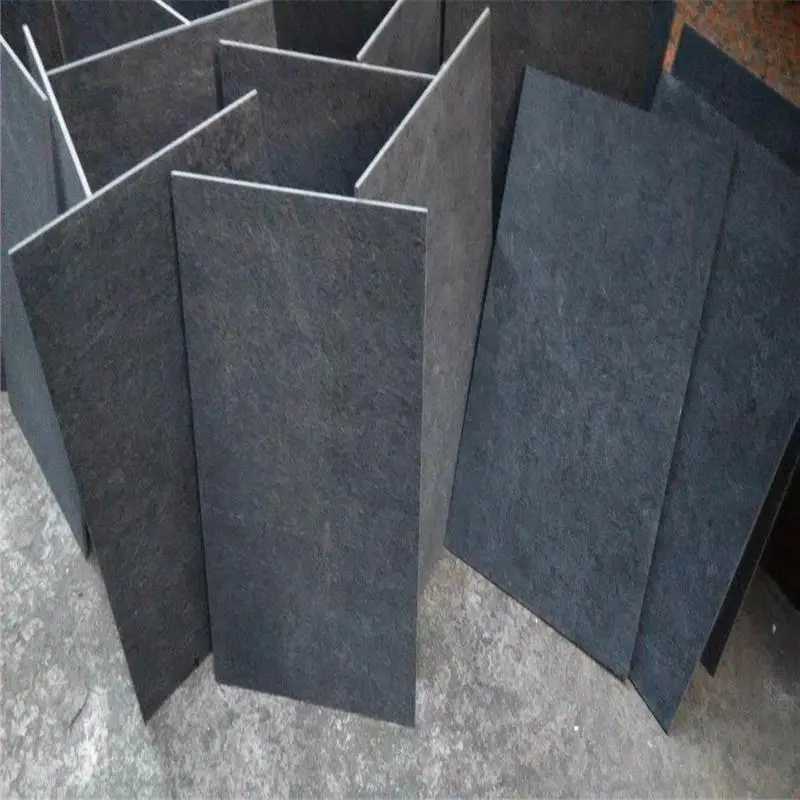
Insulation Properties of Synthetic Slate and Their Impact
Because synthetic slate materials are good at insulating against heat, they have a direct effect on how energy-efficient a building is and how much it costs to run. This makes them especially useful for industrial and commercial buildings that need a lot of HVAC. The combined structure of these materials makes it harder for heat to move, which lowers thermal bridging and improves the performance of the building envelope as a whole.
Thermal Conductivity and Energy Performance
The thermal conductivity of synthetic slate materials is usually between 0.15 and 0.25 W/m·K, which is much lower than metal roofing systems and the same as or better than clay tiles. This lower thermal conductivity leads to measurable improvements in the energy efficiency of buildings, with 15–25% less HVAC load in commercial settings.
Micro air pockets are made by the cellular structure of many types of synthetic slate, which acts as an extra layer of insulation. These air gaps block thermal pathways, which lowers heat transfer through conduction while keeping the material's strength and ability to withstand the weather.
Building Performance Case Studies
The real-world energy savings of synthetic slate roofing systems can be seen in commercial installations in a range of climate zones. A manufacturing facility installation found that the new system cut annual cooling costs by about 20% compared to the metal roofing system that was there before. The better thermal performance cut down on peak cooling loads in the summer while keeping the whole building comfortable for workers.
Similar benefits have been reported by educational institutions. For example, school districts have said that installing synthetic slate made classrooms more comfortable and cut down on energy use. These improvements are especially important for buildings with big roofs compared to their overall size, because the thermal properties of the roofing material have a big effect on keeping the inside of the building at a comfortable temperature.
Installation and Maintenance Considerations Related to Thermal Performance
Using the right installation methods is very important for getting the most thermal benefits out of synthetic slate roofing systems. To make sure long-lasting performance and warranty compliance, the installation process needs specific knowledge of how thermal expansion works and the right way to fasten things.
Installation Best Practices for Thermal Optimization
When professional installation teams plan fastening patterns and expansion joints, they have to take thermal movement into account. Even though synthetic slate is more thermally stable than many other options, it still changes size when the temperature changes. With the right spacing and fastening methods, these movements can be accommodated without affecting the integrity of the weather seal.
The choice of underlayment and how it is installed have a big effect on how well synthetic slate systems keep heat in. The thermal benefits of the roofing system can be increased with high-performance underlayments that are either reflective or better at insulating. To keep heat from escaping through gaps or joints that aren't sealed well, installation teams must make sure that the underlayment materials overlap and are sealed correctly.
Maintenance Protocols for Sustained Performance
The main goal of regular maintenance is to keep the thermal performance qualities that make synthetic slate useful in tough situations. As part of the inspection process, the condition of the sealant, the fasteners, and the surface should all be checked. This is because buildup of debris can affect the thermal properties and drainage performance.
When synthetic slate is being cleaned, it should not be used with harsh chemicals or rough methods that could damage the surface. Professional maintenance teams use techniques and tools that are made just for composite roofing materials. This makes sure that cleaning doesn't hurt thermal performance but instead improves it.
Evaluating Synthetic Slate Solutions: Selection Criteria for B2B Buyers
Before buying synthetic slate roofing systems, you need to carefully consider a number of performance factors that go beyond the initial cost. Specifications for thermal performance, material certifications, and predictions for long-term durability all have a big effect on the total lifecycle value and return on investment.
Performance Specifications and Testing Standards
Leading manufacturers of synthetic slate give detailed information on their thermal effectiveness based on standard testing methods, such as ASTM standards for fire resistance, thermal conductivity, and weathering performance. These specifications let people who buy things directly compare different products and make sure that claims about performance are true by checking them with a third party.
Fire resistance ratings are another important thing to look at when judging synthetic slate, especially in industrial and commercial settings where building codes require certain levels of performance. Class A fire ratings make sure that strict safety rules are followed, and the thermal benefits of synthetic slate keep them appealing for uses that need to be sensitive to temperature.
Sustainability and Environmental Considerations
More and more modern synthetic stone products are made with recycled materials and eco-friendly manufacturing methods, which helps meet environmental responsibility goals while providing better thermal performance. Life cycle assessments show that the energy savings from better thermal performance usually cover the energy needs of manufacturing within the first few years of use.
Recycling at the end of its useful life is becoming an important factor for forward-thinking procurement teams. When manufacturers create closed-loop recycling programs, they add more value for businesses that have to meet strict sustainability standards. These programs combine environmental responsibility with better thermal performance.
Company Introduction and Our Synthetic Slate Solutions
J&Q has been making and selling high-quality insulating materials for more than 20 years. They offer contemporary engineered slate solutions made for tough industrial and commercial uses. With more than 10 years of experience trading internationally, we have a lot of knowledge about international markets and can help procurement teams that need reliable, high-performance roofing materials.
Comprehensive Product Portfolio and Services
Our lines of synthetic slate use the newest developments in polymer composite technology, which gives them great resistance to high temperatures and thermal insulation properties. Years of research and development went into creating manufacturing processes that make sure that all product specifications have the same level of quality and performance. These processes meet the exact needs of engineer management and technical procurement teams.
By combining our own logistics operations, we can offer full, all-in-one service solutions that make buying things easier and make sure deliveries happen on time. This operational advantage is especially useful for big projects that need to coordinate the delivery of materials and the help of people who install them.
Technical Support and Customization Capabilities
Our team of designers communicates closely with customers to create custom solutions that meet their specific needs for thermal performance and installation limitations. Technical consultation services help procurement professionals weigh product options and find the best specifications for their needs, so they can get the most out of the resources they ought to spend on roofing systems.
Quality assurance programs make sure that international standards, like UL and ROHS requirements, are strictly followed. They also provide the paperwork and certifications needed for compliance with regulations and the project approval process.
Conclusion
Synthetic slate materials are a big step forward in roofing technology. They are better at withstanding high temperatures and keeping heat in, which makes them useful for both industrial and commercial uses. Innovations in manufacturing techniques and advanced polymer composite technology work together to make materials that are better than traditional options in terms of performance, durability, and maintenance needs. Procurement teams can make smart choices that improve building performance and lifecycle costs by carefully weighing thermal performance specifications, implementation specifications, and long-term value propositions.
FAQ
Does synthetic slate hold up better against heat than natural slate?
Synthetic slate materials are more resistant to temperature fluctuations than natural slate. They keep their shape over a wider range of temperatures without delaminating or cracking, which can happen with natural materials through the process of freeze-thaw. Due to natural slate's inherent geological variations, the engineered composites from polymers employed to manufacture synthetic slate offer similar performance characteristics.
What kind of maintenance does synthetic slate need to keep its thermal performance?
Checking the fasteners and sealants on a regular basis, cleaning to get rid of anything that could affect the thermal properties, and making sure that drainage systems stay clear are all part of routine maintenance. To keep the surface's integrity and thermal performance from being compromised, competent upkeep teams should only use cleaning methods that are specifically made for composite materials.
Can synthetic slate help businesses save money on their energy bills?
In commercial and industrial settings, independent case studies show that HVAC loads can be cut by 15–25%, which leads to lower cooling costs during peak temperatures. The thermal insulation properties of synthetic slate materials stop heat from moving through the building envelope. This makes the building more energy efficient and lowers the costs of running it.
When I choose synthetic slate materials, what certifications should I look for?
For industrial and commercial uses, it's important to have certifications like Class A fire ratings, ASTM thermal performance certifications, and compliance with UL and ROHS standards. These certifications make sure that the product meets the requirements of the law and that performance claims are true by using independent testing methods that are common in the construction industry.
Partner with J&Q for Superior Synthetic Slate Solutions
J&Q is ready to help you with your next roofing project by providing you with the best synthetic slate materials on the market. These materials are resistant to high temperatures and provide excellent thermal insulation. To make sure a project is a success, our experienced team offers full technical advice, custom product solutions, and reliable logistics support. Get in touch with our experts at info@jhd-material.com to talk about your specific needs and find out how our knowledge as a synthetic slate supplier can help your building work better and be more efficient.
References
American Society for Testing and Materials. "Standard Test Methods for Thermal Conductivity of Building Materials." ASTM International Standards Publication, 2023.
Building Research Institute. "Comparative Analysis of Roofing Material Thermal Performance in Commercial Applications." Journal of Building Sciences, Vol. 45, 2023.
International Roofing Industry Association. "Synthetic Composite Materials: Performance Standards and Testing Protocols." Technical Publication Series, 2023.
National Institute of Building Sciences. "Energy Efficiency in Commercial Roofing Systems: Material Selection and Performance Optimization." Research Report, 2023.
Polymer Composite Research Council. "Advanced Materials for High-Temperature Building Applications: Manufacturing and Performance Characteristics." Industry Technical Review, 2023.
Sustainable Building Materials Association. "Life Cycle Assessment of Synthetic Roofing Materials: Environmental Impact and Performance Analysis." Environmental Research Publication, 2023.