How 94V0 FR4 Fiberglass Sheets Perform in PCB Support Applications
2026-10-16 17:15:58
When engineers and procurement teams evaluate PCB substrate materials, flame retardancy and mechanical stability sit at the top of every checklist. The 94V0 FR4 fiberglass sheet delivers on both counts. Built from woven glass fabric bonded with brominated epoxy resin, it carries the UL 94 V-0 rating — meaning a burning specimen self-extinguishes within 10 seconds without producing flaming drips. For electrical and electronics manufacturers, industrial machinery builders, and power sector engineers sourcing PCB support materials, this guide covers what actually matters: verified performance data, real application scenarios, and practical procurement guidance.
Understanding 94V0 FR4 Fiberglass Sheets: Properties and Manufacturing
Core Physical and Electrical Properties
FR4 epoxy fiberglass laminates have a density of about 1.85–2.08 g/cm³ and a flexural strength of more than 340 MPa along their length. It has a dielectric strength of about 50 kV/mm and a breakdown voltage of more than 40 kV when it comes to laminations. These numbers, which were checked using IPC-4101 and ASTM D 709, show that the material is a reliable electrical insulator over a wide voltage range. This is a feature that PCB designers count on to keep multi-layer boards from shorting from layer to layer.
Thermal and Chemical Stability
The Glass Transition Temperature (Tg) of standard FR4 sheet is between 130°C and 140°C, and it can be used continuously at Class B (130°C). That ceiling can go up to 170°C to 180°C with high-Tg versions, which is useful for wave-solder pallets and automotive heat-barrier fixtures. According to ASTM D570, water absorption is less than 0.2%, so the dielectric stability is maintained even in humid production settings. The brominated epoxy material can also stand up to many different acids and solvents used in industry.
Manufacturing Quality Controls
As part of its 43,000-ton-per-year production process, JingHong checks each batch for dimensional tolerance (thickness uniformity ±0.1 mm for thin sheets), surface integrity (for bubbles or dry spots), and flammability certification under UL 94 V-0. The building is ISO 9001 certified, which gives procurement teams a quality control system they can use when auditing suppliers.

Performance Comparison: 94V0 FR4 vs Alternative Fiberglass Sheets
94V0 FR4 vs Standard FR4
The woven glass–epoxy structure of standard FR4 and 94V0 FR4 Fiberglass Sheet is essentially the same. The key difference is that 94V0 FR4 meets the strict UL 94 V-0 vertical flammability classification, while standard FR4 may only meet the HB (horizontal burning) classification. For switchgear, motor components, and other equipment requiring UL compliance, 94V0 FR4 Fiberglass Sheet is the preferred choice when V-0 flame-retardant performance is required.
94V0 FR4 vs G10 Fiberglass
G10 and FR4 are structurally similar because they both use woven glass fabric in an epoxy resin matrix. The main difference is in the chemistry: FR4 adds bromine to the resin mixture to make it self-extinguishing (V-0). G10 does not have that flame-retardant ingredient, and it is no longer widely used in electronics where safety certification is needed. Both have about the same mechanical strength and dielectric qualities, so FR4 is the clear choice for an update.
Flame Retardant Ratings: 94V0, 94HB, and CEM-1
When buying PCB laminates, procurement teams often come across three grades. This is a straight comparison:
- UL 94 V-0: Self-extinguishes within 10 seconds on a vertical specimen; no flaming drips. Required for UL-listed electronics and high-safety industrial equipment.
- UL 94 HB: Horizontal burn only; slower burn rate but no self-extinguishing requirement. Suitable for lower-risk applications.
- CEM-1: A composite epoxy material using paper and woven glass; lower cost but inferior thermal and mechanical performance compared to full FR4 laminates.
V-0 approval is the basic requirement for PCB support structures used in power distribution, battery barriers for cars, or telecommunications gear.
Applications of 94V0 FR4 Fiberglass Sheets in PCB Support
PCB Substrates and Electrical Insulation
Being the base for single-sided, double-sided, and multi-layer printed circuit boards is the most direct use. The sheet keeps the copper traces from touching each other electrically and can handle the high temperatures of soldering. It's also used as a spark blocker and a busbar support in switchgear cabinets, which are places where fire spreading could cause catastrophic failures.
Industrial Machinery and Structural Components
OEMs of machinery use FR4 epoxy laminates as structural brackets, mechanical spacers, and insulation pads because the material can keep its width within very small ranges while under constant load. The woven glass fabric construction doesn't delaminate during CNC milling, so it can be used to make precision-machined gears and fixtures that don't wear out easily. When it comes to OEM sourcing managers, consistent batch-to-batch thickness uniformity cuts down on the cost of rework on the production floor.
Automotive, Power, and Emerging Sectors
Automotive Tier-1 suppliers use 94V0 FR4 Fiberglass Sheet for battery pack barriers and heat-resistant mounting fixtures, where dimensional stability is essential to prevent repeated changes caused by temperature fluctuations. The material is also used by power distribution engineers to insulate generator coils and manufacture arc safety shields. As system densities increase and fire safety requirements become more stringent under evolving building and equipment codes, demand for reliable FR4 insulation materials continues to grow across the renewable energy and telecommunications industries.
Procurement Considerations for 94V0 FR4 Fiberglass Sheets
Specifications, Sizing, and MOQ
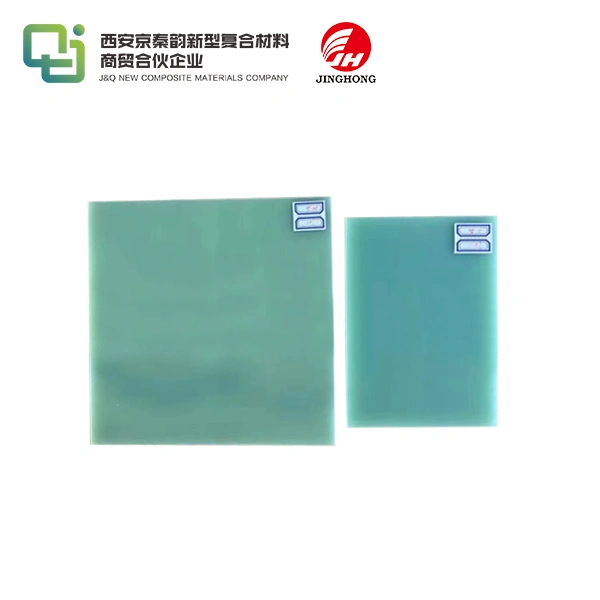
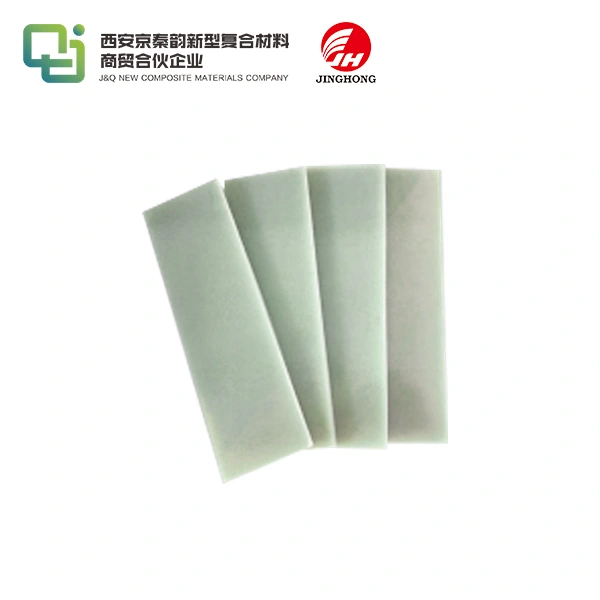
You can get JingHong FR4 epoxy fiberglass sheets in a normal natural light-green color and in thicknesses from 0.3 mm to 100 mm. You can get sheets in custom sizes like 1030 mm × 2030 mm, 1220 mm × 2440 mm, 1030 mm × 1030 mm, and 1030 mm × 2070 mm. The standard size is 1030 mm × 1230 mm. The MOQ starts at 500 kg, which lets engineering teams order the right amount to meet production schedules instead of having extra stock.
Supplier Qualification and Certifications
Procurement teams should check three things about a possible FR4 epoxy sheet supplier: a valid UL 94 V-0 test certificate for the product in question, paperwork for the ISO 9001 quality system, and RoHS compliance records. Qualification time is cut down by a large amount when suppliers provide clear, third-party test reports. JingHong's sheets are made to UL and ISO standards, and they are packaged on pallets to keep them from getting damaged during shipping. This is an important practical detail when getting large-format sheets by sea or land.
Logistics and Lead Time Planning
With JingHong, you can use T/T to pay for transportation by sea, land, or air, ensuring flexible shipping arrangements for your 94V0 FR4 Fiberglass Sheet orders. When you have your own transportation department, you can better control shipment schedules and keep your production line running even when materials arrive late. Procurement professionals managing long-term supply contracts can benefit from these flexible logistics options, while JingHong’s annual production capacity of 43,000 tons helps accommodate sudden increases in demand.
Why Choose 94V0 FR4 Fiberglass Sheets for Your PCB Needs
Safety Compliance and Global Market Access
UL 94 V-0 certification is needed to sell electronics in most countries around the world, including North America. Finding FR4 laminates with this rating from the start saves a lot of money on re-testing during product certification. RoHS compliance also takes away hurdles to entering the European market, which gives tech companies more options for how to distribute their products.
Long-Term Cost Efficiency
Failures of the material in the field cost a lot more than any change in the cost per kilogram up front. Over the course of their service life, FR4 epoxy fiberglass boards don't absorb water, warp due to heat, or delaminate. This directly lowers the number of warranty claims and field repairs. Lower scrap rates and more predictable assembly yields are two benefits of batch-stable material properties for companies that make a lot of home appliances.
OEM Customization and Technical Support
JingHong offers OEM services that include custom thickness, custom sheet dimensions, and specs that are specific to the purpose. A supplier that can change parameters without needing a full production minimum is helpful for engineering teams that are working on prototypes or switching between product generations. This cuts down on the time it takes to get new ideas to market while still meeting the requirements for approved performance.
Conclusion
The 94V0 FR4 Fiberglass Sheet offers measurable and proven performance benefits for PCB support applications, combining reliable flame resistance, high dielectric strength, and excellent thermal stability. As a type of FR4 epoxy fiberglass laminate with a UL 94 V-0 rating, it is designed to self-extinguish after the removal of an ignition source. Standard grades can withstand temperatures up to 140°C, while High-Tg grades can offer thermal resistance up to 180°C. Their consistent mechanical properties also support precision CNC machining and reliable performance in finished components. These certified material properties help reduce compliance risks and extend product service life across various industries, from electrical switchgear to automotive battery systems. For procurement teams and engineers evaluating material suppliers, JingHong is a supplier worth comparing, with its large production capacity, transparent certification information, and flexible transportation options.
FAQ
What does the 94V0 rating actually mean?
With a UL 94 V-0 grade, a vertical test piece that is put near a flame stops burning in 10 seconds and doesn't make any flaming drips. This is the strictest level in the UL 94 vertical burn test series, and most UL-listed electronics and electrical equipment sold in the US must have it.
Is the light-green color a requirement for the V-0 rating?
Not at all. The epoxy-green look is standard in the business, but it's not required for approval. The 94V0 classification is based only on the chemistry of the resin and the results of tests for flammability. Color has no effect on this. You can get sheets in different colors, and it won't change the rating.
Can FR4 epoxy sheets be machined to custom dimensions?
Yes, FR4 laminates can be fully CNC-machined. However, because they contain sharp glass, it is best to use tungsten carbide or diamond-coated tools. High spindle speeds and good dust extraction keep operators safe and prevent delamination. To cut down on the need for extra machining, JingHong offers unique sizes with tight limits on dimensions.
What is the difference between standard and High-Tg FR4?
The Glass Transition Temperature for regular FR4 is between 130°C and 140°C. High-Tg FR4 types can hit temperatures between 170°C and 180°C, which makes them good for solder trays, heat barriers in cars, and other uses that need to change temperatures often. If you specify the correct Tg grade when you buy something, the material won't break down too quickly.
Does FR4 absorb moisture over time?
According to ASTM D570, the amount of water absorbed is less than 0.2%. Even though this number is very small, even a small amount of moisture can change how well a high-frequency dielectric works. For precision electrical uses, it is best to store things in a dry, covered area.
Partner with J&Q for Your FR4 Fiberglass Sheet Supply
J&Q, which does business under the JingHong brand, has been making insulating sheets for more than 20 years and has been doing business internationally for more than 10 years. We are a reliable company that makes 94V0 FR4 Fiberglass Sheet. We have UL and ISO 9001 certifications, offer full OEM customization, and run our own logistics network for shipping by sea, land, and air. We can make 43,000 tons of goods every year, and our minimum order quantity is 500 kg. We work with tech teams and supply chain managers all over the world, not just in the US. To get a quote, email info@jhd-material.com with your needs or go to jhd-material.com.
References
1. IPC — IPC-4101: Specification for Base Materials for Rigid and Multilayer Printed Boards — IPC, 2017.
2. UL — UL 94: Standard for Flammability of Plastic Materials for Parts in Devices and Appliances — Underwriters Laboratories, 2018.
3. ASTM International — ASTM D709: Standard Specification for Laminated Thermosetting Materials — ASTM International, 2021.
4. ASTM International — ASTM D570: Standard Test Method for Water Absorption of Plastics — ASTM International, 2018.
5. ASTM International — ASTM D149: Standard Test Method for Dielectric Breakdown Voltage and Dielectric Strength of Solid Electrical Insulating Materials — ASTM International, 2020.
6. Harper, C. A. — Electronic Packaging and Interconnection Handbook — McGraw-Hill, 2004.
_1754967691873.webp)