How Are Black Phenolic Tubes Used in Electrical Bushings and Insulating Spacers?
2026-11-16 17:01:16
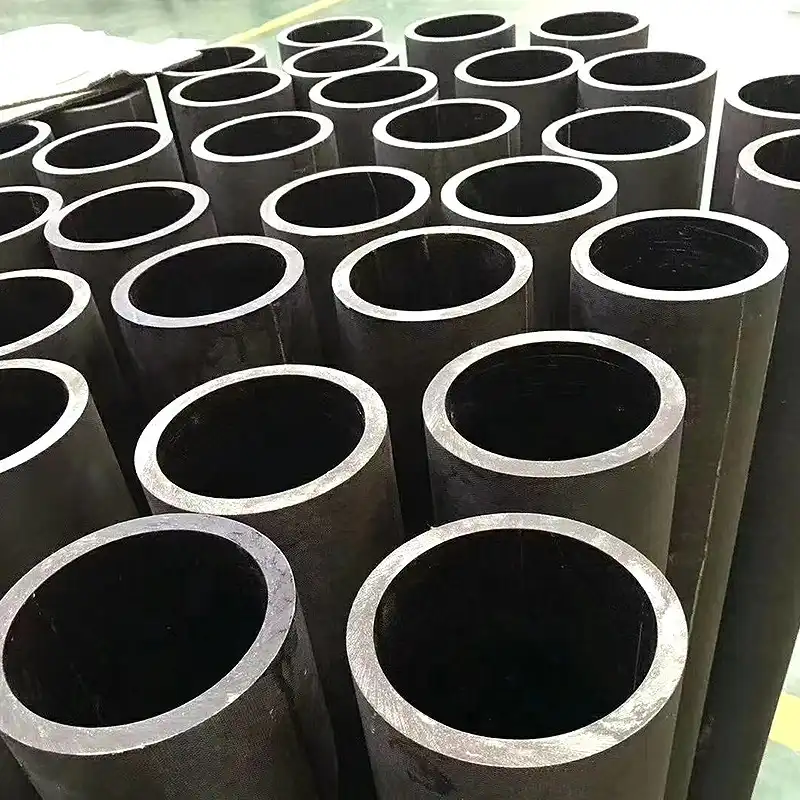
In electrical bushings, a Black Phenolic Tube functions as both a rigid insulating sleeve and an insulating spacer that can be cut to the desired length. The tube keeps a conductor, rod, or bolt from touching a grounded metal panel and keeps it in the middle of the bushing. It keeps busbars, terminals, coils, and plates at a fixed distance as a spacer. The cotton fabric and phenolic resin give the tube strength, make it easy to shape, and keep electricity from flowing through it. We make brown or black JingHong tubes at J&Q. For electrical and industrial projects in the United States, this guide shows you how to pick them out, describe them, and buy them.
Why Black Phenolic Tube Matters in Electrical Insulation?
What a Black Phenolic Tube Is?
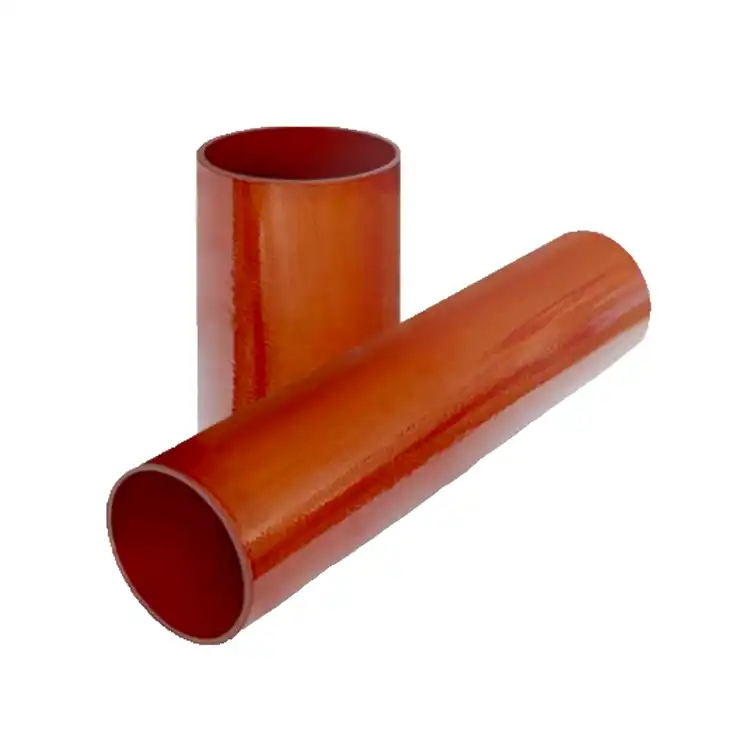
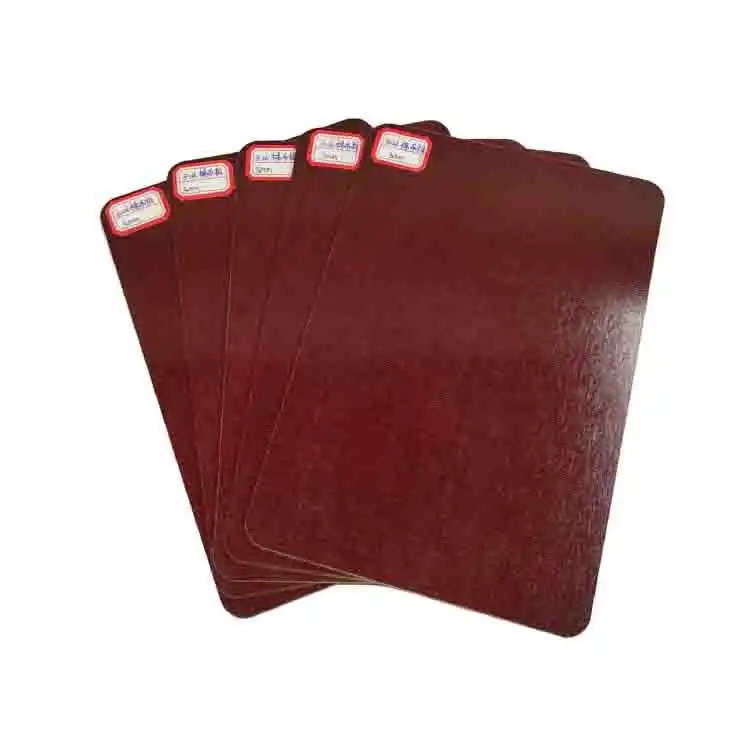
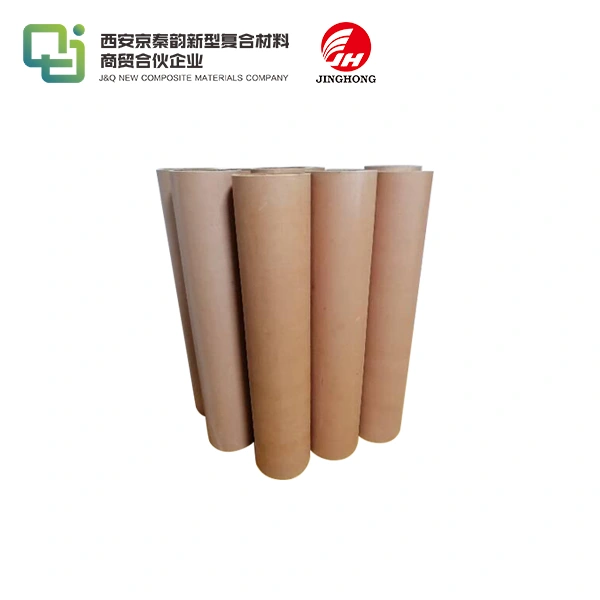
Cotton fabric that has been soaked in phenolic resin and then cured into a dense, round tube is used to make our JingHong tube. You can get it in black or brown. Fabric reinforcement is not the same as paper-based phenolic tubing, so I always tell buyers to check the type of reinforcement on every quote. The cotton fabric makes the wall strong so that it can be used for drilling, threading, and turning. Because phenolic resin is a thermoset, the tube that has been cured will not melt when heated and can't be changed in shape. This quality is useful when the part is close to hot wires and screws.
Where Do Bushings and Spacers Fit in Electrical Equipment?
A live part can go through or sit close to a grounded surface in transformers, switchgear, control panels, and motors. The conductor gets through that barrier with the help of a bushing. A spacer tells the parts how far apart they should be. That's because a soft part can move when the bolts are tightened or when the machine shakes. People who make electronics, machines, power tools, and home appliances all use these kinds of sleeves and spacers in their assemblies.
Why Buyers Choose Tube Instead of Drilled Rod?
If you start from a tube, the bore is already there. You don't have to drill, and you waste less material than if you turned a bushing out of a solid rod. That's important for large orders. Since the inside diameters of the tubes we make range from φ5mm to φ1500mm, many bushing and spacer sizes start close to the final size. When starting sizes are closer, it takes less time to machine each part, which means less handling and waste on repeat orders.
Material Properties That Matter for Bushings and Spacers
Electrical and Thermal Behavior
It keeps electricity from flowing, and ASTM D149 is the standard way to test for dielectric breakdown voltage and dielectric strength. Our JingHong tube can handle temperatures up to 120℃. Compare that limit to the highest and lowest temperatures that your business operates at. Setting safe voltage limits is not just about the material. IEC 60664-1 talks about clearance and creepage distances. These distances depend on the whole design, such as contamination and humidity. Before you approve a part, I think you should ask for test data that matches your voltage class.
Mechanical Strength and Machinability
A Black Phenolic Tube is strong and durable because it is reinforced with cotton fabric. This makes it perfect for bushings that hold a rod in place or carry bolt preload. You can drill, tap, turn, and cut the metal into rings. Our tubes have a smooth finish on the outside and exact measurements, which helps them fit together well when they are put together. When phenolic is machined, fine dust is made that is irritating to the lungs. To avoid this, shops should use dust extraction and respiratory protection. Sharp internal corners and very thin sections that aren't supported can crack, so good drawings cut down on rejects.
Moisture and Chemical Behavior
It is helpful to have phenolic resin in shops with oils and solvents because it is chemically stable. Phenolics can still soak up some water, and ASTM D570 measures how much water they can soak up. When it comes to humidity, fabric-based phenolics usually do better than paper-based grades, which can swell a little. Strong oxidizing acids can damage phenolic resin, so check the chemicals close to your tools. Let us know right away if your site has condensation or washdown so we can talk about whether this material fits.
How Black Phenolic Tubes Work in Bushings and as Spacers?
The Bushing Function
The tube acts as an insulator between a conductor, fastener, or shaft and the grounded area around it in a bushing. It also centers the part and stops it from moving because of stress or vibration in the assembly. Parts that have been machined, like shoulders, grooves, counterbores, and stepped diameters, fit better and are easier to put together. Creep along the surface is also affected by the length and design of the flanges. Check for concentricity, surface quality, burrs, cracks, and repeatability from one piece to the next before giving the go-ahead for production.
The Spacer Function
Wires, plates, brackets, busbars, and coils are kept apart by a spacer made from tube stock. It also lowers the chance of touching someone by accident. There should be a gap between the bolts, and the wall thickness should be able to handle the compressive load from the bolt preload. We have tubes with walls as thin as 2 mm and ones that are 2 m long, so one length can make a lot of cut rings. For higher-voltage gear, check the whole assembly for clearance, creepage, humidity, and contamination. Then test the whole thing, not just the tube itself.
Typical Applications
I often see these tubes used in these three places, and I'll explain why each one works.
- Transformer and switchgear assemblies: Sleeves and spacers hold coils, terminals, and busbars in position. The tube gives rigid support while keeping metal parts electrically separated, and the thermoset resin keeps its shape within the rated temperature limit.
- Control panels and electrical machinery: Bolt insulation sleeves, cable-entry sleeves, and shaft collars keep fasteners and rods from touching grounded panels. Machinability lets shops add steps and grooves to match each design.
- Industrial equipment and bearing parts: Bushings and wear-resistant components use the cotton fabric strength of the tube. Our product data also lists chemical processing, automotive, aerospace, and marine uses.
These examples show why one tube material can be used for different types of parts. This makes shopping easier for people who need a lot of different sizes.
Comparing Black Phenolic Tube With Other Insulation Materials
Versus Fiberglass Epoxy
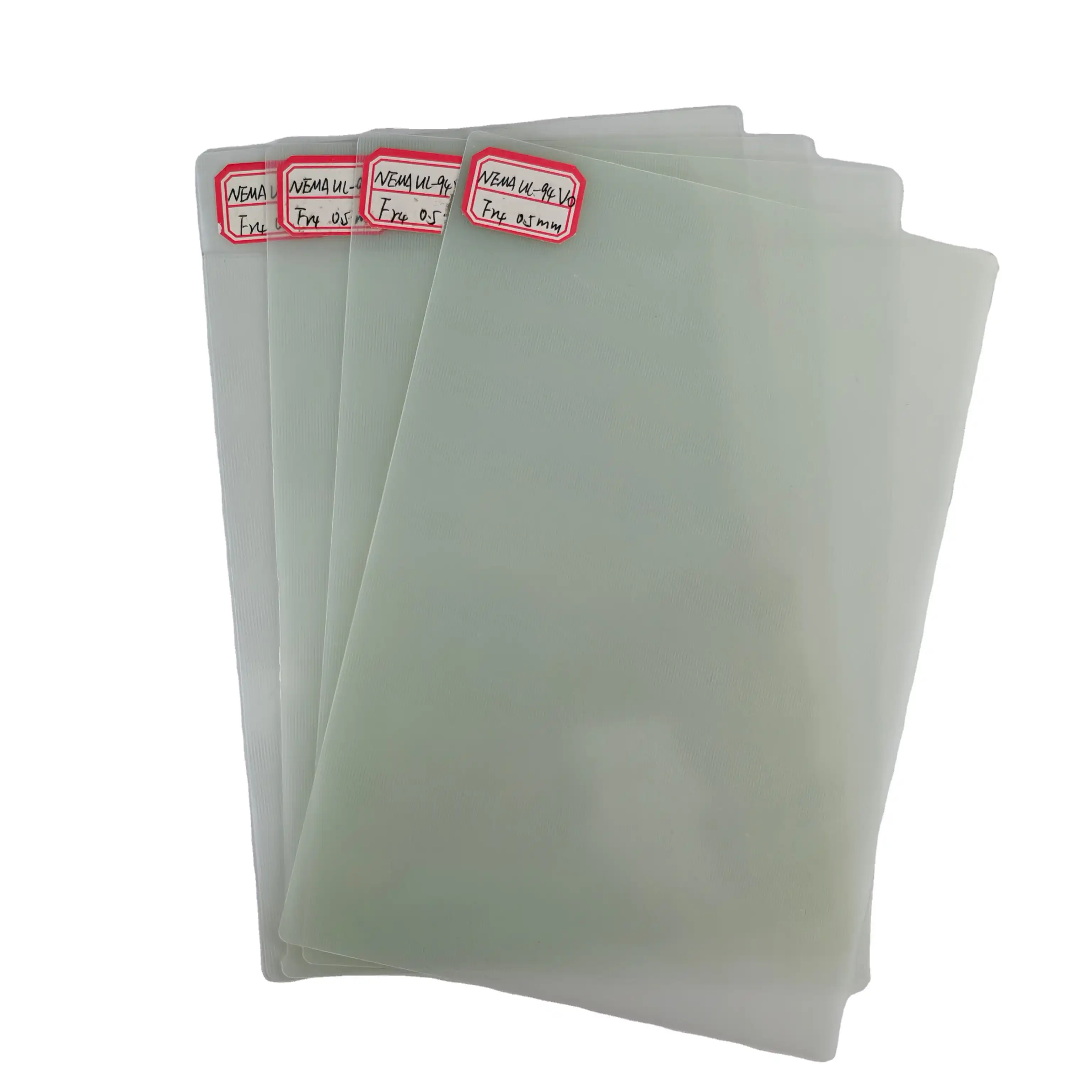
Fiberglass epoxy tubes, like the G10 or FR4 types, can often handle more heat or force than a Black Phenolic Tube. For general-use parts, phenolic tubes, on the other hand, are easier to machine and cost less. Phosphoric is often a good choice if your application stays below 120°C and needs stable support. You should look into epoxy-based tubing if you need higher heat or more demanding structural performance. Because grades vary a lot within each family, you should look at the certified data sheets for both.
Versus Nylon and PTFE
Nylon is strong and can take a beating, but it can change size when it gets wet. Chemicals don't stick to PTFE very well, but it's soft and bends when it's loaded steadily. When the bolt preload is high, phenolic gives a spacer more support and less creep, which helps it keep its length. PTFE might be better for a sleeve that needs to slide or stand up to harsh chemicals. Phosphoric is usually a good choice for rigid standoffs and bushings that are compressed.
When Another Material Is Better?
Phenolic isn't always the best choice. Strong impacts, prolonged wetness, strong oxidizing acids, direct exposure to the elements, or temperatures above the recommended range are all signs that other materials should be used. It's also not good for parts that need to be flexible or have very little friction. This is something I'd rather tell a buyer right away than see a broken part later. Send us information about how your design will be used, and we'll let you know right away if our tube works or if there are better options.
How to Specify and Buy Black Phenolic Tube?
Dimensions and Tolerances
It takes less time to draw something that is clear. Make a list of the inner diameter, outer diameter, wall thickness, length, concentricity, and finish on the surface. When you order JingHong tubes, you can choose from inner diameters of φ5mm to φ1500mm and outer diameters of φ6mm to φ2000mm, with an outer diameter of at least 8mm. The thinnest wall is 2 mm thick, and the longest is 2 m. Tell them how much tolerance you need at the quote stage. Lead times can be cut down with standard stock sizes, and machining waste can be cut down with custom lengths.
Quality Checks and Documents
As part of our process, we check the raw materials, keep an eye on the temperature while they cure to help the resin cross-link, check the dimensions, and check the quality of the surface. When it's necessary, final product testing is done, and quality documentation is sent with every shipment. Instead of guessing, ask what standards you need to be written down, like NEMA LI 1 or ASTM D229 and D149 test methods, and make sure you have them in writing. Good suppliers also make it easy to track down batches and give clear information about packaging.
Working With J&Q
We've been making and selling insulating sheets for more than 20 years, and we've been doing business with other countries for more than 10 years. We do business with trading companies in the United States and other countries, and our own logistics company ships goods by sea, land, and air. Our OEM service includes wall thickness, diameter, length, special surface treatments, and prototypes. We can make 100 tons of them every year. We can handle both small and large orders. A good RFQ includes information about the use, size, voltage, temperature, environment, quantity, and when it needs to be delivered.
Conclusion
In electrical bushings, a Black Phenolic Tube acts as a machined spacer to keep parts apart and to center conductors, rods, and bolts. With a temperature rating of up to 120°, JingHong tubes are strong, easy to machine, and chemically stable thanks to the phenolic resin and cotton fabric reinforcement. The whole design, such as clearance, creepage, humidity, and testing of the finished assembly, determines whether it is safe to use. Compared to nylon, fiberglass epoxy, and PTFE, phenolic is better for rigid, moderate-temperature parts that need to be cheap. Other materials are needed for parts that will be hit, stay wet for a long time, or be exposed to harsh acids and higher temperatures. Sourcing goes more smoothly when there are clear drawings, tolerances, and supplier paperwork.
FAQ
What is a Black Phenolic Tube used for in bushings?
It keeps a conductor, rod, or bolt from touching a grounded panel and keeps that part in the middle.
Can it work as an insulating spacer?
Yes. It is cut or machined into rings, sleeves, and standoffs that keep plates, busbars, or terminals apart. Size the wall so that it fits the bolt load.
What temperature can JingHong tubes handle?
Up to 120°F is on our list of products. Look at that limit and compare it to your peak and continuous temperatures.
What sizes can J&Q make?
The inside diameters range from φ5mm to φ1500mm, and the outside diameters range from φ6mm to φ2000mm. The walls are 2 mm thick at the beginning and can be up to 2 m long.
Does J&Q offer custom orders?
Yes. Our OEM service includes making prototypes and checking the thickness, diameter, and length of the walls, as well as applying special surface treatments.
Contact J&Q for Black Phenolic Tube Bushing and Spacer Supply
For your bushing or spacer project, send J&Q your drawings, sizes, voltage, and temperature needs at info@jhd-material.com. Our team will look them over and get back to you. We have been a Black Phenolic Tube supplier for over 20 years. We have also been in foreign trade for over 10 years and have our own logistics company, so we can help you with everything you need by sea, land, or air. For more information, go to jhd-material.com.
References
1. ANSI/NEMA LI 1 Industrial Laminated Thermosetting Products, 1998
2. ASTM D149 Standard Test Method for Dielectric Breakdown Voltage and Dielectric Strength of Solid Electrical Insulating Materials at Commercial Power Frequencies, 2020
3. ASTM D229 Standard Test Methods for Rigid Sheet and Plate Materials Used for Electrical Insulation, 2019
4. ASTM D570 Standard Test Method for Water Absorption of Plastics, 2018
5. IEC 60664-1 Insulation Coordination for Equipment Within Low-Voltage Supply Systems, 2020
6. Handbook of Plastics, Elastomers, and Composites, 2002