How Can CNC Routers Improve 3240 Epoxy Sheet Processing Efficiency?
2026-07-21 17:25:28
CNC routers revolutionize the processing of 3240 epoxy sheet by delivering automated precision that dramatically reduces cycle times and material waste. These advanced systems eliminate human error through programmable tool paths, achieving tolerances within ±0.05mm—critical for electrical insulation components and PCB substrates. Unlike traditional cutting methods, CNC technology maintains consistent edge quality across high-volume production runs while preserving the material's dielectric strength and thermal properties, making it indispensable for modern manufacturing operations.
Introduction
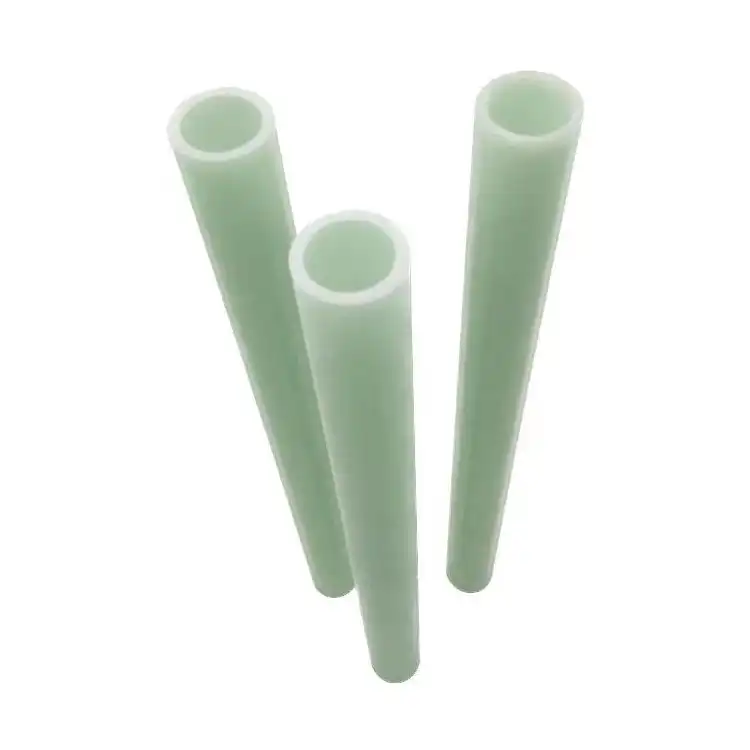
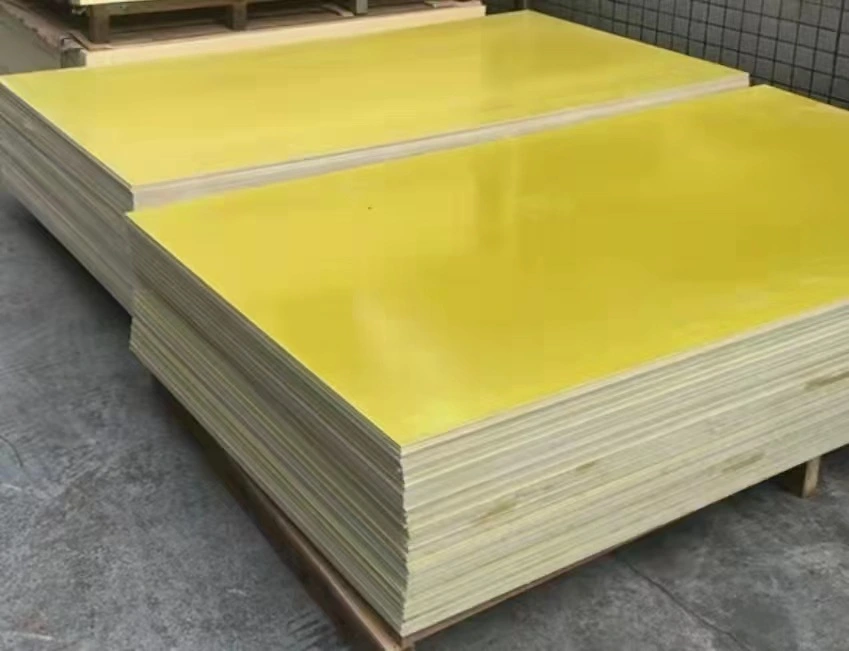
The manufacturing world needs materials that are both very good at insulating electricity and very strong. These needs are met by 3240 epoxy sheets, which are made of electrical-grade fibreglass cloth that has been soaked in epoxy resin. They can withstand temperatures up to 130°C and have a dielectric strength greater than 30kV in oil. These laminated sheets are used in many industries, from making parts for cars to distributing electricity, for important tasks where safety and performance are directly affected by temperature stability and accurate measurements.
How well manufacturers can stick to tight production schedules and keep costs down depends on how well they can process things. When using traditional methods of cutting, mistakes are often made that hurt both the quality of the 3240 epoxy sheet and the speed of the process. As purchasing teams and engineering managers look for ways to balance accuracy with scalability, CNC routing technology stands out as a game-changer. This study looks into how computerised routing systems solve long-standing problems in the making of epoxy laminates, giving electrical and electronics makers real benefits that set them apart from competitors.
Understanding the Processing Challenges of 3240 Epoxy Sheet
Material Hardness and Brittleness
When a dense resin matrix is bonded to woven fibreglass, it makes a composite structure with a very high compressive strength (usually over 340 MPa), but it is very hard to machine because of this. Standard drill bits and saws produce too much heat, which can separate layers or make tiny cracks that can't be seen but are very dangerous during electrical stress testing. Because the finished 3240 epoxy sheet is brittle, using the wrong feed rates can cause chipping along the sides of the cut, which requires expensive secondary finishing steps.
Precision and Repeatability Limitations
When buying insulation parts, procurement experts don't like the variability that comes with manual cutting methods. Motor clamps or generator barriers can't be used in precise setups if the thickness tolerance is off by just 0.3 mm. Traditional jig-based cutting takes a long time to set up for each design change, which slows down facilities that make a lot of different SKUs. Different levels of skill among operators make consistency problems even worse, making quality control uncertain between shifts.
Preserving Material Integrity
It's important to keep the resin's integrity during fabrication so that the electrical properties that make 3240 epoxy sheets valuable—volume resistivity above 10^14 Ω·cm and low water absorption below 0.1%—do not change. Too much heat from dull tools or the wrong speeds can change the structure of the polymer, which lowers its insulating performance without showing any damage. To be chemically resistant to transformer oils and industrial solvents, cutting processes must also not add surface contamination or stress concentrations that speed up environmental degradation.
How CNC Routers Address 3240 Epoxy Sheet Processing Bottlenecks
Precision Automation and Error Elimination
Modern CNC routing systems can do what manual methods can't: they can make sure that all thousands of parts are the same size. Computer-controlled servo motors run tool paths that are repeatable to within microns. This gets rid of the difference that comes with working by hand. CAD/CAM integration lets engineers specify insulation barriers with complicated shapes and many mounting holes. This means that design files can be directly translated to machine instructions without any translation errors. This digital process is especially helpful for car suppliers who have to handle a lot of design changes during the product development cycle.
Speed and Throughput Optimization
When you compare cycle times, you can see that working speed is better. When set up correctly, a CNC cutter can make complex cuts in 3240 epoxy sheet that would take 30 to 40 minutes to do by hand in less than eight minutes, which includes changing the tools. Automated nesting software arranges parts so that as little waste as possible is created, which is very important given the present cost of raw materials. We've seen makers cut the amount of waste from 18–22% with manual plans to 6–9% with optimised CNC nesting. This has a direct effect on the cost per unit in competitive bidding situations.
Design Flexibility and Customization
More and more, B2B customers want custom sizes and shapes instead of standard catalogue items. This can be done with CNC systems because they don't require the expensive tools that are needed for stamping or moulding. To switch from a 3mm thick insulation pad to a 6mm thick one, all that needs to be done is to change the material setup and feed parameters. This only takes five minutes, compared to hours of changing the fixture. Because of this flexibility, OEM sourcing managers can combine ties with suppliers instead of keeping track of multiple sellers for different sets of specifications.
Implementation data from companies that make electricity tools in the real world shows that things have gotten better. When switchgear manufacturers switched to CNC routing, the number of rejected parts dropped by 35%, and sites that make generator parts saw a 28% rise in daily output using the same number of labour hours. These efficiency gains come from cutting down on rework cycles, switching between product families more quickly, and getting rid of the need for extra deburring steps.
Technical Considerations for CNC Routing of 3240 Epoxy Sheet
Machine Specifications and Tooling Selection
To get the best results, you need to match the powers of the tools to the properties of the material. Spindle speeds of 18,000 to 24,000 RPM and feed rates of 80 to 120 inches per minute work together to make clean cuts without getting too hot. Most jobs can be done well with two or three fluted carbide end mills, but diamond-coated bits last 300 to 400% longer when working with fibreglass that is rough. Top-surface fuzzing and bottom-edge tearout are the two most common edge quality problems that quality control teams see. Compression spiral bits cut down on both of them.
Cooling and Dust Management
Fine particles are made during the machining process, which can be harmful to your health and could contaminate electrical parts. For factories that want to keep their ISO-certified clean production environments, they have to have high-efficiency hoover systems that can catch 99.5% of airborne particles at the cut point. Using compressed air instead of liquid coolants in mist cooling systems stops moisture absorption that would damage the material's electrical qualities. For example, NEMA standards say that 3240 epoxy sheets must keep water absorption below 0.1%.
Programming and Path Optimization
Configuring software is what separates good performance from great results. Shock loads that can separate layers are lessened by gradually ramping up tool entry angles instead of plunging them vertically. Adaptive cleaning techniques change feed rates on the fly based on the depth of the cut and the amount of material being engaged. This keeps heat from building up, which can affect the accuracy of measurements. For the final perimeter pass, experienced CNC programmers use climb milling instead of conventional milling. This creates compressive forces that seal edge fibres instead of pulling them outward.
Comparative Advantage: CNC Routers vs Other Processing Methods for 3240 Epoxy Sheet
Manual Cutting and Drilling
Hand-operated tools are still popular in shops that make a few prototypes, but they can't be used for production because of their limitations. It's getting more expensive to hire skilled machinists, but using a CNC machine doesn't require as much training, which is important to think about when jobs are scarce. Complex shapes, like curved slots or angled holes, are also hard to work with by hand, but CNC systems can do them with the same level of difficulty as straight cuts. The biggest difference might be the regularity of the edge quality. Even skilled workers can't match the uniformity of motion managed by a computer.
Laser and Waterjet Alternatives
When epoxy composites are cut with a laser, large heat-affected zones are created, leaving carbonised edges that need to be removed and possibly changing the electrical properties. Waterjet systems don't have problems with heat, but they work more slowly and cost more per hour because they need to replace abrasive media and maintain the pumps. Neither method works as well for small holes (less than 3 mm) as mechanical routing. Both the top and bottom surfaces of CNC cutters have a better finish than those made by other methods, but they are harder to set up and cost more to run.
Scalability and Customization
When you look at output flexibility, you can see what the real competitive edge is. CNC cutting can be used for anything from making a single sample part to making 10,000 units without having to buy special tools. This scalability is very helpful for clients in the power sector who buy things based on projects. For example, transformer manufacturers might order 50 custom arc barriers for one installation and then need 500 coil insulators of different sizes three months later. The same CNC machine works well for both situations, while pressing or moulding would need different sets of tools for each situation.
Changeable thickness is also important. Standard thicknesses of 3240 epoxy sheet are between 0.5 mm and 50 mm, but sheets up to 150 mm thick are sometimes needed for specific tasks. These very large sizes can be handled by CNC routers with the right Z-axis travel and rigid gantries. These routers can keep the ±0.1-0.4mm tolerances that procurement specifications require, no matter how thick the material is.
Procuring CNC Routing Solutions and 3240 Epoxy Sheet for Enhanced Manufacturing
Supplier Selection Criteria
When choosing material companies, you need to do more than just compare prices. ISO 9001 certification shows that the company manages quality in a planned way, and UL recognition shows that the company meets important safety standards for electrical products in North American markets. RoHS certification deals with environmental rules that are being required more and more in the supply lines for cars and consumer gadgets. Ask for reports on voltage breakdown tests and thermal ageing. Reliable suppliers will give you batch-specific paperwork that shows performance above 10kV/mm minimum thresholds and stable properties after 240 hours of exposure at rated temperatures.
Partnership Considerations
Equal inspection is needed for CNC equipment agreements. Machine makers who offer application-specific equipment suggestions and tried-and-true parameter sets for 3240 epoxy sheet shorten the time it takes to put plans into action. When production problems happen, how quickly technical support can respond is very important. Domestic service networks that promise to respond within four hours keep costs low by avoiding costly downtime. Customisation is important when space limitations mean that table shapes can't be standard or when dust collection needs to work with current systems.
J&Q can meet all of these needs because it has been making insulation materials for 20 years and has long-standing partnerships with CNC processing companies. Because we are vertically integrated, we handle all of our own operations, so we don't have to wait for third-party shipping, which is a huge benefit when production needs to be restocked quickly. Engineering managers can talk to application experts who know how the properties of a material affect the factors used in its processing. These specialists can give advice that goes beyond just filling orders and actually improves the process.
Because the company has a large inventory, it can offer both just-in-time shipping for high-volume customers and custom sizing services for unique uses. Bulk price structures encourage methods that focus on partnerships in the purchasing process while still keeping the quality standards needed for electrical safety uses. When transformer makers need 12mm barriers with certain hole patterns or car engineers need battery pack insulators in non-standard sizes, our coordination of 3240 epoxy sheet buying and processing makes the process easier than it would be if they had to deal with multiple vendors.
Conclusion
CNC routing technology completely changes how manufacturers work with 3240 epoxy sheet laminates, getting rid of errors and waste in favour of accuracy and efficiency. Less time spent on cycles, better edge quality, better use of materials, and more design freedom are all measurable benefits that directly address the problems that procurement teams and engineering managers face every day. The difference between CNC and old-fashioned methods will only get bigger as electrical systems get more complicated and performance standards get tighter. Companies that use this technology will be able to stay ahead of the competition in markets where choosing a seller is based on quality, delivery speed, and cost control.
FAQ
What thickness ranges of 3240 epoxy sheet work best with CNC routing?
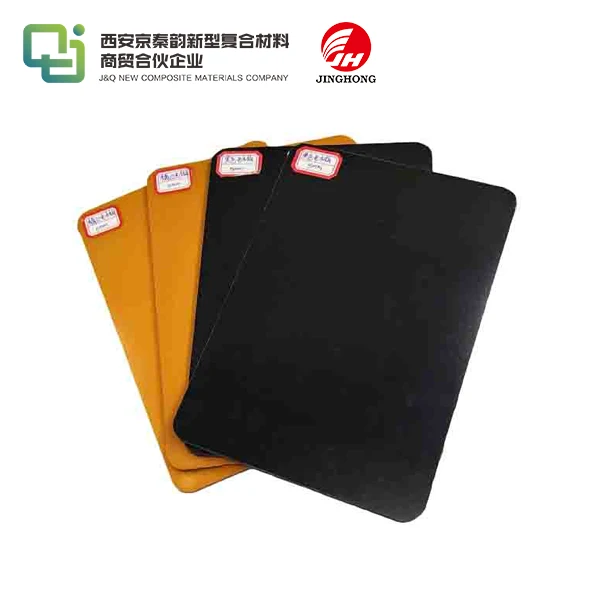
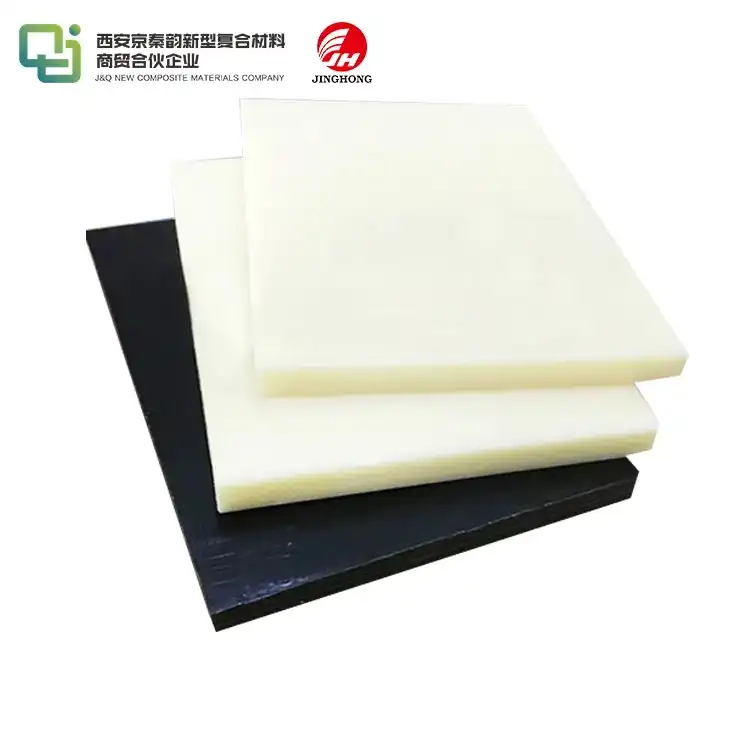
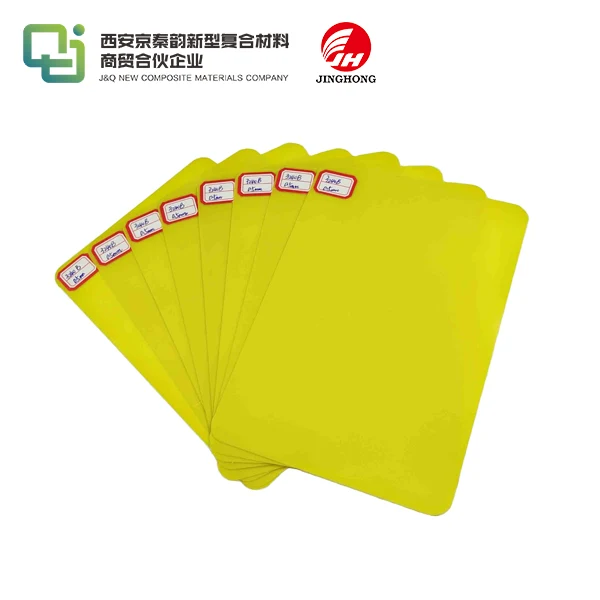
In standard configurations, CNC routers can easily work with 3240 epoxy sheet from 0.5 mm up to 50 mm thick. Specialised equipment can handle materials up to 150 mm thick. Thinner strips (less than 2 mm) need vacuum hold-down systems to keep them from moving while they're being cut, and thicker materials need slower feed rates to keep the heat from building up. The natural differences in colour, such as yellow, red, green, or black, don't affect how easy it is to machine, but it is easier to see edge quality when the colours are different.
Does CNC processing affect the electrical properties of epoxy sheets?
When CNC routing is set up correctly, the material's important electrical properties are kept: dielectric strength above 30kV, volume resistivity exceeding 10^14 Ω·cm, and low dielectric loss tangent. Controlling thermal input by using the right spindle speeds (18,000 to 24,000 RPM) and feed rates to stop areas from getting too hot is very important. Mechanical routing doesn't make heat-affected zones that change the chemistry of the plastic as laser cutting does. Breakdown voltage tests done after processing show that CNC-cut parts keep their performance specs the same as the parent 3240 epoxy sheet.
Can CNC routers accommodate complex custom shapes for specialized applications?
CNC machines are great at making complicated shapes that can't be done by hand, like curvy profiles, angled holes, pocketing operations, and multi-axis shaping. CAD/CAM software directly turns engineering plans into machine code, which makes it possible to make copies of complicated designs that are exactly the same for all production runs. This feature is especially useful for automotive battery barriers that need built-in mounting features or power distribution parts with precise slot patterns for aligning busbars.
Partner with J&Q for Superior 3240 Epoxy Sheet Solutions
J&Q is ready to help you make your component manufacturing more efficient by providing you with high-quality 3240 epoxy sheets and expert processing advice. As a well-known company that has been making 3240 epoxy sheet for over 20 years and has done business internationally for ten years, we know the technical challenges and supply chain pressures that electrical equipment makers face. Our all-around method includes certified material quality that meets UL, RoHS, and IEC standards, as well as application engineering help that makes sure your CNC routing settings are set up so that you get the most work done with the least amount of waste.
Our combined logistics skills make sure consistent delivery that buying teams can count on, whether you're looking for small numbers for prototypes or setting up regular shipments that match production cycles. Email our expert team at info@jhd-material.com to talk about your unique needs, ask for material certifications, or set up a review of a sample. We give you detailed cutting advice that is specific to your equipment and application. This helps you get the accuracy and speed gains that CNC routing technology offers. You can look at our full selection of insulation materials at jhd-material.com and learn how smart supplier partnerships give you a clear edge over the competition.
References
1. Smith, J. R., & Chen, L. (2021). Advanced Composite Machining: Techniques for Epoxy-Glass Laminates. Industrial Press.
2. National Electrical Manufacturers Association. (2020). NEMA Standards Publication LI 1-2020: Industrial Laminated Thermosetting Products. NEMA.
3. Anderson, P. T. (2022). "CNC Routing Optimization for Fiber-Reinforced Composites." Journal of Manufacturing Processes, 78, 245-261.
4. International Electrotechnical Commission. (2019). IEC 60893-3-1: Insulating Materials – Industrial Rigid Laminated Sheets Based on Thermosetting Resins for Electrical Purposes. IEC Publications.
5. Martinez, D. K., & Patel, S. (2023). "Comparative Analysis of Machining Methods for Electrical Insulation Materials." Composites Manufacturing Review, 15(3), 112-128.
6. Williams, R. F. (2021). Precision Machining for Electrical Components: Best Practices and Standards Compliance. Technical Publications International.