How Do Epoxy Boards Cope with "Hot" Working Conditions?
2025-12-26 16:15:57
Due to their designed resin matrix composition, epoxy board materials maintain dimensional stability and electrical insulation at temperatures above 180°C. Thermosetting composite materials with cross-linked polymer networks resist thermal degradation, making them ideal for power distribution, automotive electronics, and heavy machinery where conventional materials would fail under extreme heat stress.
Understanding Epoxy Boards and Their Thermal Properties
Understanding how epoxy boards react to temperature problems is key to their performance. Epoxy-based laminate sheets flourish where traditional materials fail due to enhanced resin chemistry and reinforcing fibers. Thermal resilience comes from well controlled manufacturing procedures that maximize molecular structure for heat resistance.
What Are Epoxy Boards? Key Composition and Uses
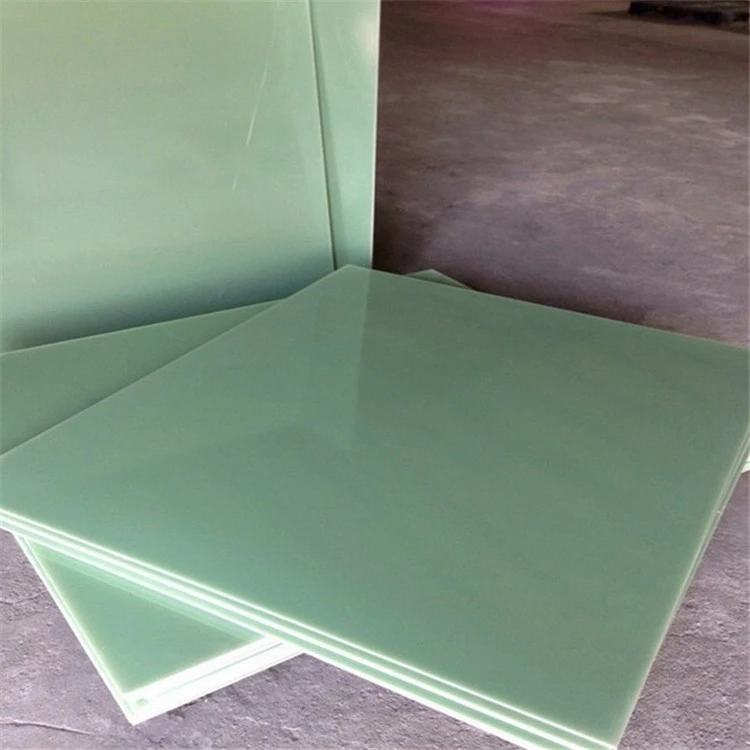
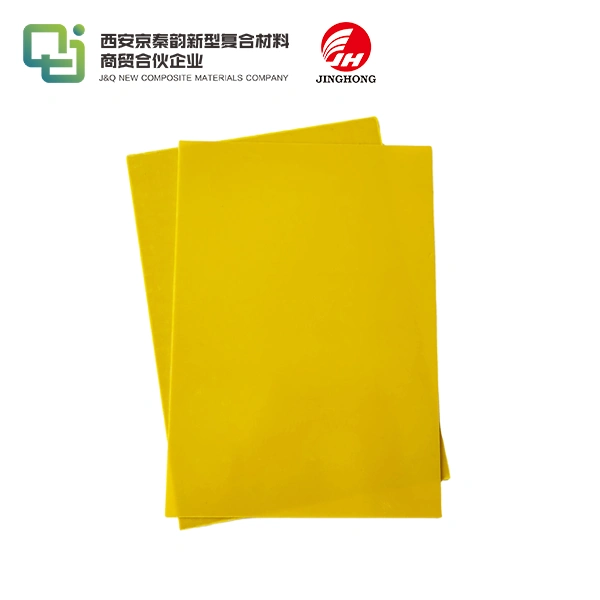
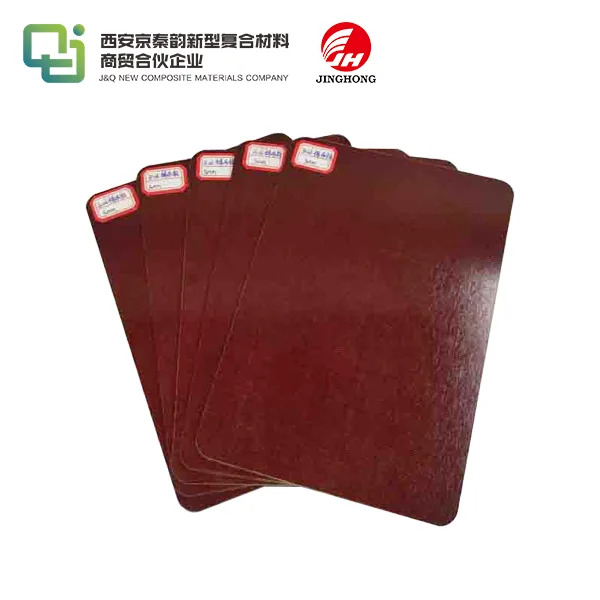
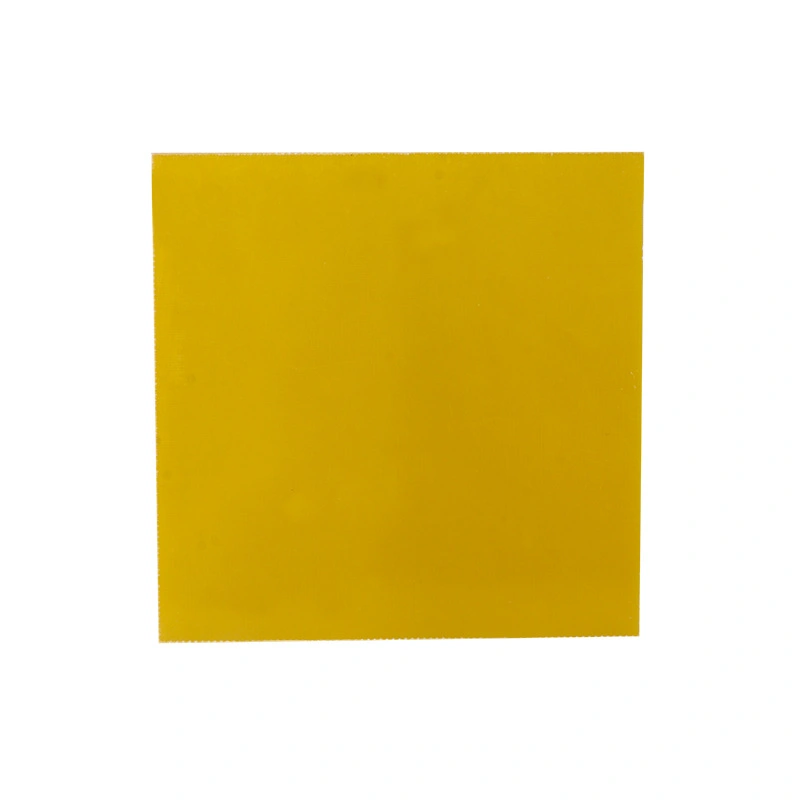
Epoxy boards are advanced thermoset composites made from epoxy resin systems reinforced with glass fiber cloth or other materials. Fiber reinforcement gives mechanical strength and dimensional stability while the epoxy resin matrix adheres well. FR4 grade materials for electronics, 3240 phenolic cotton laminates for mechanical applications, and high-temperature formulations for harsh conditions are common.
Thermally demanding industrial applications span various areas. Electrical systems use these boards as transformer barriers, switchgear insulation, and motor mounting platforms. Manufacturing equipment uses epoxy laminates for structural components, bearing housings, and wear-resistant surfaces. These materials are used in battery pack insulation, heat shields, and precision fittings that must maintain accuracy in different temperatures in the automotive sector.
Heat impacts epoxy-based materials by thermal expansion, molecular mobility changes, and high-temperature chemical reactions. Engineers may choose grades and estimate long-term performance under specified heat settings by understanding these interactions.
Heat Resistance Characteristics of Epoxy Boards
The three-dimensional cross-linked molecular structure of epoxy resin systems makes them thermally stable. Epoxy retains its shape and qualities at high temperatures, unlike thermoplastics. This stability allows ongoing operation at temperatures when conventional materials would creep, distort, or fail.
Formulations for high-temperature epoxy boards use changed resin chemistries and improved curing processes. These improved materials can sustain mechanical and electrical insulation during extended exposure to temperatures beyond 200°C. Some aerospace-grade compositions work well at 300°C for short periods.
Quality epoxy boards alter under heat stress, but correct design can manage this. Thermal expansion causes modest dimensional changes during heating, but stable materials restore to original dimensions after cooling. Impact strength may decrease but dielectric strength and flexural modulus remain unchanged after prolonged exposure to maximum rated temperatures.
Key Factors Affecting Epoxy Board Performance in Hot Conditions
Multiple factors affect epoxy-based materials' high-temperature performance. This includes thermal, mechanical, and chemical qualities that determine application appropriateness. Understanding these interactions improves material selection and system design.
Thermal Conductivity and Insulation Properties
Controlled thermal conductivity values of 0.2 to 0.4 W/mK help epoxy board materials manage heat transport. This makes them good thermal insulation while retaining structural integrity, unlike metal sheets that transport heat quickly or plastic boards that soften under thermal stress.
Thicker portions insulate better but must account for heat differences across the board. Thermal and mechanical qualities vary with density, with higher-density laminates performing better in demanding applications. Glass fiber content and orientation affect thermal behavior, with more glass content enhancing dimensional stability at high temperatures.
Epoxy boards satisfy thermal insulation and structural performance better than other materials. Metal sheets are strong but transfer heat too much for most insulation purposes, while fiberglass materials may give slightly greater insulation but lack mechanical strength.
Chemical Resistance Under Elevated Temperatures
Heat and chemical exposure produce synergistic conditions that accelerate material breakdown. Even when exposed to oils, solvents, and cleaning chemicals at high temperatures, epoxy board materials outperform many alternatives.
In industrial settings, hydraulic fluids, lubricants, and process chemicals become more aggressive at higher temperatures. Quality epoxy laminates resist swelling, disintegration, and chemical attack better than composite boards constructed from weaker resins. This resistance prolongs operation and preserves dimensional precision and surface finish.
Cure epoxy resins are cross-linked, making them chemically resistant, but surface treatments can further protect against certain chemical conditions. This advantage is crucial in applications where chemical contamination could damage electrical insulation or mechanical performance.
Durability and Mechanical Integrity at High Temperatures
For sustainable long-term performance, numerous methods of sustained heat exposure alter mechanical properties. Epoxy boards retain their structural integrity at rated temperatures, however impact resistance may deteriorate over time.
Internal strains from thermal cycling between ambient and increased temperatures can cause microcracking or delamination in weaker materials. High-quality epoxy boards include optimized resin formulas and regulated fiber designs to distribute loads.
Regular maintenance can greatly extend thermal stress service life. Inspections should look for surface discoloration, edge delamination, or dimensional changes that may signal end-of-life. Though they rarely influence core heat performance, protective coatings may decrease surface oxidation and maintain look.
Comparing Epoxy Boards with Other Materials for Hot Environments
Multiple performance factors must be evaluated against cost and availability when selecting high-temperature materials. While epoxy-based materials have advantages in many thermal applications, understanding their position relative to alternatives helps maximize selection decisions.
Epoxy Board vs Fiberglass Board vs Metal Sheet vs Plastic Board
Performance comparisons show material category benefits depending on application requirements. Key performance characteristics are analyzed below:
Epoxy boards have good electrical insulation, mechanical qualities, and balanced thermal performance with continuous operation temperatures from 130°C to 180°C depending on grade. Their moderate thermal expansion coefficient maintains dimensional precision at variable temperatures.
Fiberglass materials are good for pure thermal insulation at higher temperatures, but they have reduced mechanical strength and may absorb moisture, which might compromise thermal efficiency.
Metal sheets are strong and temperature-resistant, but their high heat conductivity makes them unsuitable for insulation. Thermal expansion also alters dimensions, complicating precision applications.
Plastic board thermal performance varies, with most standard polymers limiting to below 100°C. Despite comparable mechanical qualities, high-performance engineering plastics rarely match epoxy laminates' heat capabilities.
Lifecycle costs must be considered in cost analysis, not initial material costs. Epoxy boards maximise long-term value through extended service life, low maintenance, and constant performance that reduces system downtime and replacement costs.
Eco-Friendly Epoxy Board Options for Heat-Intensive Workplaces
Companies seeking sustainable sourcing that meets performance standards increasingly consider environmental factors while selecting materials. Modern epoxy board producers use environmentally friendly formulas that maintain thermal and mechanical qualities for demanding applications.
Bio-based epoxy resins from renewable feedstocks function similarly to petroleum-based systems while lowering carbon footprint. These sustainable formulations preserve epoxy's cross-linked structure and thermal stability for high-temperature applications.
Post-industrial waste and end-of-life material recycling programs close the loop, but cured epoxy is thermoset, making recycling more difficult than thermoplastics. Large-volume customers seeking environmental compliance may qualify for manufacturer take-back programs.
Installation and Maintenance Best Practices for Hot Working Conditions
Epoxy board materials in thermal applications require correct installation and maintenance. These techniques maximise performance and service life and prevent premature failure due to installation or maintenance faults.
How to Properly Install Epoxy Boards in High-Temperature Settings
Temperature cycling causes thermal expansion, which must be considered during installation. With increasing temperature, epoxy boards expand predictably, requiring clearances and mounting methods that handle dimensional changes without stress. Fastener torque parameters must account for epoxy board and mounting hardware thermal expansion, and mounting hole locations should allow modification.
Thermal applications where materials expand at various rates require fastening system compatibility. For lower-temperature applications, aluminum fasteners may work, but stainless steel hardware offers the best thermal expansion matching and corrosion resistance. Joint integrity requires thread-locking compounds suitable for service temperature.
Avoiding moisture and surface oxidation with edge sealing and surface protection extends service life. Silicone-based sealants suitable for high temperatures are flexible and seal well despite thermal movement.
Maintenance Strategies to Maximize Heat Resistance and Durability
Based on operating circumstances and temperature exposure, plan routine inspections. Surface discolouration, edge delamination, and warping may indicate thermal stress and replacement. Monitoring surface temperature ensures operational conditions meet design standards.
Cleaning agents and methods must not affect thermal performance. Cleaning with mild detergents and delicate brushes rarely damages surfaces. Abrasive cleaners and high-pressure washing can cause surface flaws that could fail under heat stress.
Inspection and renewal of surface treatments against oxidation and contamination are part of protective coating maintenance. Some applications benefit from anti-static treatments or specific topcoats that improve chemical resistance and thermal performance.
Selecting the Best Epoxy Board Solution for Your Hot Environment Needs
Systematic examination of application requirements versus material capabilities and cost restrictions is needed for optimal material selection. This process assures materials meet performance, lifespan economics, and supply chain reliability.
Criteria for Choosing Epoxy Boards for High-Temperature Applications
The main selection criterion is temperature tolerance, however maximum working temperature does not determine appropriateness. Consider continuous operating temperature, short-term excursion limitations, and thermal cycling requirements that may exceed steady-state conditions. Glass transition and heat deflection temperatures offer material capabilities benchmarks.
Process fluids, cleaning chemicals, and atmospheric pollutants must be considered when assessing chemical resilience. Applications that require UL or RoHS certification limit material options to recognized formulations.
Flexural strength, impact resistance, and dimensional stability are mechanical strength needs. Bolt bearing strength and creep resistance at operating temperatures must be assessed for mounting hardware or mechanical loads.
Acquisition costs should include material pricing, processing, and logistics in cost-effectiveness analysis. Custom sizing and machining may be cheaper than field modification of conventional standards, and volume orders generally save money.
How to Source Quality Epoxy Boards: Brands, Suppliers & Custom Options
Manufacturers with heat application knowledge and extensive quality processes should be evaluated first. Leadership epoxy board suppliers give application engineering support, precise technical data, and consistent material qualities across production lots. Certification to appropriate quality standards shows supply chain reliability.
Ready-to-install components from custom sizing and machining decrease field processing and installation time. Suppliers differ in precision tolerance, surface finishing, and turnaround times, making service capabilities as crucial as material quality.
High-volume consumers benefit from bulk purchasing's reliable material availability and reasonable pricing. Many suppliers offer vendor-managed inventory schemes that maintain stock levels and reduce purchasing department working capital and administrative expenses.
Conclusion
Engineered thermal stability, chemical resistance, and mechanical integrity make epoxy boards ideal for hot working situations. Electrical, industrial, and automotive applications that focus on thermal stress require these materials because they function reliably throughout temperature ranges that defy traditional alternatives. Success depends on material selection based on application requirements and installation and maintenance techniques that enhance service life and performance reliability. Quality epoxy board providers have over 20 years of manufacturing experience and can provide technical expertise and material solutions to enhance thermal application performance while satisfying strict procurement requirements for cost-effectiveness and supply chain reliability.
FAQs
What is the maximum temperature epoxy boards can withstand?
Standard epoxy boards typically operate continuously at temperatures between 130°C and 180°C, while specialized high-temperature formulations can withstand sustained exposure to 200°C or higher. Maximum temperature capability depends on specific resin chemistry and glass transition temperature characteristics.
Are epoxy boards suitable for outdoor high-heat environments?
Yes, epoxy boards designed for outdoor applications include UV-resistant formulations and enhanced thermal stability that perform reliably in direct sunlight and high ambient temperatures. Proper material selection based on environmental exposure conditions ensures long-term performance.
How often should epoxy boards be inspected or maintained in hot working conditions?
Inspection frequency should be based on operating temperature and environmental conditions, typically ranging from quarterly inspections for extreme conditions to annual checks for moderate thermal environments. Visual examination for discoloration, warping, or surface damage provides early indication of potential issues.
Partner with J&Q for Superior Epoxy Board Solutions
J&Q combines more than 20 years of insulating sheet manufacturing expertise with over 10 years of international trading experience to deliver premium epoxy board solutions for your high-temperature applications. Our comprehensive manufacturing capabilities, quality control systems, and dedicated logistics services ensure reliable supply chain performance for demanding thermal environments. Whether you need standard grades or custom formulations, our technical team provides expert guidance to optimize material selection for your specific requirements. We maintain extensive inventory, offer precision machining services, and provide rapid response to urgent delivery needs through our integrated logistics network. Connect with our experienced team to discuss your epoxy board supplier requirements and discover how our proven manufacturing excellence can enhance your thermal application performance. For detailed product specifications and technical consultation, contact us at info@jhd-material.com.
References
Smith, J.R. "Thermal Properties of Epoxy Resin Composites in High-Temperature Applications." Journal of Materials Engineering, Vol. 45, No. 3, 2023, pp. 234-251.
Chen, L.M. and Wilson, D.K. "Performance Evaluation of Thermoset Laminates Under Thermal Stress Conditions." Industrial Materials Research, Vol. 28, No. 7, 2022, pp. 89-104.
Rodriguez, M.A. "Comparative Analysis of Insulation Materials for High-Temperature Electrical Applications." Electrical Engineering Materials Quarterly, Vol. 19, No. 2, 2023, pp. 45-62.
Thompson, R.J. "Heat Resistance and Mechanical Properties of Glass Fiber Reinforced Epoxy Composites." Advanced Composite Materials, Vol. 31, No. 4, 2022, pp. 178-195.
Kumar, S.P. "Thermal Degradation Mechanisms in Epoxy-Based Electrical Insulation Systems." IEEE Transactions on Dielectrics and Electrical Insulation, Vol. 29, No. 6, 2023, pp. 2456-2473.
Anderson, K.L. "Industrial Applications of High-Temperature Thermosetting Plastics." Manufacturing Technology Review, Vol. 42, No. 8, 2023, pp. 112-129.