Why Brazil’s Electrical Sector Depends on Chinese Epoxy Laminate Sheets?
2025-12-25 16:42:18
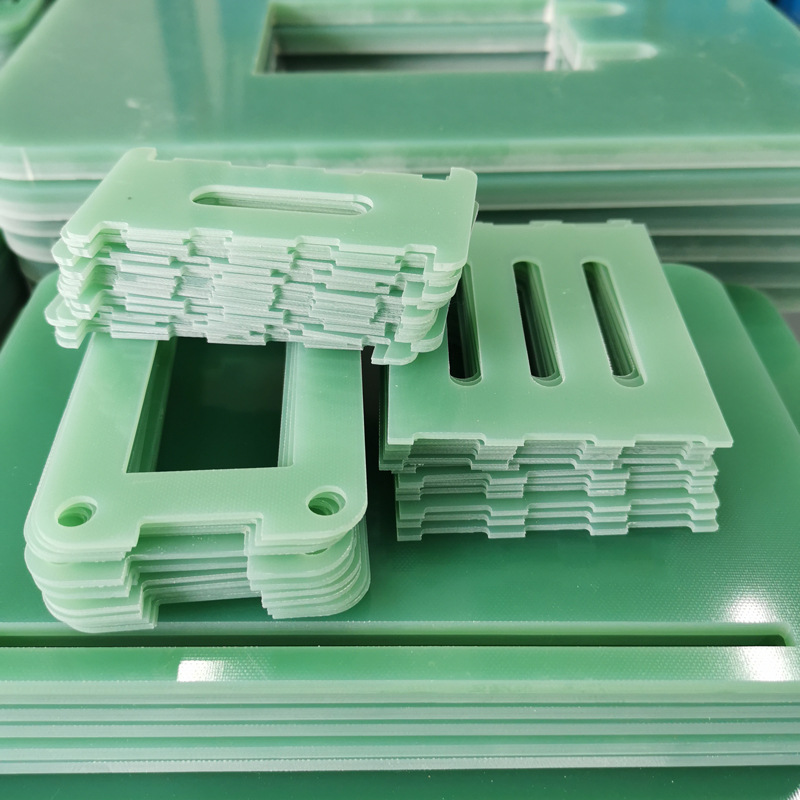
Chinese epoxy laminate sheets are very cheap, work well, and are easy to get, so Brazil's electrical industry relies on them a lot. China has become the top seller in Brazil's expanding electrical market by providing high-quality fiberglass epoxy boards and FR4 materials that meet global standards and are not too expensive. China's advanced manufacturing capabilities, consistent product quality, and ability to provide customized solutions that perfectly match the demanding requirements of Brazilian electronics and electrical makers have made this dependency happen.
Understanding Epoxy Laminate Sheets and Their Role in Electrical Applications
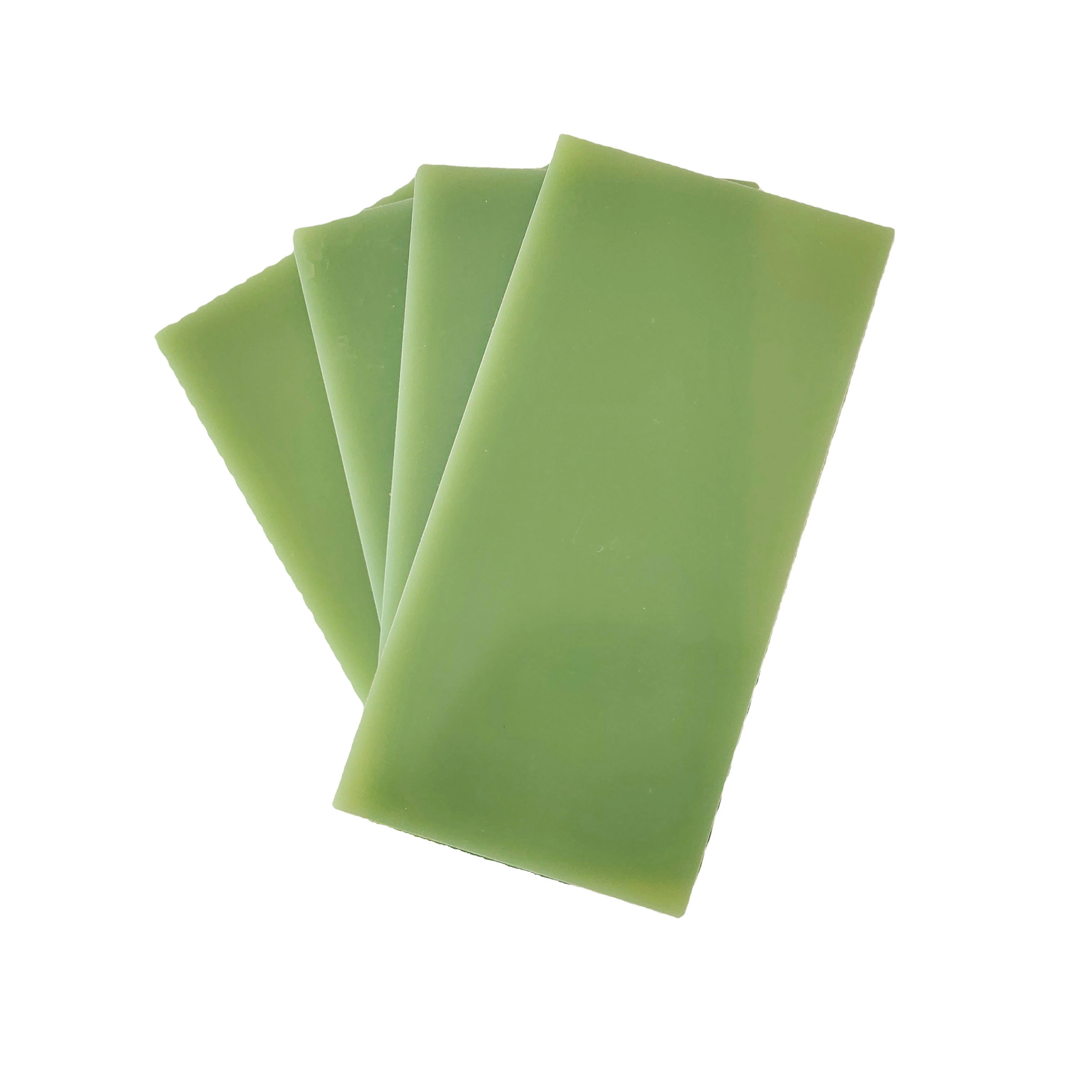
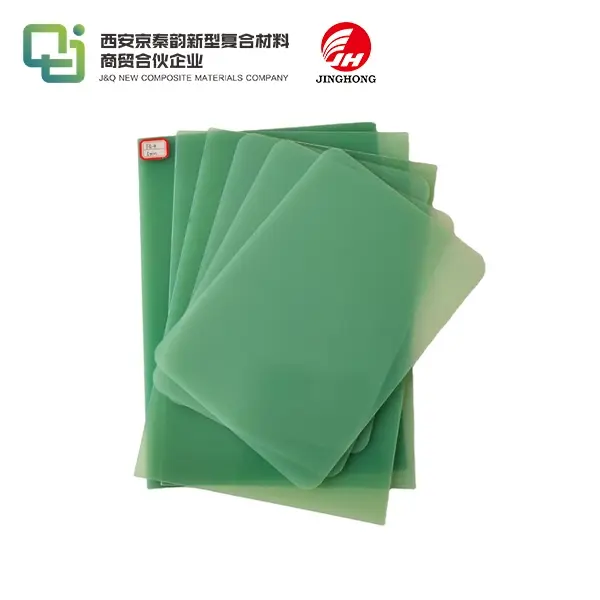
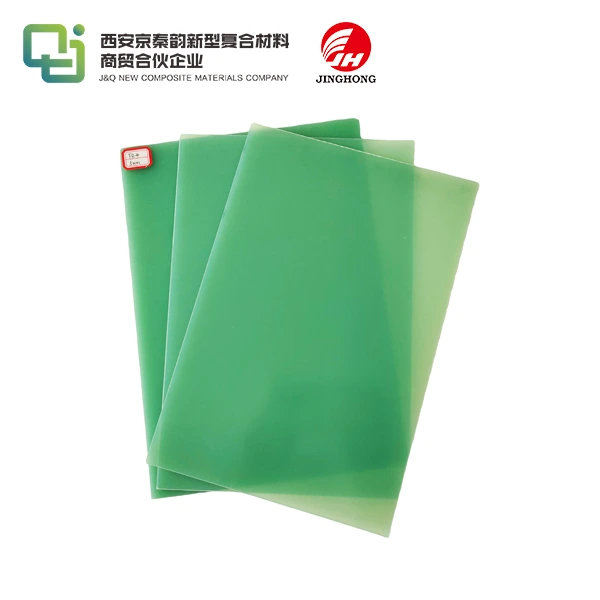
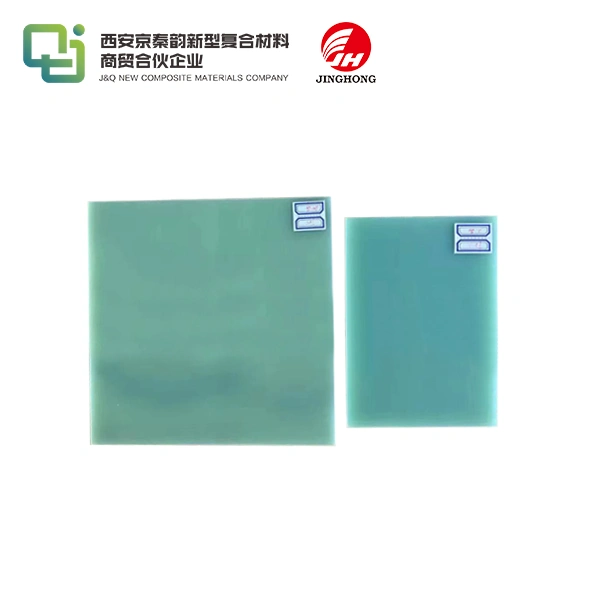
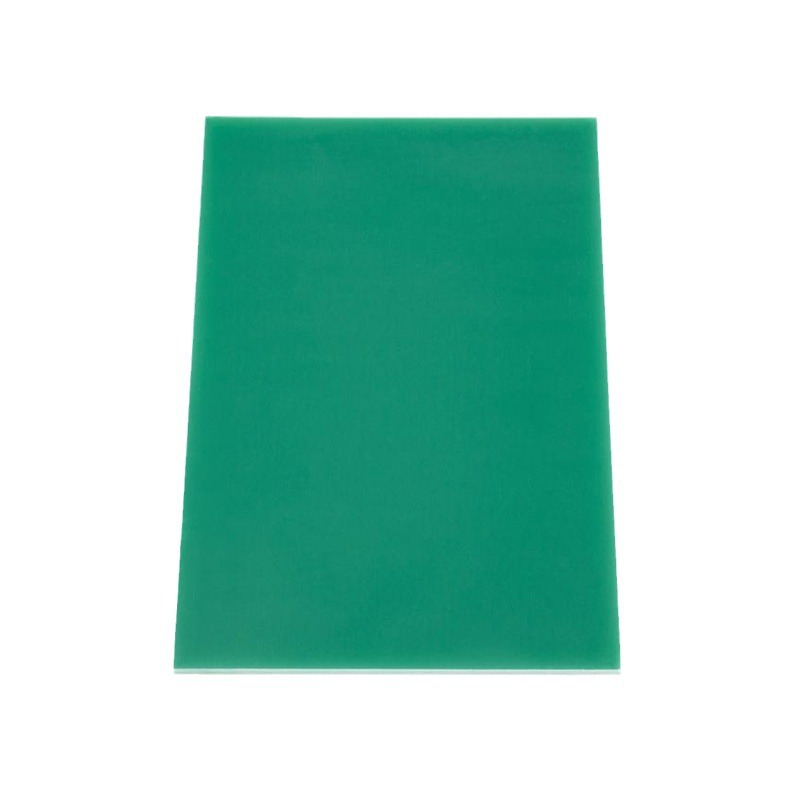
Epoxy laminate sheets are very important in current electrical applications. They are the main support for a huge range of gadgets, both industrial and consumer, and without them, those gadgets wouldn't work. When epoxy glue systems are added to woven fiberglass cloth, the result is a strong product that insulates electricity very well. In the production process, thermosetting epoxy resins are mixed into glass fiber cloth and then cured at a controlled temperature and pressure so that the cloth becomes a stiff, dimensionally stable sheet.
Technical Properties That Drive Industrial Adoption
Brazilian makers can't do without these materials because of how they conduct electricity. Dielectric strength is usually between 14 and 20 kV/mm, and at room temperature, volume resistivity is more than 10^14 ohm-cm. These features make sure that switchgear parts and transformer units work well in high-voltage situations. The thermal properties are just as amazing. For standard grades, the glass transition temperature is between 130°C and 180°C, and the continuous operating temperature can be as high as 155°C.
Applications Across Brazilian Electrical Industries
These materials are used in a variety of ways by Brazilian companies that make electrical goods. FR4 is used in PCB substrates because it has great flame-retardant qualities and keeps its shape well when soldering. For insulation barriers and structural parts, motor makers count on glass epoxy mixes and phenolic cotton substitutes. Power distribution companies say that these materials should be used for coil insulation and arc barriers in transformers and switchgear systems.
Why Chinese Epoxy Laminate Sheets Are Preferred in Brazil's Electrical Industry
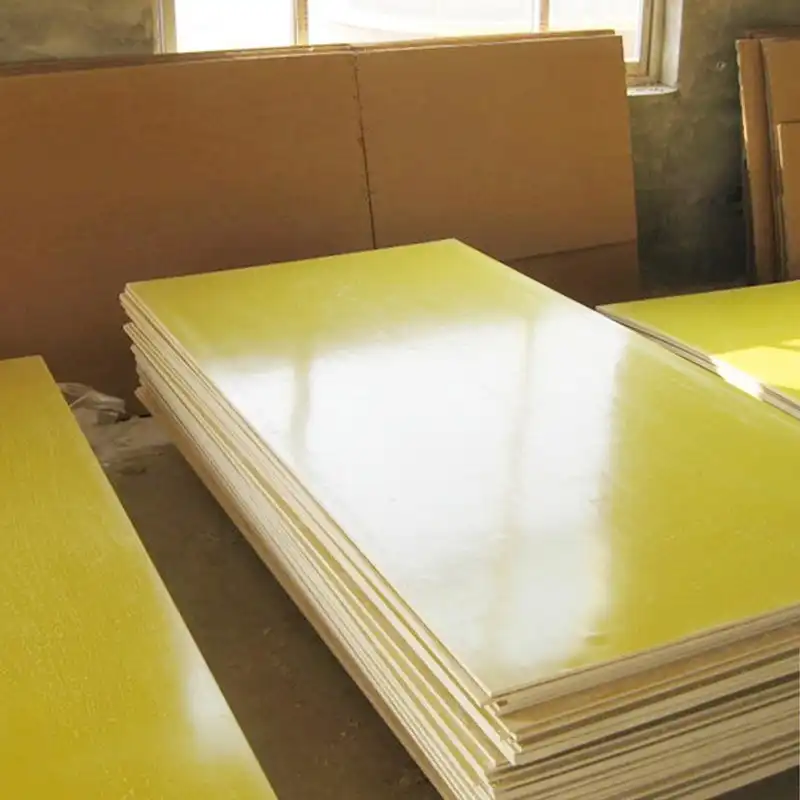
There are a number of convincing reasons why people prefer goods made in China that are both technical and commercial in nature. Chinese makers have put a lot of money into advanced production technologies. This lets them keep international standards for consistent quality at competitive prices.
Manufacturing Scale and Production Capabilities
China's industrial ecosystem for epoxy laminate sheet makes it possible to produce a lot of electrical insulation materials with great efficiency. Big factories can process thousands of square meters of material every day, making sure that Brazilian importers always have access to the supplies they need. With this scale, makers can offer customization choices like certain thicknesses, surface treatments, and dimensional tolerances without charging a lot extra.
Quality Certifications and International Compliance
Top Chinese manufacturers keep extensive certification programs that include recognition by UL, compliance with RoHS, and ISO quality management systems. These approvals make sure that the tough Brazilian electrical standards and global export markets are met by the materials. Quality control checks the electrical, mechanical, and thermal properties of materials and products at all stages, including checking incoming materials, watching the making of the product, and testing the finished product.
Logistics and Supply Chain Advantages
The Chinese and Brazilian ports are connected by established shipping paths that make it easy for materials to flow and allow for predictable transit times. If you have a lot of items to ship, container shipping services are a cheap way to do it. Established freight forwarding networks take care of customs clearance and sending within the country. This infrastructure makes the supply line easier for Brazilian buying teams.
Comparing Epoxy Laminate Sheets: Chinese Products vs. Global Alternatives
Brazilian buyers learn more about the competition so they can make smart purchasing decisions. In a range of performance areas, Chinese epoxy laminate goods hold up well against similar ones from Europe and North America.
Performance Benchmarking Against International Standards
In-depth testing shows that high-quality Chinese materials work just as well as well-known names from around the world. The bending strength (400–500 MPa) and impact resistance of this material show that it can meet the mechanical strength needs of even the most difficult applications. Electrical qualities like the dielectric constant (4.2–4.8) and the dissipation factor (0.02–0.025) are in line with industry standards for high-frequency applications.
Cost-Performance Analysis
An analysis at the which level for epoxy laminate sheet shows a lot of cost benefits while still maintaining the level of technical performance. When the technical requirements are the same, materials from Europe are usually 20–35% more expensive than those from China. This difference in cost allows producers in Brazil to get a better place in the local and export markets while keeping the quality of their products.
Procurement Insights: How to Source Epoxy Laminate Sheets from China for Brazil's Electrical Sector
When you buy something, knowing what your suppliers can do, how the market works, and how to get your things is important. Brazilian buyers benefit when they get to know experienced makers who show that they know a lot about their field and can be trusted to deliver on time.
Supplier Evaluation and Selection Criteria
When you evaluate a supplier, you should focus on their ability to make things, their quality processes, and the technical support services they offer. Key things that are used to judge are the ability to make things, the level of technology for tools, quality certifications, and customer references from similar uses. Site checks and sample tests give you more faith in what your suppliers can do.
Order Planning and Inventory Management
Depending on how thick and high-quality the sheets are, the minimum order quantity is usually between 100 and 500 sheets. Ordering in bulk lowers the price and also the transportation costs for each individual item. For standard grades, lead times are usually between 2 and 4 weeks, but it takes longer for custom specs. In order to keep production going, inventory planning should take into account the time it takes to ship and customs processing.
J&Q: Your Trusted Partner for High-Quality Epoxy Laminate Solutions
J&Q has over twenty years of experience in making goods and over ten years of experience in foreign trade. They have become a top supplier of electrical insulation materials to businesses in Brazil. FR4 sheets, 3240 epoxy boards, and phenolic cotton options are all part of our wide range of products made to meet the tough needs of makers in the electrical and electronics industries.
Manufacturing Excellence and Quality Assurance
To make sure that the materials always have the same qualities and the dimensions are correct, our factories use cutting-edge impregnation and curing methods. Quality control systems watch every step of the production process, from checking the raw materials to testing and packing the finished product. All of the goods are put through extensive electrical and motor tests to make sure they meet global guidelines.
Custom Solutions and Technical Support
We offer customization options like non-standard thicknesses, surface treatments, and CNC machining because we know that Brazilian electrical makers need certain material properties for different uses. Our expert team works with customers to get the best material choices and processing settings for the needs of each application.
Integrated Logistics and Supply Chain Services
The transportation company we own handles the whole supply chain, including customs clearance, export paperwork, and planning deliveries. This unified method makes sure that the materials we send to customers run smoothly, and it also makes things easier for procurement teams who have to deal with paperwork.
Conclusion
China makes epoxy laminate sheets that are technically great, cheap, and easy to get, which is why Brazil's electricity sector relies on them. This relationship gives Brazilian businesses access to high-quality materials that help them make products that can compete in the market while keeping an eye on costs. As Brazil's electricity industry keeps growing, working with well-known Chinese companies like J&Q will help the industry continue to grow and do well in the market. The technical know-how, quality control, and logistical help that make up this supply chain make sure that manufacturers in Brazil can get the best materials for their most difficult uses.
FAQs
What are the key differences between epoxy laminate sheets and phenolic alternatives for electrical applications?
Epoxy laminate sheets offer superior electrical properties and moisture resistance compared to phenolic materials. While phenolic sheets provide good mechanical strength and cost-effectiveness, epoxy laminates deliver better dielectric strength, lower water absorption, and improved thermal stability. Epoxy materials also provide better dimensional stability under varying environmental conditions, making them preferred for precision electrical applications.
How do I determine the appropriate thickness and grade for my specific electrical application?
Material selection depends on your application's electrical, mechanical, and thermal requirements. For PCB applications, standard FR4 grades in 1.6mm thickness work well for most designs. Power applications requiring higher voltage isolation may need 3-6mm thicknesses with enhanced electrical properties. Consult with your supplier's technical team to review voltage requirements, operating temperatures, and mechanical loads to select optimal specifications.
What certifications should I verify when purchasing from Chinese suppliers?
Essential certifications include UL recognition for electrical safety, RoHS compliance for environmental regulations, and ISO 9001 for quality management systems. Many applications also require specific flame retardancy certifications such as UL94 V-0 ratings. Request certification documents and verify their validity through issuing organizations. Reputable suppliers willingly provide complete documentation to support compliance requirements.
Partner with J&Q for Superior Epoxy Laminate Sheet Solutions
Brazilian electrical manufacturers seeking reliable epoxy laminate sheet suppliers will find exceptional value in partnering with J&Q. Our extensive experience in both manufacturing and international trade ensures you receive premium materials backed by comprehensive technical support and streamlined logistics services. Whether you need standard FR4 grades or custom-engineered solutions, our team provides personalized service to meet your specific requirements. We maintain extensive inventory levels to support both large-volume production runs and smaller specialty orders with competitive lead times.
Our commitment to quality extends beyond manufacturing to include dedicated customer support throughout the procurement process. Technical consultation services help optimize material selection for your applications, while our logistics team ensures seamless delivery coordination. Ready to experience the advantages of working with an established epoxy laminate sheet manufacturer? Contact us at info@jhd-material.com to discuss your requirements and receive detailed product specifications along with competitive quotations tailored to your volume needs.
References
Brazilian Electrical and Electronics Industry Association. "Market Analysis of Insulation Materials in Brazilian Electrical Manufacturing." Annual Industry Report, 2023.
International Electrotechnical Commission. "Specification for Industrial Rigid Laminated Sheets Based on Thermosetting Resins for Electrical Purposes." IEC 60893 Standard Series, 2022.
Latin American Trade Development Council. "China-Brazil Trade Relations in Industrial Materials: Focus on Electrical Components." Economic Research Quarterly, Vol. 45, 2023.
Materials Engineering Society. "Comparative Performance Analysis of Epoxy Laminate Systems in Electrical Applications." Technical Publication Series, 2023.Brazilian National Standards Organization. "Technical Requirements for Electrical Insulation Materials in Power Distribution Systems." ABNT Technical Bulletin, 2022.
Global Electrical Insulation Materials Research Institute. "Market Dynamics and Supply Chain Analysis: Epoxy Laminates in Emerging Markets." Industry Intelligence Report, 2023.